From building strong bones to supporting immunity, children need a variety of foods from all 5 food groups to grow and thrive. Some foods are particularly important because they provide key nutrients needed for healthy growth and development. Iron-rich foods are one example.
Why iron-rich foods are important
Iron-rich foods provide the iron children need to support healthy growth and development. Iron helps the body make haemoglobin, which helps to carry oxygen around your body in the red blood cells.
Including iron rich foods regularly can help support:
- Healthy brain development
- Immune health
- Energy levels
- Healthy growth
Iron deficiency is a common health concern for children in Australia. Around 8% of children under 5 have anaemia according to the Royal Australian College of General Practitioners.1 Anaemia occurs when the body doesn’t have enough red blood cells to carry oxygen, and iron deficiency is the most common cause of anaemia in children.2
Regularly including iron-rich foods can help children get the iron they need to support healthy growth and development.
Iron-rich foods for growing children
The best way to help your child get enough iron is to include a variety of iron-rich foods throughout each day and across a week.
Some foods provide iron that is more easily absorbed by the body, while others provide iron alongside other important nutrients such as fibre, vitamins, and minerals. Including a mix of both can help support healthy growth and development.
Animal foods that provide iron
Animal foods contain a type of iron (haem iron) that is readily absorbed by the body. These foods can make a valuable contribution to meeting your child’s iron needs.
Examples include:
- Lean red meat, such as beef, lamb, and kangaroo
- Chicken and turkey
- Fish and seafood, particularly salmon, sardines, or tuna
- Organ meats such as liver or kidney
The darker the red colour of the meat or fish, the higher the iron level.
Plant foods that provide iron
Plant foods can also contribute iron, while providing fibre and a range of other nutrients that support health.
Examples include:
- Iron-fortified breakfast cereals
- Lentils, chickpeas, kidney beans, and baked beans
- Tofu and other soy foods
- Wholegrain breads and cereals
- Nuts, seeds, and nut butters*
- Green leafy vegetables such as spinach and kale
- Dried fruits such as apricots, prunes, and sultanas
*Children under 5 years should avoid whole nuts due to the risk of choking. Nut and seed butters are a suitable alternative.
Building iron-rich meals and snacks
Combining iron-rich foods with foods from other food groups can help your child get the most from their meals.
Some simple combinations include:
- Iron-fortified cereal topped with strawberries or kiwi fruit
- Scrambled eggs with chopped spinach and tomato
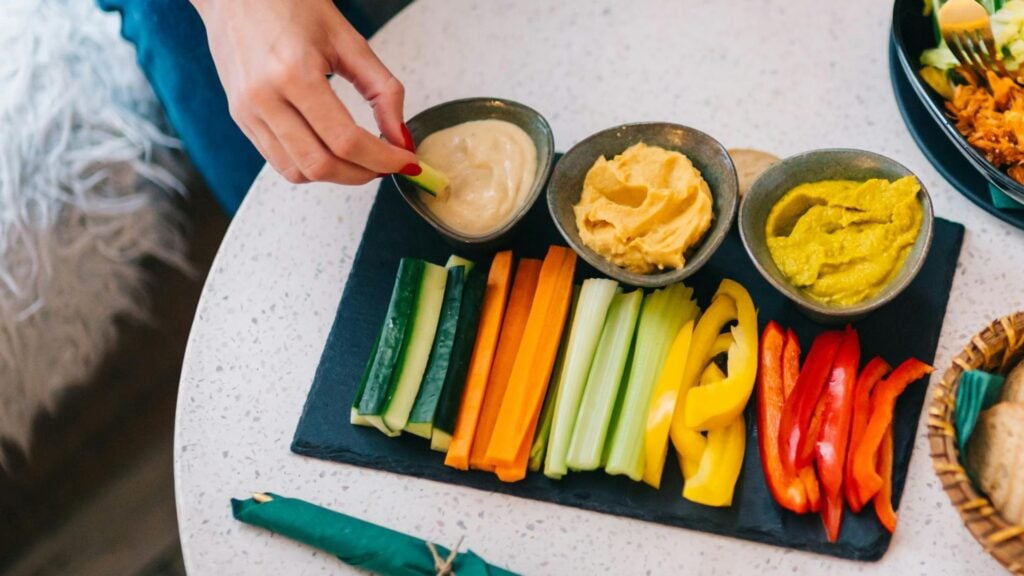
- Hummus served with carrot and capsicum sticks. If you are after a delicious twist on this classic dip, check out our Roast Pumpkin Hummus
- Cauliflower and Chickpea Balls with Beetroot Hummus – perfect savory snack or lunchbox edition!
- Wholegrain toast with baked beans or peanut butter
- Beef and lentil pasta. Try this Fully Loaded Spaghetti Bolognese
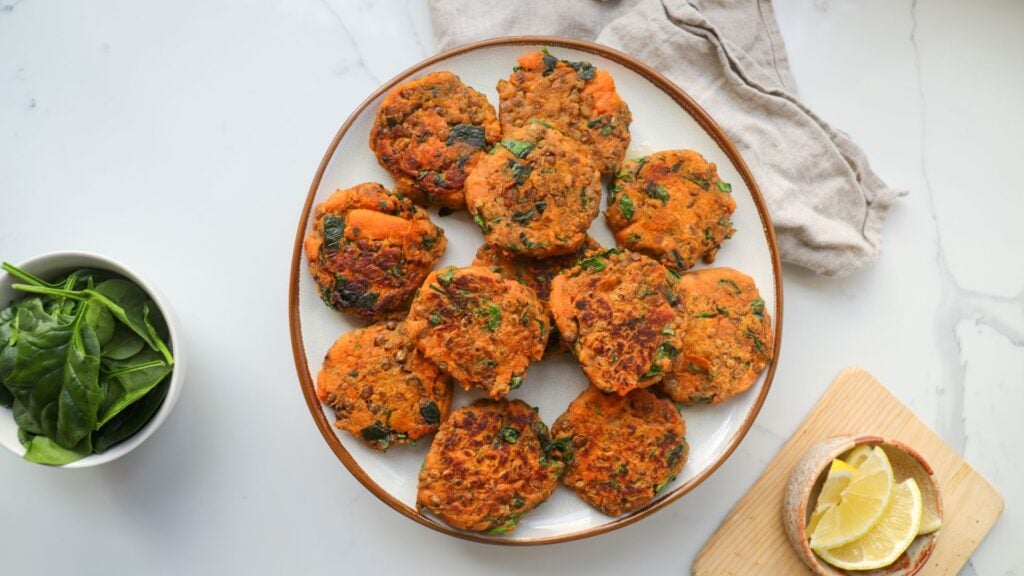
- Lentil and sweet potato patties
- Chicken served with vegetables such as broccoli, capsicum, or tomato
- Tinned tuna on wholegrain crackers with tomato
Foods rich in vitamin C, such as berries, citrus fruit, tomatoes, broccoli and capsicum, can help the body absorb more iron from plant foods. Including these foods alongside iron-rich meals and snacks is a simple way to boost iron intake overall.
If you are concerned about your child’s intake of iron-rich foods, speak to a trusted health professional, such as your Child and Family Health Nurse, GP or see a paediatric Dietitian.