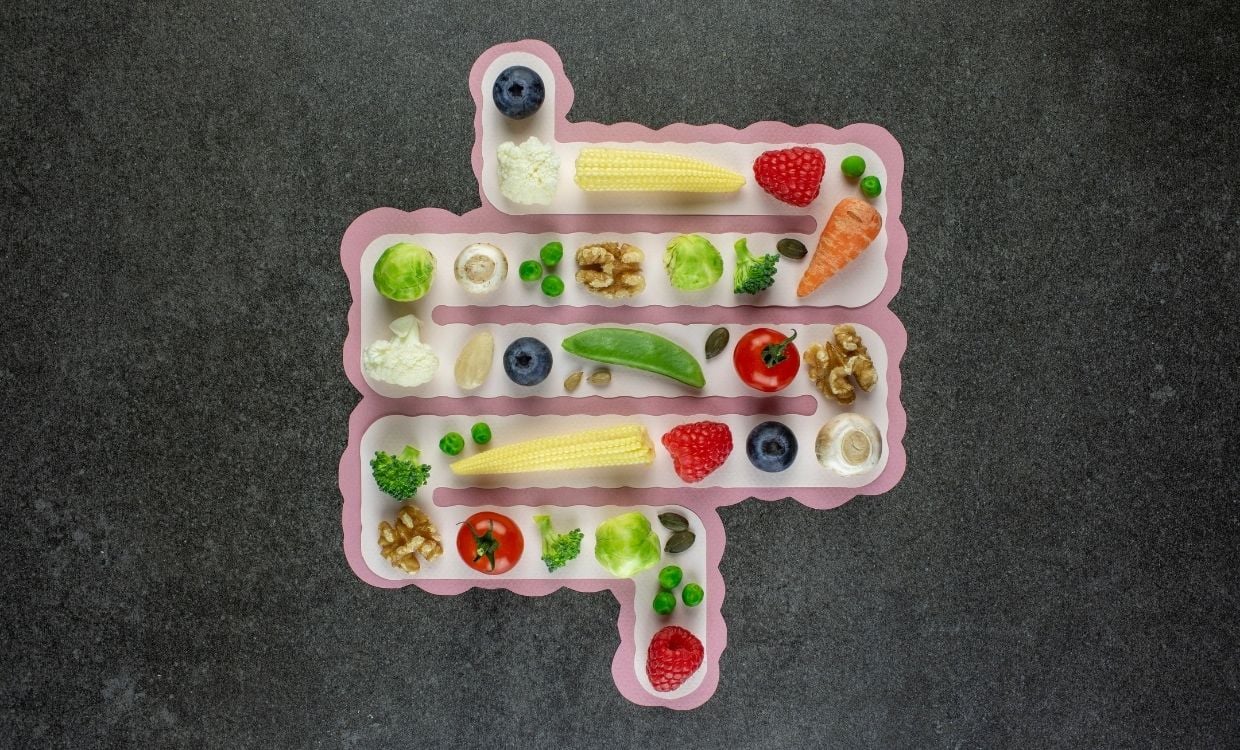
With terms like gut health, gut microbiome, probiotics, prebiotics and ‘leaky gut’ often used interchangeably, it can be confusing to know what they actually mean and how they fit together. A simple way of thinking about it is to imagine your gut as a forest, full of different plants, creatures and tiny ecosystems, all working together to keep things balanced. Your gut is home to trillions of microorganisms, and the greater the diversity of this community, the more resilient it can be.
A healthy gut does much more than digest food. It helps absorb nutrients, supports the immune system and communicates with the brain. The good news is that everyday food choices can help nurture this diverse inner forest. In this article, we’ll explain some common gut health terms, and why they are important to your overall health.

What is the gut?
The gut is another name for the gastrointestinal tract. It includes the:
- Mouth and oesophagus
- Stomach
- Small intestine
- Large intestine
- Rectum
The liver, pancreas and gallbladder also support digestion.
Together, these organs break down food, absorb nutrients and remove waste.
But there is another important community living inside the gut: the gut microbiome.
What is the gut microbiome?
The gut microbiome is the community of trillions of microorganisms living inside the gastrointestinal tract. Most are bacteria.
If we return to the forest analogy, a healthy forest doesn’t just have one type of plant. It has many different species that interact and support the wider ecosystem. The gut works in a similar way.
A diverse microbiome contains many different microorganisms. These microbes interact with the food we eat and produce substances that can affect gut health.
Australian researchers have highlighted how strongly diet and the gut microbiome interact, particularly through dietary fibre and other nutrients that reach the large bowel.1
Why does gut health matter?
The gut has an important role in several areas of health.
The gut and immune system
Around 70–80% of the body’s immune cells are found in the gut.2 The gut microbiome also interacts with the gut lining and helps maintain its protective barrier to stop harmful substances getting into the blood.
The gut and brain
Have you ever noticed butterflies in your stomach when you are nervous?
The gut and brain are in constant two-way communication. This connection is sometimes called the gut-brain axis.
The vagus nerve, which runs from the brainstem down through the neck, chest and abdomen, is one of the pathways involved in this communication. This helps explain why stress can affect digestion, and why digestive discomfort can affect how we feel.
The gut also produces many signalling substances, including serotonin. Most serotonin is made in the gut and is involved in regulating digestion and influencing the gut-brain axis, which helps in mood regulation.
What is a ‘leaky gut’?
The gut lining acts like a careful gatekeeper. It allows nutrients to pass through while helping keep unwanted substances out.
When this barrier is weakened or becomes more permeable, more substances can pass through the gut lining. The term ‘leaky gut‘ is often used to describe this process, although it is not a diagnosis for a single condition.
If you have ongoing bloating, abdominal pain, changes in bowel habits or other digestive symptoms speak with your doctor or an Accredited Practising Dietitian.
What foods feed the gut microbiome?
The answer is variety.
The Australian Dietary Guidelines recommend eating a wide variety of nutritious foods from the 5 food groups.3
In particular, eating a wide variety of plant foods, including vegetables, fruit, seeds, nuts, legumes and whole grains, is beneficial for nourishing the inner forest of our gut.
Why is fibre good for the gut?
Foods high in fibre feed your gut microbes. Fibre comes in two kinds, and we need both.
Soluble fibre dissolves in water and forms a soft gel, which slows digestion and helps control blood sugar levels and cholesterol. You can find it in oats, apples, beans and citrus fruit.
Insoluble fibre does not dissolve. It adds bulk and keeps things moving. You can find it in wholegrains, nuts, and the skins of vegetables. Fibre passes through the digestive system largely undigested and reaches the large intestine, where some types can be used by gut bacteria.
Different fibres feed different microbes. This is why eating a variety of foods matters.
What are prebiotics?
Prebiotics are types of food components that can be used by beneficial gut microorganisms.
Think of them as fertiliser for your forest.
Prebiotic-rich foods include:
- Onions and garlic
- Leeks
- Asparagus
- Oats
- Bananas
- Legumes
You do not need to eat them all at once. Try adding different foods across the week.
What are probiotics?
Probiotics are live microorganisms that, when consumed in adequate amounts, can provide a health benefit.
Think of them as new seedlings joining the forest.
Probiotic food sources can include:
- Yoghurt containing live cultures
- Kefir
- Some fermented vegetables
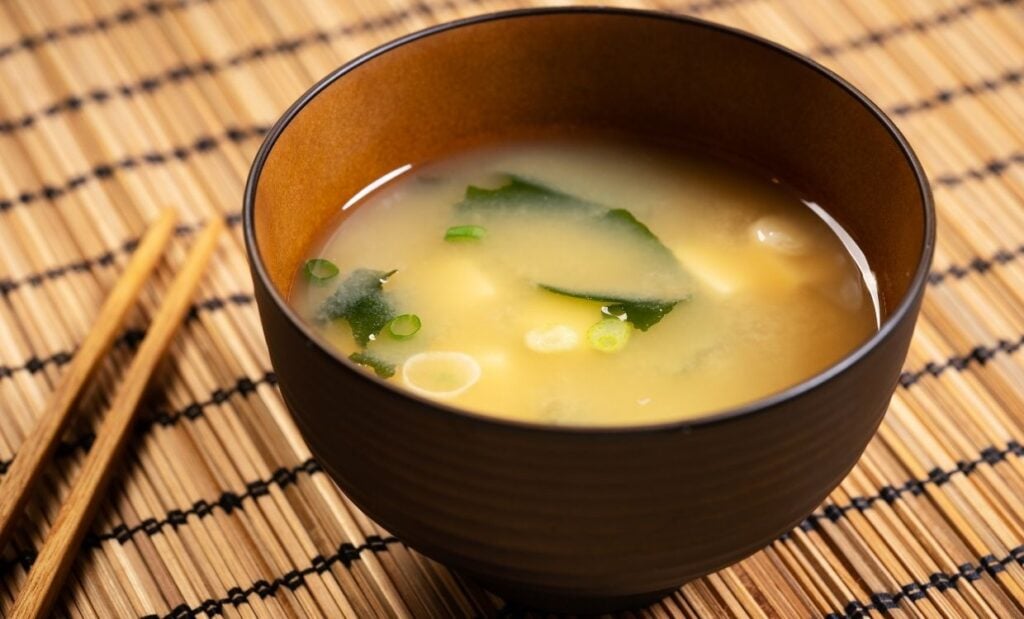
- Miso
- Some fermented drinks
Not every fermented food contains probiotics with proven health benefits, so check the product information when choosing one.
How can you support your gut every day?
You do not need a complicated diet or expensive supplements.
Instead, focus on creating a diverse food landscape filled with fresh or minimally processed foods.
Try to:
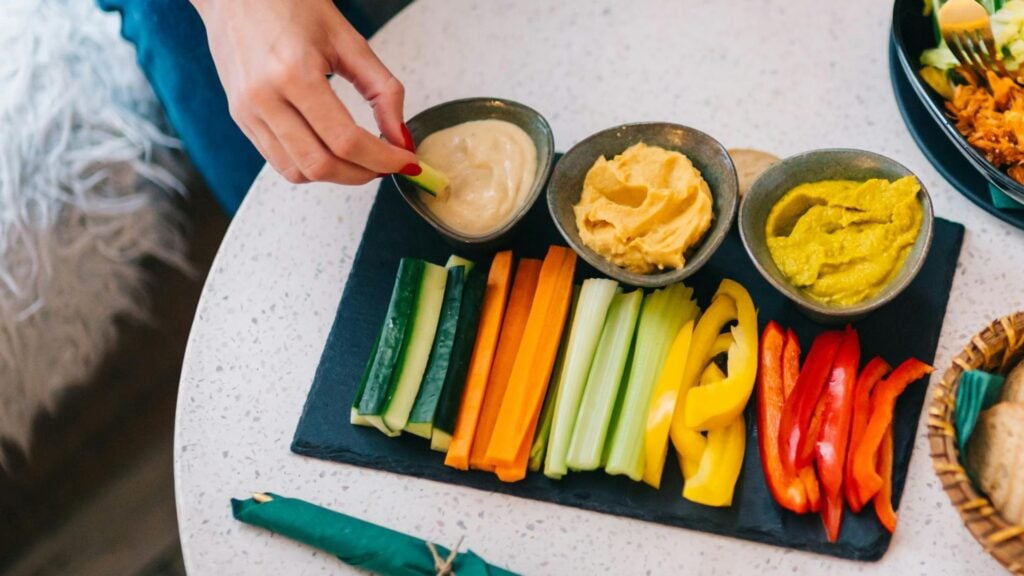
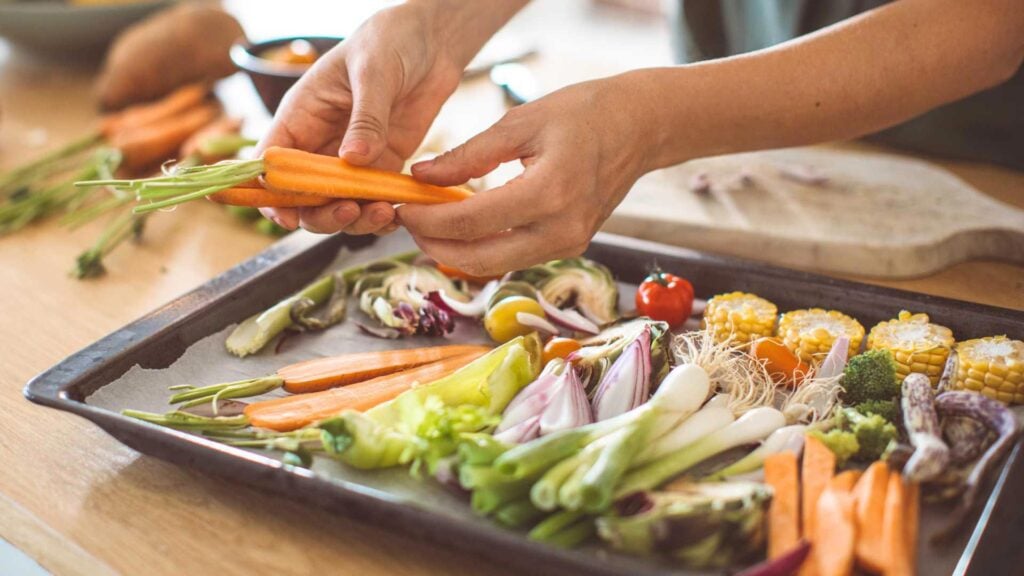
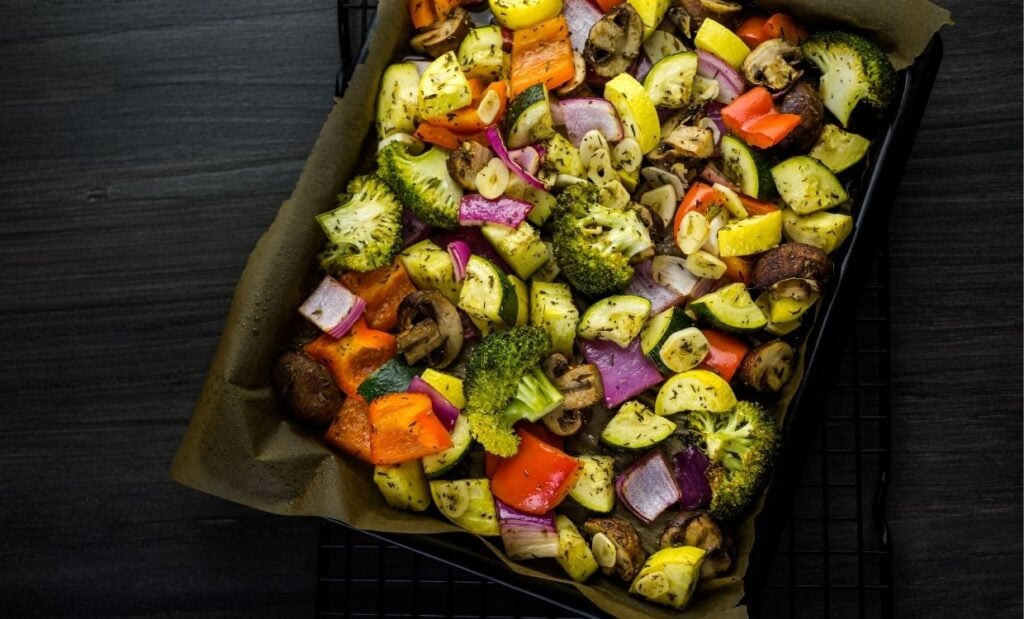
- Eat a variety of colourful vegetables and fruit
- Include legumes and wholegrains regularly
- Add nuts and seeds where appropriate
- Include yoghurt or other suitable fermented foods
- Drink plenty of water
- Get enough good quality sleep
Introduce fibre gradually if your current diet is low in fibre.

Grow a diverse forest
A healthy gut is not about finding one ‘superfood.’ It is about building diversity over time.
Think of your gut as a forest. Different fibres, fruits, vegetables, wholegrains, legumes, nuts, seeds and fermented foods can provide different resources for your microbial community.
The more varied your dietary eating pattern, the more opportunities you give your inner forest to thrive.
Small changes count. Add another vegetable to your plate. Try a different wholegrain. Include some legumes. Choose fruit for a snack.
Feed the forest and let your gut community grow.
Related articles
- What happens to your body when you eat more vegetables?
- Food is the key to a healthy body and mind
- Practical ways to add more veggies into your day
Sources
- Todd E, Elnour R, Simpson R, Castaneda M, Shanahan ER. Munching microbes: diet–microbiome interactions shape gut health and cancer outcomes. Microbiology Australia, 2021. CSIRO Publishing journal article, CSIRO Publishing
- CSIRO. (2021). Improve your gut health with the CSIOR Healthy Gut Diet, Accessed 2 October 2026. https://www.csiro.au/en/research/health-medical/diets/CSIRO-Healthy-Gut-Diet
- Eat for Health. (2026). The five food groups. Accessed 2 October 2026. https://www.eatforhealth.gov.au/food-essentials/five-food-groups