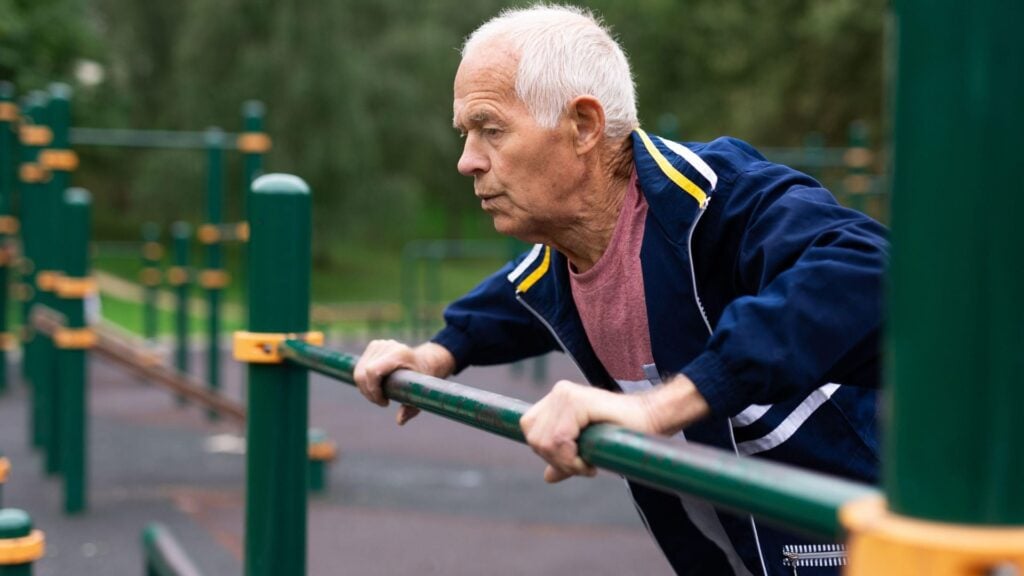
Getting older brings changes. The good news is that there are many ways to support your health and wellbeing as you age.
Whether you are 55, 65, 75 or 85, it is never too late to make a change. Healthy habits can help lower the risk of developing chronic disease, and support people living with conditions such as type 2 diabetes, heart disease and arthritis to maintain physical function, participate in everyday activities and enjoy a better quality of life.
Healthy changes can make a difference later in life
Australian health guidelines recognise that regular physical activity can support physical and mental wellbeing as we age.
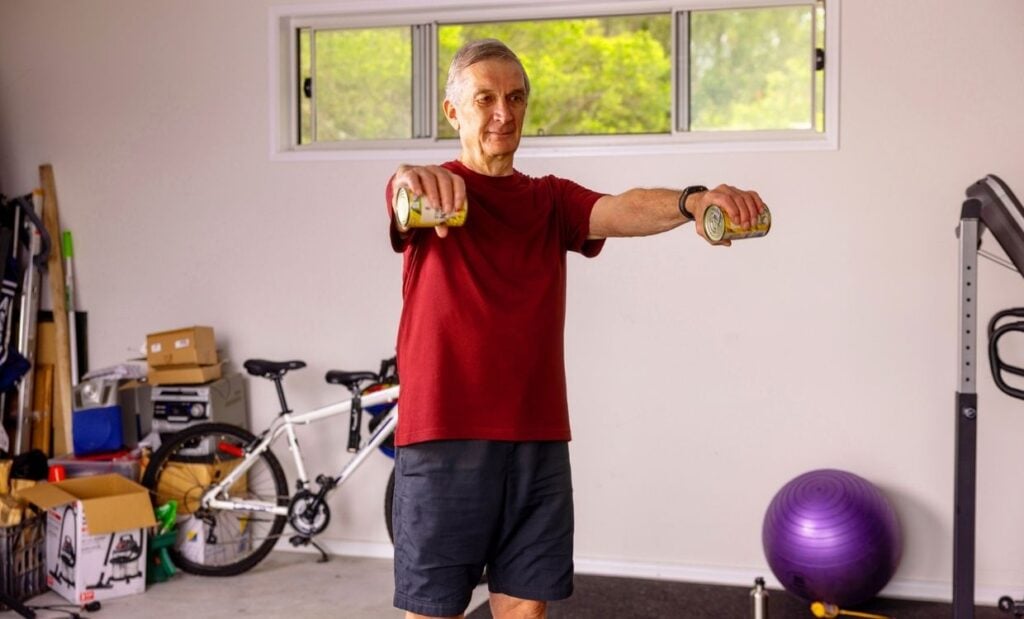
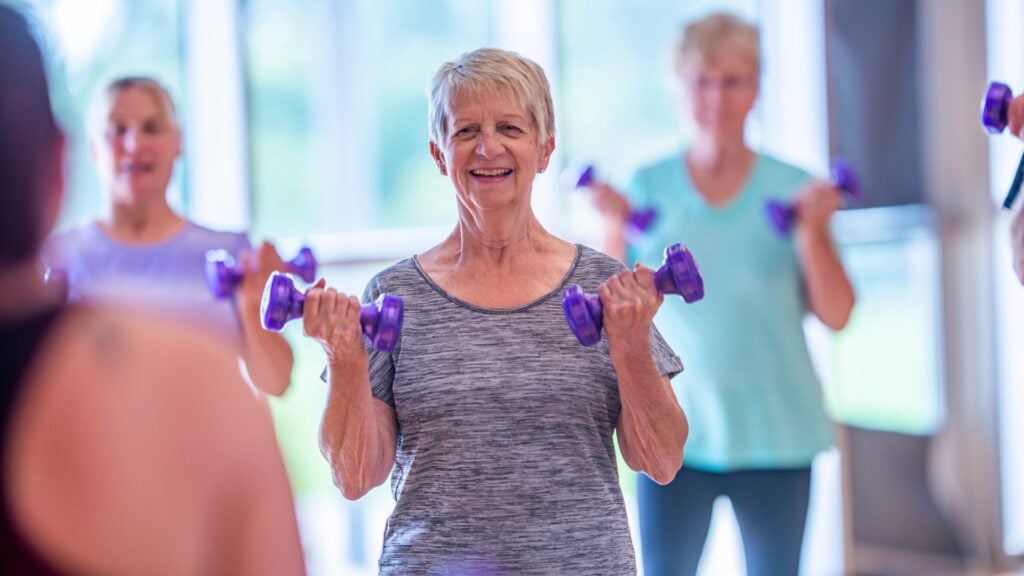
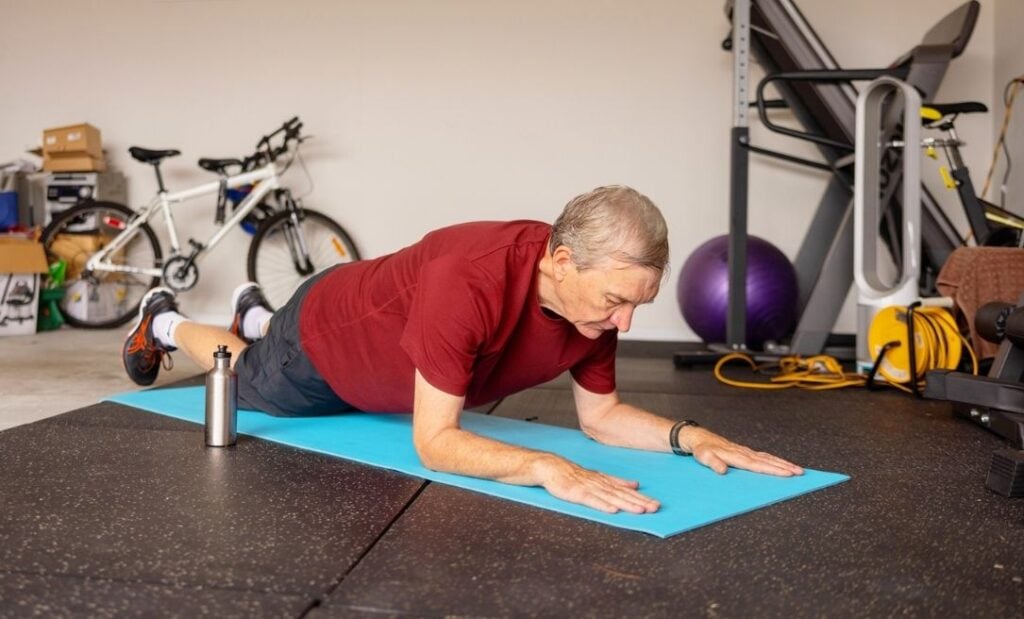
The Australian 24-hour movement guidelines recommend reducing long periods of sitting, getting 30 minutes or more of moderate to vigorous physical activity on most days, and including activities that support strength, balance and mobility.1
Research supports the health advice
Research that brings together findings from many studies shows that physical activity is associated with better health outcomes as we age.
Importantly, these benefits are not limited to people who meet the recommended activity levels. Even lower amounts of physical activity are associated with better health outcomes than being inactive. It’s therefore worthwhile to find ways to move, no matter how much, that suit your abilities, preferences and circumstances.2
A large Australian study of more than 11,000 women found that those who met physical activity guidelines during midlife had better physical health outcomes than those that didn’t. They also had a better quality of life physically later in life.3
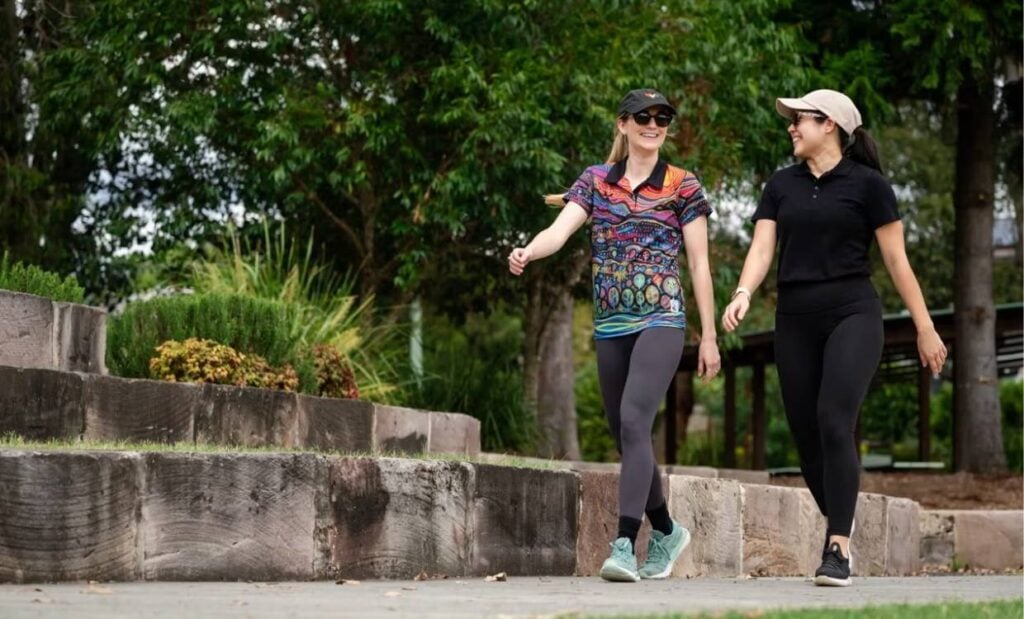
Another Australian study of women in their 50s to 80s found that greater amounts of physical activity were associated with better health-related quality of life, particularly physical functioning and vitality. Even among women who reported walking as their only physical activity, greater amounts of walking were associated with better quality of life, particularly among women in their 70s and 80s.4
Healthy eating and healthy ageing
Eating well can help you feel your best, stay active and support your health and wellbeing as you age.
There’s no single way to eat well. Enjoying a variety of foods and including plenty of nutritious choices can help provide the energy and nutrients your body needs.
A healthy eating pattern includes:
- Plenty of vegetables and fruit
- Wholegrain breads, cereals and grains
- Beans, lentils and other legumes
- Nuts and seeds
- Fish and other healthy protein choices
- Milk, cheese and yoghurt
- Water as the main drink
Research has also found benefits from following a Mediterranean-style diet, which focuses on eating fresh plant foods, healthy fats like olive oil, fish, legumes and wholegrains, while limiting alcohol, red meat and processed foods. A Melbourne study of people aged 70 and over found that closer adherence to this type of eating pattern was associated with greater longevity.5
Small changes can support everyday life
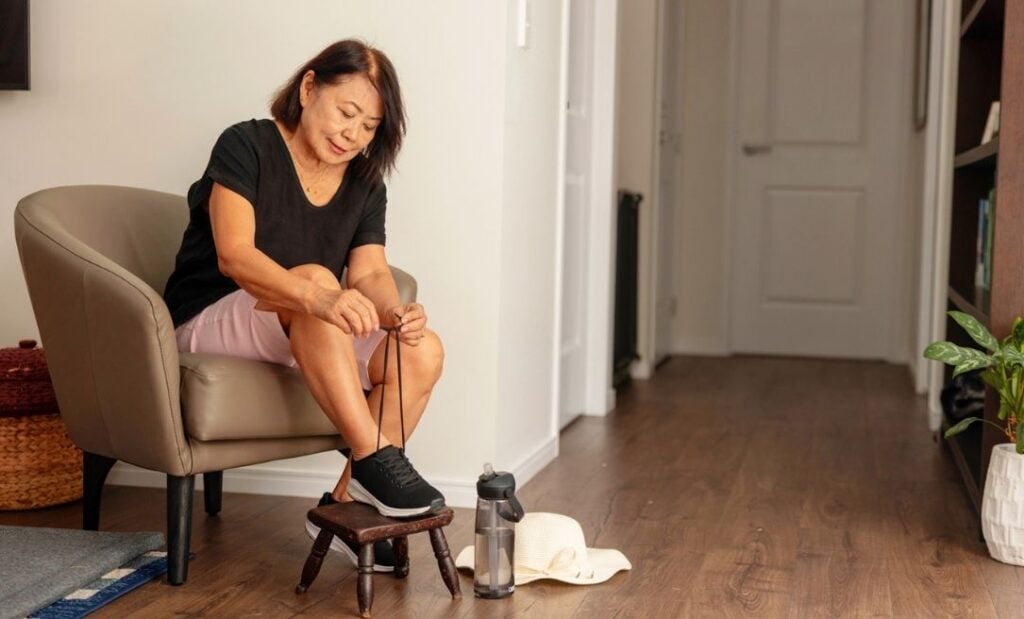
The benefits of physical activity are not only about reducing health risks. Staying active can also support physical function and help you keep doing the things that matter to you.
Being active can support everyday activities such as:
- Walking to the shops
- Climbing stairs
- Carrying groceries
- Getting up from a chair
- Playing with grandchildren
- Gardening or working around the home
- Meeting up with friends
- Feeling more confident about your balance and mobility
Healthy eating and regular physical activity can also support energy, strength and overall wellbeing.
These changes can help protect something that matters greatly as we age: independence.

Good quality sleep is part of healthy ageing
Sleep is not wasted time. It is one of the foundations of healthy ageing, alongside eating nutritious foods and getting regular physical activity.
Good quality sleep gives your body and mind time to recover. It can support mood, concentration, energy and overall wellbeing.
Good sleep can also make healthy choices easier. For example, after a good night’s sleep, you may have more energy to go for a walk, prepare a healthy meal or spend time doing something you enjoy. Poor sleep, on the other hand, can leave you feeling tired and less motivated to be active.
Australia’s 24-hour movement guidelines recommend:
- Adults aged 18–64: aim for 7–9 hours of good quality sleep each night.
- Adults aged 65 and over: aim for 7–8 hours of good quality sleep each night.
Simple habits to improve sleep
- Go to bed and wake up at consistent times
- Make your bedroom comfortable, dark and quiet
- Get some natural light during the day
- Be physically active during the day
- Give yourself time to wind down in the evening, ideally without a screen
If you regularly have trouble sleeping, talk with your doctor. Problems such as ongoing insomnia or sleep apnoea can affect your health and may benefit from appropriate assessment and treatment.

Reward yourself in ways that support your wellbeing
It’s natural to want to reward yourself when you’ve had a healthy day. Consider rewards that bring you enjoyment, relaxation or a sense of achievement.
For example:
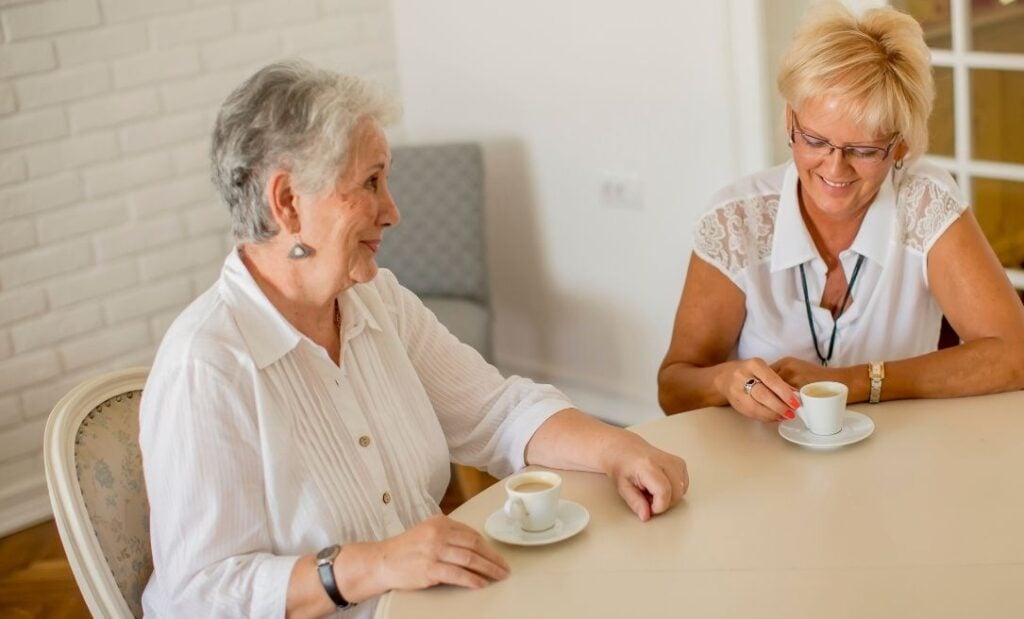
- Enjoy a tea/coffee and conversation with a friend
- Listen to your favourite music
- Spend time in the garden
- Read a book, do a crossword or other brain teaser
- Visit somewhere you enjoy
- Take a gentle walk somewhere scenic
- Celebrate progress with a new hobby or activity
Rest is important, and so is finding opportunities to move throughout the day. Small bouts of movement can be a simple way to break up long periods of sitting and support your health and wellbeing as you age.
It’s never too late to start
Small, manageable changes can add up over time.
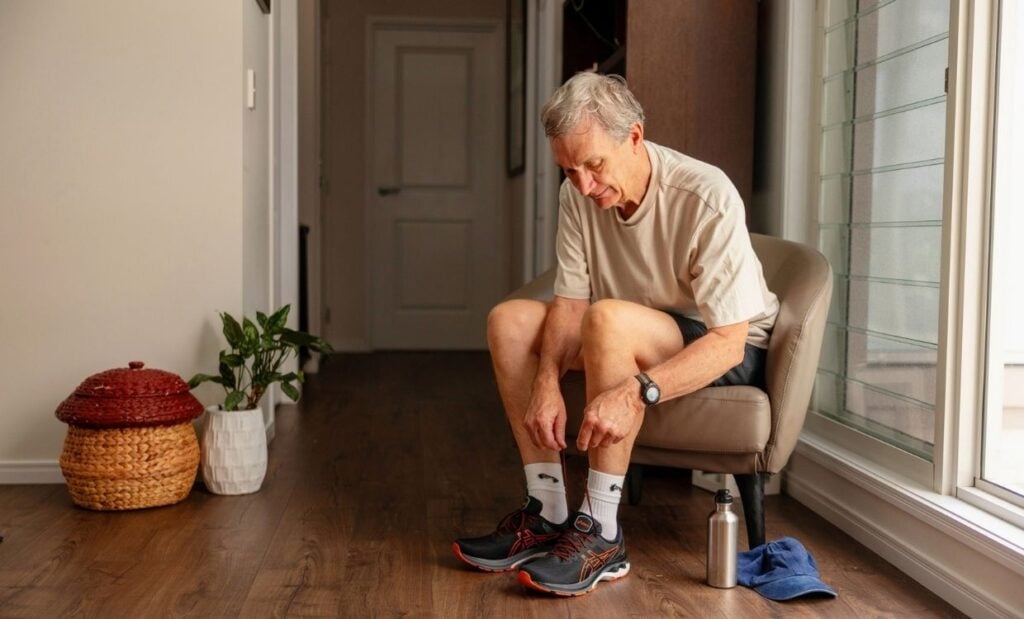
Start with one small step. Walk for 5 or 10 minutes. Add an extra serve of vegetables. Break up long periods of sitting. Choose water more often. Read instead of watching TV before bed. Find what works for you and build gradually from there.
Your age is not a reason to stop trying. It can be a reason to start.
Every healthy choice can be an investment in more energy, greater independence and a better quality of life, today and in the years ahead.
If you have an existing health condition, recent injury, or concerns about physical activity, speak with your GP or an accredited exercise professional for advice on how to get started safely and in a way that suits your needs.
Related articles
- Exercising with chronic pain: finding what works for you
- Aging well into the future: What you need to prioritise now
- Heart health made simple: Easy changes for a stronger heart
References
- Australian Government Department of Health, Disability and Ageing. (2026). 24-hour movement guidelines for all Australians. Updated 28 April 2026. Accessed 11 August 2026. https://www.health.gov.au/topics/physical-activity/24-hour-movement-guidelines-for-all-australians
- Ekelund U, Tarp J, Steene-Johannessen J, Hansen BH, Jefferis B, Fagerland MW, et al. Dose-response associations between accelerometry measured physical activity and sedentary time and all cause mortality: systematic review and harmonised meta-analysis. BMJ. 2019 Aug 21;366:l4570. doi:10.1136/bmj.l4570. Accessed 24 July 2026.
- Nguyen B, Clare P, Mielke GI, Brown WJ, Ding D. Physical activity across midlife and health-related quality of life in Australian women: A target trial emulation using a longitudinal cohort. PLoS Med. 2024 May 2;21(5):e1004384. doi: 10.1371/journal.pmed.1004384. PMID: 38696367; PMCID: PMC11065283.
- Heesch KC, van Uffelen JG, van Gellecum YR, Brown WJ. Dose-response relationships between physical activity, walking and health-related quality of life in mid-age and older women. J Epidemiol Community Health. 2012 Aug;66(8):670-7. doi: 10.1136/jech-2011-200850. Epub 2012 Apr 27. PMID: 22544920.
- Kouris-Blazos A, Gnardellis C, Wahlqvist ML, Trichopoulos D, Lukito W, Trichopoulou A. Are the advantages of the Mediterranean diet transferable to other populations? A cohort study in Melbourne, Australia. Br J Nutr. 1999 Jul;82(1):57-61. doi: 10.1017/s0007114599001129. PMID: 10655957.