
Healthy ageing
Getting older brings changes, but there are many ways older Queenslanders can support their health and wellbeing. Healthy ageing is all about finding what works for you and your body. Whether you want to keep moving, eat a little better, build strength or just feel more like yourself, small changes can make a big difference over time.
Here you’ll find practical tips, easy ideas and free support across Queensland to help you, or someone you care for, stay active, maintain your independence and look after your health.
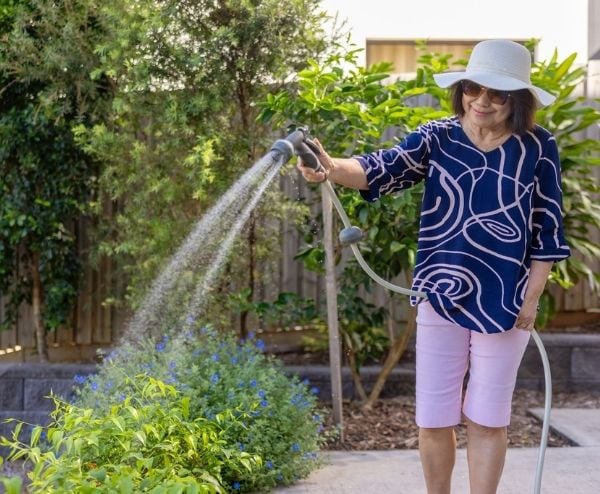
Feel strong, independent and well at every age
Whether you are 55, 65, 75 or older, it is never too late to make a change. Healthy habits can help lower the risk of developing chronic disease, as well as support those living with conditions such as type 2 diabetes, heart disease and arthritis. Small and consistent changes can help you maintain physical function, participate in everyday activities and enjoy a better quality of life.
What do older adults need each day?
Eat
A healthy variety
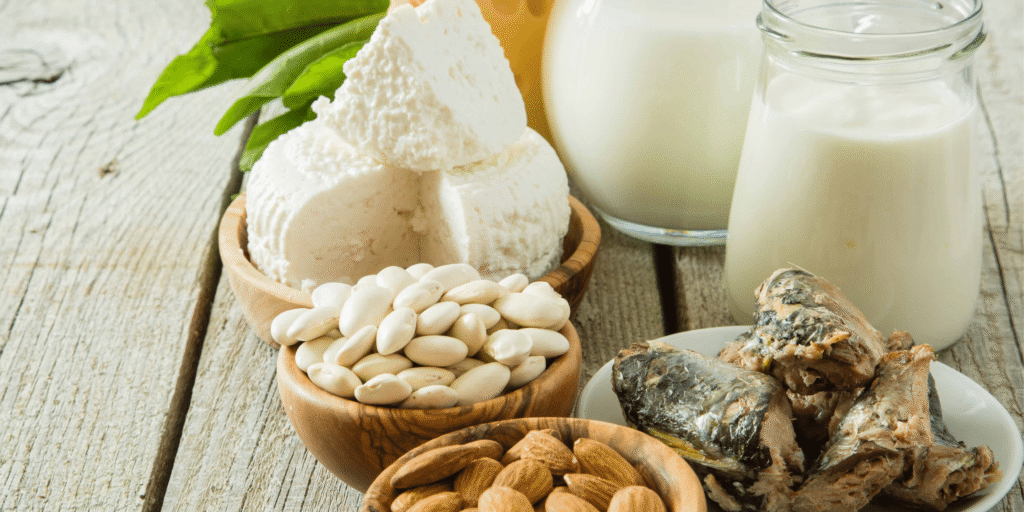
Eat a mix of veggies, fruit, whole grains, dairy, lean meats or legumes. Aim for 3 main meals and 2–3 healthy snacks per day.
Move
30 min/day
Moderate to vigorous physical activity, along with activities that support strength, balance and mobility at least 3 days/week.
EAT
Nutrition for older adults
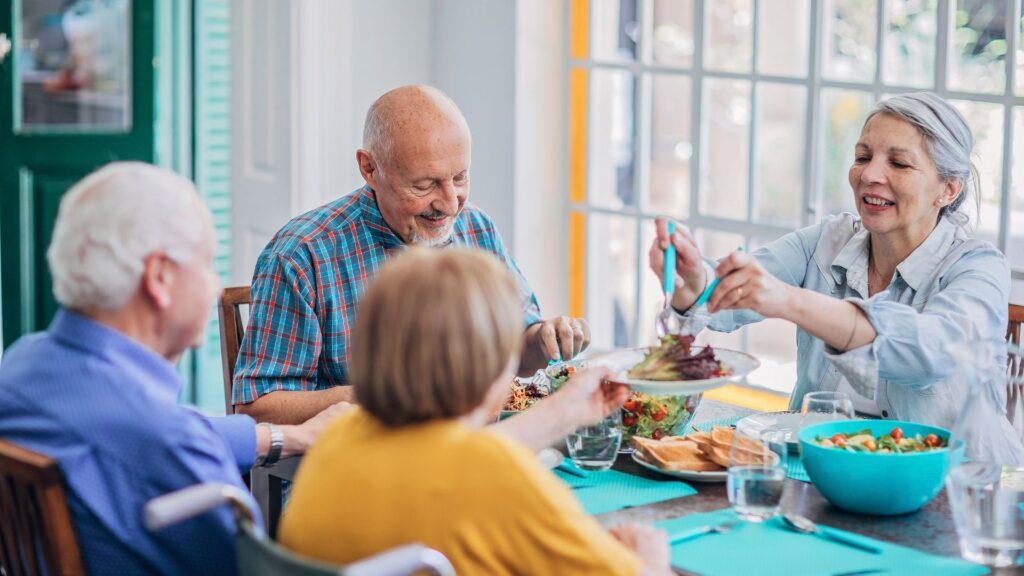
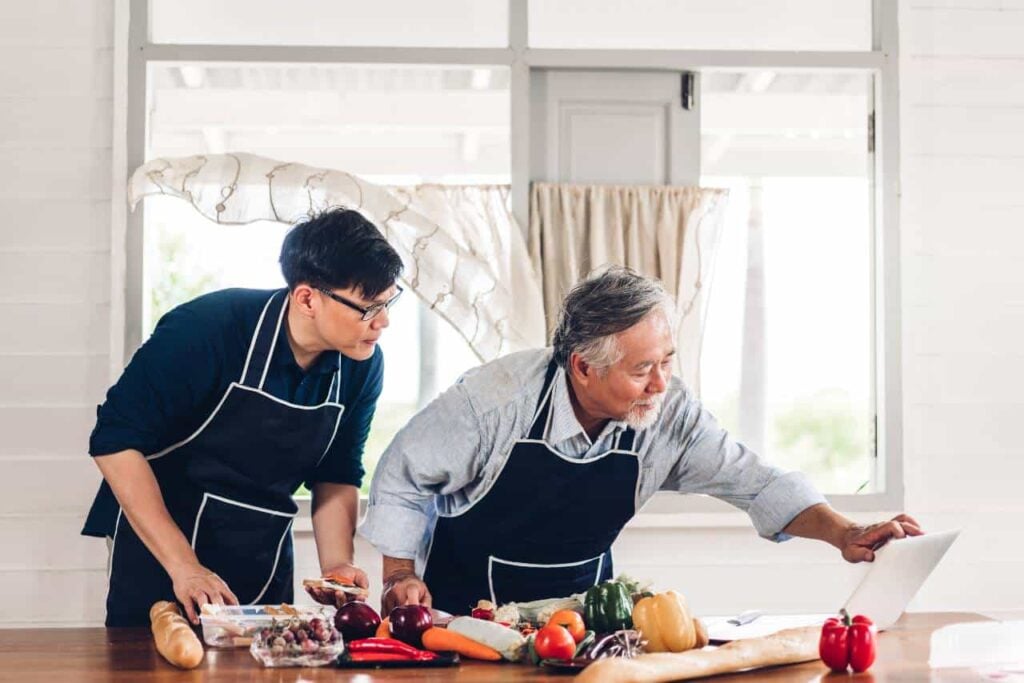
Healthy eating plays a key role in supporting your body as you age, from maintaining muscle and bone strength to preventing chronic disease. Whether your appetite has changed or you’re cooking for one, small adjustments can make a big impact. See our nutrition tips to support energy, strength and long term health.

Recipes
Healthy recipe ideas
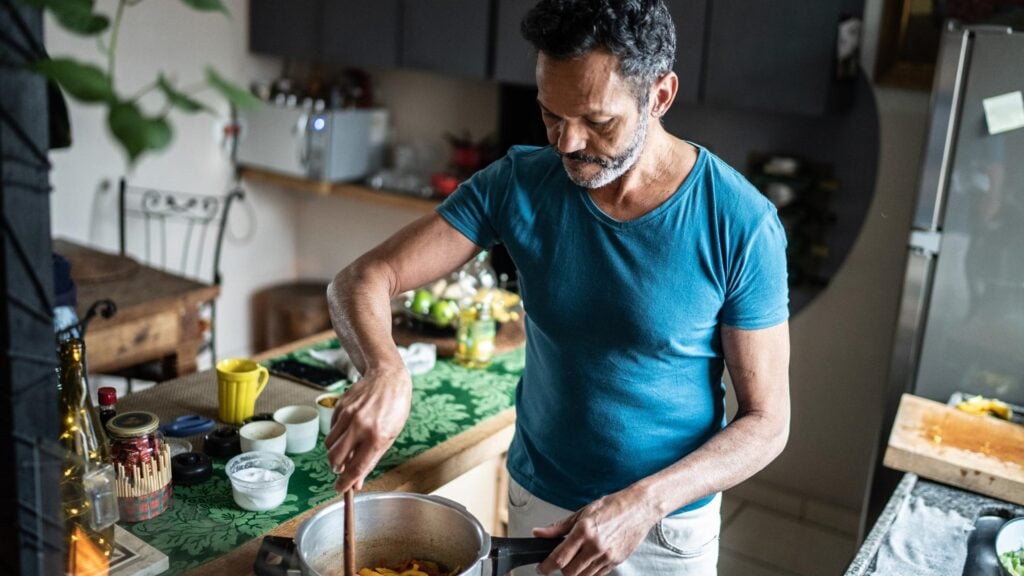
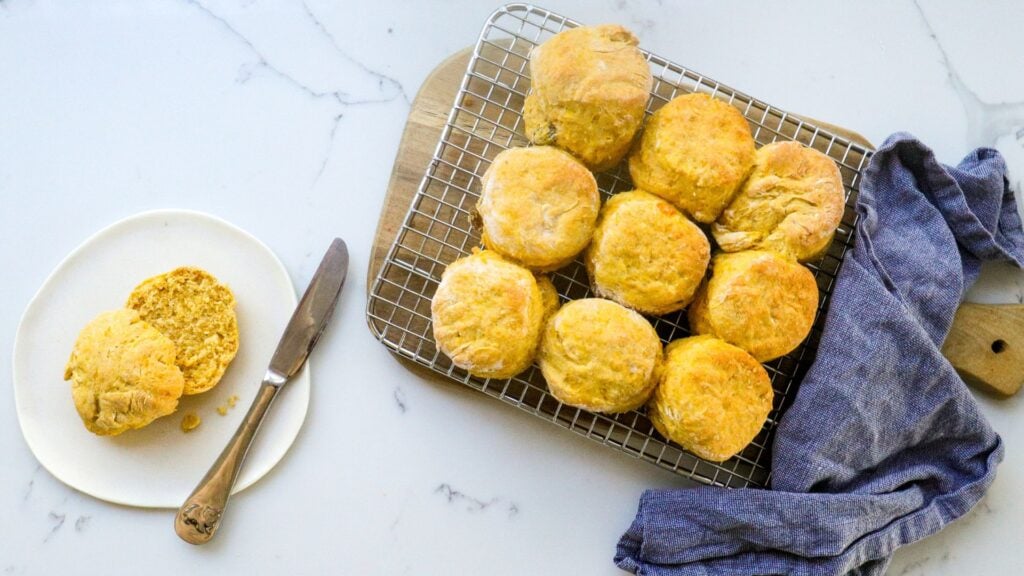
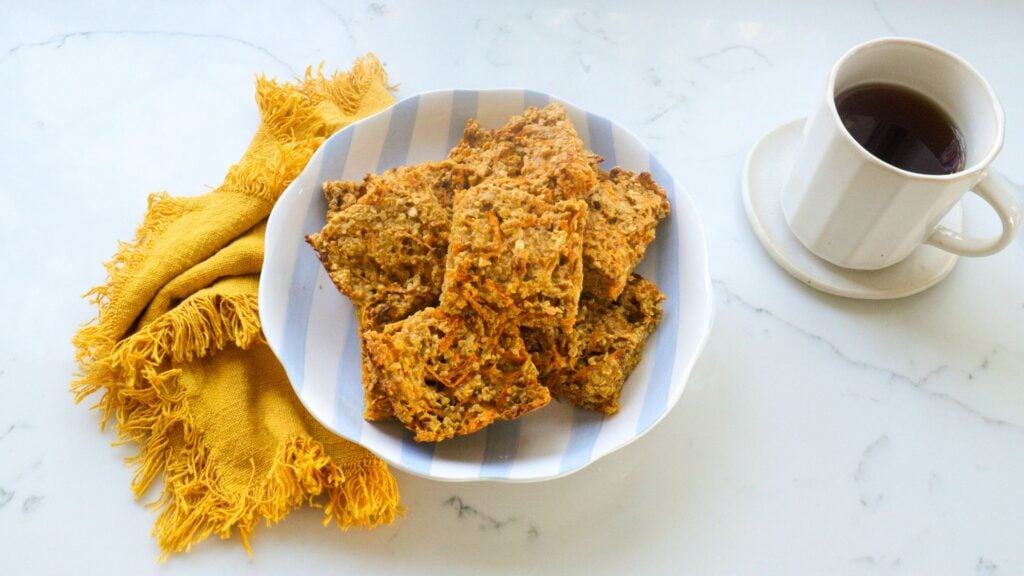
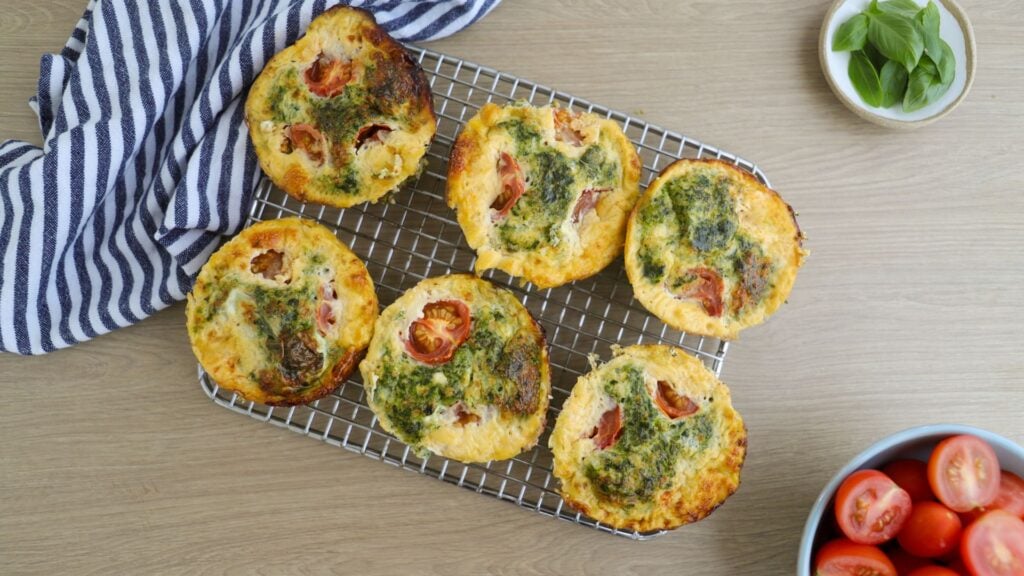
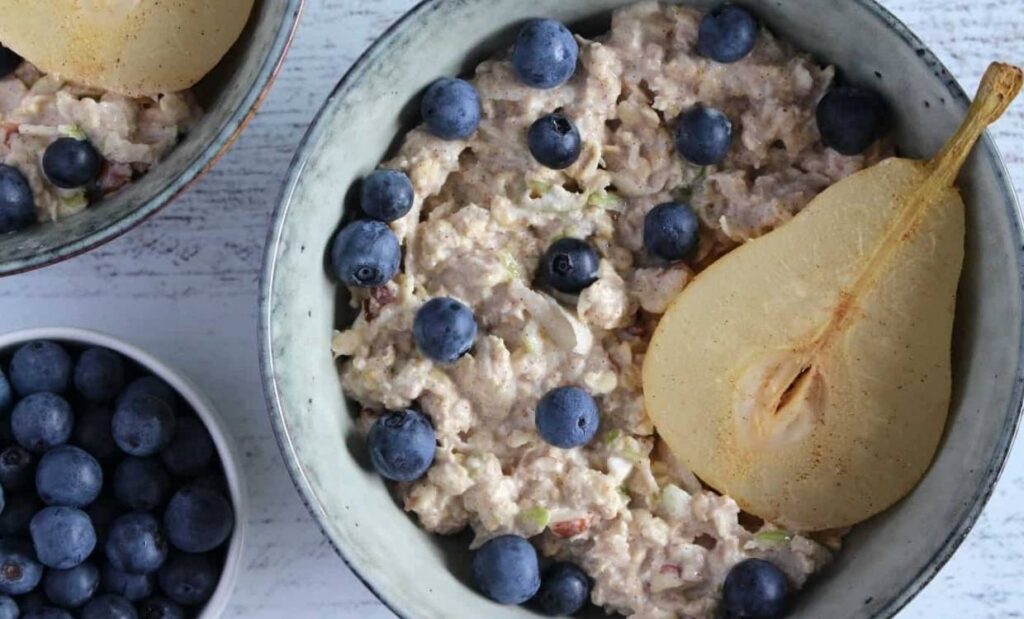
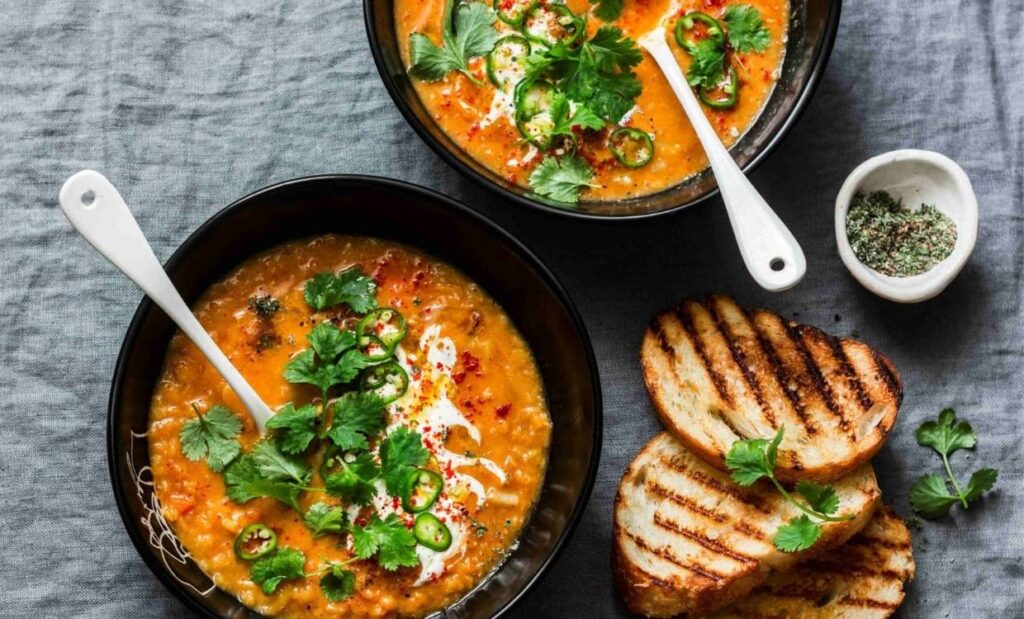
Simple, affordable, nourishing meals and snacks. Eating well doesn’t need to be time consuming or expensive. Explore our simple, nutritious recipes all created and tested by Queensland nutritionists.
Kitchen
Essential cooking skills
Whether you’re cooking for yourself for the first time, or simply never had the chance to learn, these guides are for you. Our step-by-step cooking skills are designed to walk you through essential kitchen techniques at your own pace, from boiling the perfect egg to finely dicing onion and cooking al dente pasta.
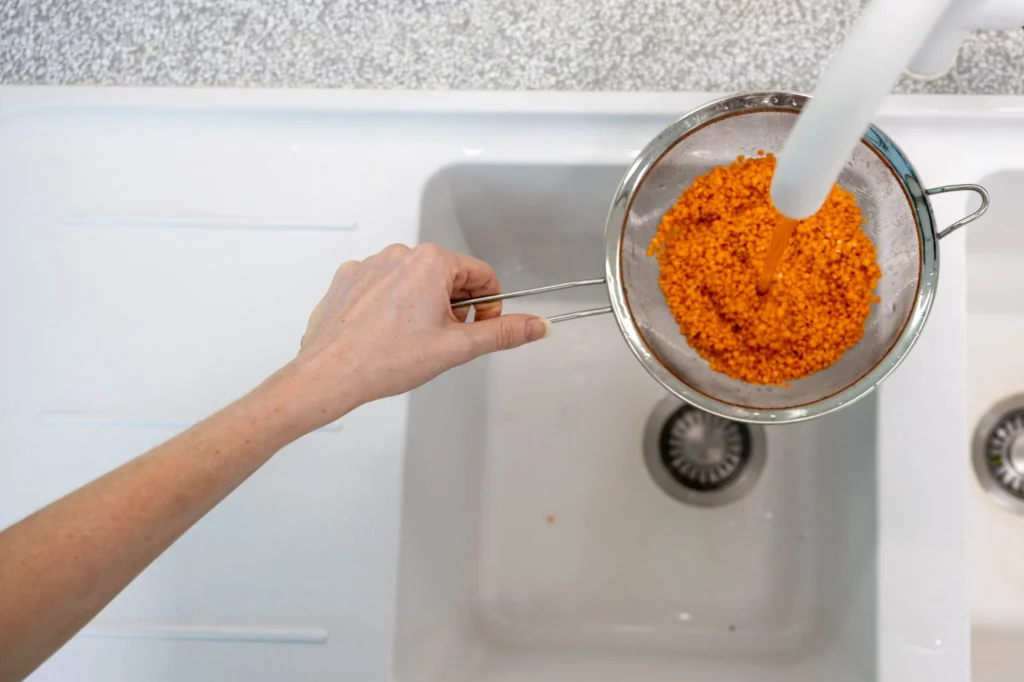
How to cook dried lentils or pulses
Learning how to cook dried lentils or pulses is an easy way to add more plant-based protein and fibre to your meals.
Move
Staying active as you age
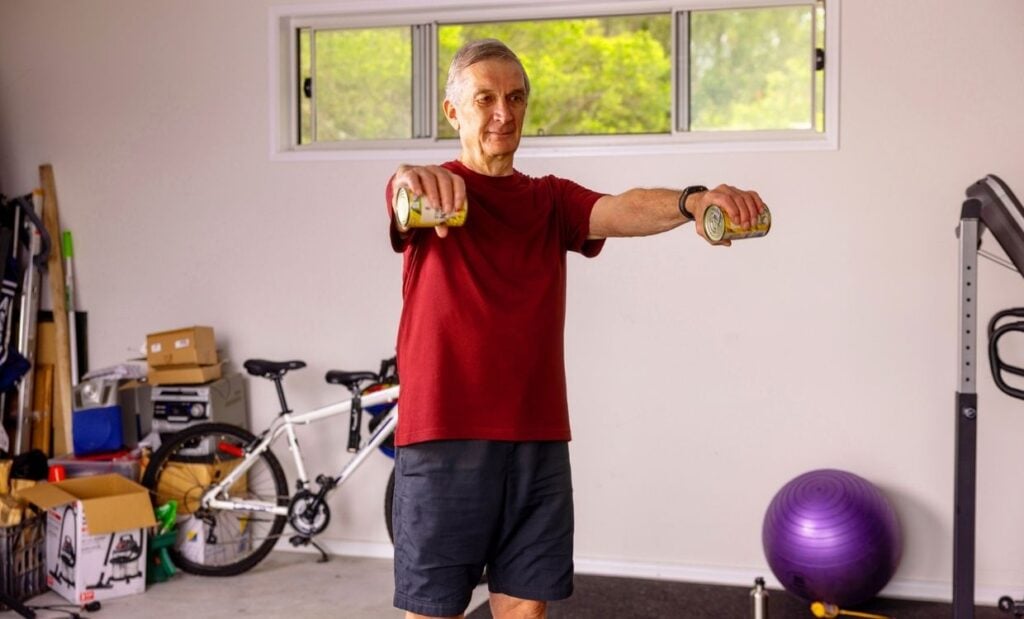
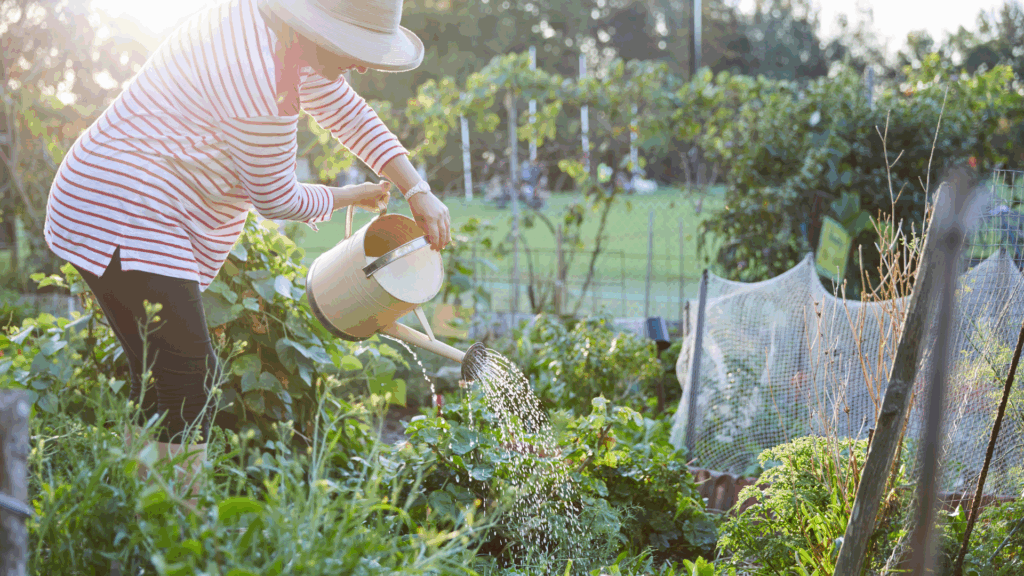
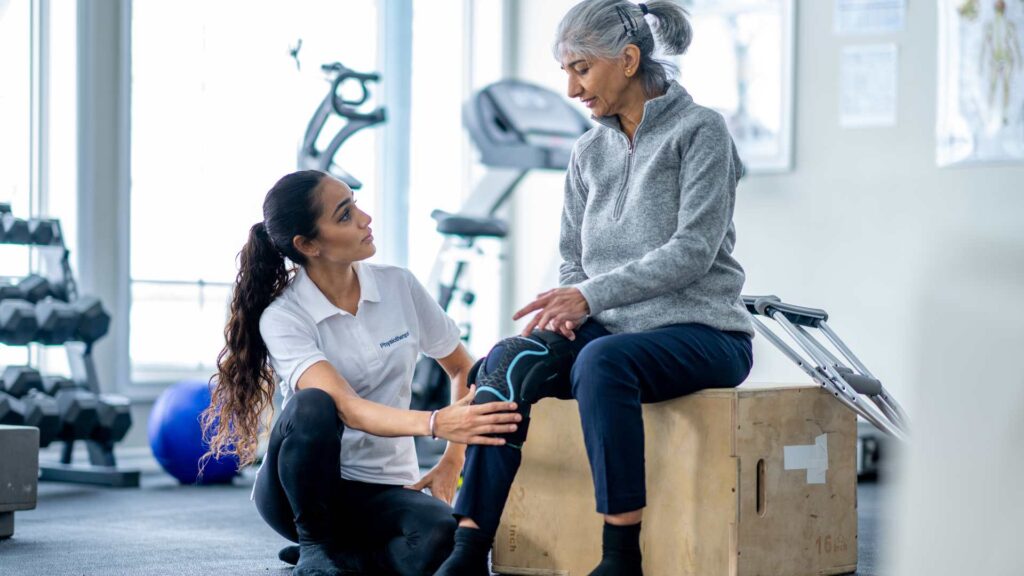
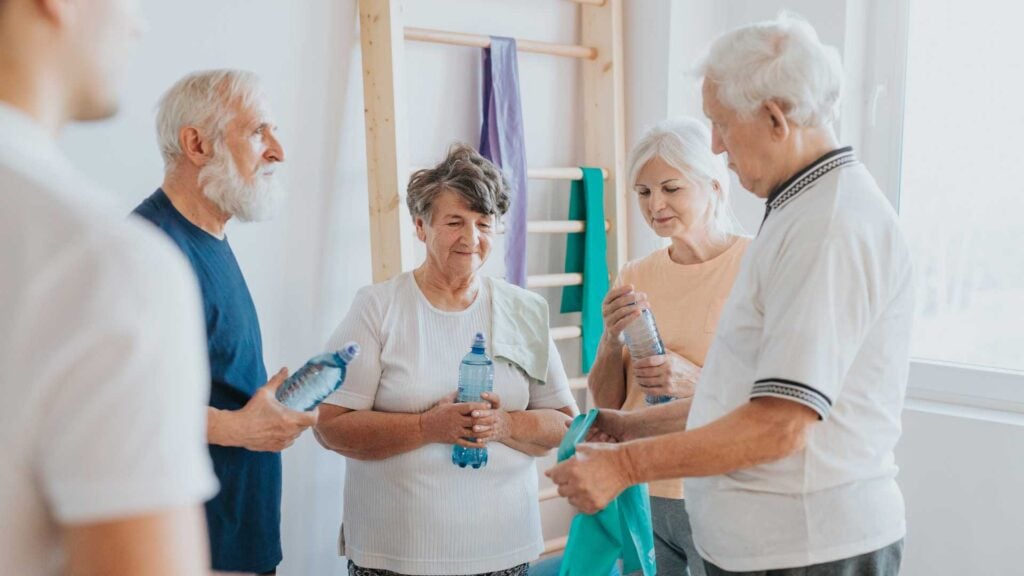
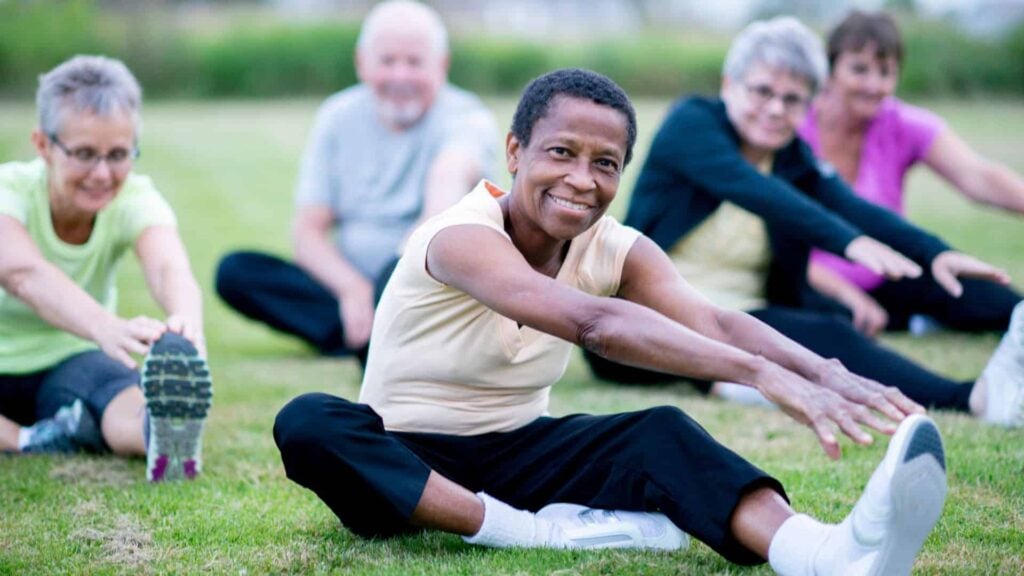
Our bodies benefit from movement at every age. From walking and gardening to stretching, muscle strengthening exercises and everyday activities, every movement counts. Finding activities that you enjoy can help you stay active, support your health, and maintain confidence in daily life.
Workouts
Regular physical activity helps support physical function and energy levels, so you can keep doing things that matter to you. There’s no need for expensive gym memberships or fancy equipment. Check out these free workouts that can be done at home. If you are new to physical activity, start small and gradually build from there. Consistency matters more than intensity!
Exercises
Prevent falls and improve your balance
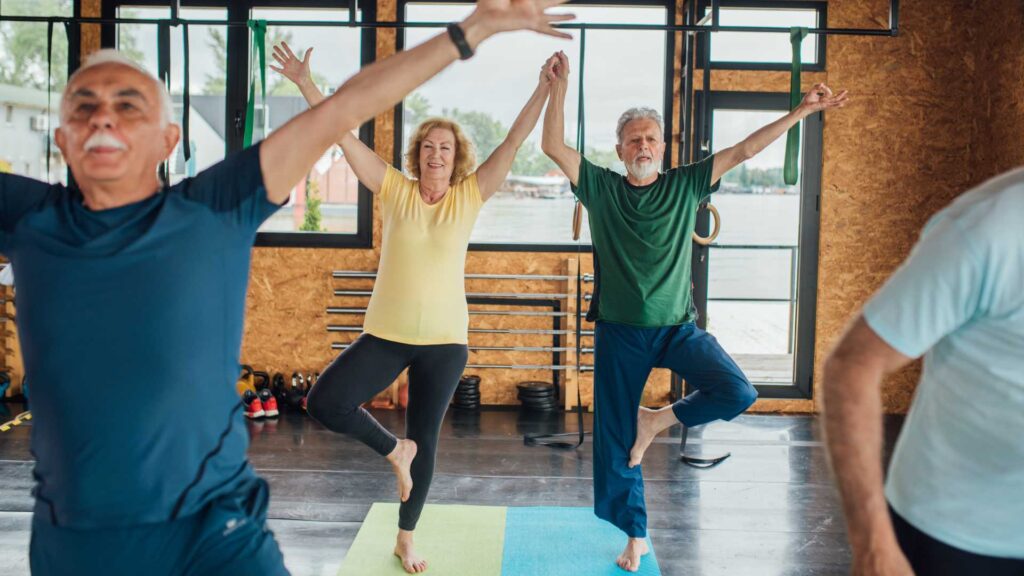
Improving balance, strength and coordination can help you feel confident and more independent in daily life. It can also reduce the risk of falls and support healthy ageing over time. Check out our collection of strength building and balancing exercises. Do them at home to break up periods of sitting or add them into to your existing physical activity routine to keep challenging your body in new ways.
Balance
Heel-to-toe walking
Heel-to-toe walking trains dynamic balance, coordination and walking stability.
Sleep
Healthy sleep habits for older adults
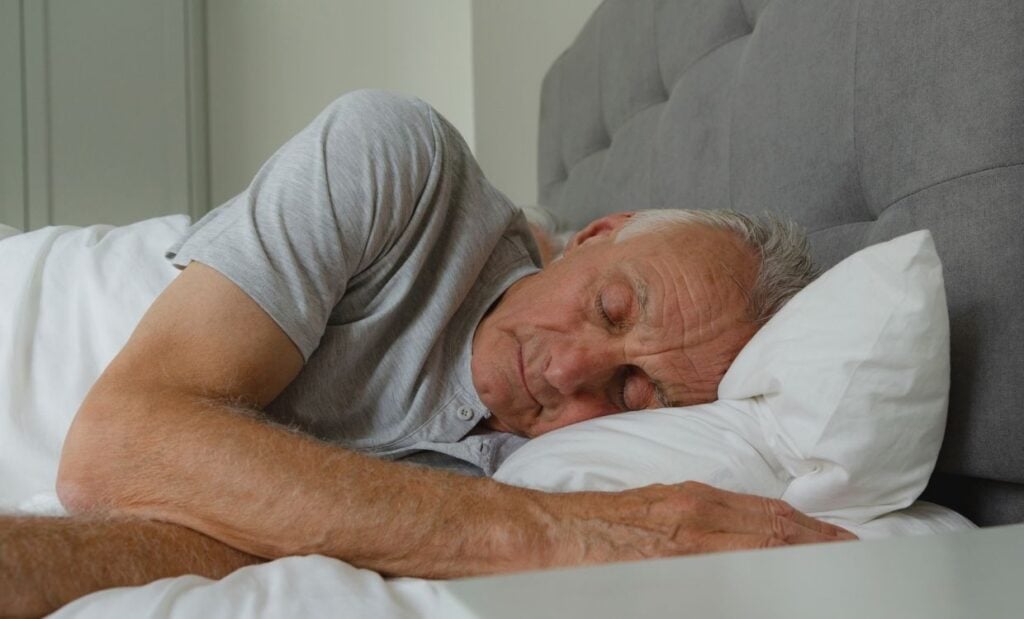
Sleep is one of the foundations of healthy ageing. Sleep supports memory, learning, mood, and overall brain function. Problems with sleep are associated with more challenges with thinking and memory, so addressing sleep issues can be beneficial.
How to support healthy sleep
Wellbeing tips
Healthy ageing is not just about your body. Your mind needs to stay healthy too.
Invest in friendships and relationships
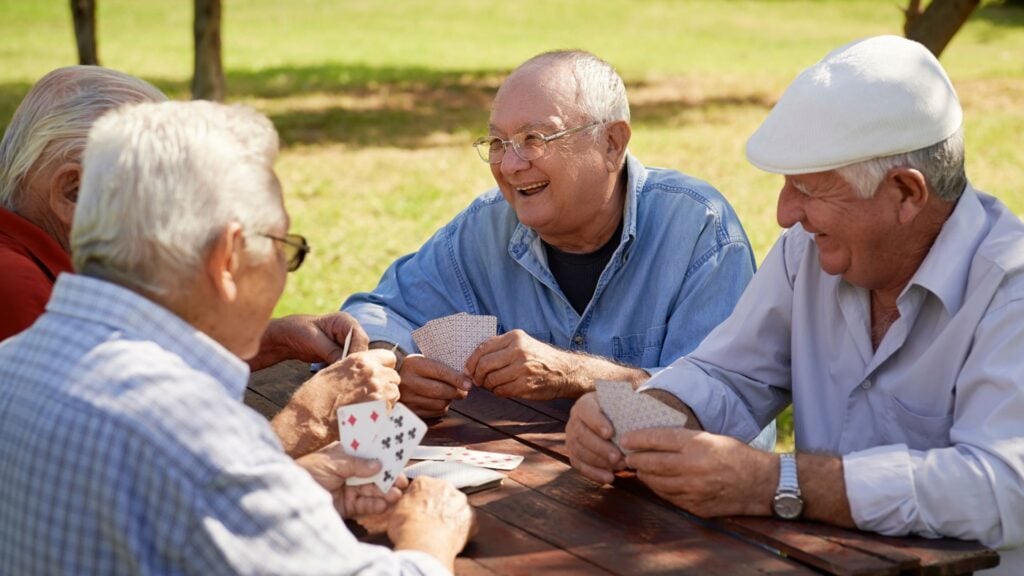
Socialising and connecting with others benefit us in many ways, such as reducing the risk of chronic disease, feeling less lonely or isolated, and improving mental wellbeing.
Keep your mind active
Keeping your brain active and stimulated is also important. Puzzles, crosswords, math problems, and board games can all help stimulate new connections between brain cells and prevent cognitive decline. Learning something new or continuing to cultivate a hobby you love can help keep your brain sharp.
Free and low-cost support
Practical support to build healthy habits and feel your best
Looking for extra support to improve your health and wellbeing? Across Queensland, there are a range of free and low-cost initiatives designed to help you stay active, eat well and reduce your risk of chronic disease. Whether you prefer online tools, group sessions or community-based support, there are options to suit different lifestyles, locations and goals.
10,000 Steps
A statewide, volunteer led community program that aims to improve the cooking skills and nutrition literacy of Queenslanders, particularly those living in regional, rural, and remote areas.
Deadly Choices
A culturally led health promotion program that empowers Aboriginal and Torres Strait Islander people to make healthy choices for themselves, their families, and communities.
My health for life
A free chronic disease prevention program that supports Queensland adults aged 18 and over to take small, practical steps to improve their health and wellbeing to reduce their risk of type 2 diabetes, heart disease, and stroke.
The Queensland Country Women's Association (QCWA) Country Kitchens
A statewide, volunteer led community program that aims to improve the cooking skills and nutrition literacy of Queenslanders, particularly those living in regional, rural, and remote areas.
Subscribe to our newsletter
Support, inspiration and ideas to help you stay healthy and active
"*" indicates required fields