
Research and impact
At Health and Wellbeing Queensland, research plays a vital role in shaping effective prevention initiatives and underpins our work to improve health and wellbeing outcomes for people and communities across Queensland.
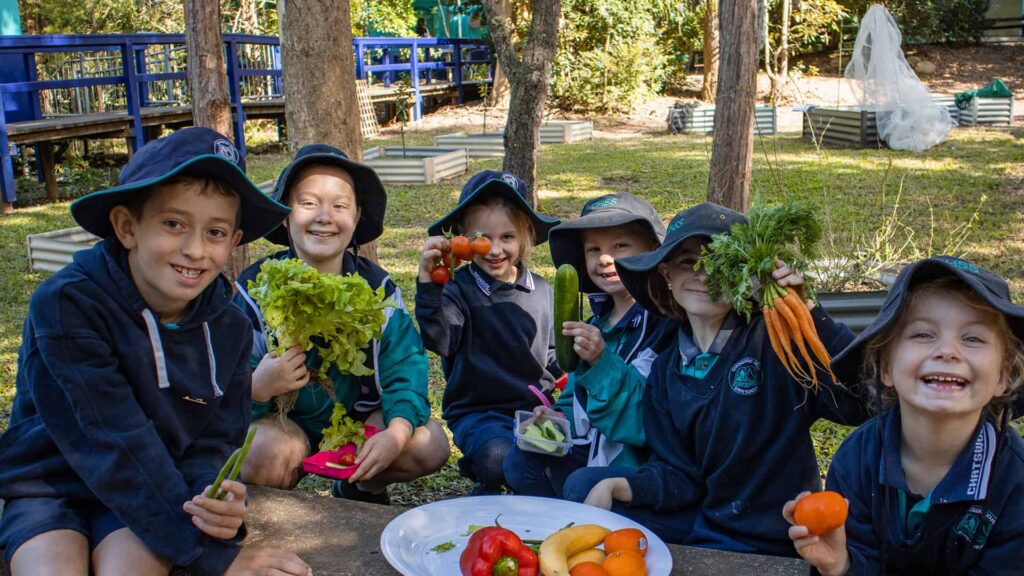
Research publications
Journal publications co-authored with Health and Wellbeing Queensland
Evaluation and impact
We measure change to understand how prevention strengthens healthy communities.
Partnerships
Supporting high quality, impactful research that drives change in Queensland.
Strategy for Evidence-Informed Prevention 2025–2027
Our Strategy for Evidence-Informed Prevention 2025–2027 guides the use of robust evidence to inform policy, practice, and investment that aligns with our agency’s goals.
The Research and Impact team supports the generation, application, and translation of research and evaluation to ensure evidence is consistently used to improve the health and wellbeing of Queenslanders. By building partnerships, enhancing capacity, and embedding a culture of learning, we are committed to driving meaningful, sustainable change.
Vision
To drive innovations informed by research that improve the health and wellbeing of current and future generations.
Purpose
To generate and use evidence-based research as a tool to effect change, enabling all Queenslanders to lead healthier lives.
Priority 1
Evidence and knowledge translation
We will facilitate, generate and use evidence-based research to inform actions and to bridge the gap between evidence and practice to improve health outcomes for Queenslanders.
Priority 2
Build research capacity, capability and resource
We will create a learning-focused environment and organisational culture that builds the capability and confidence to embed evidence across all aspects of prevention.
Priority 3
Create and foster partnerships
We will strengthen and diversify partnerships that drive innovation, improve sustainability, and increase investment in prevention research.
Priority 4
Advance prevention through a learning health system approach
We will integrate data-driven insights, community feedback, and evidence-based practices to create a dynamic system that learns and evolves to meet the health needs of Queenslanders effectively.
What committee provides
Research Advisory Committee
The Health and Wellbeing Queensland (HWQld) Research Advisory Committee was formed in 2022, as an advisory committee, providing independent advice and recommendations to the HWQld Chief Executive Officer on health and wellbeing research priorities, opportunities to inform policy and practice, as well as research partnerships and partnership support activities.
To find out more, email RAC@hw.qld.gov.au
What we do
Research projects
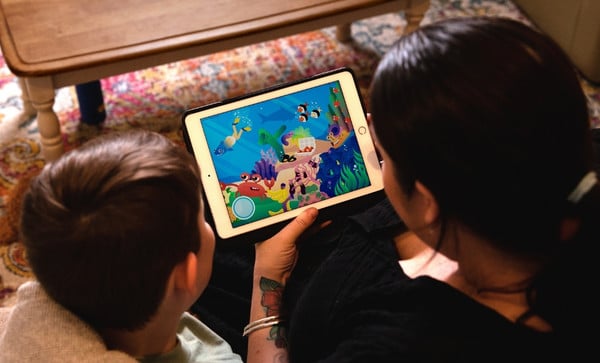
Podsquad
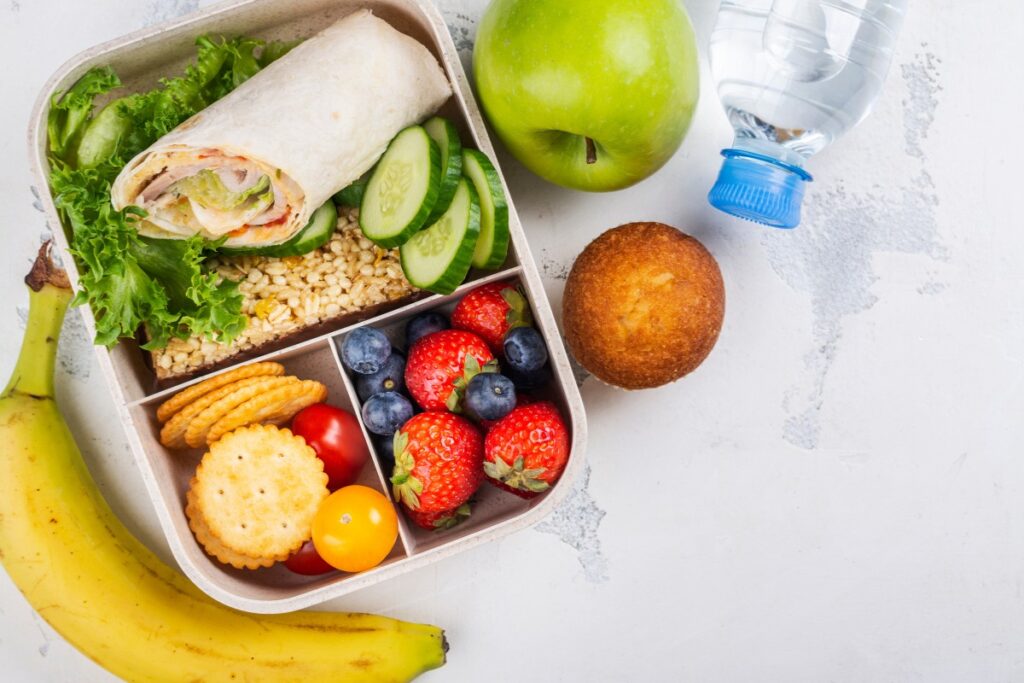
Podsquad is a free app-based health program designed for children aged 5–12 and their families. Using behavioural science and play based learning, it helps families build lasting healthy habits across nutrition, physical activity, and sleep through engaging, reward-driven activities both online and in everyday life.
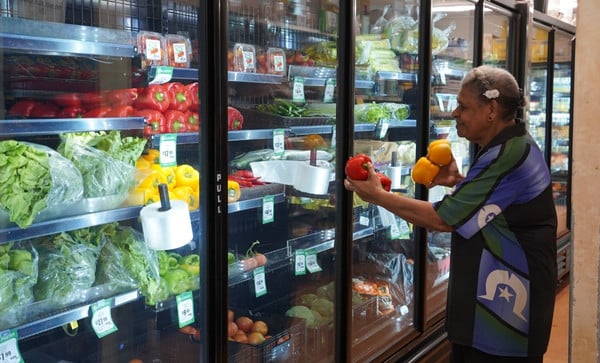
Gather + Grow
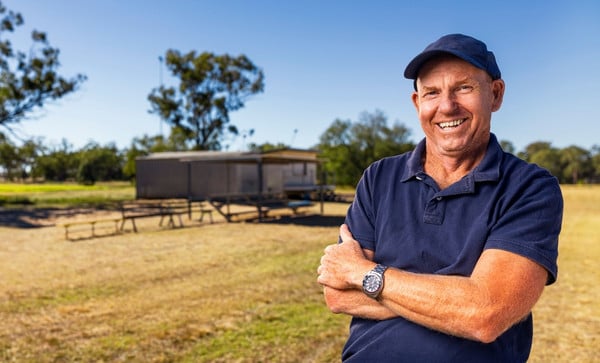
A food security program supporting Aboriginal and Torres Strait Islander communities in the Torres Strait, Cape York, and Lower Gulf regions of Queensland. The program focuses on improving access to fresh, nutritious food in remote areas to address food insecurity and support community health and wellbeing.
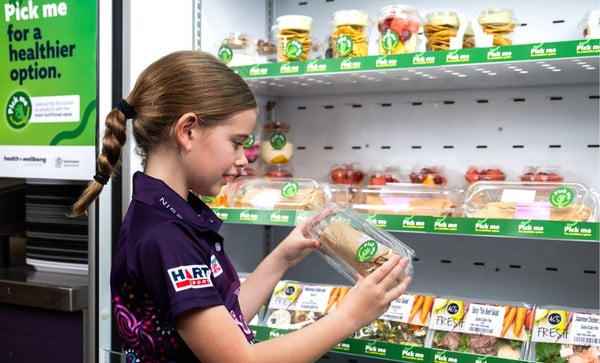
A Better Choice
A public health program working with food retailers and community venues to make healthier food and drink options more accessible outside the home. The program uses a food categorisation system to guide healthier choices and supports the creation of healthier food environments across Queensland communities.
Logan Healthy Living
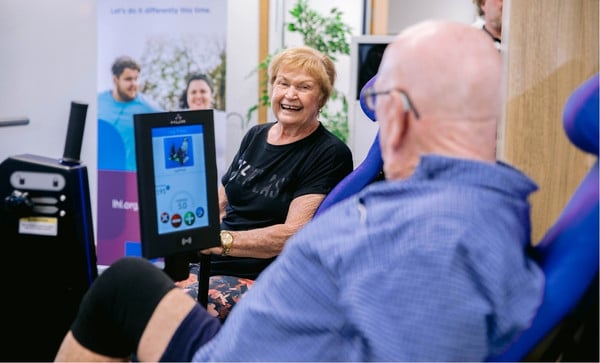
An integrated health model based in the Logan region of Queensland, designed to prevent chronic disease. By connecting specialist services, general practitioners, and community organisations, it offers a collaborative, place based approach to improving health outcomes for the local community.
External journal publications
Journal publications co-authored with Health and Wellbeing Queensland
Publications
Nutrition
This study aimed to evaluate the implementation and impact of the ‘Pick of the Crop’ (POTC) program. POTC is a whole-school nutrition program aimed at increasing opportunities for primary school students in Queensland to learn about and eat more vegetables and fruit (VF). This study demonstrates POTC as an acceptable and feasible model with potential […]
Understanding the determinants associated with sustainability of school-based nutrition program, such as Pick of the Crop, is crucial to maximise output from funding, whilst allowing sufficient time for program benefits to be achieved. This study suggests that relationships across government departments, local organisations and communities, need to be nurtured and prioritised from the outset to sustain […]
In this invited guest editorial, Dr Robyn Littlewood emphasised the importance of embedding an equity lens into dietetics practice and to advocate for systems that scale services proportionally according to need, ensuring no one is left behind. This approach goes further than traditional tailored care, offering comprehensive and systemic support for each person. While we […]
Publications
Physical activity
This qualitative evaluation aimed to understand how the Healthy Conversations @ Playgroup program was experienced by parents, playgroup coordinators and peer facilitators. The program was valued by parents, providing validation and normalisation of parenting practices and fostering a shared experience of parenting, with Playgroups a convenient setting for families to attend.
This paper described the development of validated “fit-for-purpose” rapid assessment tools (MBQ-B and MBQ-C) to measure 24-hour movement behaviours in children aged 0–5 years. The validation study shows that both the open- and closed-ended versions of the MBQ are valid and reliable rapid assessment tools suitable for research conducted for policy and practice purposes, including […]
Publications
Overweight (including obesity)
This study aimed to determine the unmet clinical resource needs of multidisciplinary primary healthcare practitioners (PHPs) to overcome evidence‐based barriers to preventing and managing childhood obesity, followed by co‐designing precision solutions. A prototype that targets the pervasive barrier of initiating a conversation about weight and healthy growth was developed – the BRAVE (Build relationships, Raise respectfully, Ask […]
This narrative review examined the evidence and continuing role of strategies for the primary prevention and treatment of obesity, in the context of effective obesity pharmacotherapies. Pharmacotherapies are powerful treatment agents for clinical obesity but must consider nutritional and metabolic risks of use and discontinuation.
This rapid review summarised the impact of family-based digital interventions for obesity prevention and treatment in children, with a specific focus on diet, physical activity, sedentary behaviour, sleep, and weight-related outcomes in primary school-aged children. The findings were used to inform the development of Podsquad.
Publications
Prevention
This research explored community perceptions of an adolescent social and emotional wellbeing program. Yarning circles allowed adolescents, parent/guardians, community leaders, Elders and health service staff to share their perceptions of the program. The program was highly valued among participants, providing an example of how adolescent social and emotional wellbeing can be done well in the […]
This narrative review examined the evidence and continuing role of strategies for the primary prevention and treatment of obesity, in the context of effective obesity pharmacotherapies. Pharmacotherapies are powerful treatment agents for clinical obesity but must consider nutritional and metabolic risks of use and discontinuation.
This protocol paper describes the establishment of Logan Healthy Living – an 8-week, group-based lifestyle management program that includes 1 hour of education and 1 hour of supervised, individually tailored exercise each week, and outlines the evaluation protocol for the service’s type 2 diabetes lifestyle management program.
This opinion piece described a break–fix model versus a person-centred predict–prevent model in the context of preventative health. Canfell et. al. proposed three horizons for digital health transformation of population health towards precision prevention of chronic disease, demonstrating childhood obesity as a use case.
Publications
Health services
In this paper, the authorship team led by Dr Robyn Littlewood aimed to describe the development and integration of a Children’s Health Service and System Research (HSSR) Strategy in Children’s Health Queensland. This was the first known paediatric HSSR strategy developed and integrated within a large dedicated paediatric health system. Findings will guide global paediatric […]
This protocol paper describes the establishment of Logan Healthy Living – an 8-week, group-based lifestyle management program that includes 1 hour of education and 1 hour of supervised, individually tailored exercise each week, and outlines the evaluation protocol for the service’s type 2 diabetes lifestyle management program.