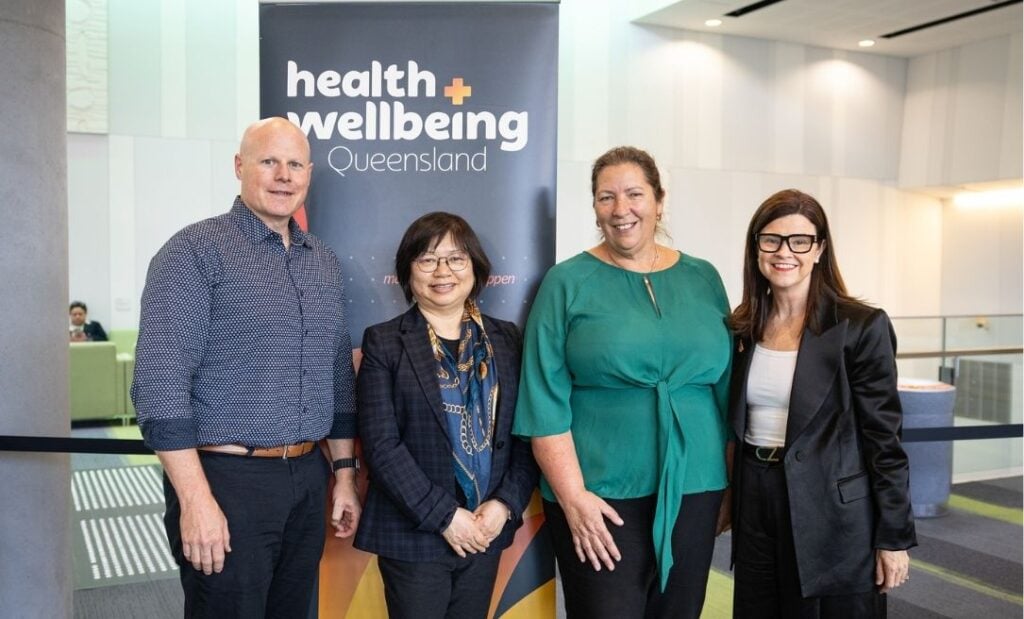
Established in 2019 as the state’s dedicated prevention agency, Health and Wellbeing Queensland delivers high impact programs and initiatives, easing pressure on the health system and creating a legacy ofa healthier Queensland.
What we know
Investing in prevention is good economics
Prevention is a solution for today. Chronic disease rates are increasing, contributing to the need for hospital admissions in Queensland.1 The number of chronic conditions per person is also increasing; if left unchecked, costs will continue to increase. The good news is almost 40% of the disease burden in Australia could be avoided or reduced through prevention.2
Queensland adults live with overweight or obesity3
0 in 3
predicted cost of obesity to Australian economy within 40 years4
$200b
of all deaths are caused by chronic disease5
0%
of awarded grants by Health and Wellbeing Queensland5
$47m
What we do
Innovative models of care
Health and Wellbeing Queensland have embedded initiatives in every region from the Torres and Cape to the Gold Coast.From health education and health checks to programs supporting healthy behaviours, Health and Wellbeing Queensland have seen a big impact through our innovative pilots and program partners, delivering real health impact for Queenslanders.
An Australian physical activity program that uses step tracking technology to encourage everyday movement. Delivered digitally via app, it supports individuals, workplaces, and community groups with personalised goal setting, progress monitoring, and social challenges to build sustainable active habits.
A Better Choice
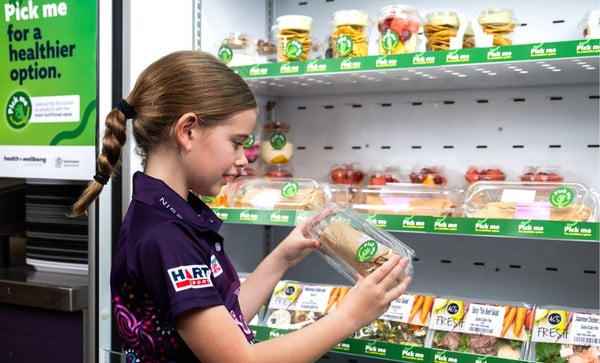
A public health program working with food retailers and community venues to make healthier food and drink options more accessible outside the home. The program uses a food categorisation system to guide healthier choices and supports the creation of healthier food environments across Queensland communities.
Deadly Choices
A free health and wellbeing service for people in South West Queensland’s Maranoa community. Through a personalised health check and telephone coaching, participants are connected with tailored local programs and support services to help them achieve their individual health goals.
Gather + Grow
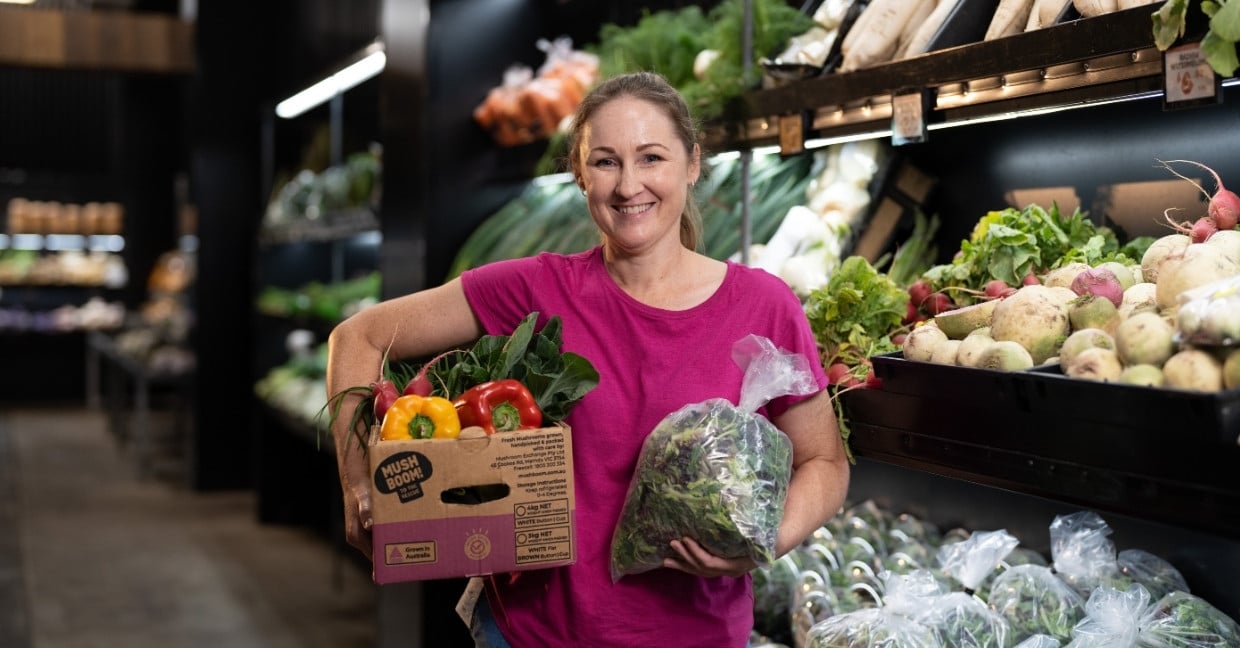
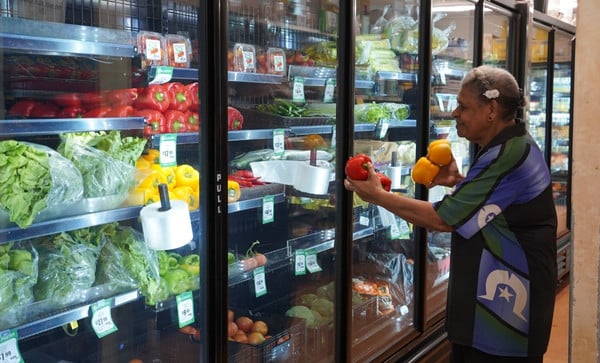
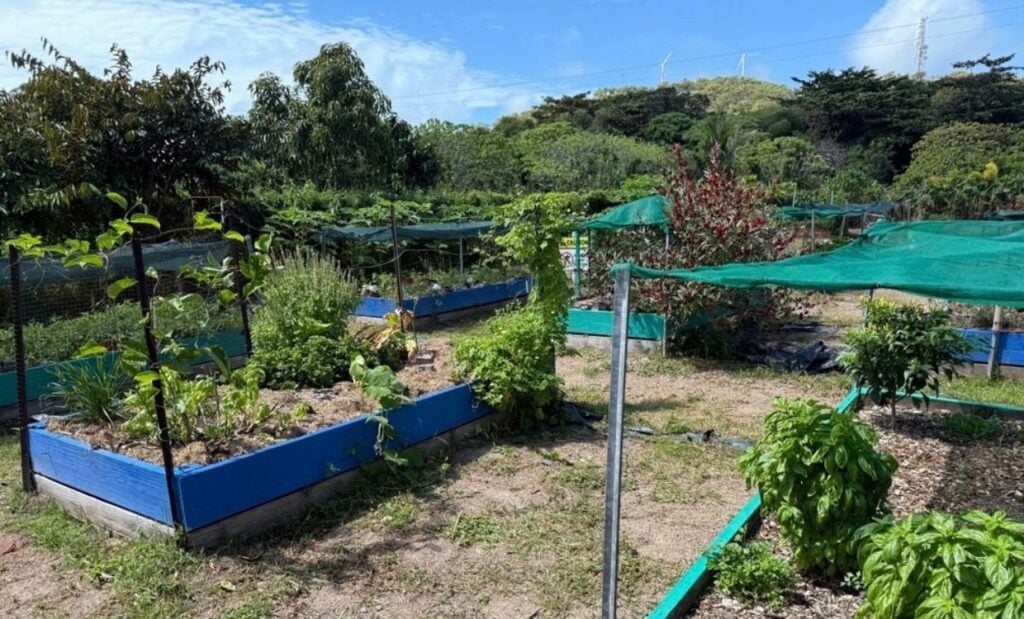
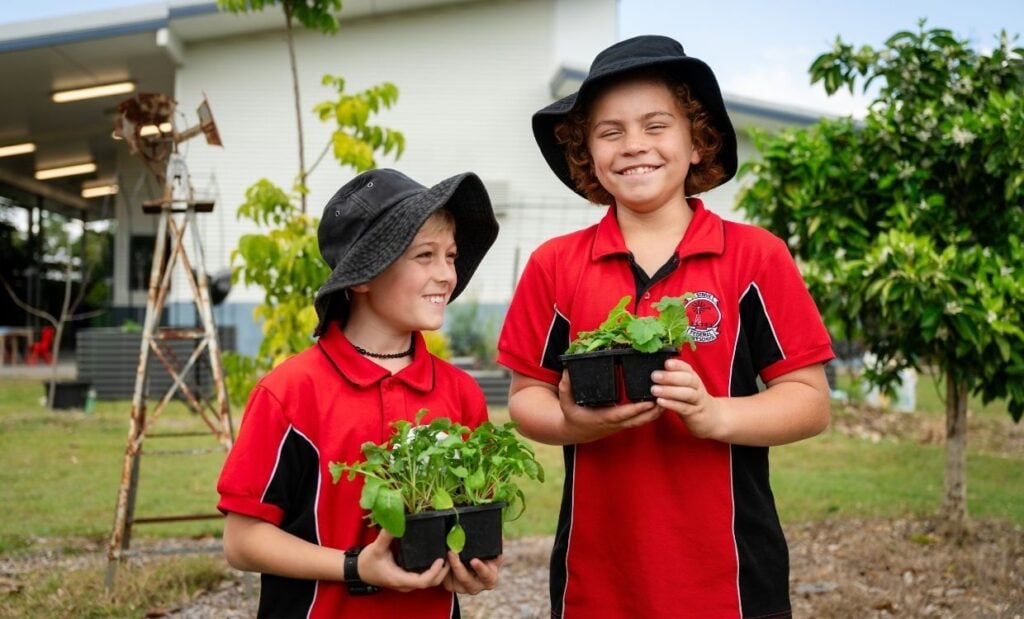
A food security program supporting Aboriginal and Torres Strait Islander communities in the Torres Strait, Cape York, and Lower Gulf regions of Queensland. The program focuses on improving access to fresh, nutritious food in remote areas to address food insecurity and support community health and wellbeing.
Healthier Workplaces
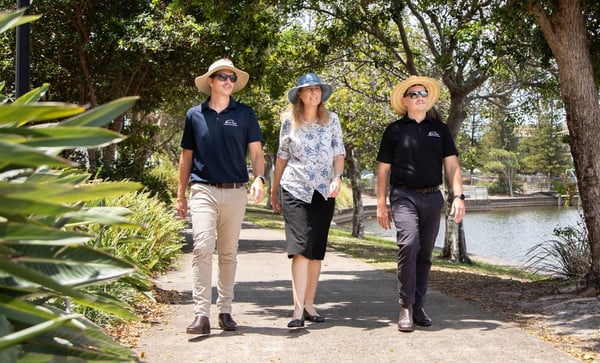
Healthier Workplaces is a Queensland initiative supporting businesses and organisations to build healthier, safer work environments. By promoting employee wellbeing through evidencebased strategies, the program aims to reduce workplace illness and injury, increase productivity, and improve the overall health of Queensland’s workforce.
Life Ed Queensland
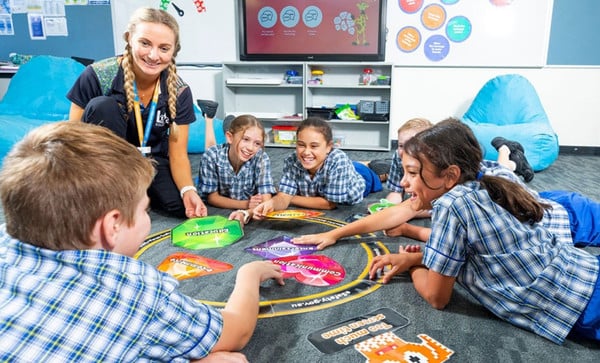
Life Education Queensland delivers a statewide,school based health and wellbeing program delivered to 180,000 children and young people each year in Queensland schools.Topicsequip children with the skills to thrive physically,socially, and emotionally, empowering them tonavigate life’s challenges with confidence.
Logan Healthy Living
An integrated health model based in the Logan region of Queensland, designed to prevent chronic disease. By connecting specialist services, general practitioners, and community organisations, it offers a collaborative, placebased approach to improving health outcomes for the local community.
My health for life
My health for life is a Queensland Government-funded chronic disease prevention program offering free health coaching to adults at risk of type 2 diabetes, heart disease, and stroke. Through six sessions delivered in flexible formats, participants receive personalised guidance on lifestyle behaviours proven to reduce disease risk.
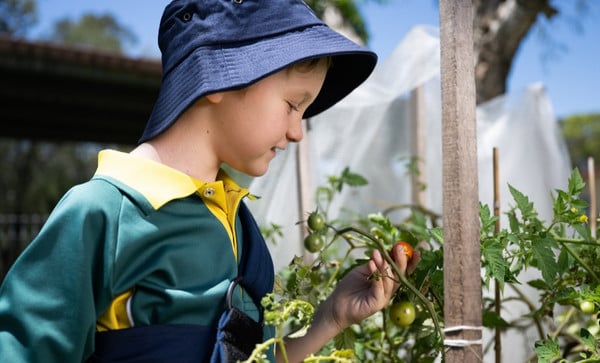
Pick of the Crop
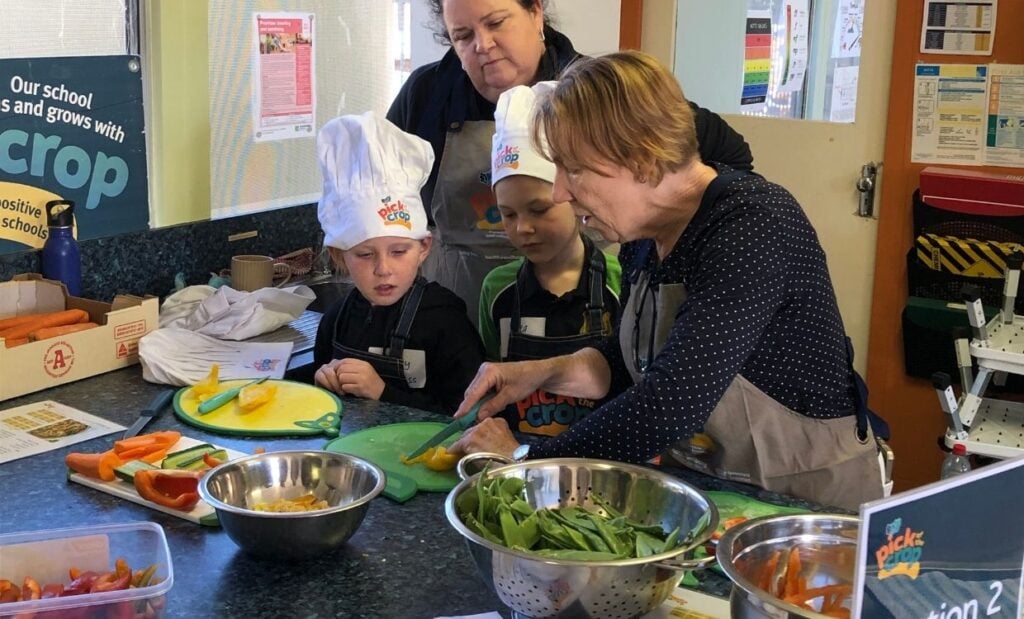
A school based healthy eating initiative that increases opportunities for Queensland primary school children to learn about healthier eating habits and eat more vegetables and fruit.The whole-school program integrates food education into the school environment and curriculum.
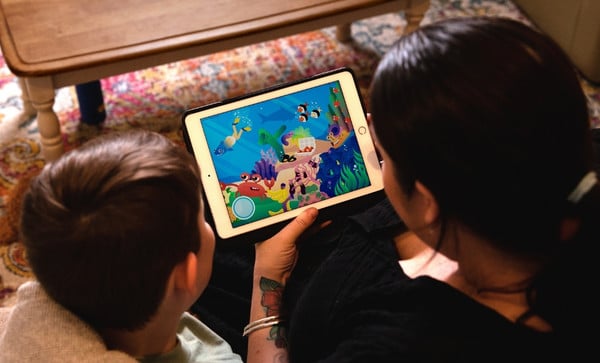
Podsquad
Podsquad is a free app-based health program designed for children aged 5–12 and their families. Using behavioural science and playbased learning, it helps families build lasting healthy habits across nutrition, physical activity, and sleep through engaging, reward-driven activities both online and in everyday life.
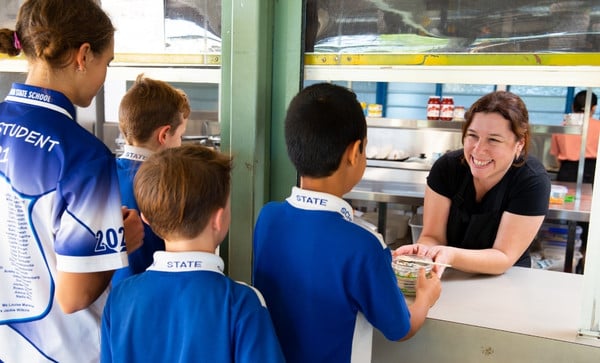
Healthier tuckshops
The Healthier Tuckshops program, delivered through the Queensland Association of School Tuckshops (QAST), supports Queensland schools to provide nutritious, hygienic, and affordable food options to students. The program promotes healthy food environments in schools as an important part of children’s overall health and wellbeing.
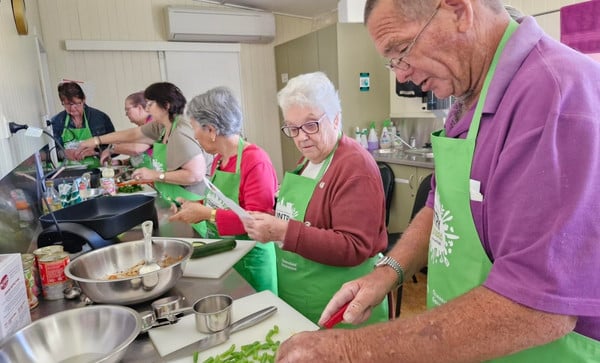
QCWA Country Kitchens
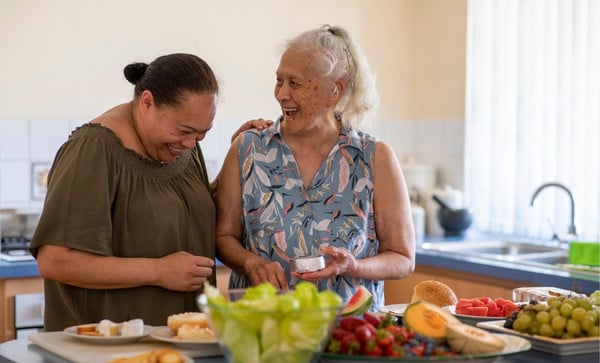
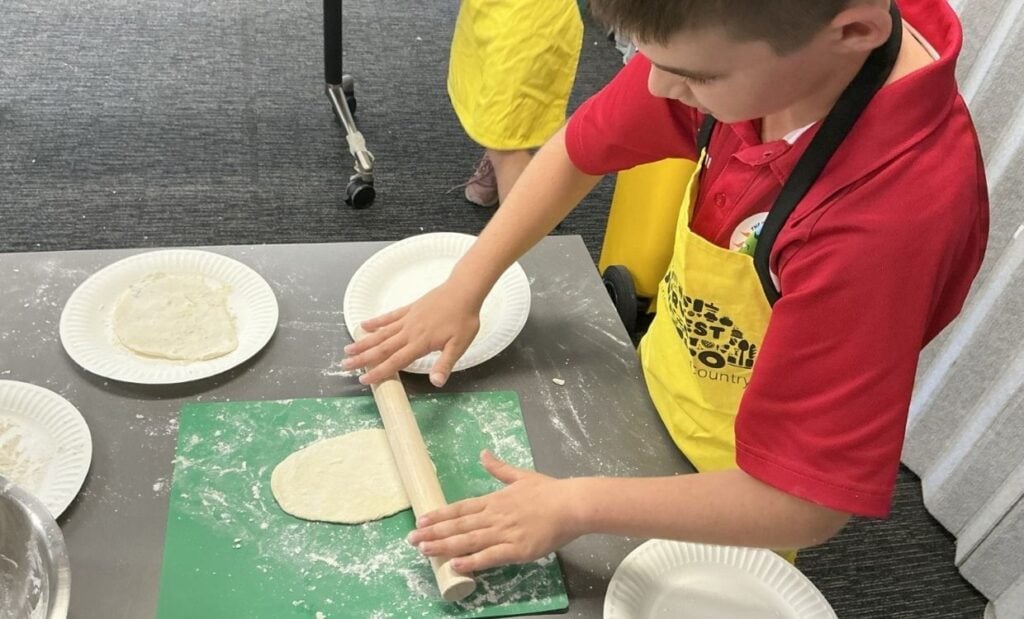
QCWA Country Kitchens is a community health program delivered through the Queensland Country Women’s Association, supporting people in regional, rural, and remote Queensland to improve their nutrition and cooking skills. The program combines practical, hands-on learning with community connection to promote healthier lifestyle behaviours.
Wellness my Way
A free health and wellbeing service for people in South West Queensland’s Maranoa community. Through a personalised health check and telephone coaching, participants are connected with tailored local programs and support services to help them achieve their individual health goals.
Our governance
Health and Wellbeing Queensland wasestablished on 1 July 2019 as an independent statutory body within the portfolio of the Minister for Health and Minister for Ambulance Services to improve the health and wellbeing of the Queensland population.
Contributing to a stronger health system and a healthier Queensland
Health and Wellbeing Queensland’s approach sees impact for today and tomorrow. Programs inurban and regional communities take the pressure off the health system, while initiatives and partnerships provide a pathway to a health legacy.
The strategic plan sets the direction and priority objectives for Health and Wellbeing Queensland to achieve our vision of Making Healthy Happen for Queensland.
Reconciliation is a responsibility requiring ongoing attention to what respect, relationships, and opportunities mean to Aboriginal and Torres Strait Islander peoples.
Our performance is measured against our strategic plan and reported in our annual reports, which outline our progress and outcomes achieved.
Education in prevention
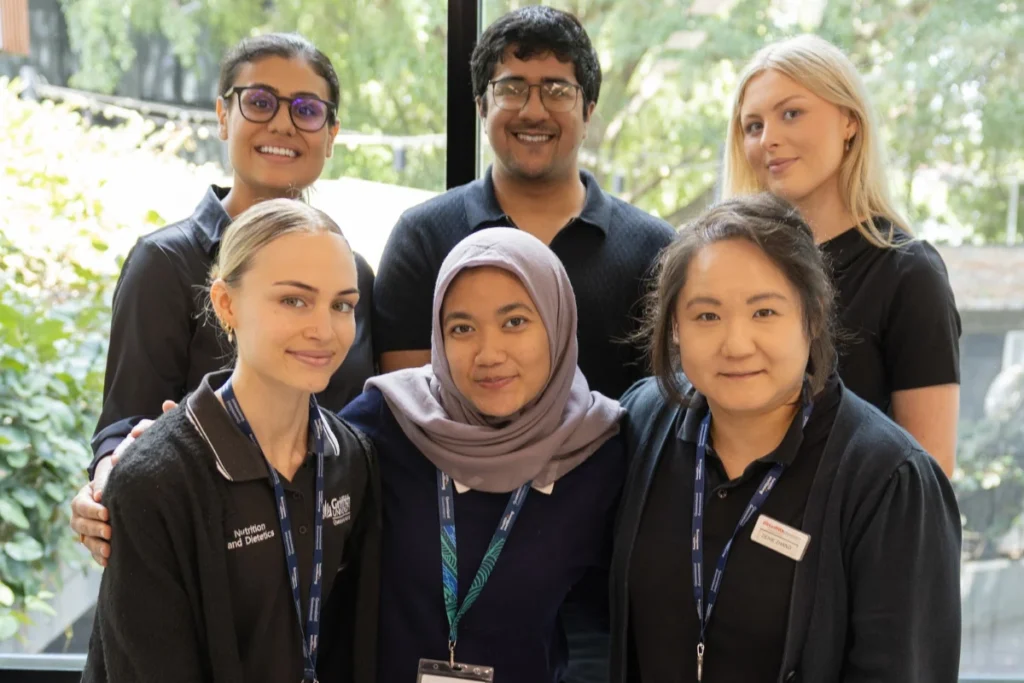
Health and Wellbeing Queensland’s University Student Engagement Program is our commitment to developing professionals who will drive innovation and excellence in health and wellbeing.
Since 2021, more than 100 students have joined our program for real-world experience, mentoring and collaboration on projects to make a difference.
At Health and Wellbeing Queensland, research plays a vital role in shaping effective prevention initiatives. Itunderpins our work to improve health and wellbeing outcomes for people in Queensland communities.
Our greatest strength isassistingpeople in starting and maintaining healthy behaviours around physical activity and healthy eating, and connecting themto federally funded primary care and other services. By linking people to these prevention services early, they avoid a hospital stay.
Fewer hospital admissions
Fewer bed days
Lower future services demand
Healthier Queenslanders
Media and news
Explore recent articles
Read the latest Health and Wellbeing Queensland news, opinions and media releases.
As part of our commitment to accountability and transparency, we publish registers relating to corporate gifts. Public service employees cannot be offered, accept, or give gifts and benefits that affect, could affect or be perceived to affect them doing their jobs impartially.