
Wellbeing approach
Wellbeing can be defined in different ways, but generally refers to the state of feeling content, healthy, and having balance across various areas of life. Health and Wellbeing Queensland supports programs that are improving health and wellbeing for Queenslanders across the state.

What is wellbeing?
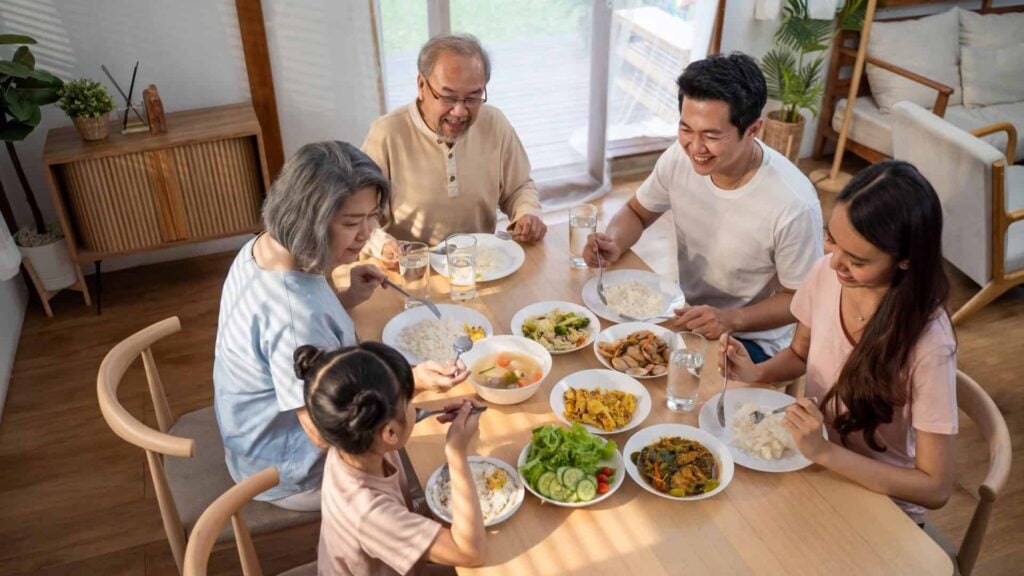
Wellbeing encompasses multiple aspects of life, including physical, mental, emotional, and social health. Wellbeing is not just the absence of illness, but also the presence of positive factors like life satisfaction, resilience, meaningful relationships, and the ability to cope with stress.
About
Why is wellbeing important?
Apart from making us feel good, wellbeing is important for long-term health.
For example, people who focus on their wellbeing are more likely to engage in health-promoting behaviours that can help reduce the risk of developing chronic diseases.
Mental health and wellbeing
Our mental health is connected to various aspects of wellbeing, including physical, emotional, social, cultural, and environmental factors. Wellbeing supports good mental health outcomes by promoting positive health behaviours and physical health, and enhancing relationships. It also promotes community engagement, and improves workforce participation, job performance and organisational productivity.
Thriving Lives, Connected Communities was developed by Health and Wellbeing Queensland in partnership with the Queensland Mental Health Commission and highlights evidence-based areas for action to improve mental health and wellbeing. These areas were informed by consultation with non-government agencies, peak bodies, and community organisations, including people with lived-living experience.
Protective and risk factors
There are a number of protective and risk factors to consider for mental health and wellbeing. Understanding these protective and risk factors can help people to take action to improve mental health outcomes at an individual, community and population level.
| Protective factors | Risk factors | |
| Social |
|
|
| Life events |
|
|
| Community |
|
|
| Relational |
|
|
| Individual |
|
|
What we do
Innovative models of care
Health and Wellbeing Queensland supports a range of programs which empower Queenslanders to live healthier lives by increasing capability, opportunity and motivation.

Sources
- World Health Organization. World mental health report: transforming mental health for all 2022. Available from: https://www.who.int/publications/i/item/9789240049338