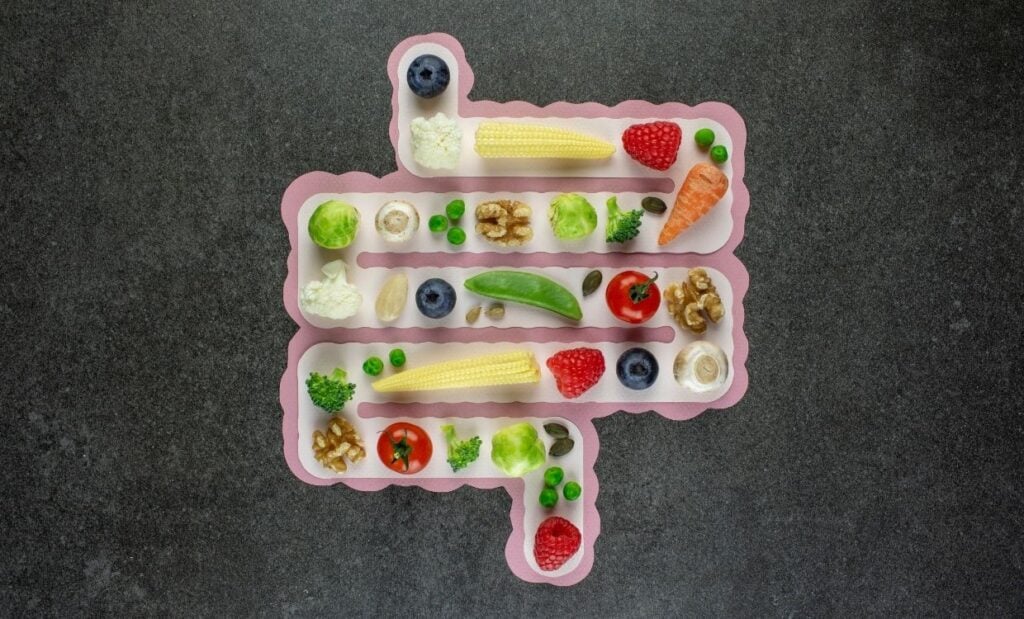
Energy drinks are often marketed as a quick way to feel more alert, focused and ready to tackle a busy day. But while that boost can be tempting, it usually comes from a combination of caffeine, sugar and other stimulating ingredients, and consuming too much can affect several areas of your health. Understanding what’s inside the can, how much caffeine you are consuming and what your body actually needs for sustained energy can help you make informed choices.
What is in an energy drink?
Energy drinks are carbonated beverages that typically contain caffeine alongside ingredients such as taurine, B-group vitamins, guarana extracts and other compounds intended to increase alertness. Guarana is particularly relevant because it is naturally high in caffeine, and products containing this must be labelled as containing caffeine in Australia.1
Some energy drinks also contain substantial amounts of added sugar, while sugar-free versions commonly use intense sweeteners instead. The Australian Dietary Guidelines recommend limiting foods and drinks containing added sugars, specifically including energy and sports drinks.2
How much caffeine is too much?
Caffeine intake is worth keeping track of because it can quickly add up across the day from coffee, tea, cola-type soft drinks, chocolate and energy drinks.
Food Standards Australia New Zealand (FSANZ) recommends the following maximum daily amounts of caffeine:
- Adults: no more than 400mg from all sources, with no more than 200 mg in a single serving.
- Pregnant and breastfeeding women: No more than 200mg per day.
- Children (under 18): No more than 3mg of caffeine per kilogram of body weight in a single serving. For example, a 40kg child would be 3mg x 40kg = 120mg.1
As a guide, here is how much caffeine you’ll find in some common food and drinks:
- Small coffee (single shot): 60-80mg
- Instant coffee (1 teaspoon): 30-60mg
- Standard black tea (250ml): 40-50mg
- 50g dark chocolate (70% cocoa): 40mg
- Can of Cola (375ml): 35-40mg
- Large energy drink (500ml): 150-160mg*
*If you’re tracking your daily caffeine intake, check the can’s label as some energy drinks contain considerably more caffeine than others.

How energy drinks can affect your health
Heart health
Caffeine stimulates the nervous system and can temporarily increase heart rate and blood pressure.3,4 This does not mean that an occasional energy drink will necessarily cause heart problems in a healthy person. However, people who are particularly sensitive to caffeine or have an existing cardiovascular condition may need to take greater care.
Nervous system and sleep
The same stimulant effect that makes caffeine feel energising can also cause unwanted effects. Higher caffeine consumption may contribute to restlessness, headaches, trembling, anxiety and difficulty sleeping. A systematic review of energy drink research found that insomnia, jitteriness and gastrointestinal symptoms were among some of the side effects reported by research participants.5
The timing matters too. Caffeine consumed later in the day can interfere with sleep, potentially creating a cycle where you feel tired the following day and reach for another caffeinated drink.
Gut health
Energy drinks can be uncomfortable for the digestive system, particularly when consumed in large quantities. Caffeine can increase gastrointestinal activity, while the combination of caffeine, carbonation, acids and sweeteners may cause symptoms such as stomach discomfort, nausea or diarrhoea in some people.5
Research into the longer-term effects of energy drinks on the gut microbiome is still developing. However, we do know that a diet high in sugar is associated with changes in the gut microbiome. Energy drinks can contain substantial amounts of sugar or, in sugar-free varieties, intense sweeteners. Studies have found associations between higher consumption of sugar-sweetened beverages and changes in the composition of gut bacteria, including reductions in good bacteria.
Dental health
Sugar and acidity are important considerations for your teeth. Regularly consuming sugary drinks contributes to tooth decay, while acidic beverages can contribute to enamel erosion.6
Choosing a sugar-free energy drink removes the added sugar, but it does not necessarily remove the problem of acidity. The Australian Dental Association has highlighted research showing that acidic, sugar-free beverages can still contribute to tooth-enamel erosion.6
Water is therefore a much more tooth-friendly choice, even if it doesn’t come in a fancy can!
Why water can help you feel more energetic
When you’re feeling tired, reaching for a caffeinated drink can seem like an easy solution. But sometimes what you need is simply fluid.
Water is essential for numerous processes in the body, including digestion, nutrient transport, waste removal and temperature regulation.7 The Australian Dietary Guidelines recommend that most fluid requirements come from plain water, which provides hydration without adding kilojoules.
Not drinking enough water can cause dehydration and make you feel unwell. Signs of dehydration include thirst, dry mouth, dizziness and tiredness. Drinking plenty of water throughout the day helps your body function normally and can prevent dehydration from becoming an additional source of fatigue or discomfort.
Water is particularly important in Queensland’s warmer climate and during physical activity, when fluid losses through sweating can increase.

Healthier ways to boost your energy
Rather than relying on stimulant-driven energy drinks, consider supporting your body’s energy needs throughout the day.
Choose water first
Plain water provides hydration without caffeine, added sugar or artificial sweeteners. If you’ve had a particularly active day, remember to drink more than usual to replenish your body.
Eat balanced meals
Opt for fresh foods over processed foods and try to eat a wide variety, including wholegrains, vegetables, fruit, nuts, seeds, dairy foods or alternatives, legumes and lean meats or alternatives. These provide a broad range of nutrients to support your body’s energy needs.2
Move regularly
While physical activity might seem hard when you’re feeling low on energy, even short bursts of movement (also known as exercise snacking) can have a positive impact.
It might be a short walk around the block, a quick set of exercises during a TV ad break, dancing to your favourite song for a few minutes, or running through the sprinkler with your kids on a hot day.
Short little movement breaks like this can re-energise your body naturally and reduce the need to reach for unnatural alternatives, like an energy drink.

Prioritise sleep
The Australian 24-hour movement guidelines recommend adults get 7–9 hours of good-quality each night, with consistent bedtime and wake up times. Getting a restful night’s sleep sets you up for success the next day to feel more energised and productive.8
Choose simpler caffeinated drinks
If you enjoy a caffeinated drink then unsweetened tea or coffee can provide it without the excess sugar and other ingredients found in some energy drinks. Adults should aim for no more than 400mg per day, while pregnant or breastfeeding women should stay below 200mg per day.1

Healthier choices for energy and alertness
Energy drinks can provide a short-term increase in energy and alertness, but they are not a substitute for good quality sleep, nutritious food, physical activity and hydration.
Water deserves particular attention because it supports essential bodily functions, contains no added sugar or caffeine, and can help prevent dehydration from adding to feelings of tiredness.
If you feel unusually fatigued on a regular basis, despite getting enough sleep, eating well and staying hydrated, it is worth talking to a healthcare professional rather than simply increasing your caffeine intake.