When your day is busy and meals feel rushed, having some go-to healthy snacks can make a real difference. You don’t need fancy ingredients or lots of time. Many nutritious options can be made from everyday items already in your fridge or pantry. So, whether you’re flat out at work, or rushing between appointments, we’ve got some healthy snack ideas to keep you satisfied.
Why snacking matters
Snacking often gets a bad rap, but it can play an important role in maintaining steady energy levels throughout the day.
Planned snacks can help prevent long gaps between meals, which may lead to overeating later.1
Regular, balanced snacks also help stabilise blood sugar levels, reducing the likelihood of those mid-afternoon energy slumps.
The Australian Guide to Healthy Eating also emphasises the importance of a varied diet across the 5 food groups. Snacks are a perfect opportunity to top up your daily intake, especially if your main meals fall short.
Building a healthy snack
A healthy snack doesn’t need to be complicated.
One of the simplest and most effective strategies is to combine 2–3 foods from different food groups. This helps provide us with energy, keeps us full between main meals, and provides the nutrients we need for good health.
For example:
- Wholegrains (like crackers or bread) provide fibre and energy
- Dairy or plant-based alternatives (like cheese, yoghurt and soy milk) add protein and calcium
- Vegetables and fruits contribute vitamins, minerals, and fibre
Portion size: enough, but not too much
A snack should take the edge off hunger, not replace a full meal. Getting portion sizes right is key.
Listening to your hunger cues is equally important. Eat slowly and stop when you feel comfortably full.
Keep it interesting with variety
Mixing different textures and flavours, such as crunchy, creamy, sweet, and savoury, can make a simple snack much more appealing. This variety not only keeps things interesting but can also help you feel more satisfied overall.
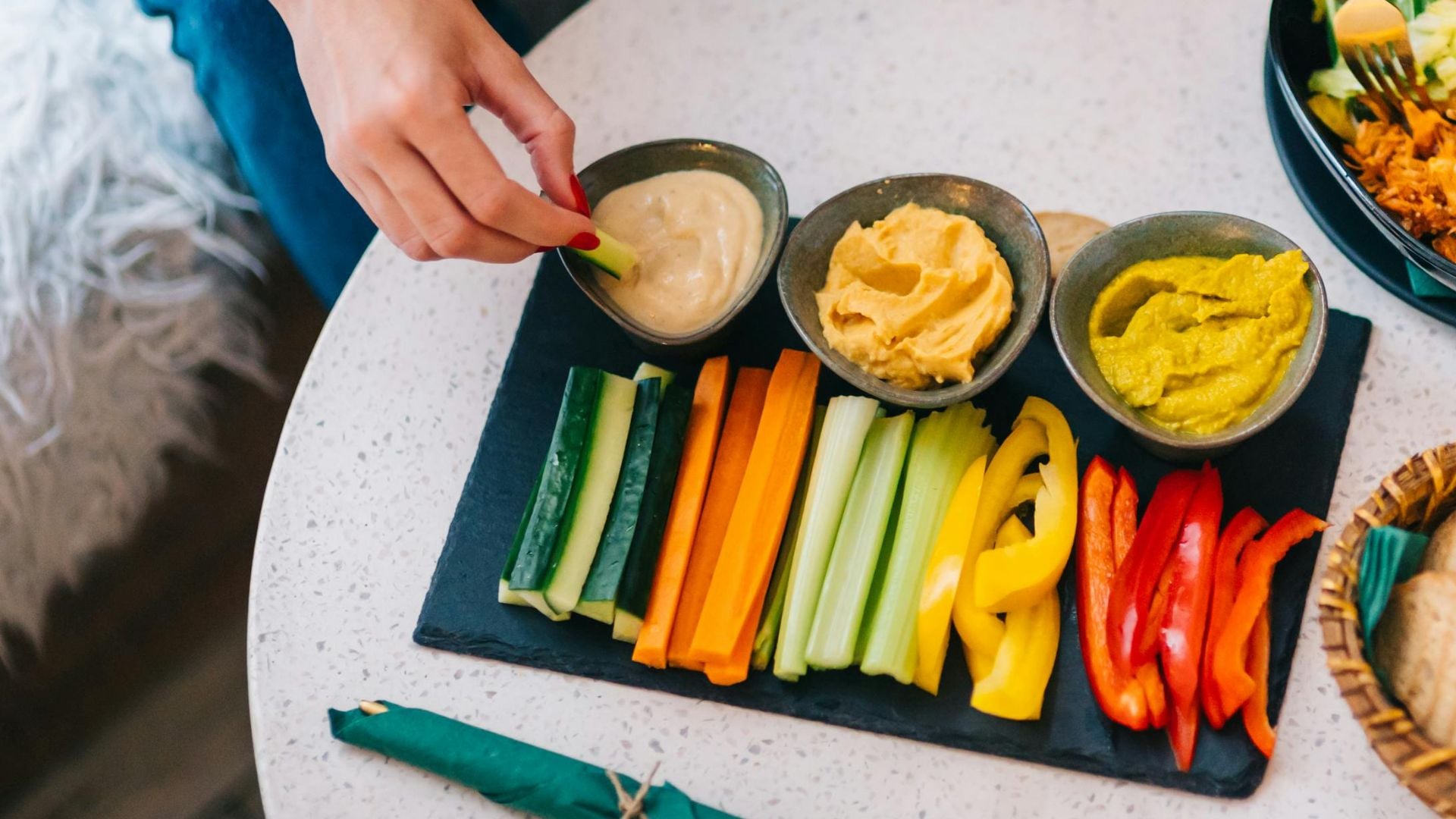
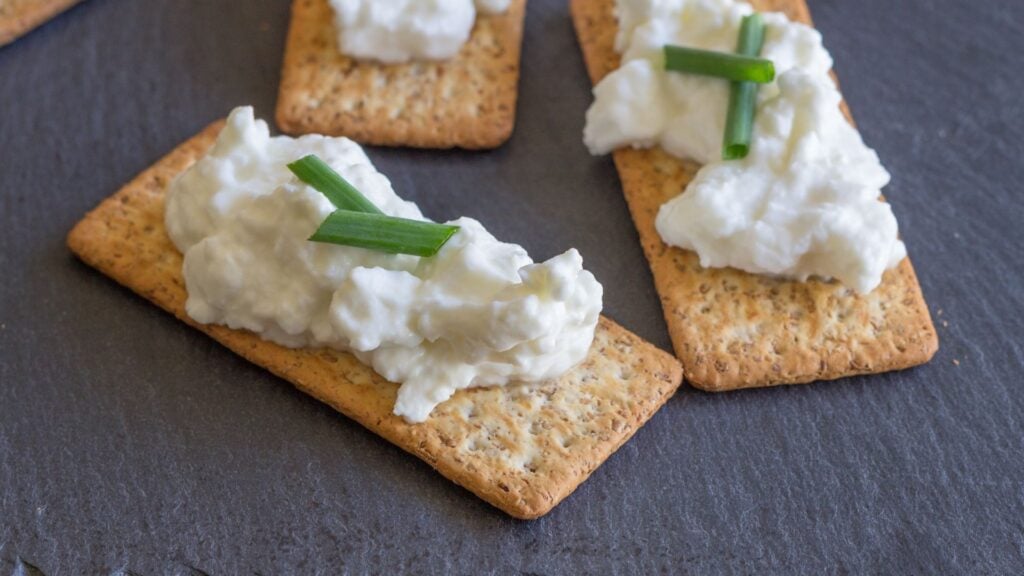
For instance, pairing crunchy vegetables with a smooth dip, or adding a slice of cheese to crisp crackers.
A chance to boost your vegetable intake
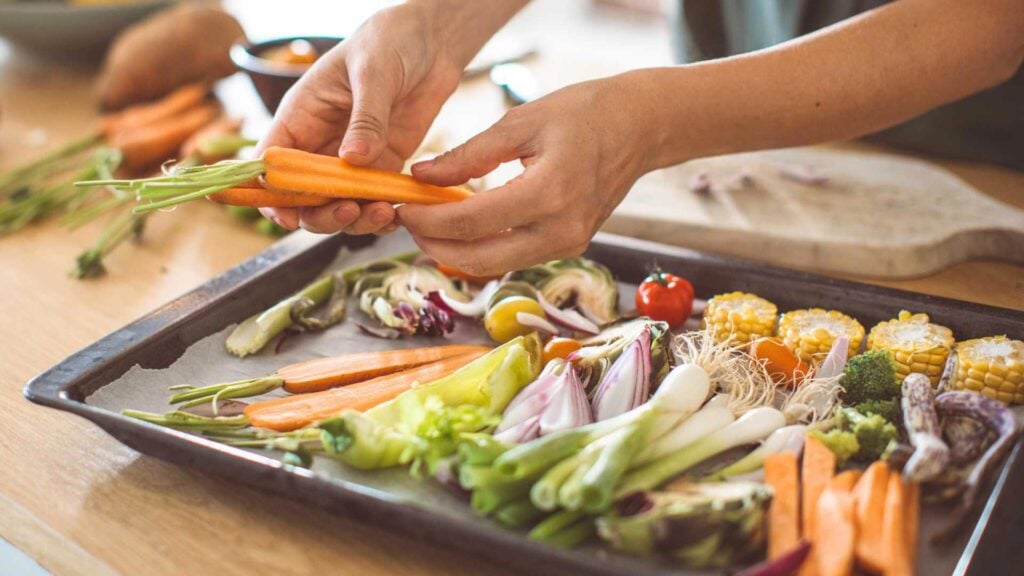
One of the easiest ways to increase your daily vegetable intake is through snacks.
Most Australians fall short of the recommended 5 serves of vegetables per day, but small additions can quickly add up.
Incorporating veggies like carrot sticks, cucumber slices, or cherry tomatoes into your snacks can help close that gap without requiring extra effort at mealtimes.
Quick, low-cost healthy snack ideas
- Wholegrain crackers with hummus or cheese
A classic combination that is quick to assemble and easy to portion. An yes, legumes like chickpeas (found in hummus) count toward your daily veg count!
- Carrot and cucumber sticks with peanut butter or hummus
Crunchy, refreshing, and packed with nutrients. This is a great way to boost vegetable intake.
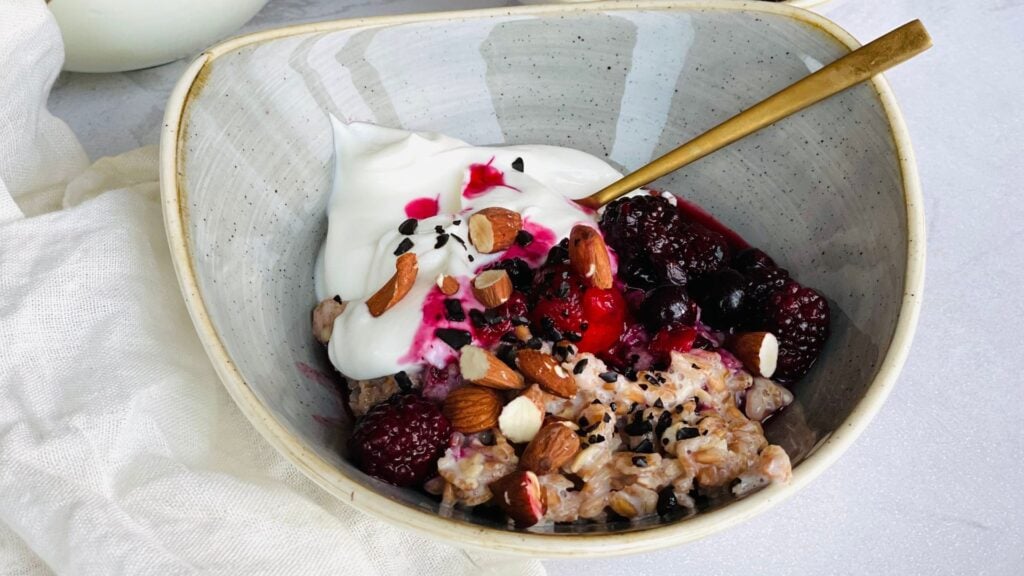
- Natural yoghurt with rolled oats and tinned fruit in natural juice
Affordable and versatile, this mix provides a good balance of nutrition using natural sweetness.
- Wholegrain toast with avocado and tomato slices
A satisfying veggie-filled option with a mix of textures.
- Boiled egg and a piece of fruit
Simple and portable, with protein to keep you fuller for longer.
- Wholegrain rice crackers with avocado and tuna
A balanced savoury snack that provides fibre, healthy fats and protein.
These options can be prepared in just a few minutes and rely on staple ingredients.
Suggested shopping list
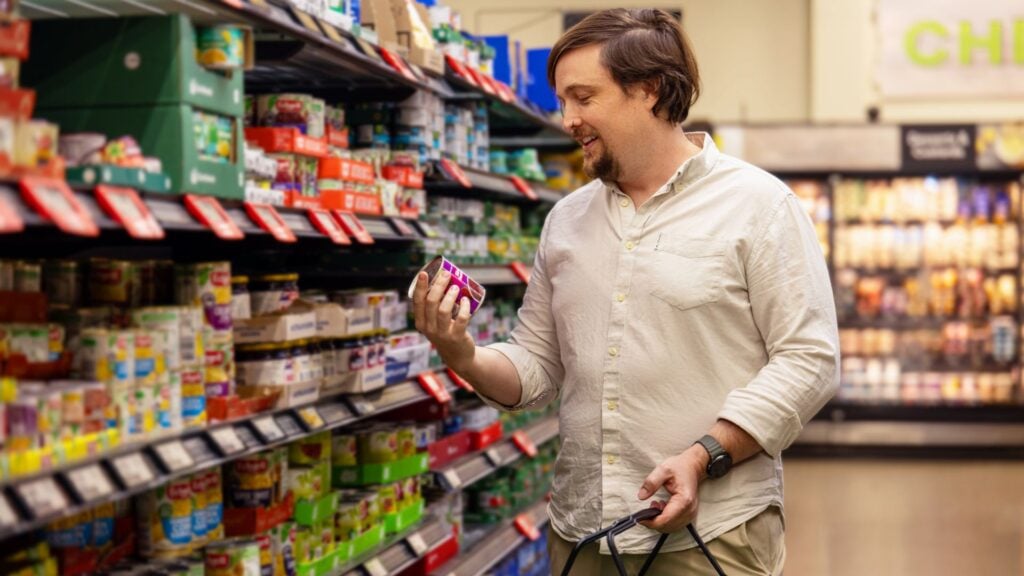
To make the perfect healthy snack, it helps to have some basic items on hand in your kitchen. Consider adding these to your next grocery shop:
Pantry items
- Multigrain crackers
- Puffed grain crackers (e.g. corn thins)
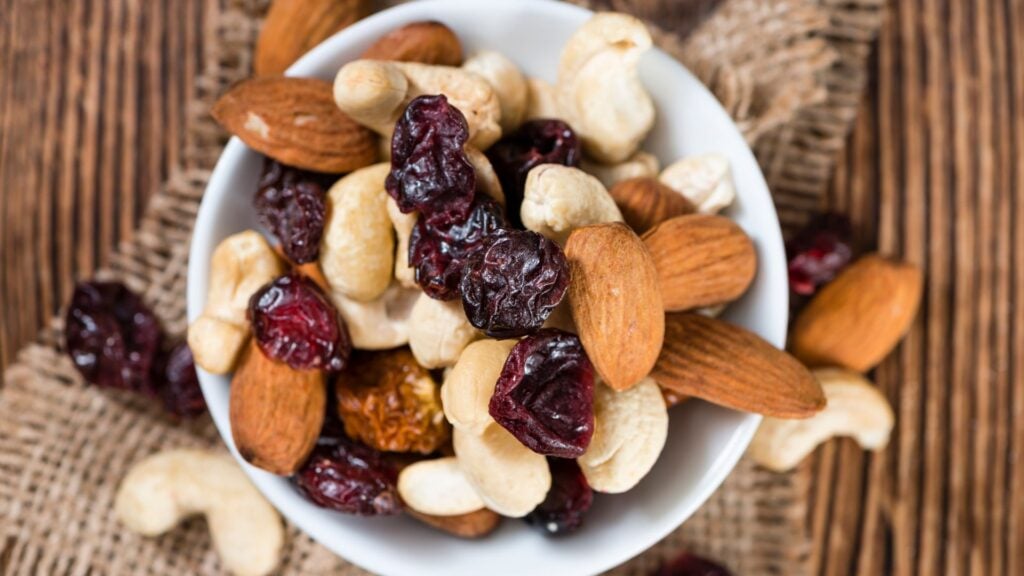
- Unsalted mixed nuts or trail mix
- Peanut butter / almond butter / nut spread
- Rolled oats
- Dried apple slices
- Canned tuna (in springwater)
- Lightly salted popcorn
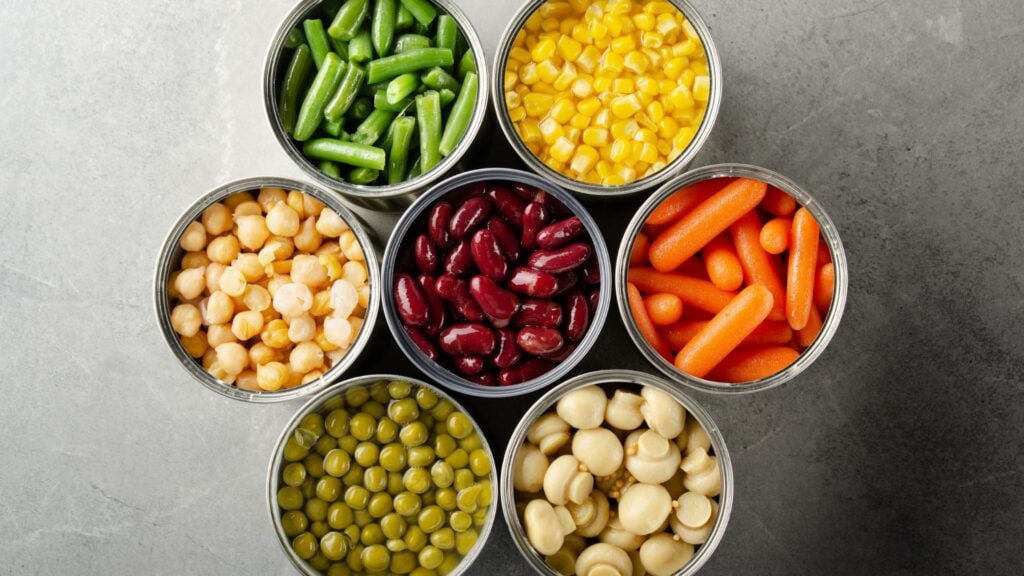
- Tinned fruit (in natural juice)
Fridge/freezer items
- Low fat plain Greek yoghurt
- Reduced fat cheddar cheese/ cottage cheese
- Veggie based dip (e.g. hummus, beetroot hummus, tzatziki, guacamole, salsa)
- Frozen berries
Fresh produce
- Avocado
- Carrots
- Cherry tomatoes
- Capsicum
- Lebanese cucumber or mini cucumbers
- Apples, pears and/or bananas
Healthy snacking that doesn’t take much effort
Healthy snacking doesn’t need to be time-consuming or expensive. By combining a few basic ingredients from the 5 food groups, paying attention to portion sizes, and adding variety in flavour and texture, you can create healthy snacks that are both nourishing and enjoyable.
Most importantly, healthy snacking can help maintain steady energy levels throughout the day, support overall health, and make it easier to meet your daily nutritional needs.