“Eat your veggies” is something many parents say almost daily to their kids, but how many vegetables do children actually need? While adults are encouraged to aim for 5 serves of vegetables each day, the recommendations for children under 9 are a little different.
How many serves of veggies do children need?
The Australian Dietary Guidelines recommend different amounts of vegetables depending on a child’s age and sex.
| Age | Recommended daily vegetable serves |
| 2–3 years | 2½ serves |
| 4–8 years | 4½ serves |
So, while younger children don’t necessarily need the full “5 serves a day” message aimed at older children and adults, their vegetable needs do increase steadily as they grow.
What counts as a serve?
A standard vegetable serve in Australia is about 75 grams. That could look like:
- ½ cup cooked vegetables such as broccoli, carrots or pumpkin
- 1 cup salad vegetables
- ½ medium potato or sweet potato
- 1 medium tomato
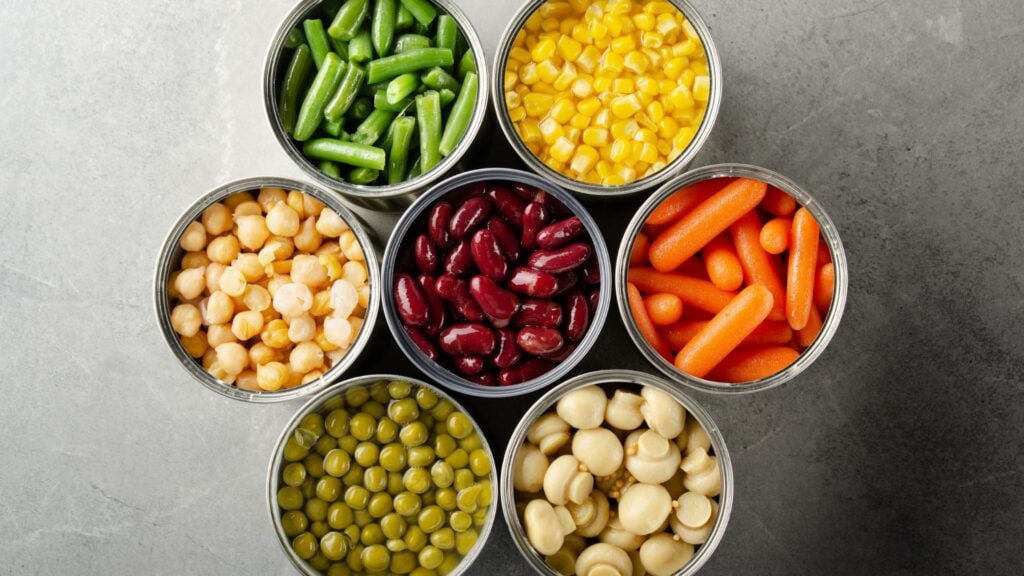
- ½ cup cooked, dried or canned beans or lentils
And importantly — legumes and pulses count towards veggie intake too!
That includes foods like:
- Chickpeas
- Lentils
- Kidney beans
- Black beans
- Split peas
For many families, this can make vegetable goals feel much more achievable, especially if a child is still learning to enjoy vegetables such as leafy greens. Where possible, choose canned legumes with no added salt.
Why vegetables matter in the early years
Vegetables provide children with fibre, vitamins, minerals and antioxidants that support healthy growth, digestion and immune function. They also help children build confidence with different flavours and textures from an early age.
Research shows that repeated exposure helps children become more comfortable with vegetables over time. In other words, the more often they see veggies on the table, the more likely they are to eventually eat them.
That’s why it’s helpful to think about vegetables as a normal part of everyday meals rather than a food children “have to eat.”
Easy ways to include more vegetables (without hiding them)
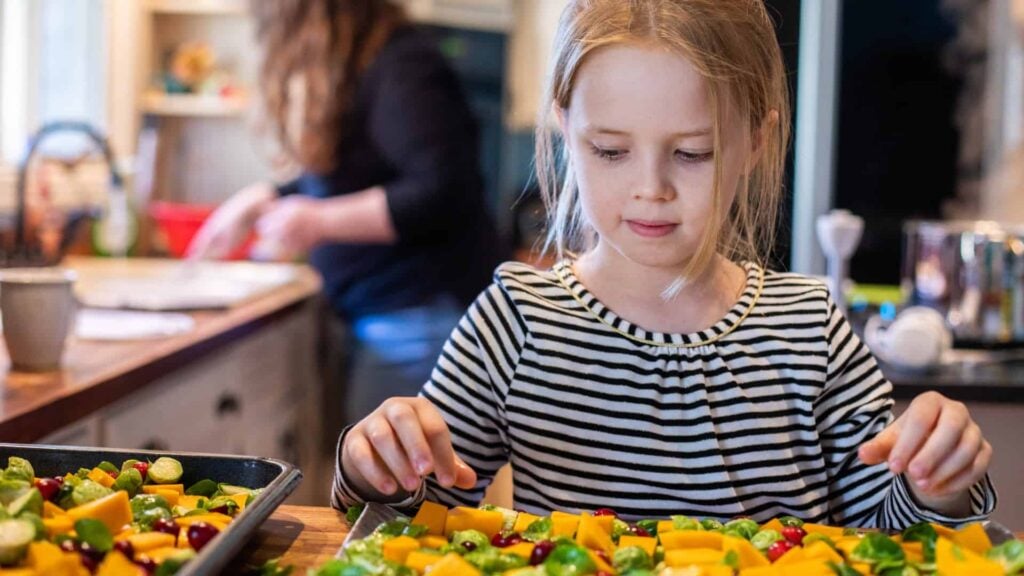
Many parents feel tempted to hide vegetables in sauces or baking — and while there’s nothing wrong with occasionally incorporating veggies into meals this way, children also benefit from seeing, tasting and recognising vegetables regularly in their whole form.
The goal is to help kids become familiar with these foods, not just eat them unknowingly.
Some simple, low-pressure ways to include more vegetables and legumes each day include:
Add veggies to familiar foods
- Avocado and tomato on toast
- Add peas or spinach to fruit smoothies
- Corn or grated carrot in sandwiches
- Peas or edamame with pasta
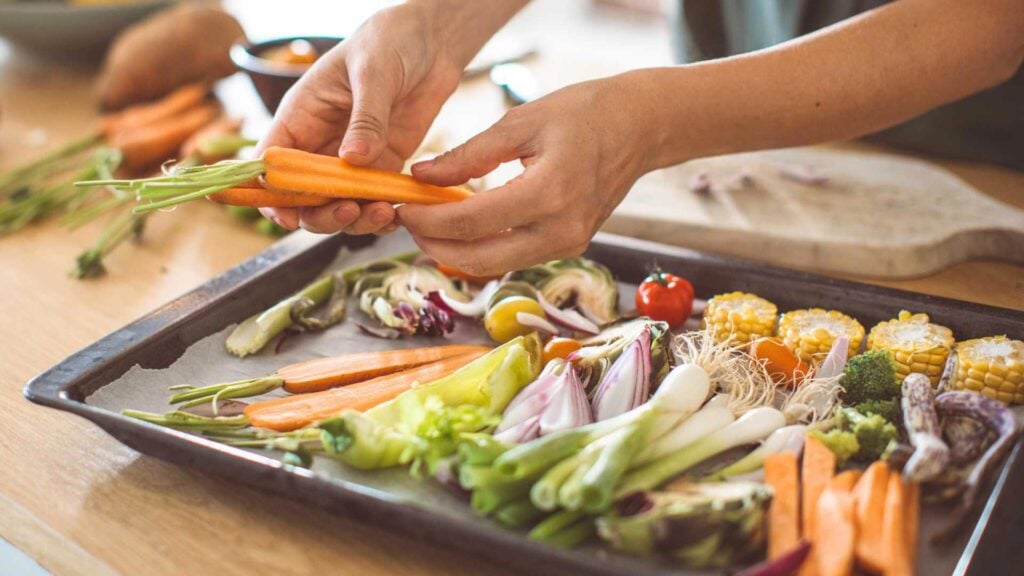
- Roasted vegetables alongside meat or fish
Use legumes more often
- Add lentils to pasta sauce, curry or soup
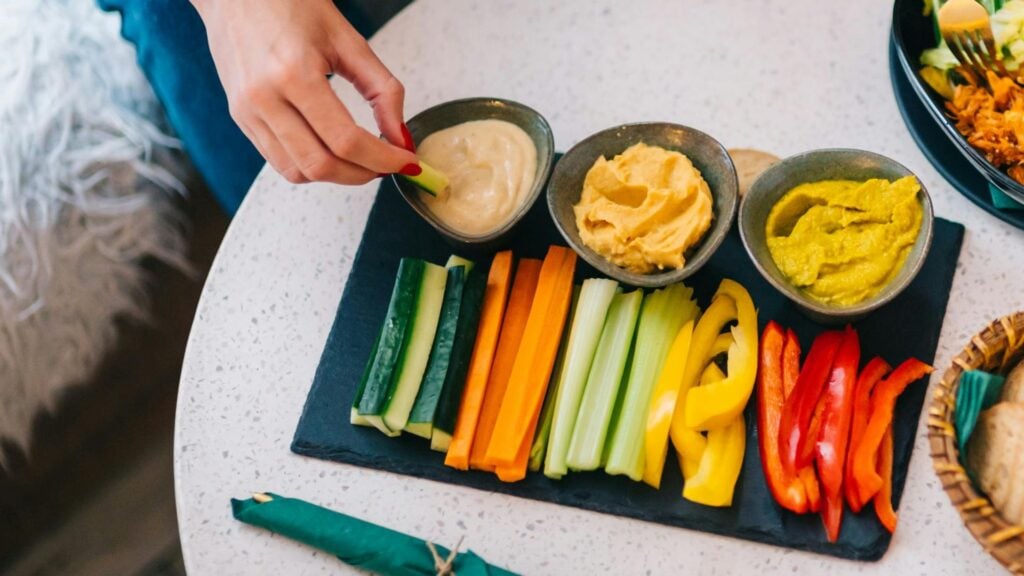
- Serve hummus with crackers or veggie sticks
- Include beans in tacos, burritos or quesadilla
Offer veggies at snack time
Sometimes children are more willing to try vegetables outside of mealtimes. Try offering the following veggies as a snack with dip:
- Cucumber sticks
- Cherry tomatoes
- Snow peas
- Capsicum strips
Let kids get involved
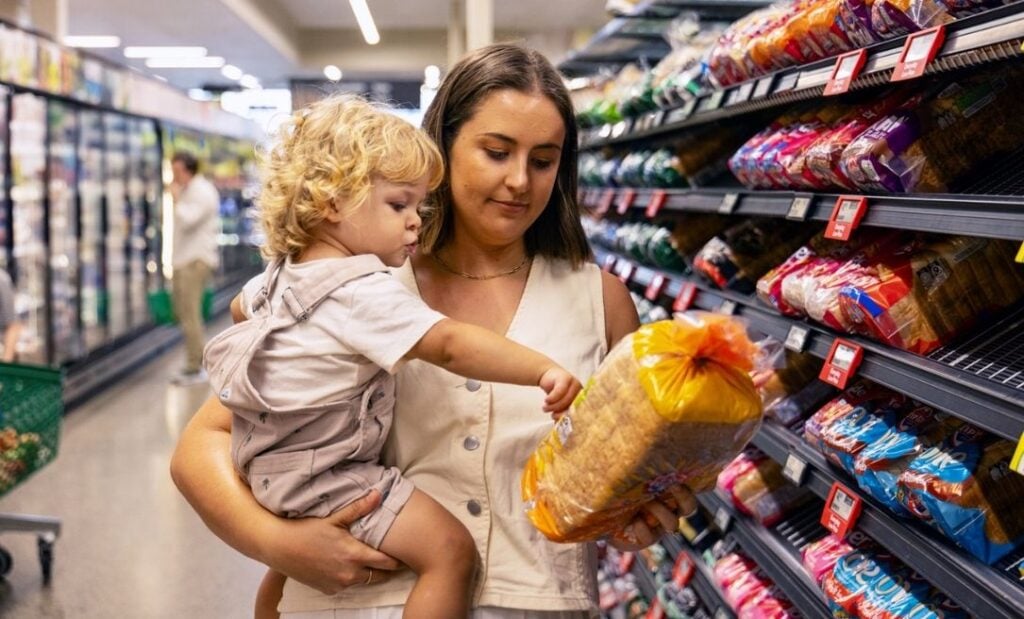
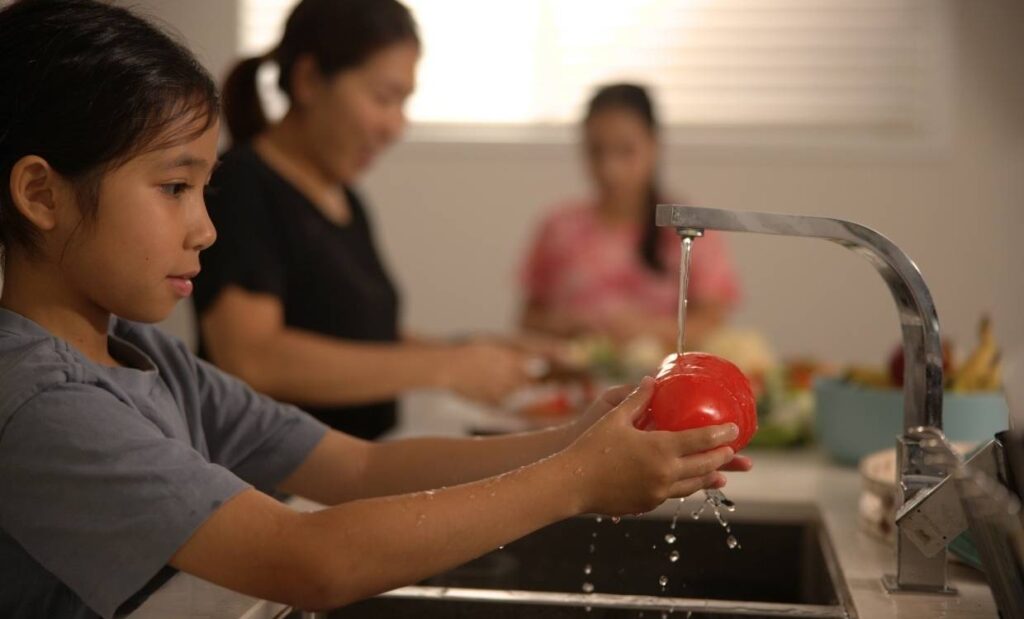
Children are often more interested in foods they help prepare. Even simple jobs like washing vegetables, stirring lentils into soup or choosing a veggie at the supermarket can help them become more familiar with different foods and more willing to try them.
Get more ideas on age-appropriate ways children can help with food prep.
Recipe ideas
The following recipes can be a great start toward increasing a child’s daily veggie intake.
- Cheat’s Lasagna
- Spanish Chicken and Vegetable Skewers
- Beef and Lentil Bolognese
- Colourful Corn Salad Cups
- Pizza Scrolls
- Chicken and Veg Nuggets

Don’t stress about perfection
It’s completely normal for young children to eat differently from day to day. Some days they may happily eat broccoli and carrots, and the next day refuse them entirely.
Rather than aiming for perfect vegetable intake every single day, it can be more helpful to focus on consistency over time. Offering vegetables regularly, including them as part of the family meal, eating together at a table, and keeping mealtimes relaxed can all help build positive eating habits that last.
Related articles
- How to establish healthy eating habits for kids
- Teaching your toddler healthy eating habits
- Fussy eaters? How to get your kids to eat more veggies
Sources
- Eat for health. (2026). Recommended number of serves for children, adolescents and toddlers. Accessed 14 May 2026. https://www.eatforhealth.gov.au/food-essentials/how-much-do-we-need-each-day/recommended-number-serves-children-adolescents-and-toddlers
- Eat for health (2026). Vegetables and legumes/beans. Accessed 14 May 2025. https://www.eatforhealth.gov.au/food-essentials/five-food-groups/vegetables-and-legumes-beans