Between school drop-offs, mealtimes, homework, sports, and everything else that comes with raising children, finding time for physical activity can feel almost impossible. For many caregivers, the idea of setting aside an uninterrupted hour for the gym simply isn’t realistic (or necessary).
According to the Australian Government’s 24-hour movement guidelines, adults are encouraged to be active in a variety of different ways and at different intensities. This includes:
- several hours of light activity each day
- at least 30 minutes of moderate-to vigorous-intensity activity on most days
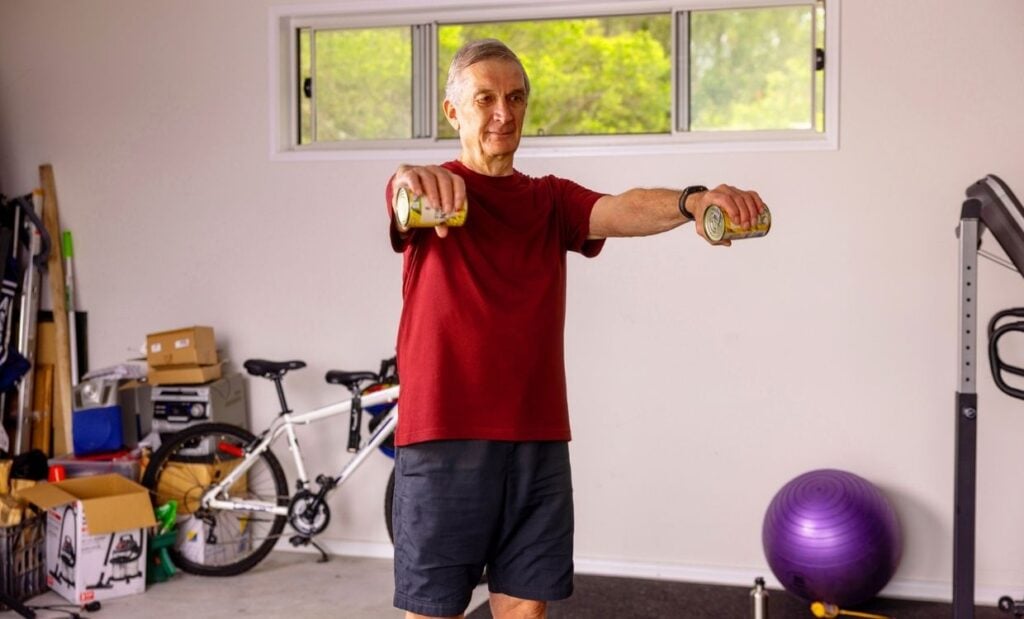
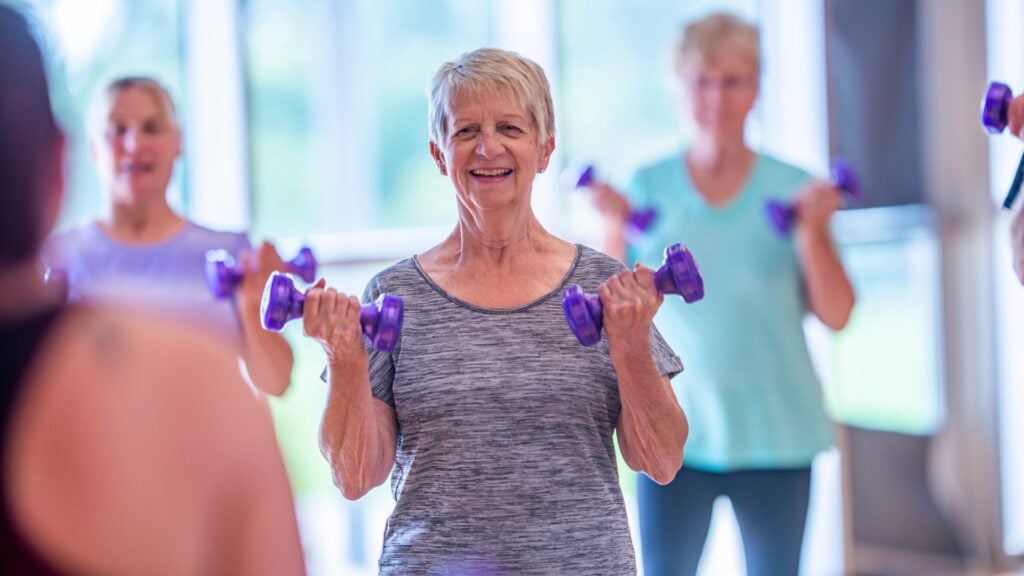
- muscle-strengthening activities on 2 or more days each week
- activities that support mobility, balance, and coordination on 3 or more days each week
The good news is this doesn’t have to happen in one long session or require expensive memberships or equipment. You can build movement into your day in ways that work for you and your family. Every opportunity to move contributes towards the physical activity recommendations and can support your health and wellbeing.
Here are some practical and low-cost ways to stay active while caring for young kids.
Make the most of sports practice
If your child attends soccer, netball, swimming, or another organised activity, use this time to move yourself. You could:
- Complete some laps around the sports field or nearby paths. Alternate between brisk movement and slower recovery laps.
- Use the time to do simple movement or strengthening exercises that suit you, whether that’s squats, stretches, calf raises or seated exercises.
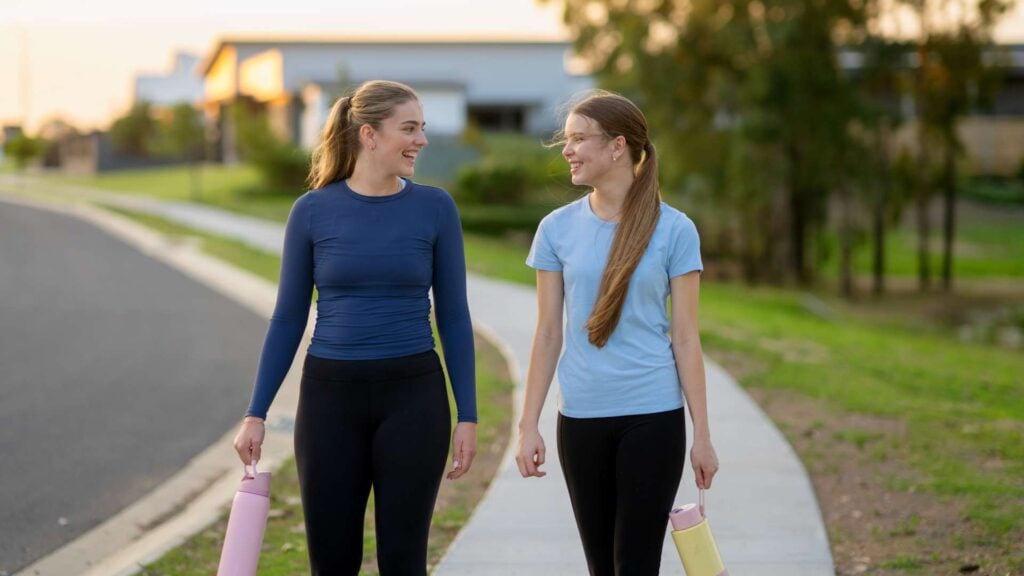
- Invite another parent to join you for a walk and a chat.
Using this time to move can be a simple way to add more physical activity into your day, without needing to set aside extra time.
Join the fun at the playground
Playgrounds aren’t just for children, they’re full of opportunities for adults to move as well.
Rather than watching from a bench, get involved if you’re able to by:
- Climbing the play equipment where appropriate
- Moving across bridges and balance beams with your children
- Sliding, swinging, or crawling through tunnels
- Playing games of tag or hide and seek
- Lifting your kids up onto equipment
Playing together is a fun way to support your own movement while spending quality time with your children.

Walk instead of driving when you can
Not every trip needs to be in the car. If distance and safety allow, walk to school, the local shops, or nearby activities.
If walking the entire journey isn’t practical, try parking a little further away and walking the remaining distance. These extra minutes of movement throughout the day can add up over time and help you build more physical activity into your routine.
Walking also creates a chance to chat with your children without the distractions of busy daily life.
Turn family time into active time
Look for activities that get everyone moving. Ideas include:
- Riding bikes, scooters, skating or skateboarding together
- Playing backyard cricket, football, or basketball
- Exploring a local park, nature trail, beach or bushwalk as a family
- Dancing together in the living room
- Having a scavenger hunt in the backyard or at a local park
These activities don’t have to be long or carefully planned. Even 20-30 minutes of active play can make a positive difference.

Build movement into everyday jobs
Household chores may not feel like physical activity, but they count. Tasks that make you push, pull, lift, bend or get your muscles working are especially good.
For example:
- Vacuuming or mopping
- Changing the bedsheets
- Cleaning the windows, walls, showers or mirrors
- Gardening or mowing the lawn
- Washing the car by hand or cleaning your bike, scooter or other wheeled device.
- Carrying a full laundry basket or bag of groceries
- Taking the stairs or ramp whenever possible
While these may not replace a structured workout, they all add up and help reduce long periods of sitting.
Take advantage of short windows of time
Parents rarely have large blocks of free time, but you may have 5 or 10 minutes here and there.
Those short windows can be surprisingly effective. Try:
- A quick bodyweight workout while dinner is in the oven
- Stretching or yoga before the children wake up or while watching TV
- A brisk walk or roll around the block while an older child is at an after-school activity
- Taking young babies for a moving nap in the pram or baby carrier
- A short online workout that works for you while younger children nap or play nearby
Remember, every bit of movement counts.

Progress, not perfection
Being physically active as a parent isn’t about following the perfect routine. It’s about finding realistic ways to move that fit around your family’s routine.
Some days you’ll have more time than others, and that’s ok. By looking for small ways to be active, you can look after your health while setting a good example for your children.
Related articles
- 10 free or low-cost ways for kids and families to be active
- How to get active with your kids when you’re time poor
- Fun ideas to get your family moving
Sources
- Department of Health, Disability and Ageing. (2026). 24-hour movement guidelines for adults. Updated 3 June 2026. Accessed 16 July 2026. https://www.health.gov.au/topics/physical-activity/24-hour-movement-guidelines-for-all-australians/recommendations-for-adults-18-to-64-years