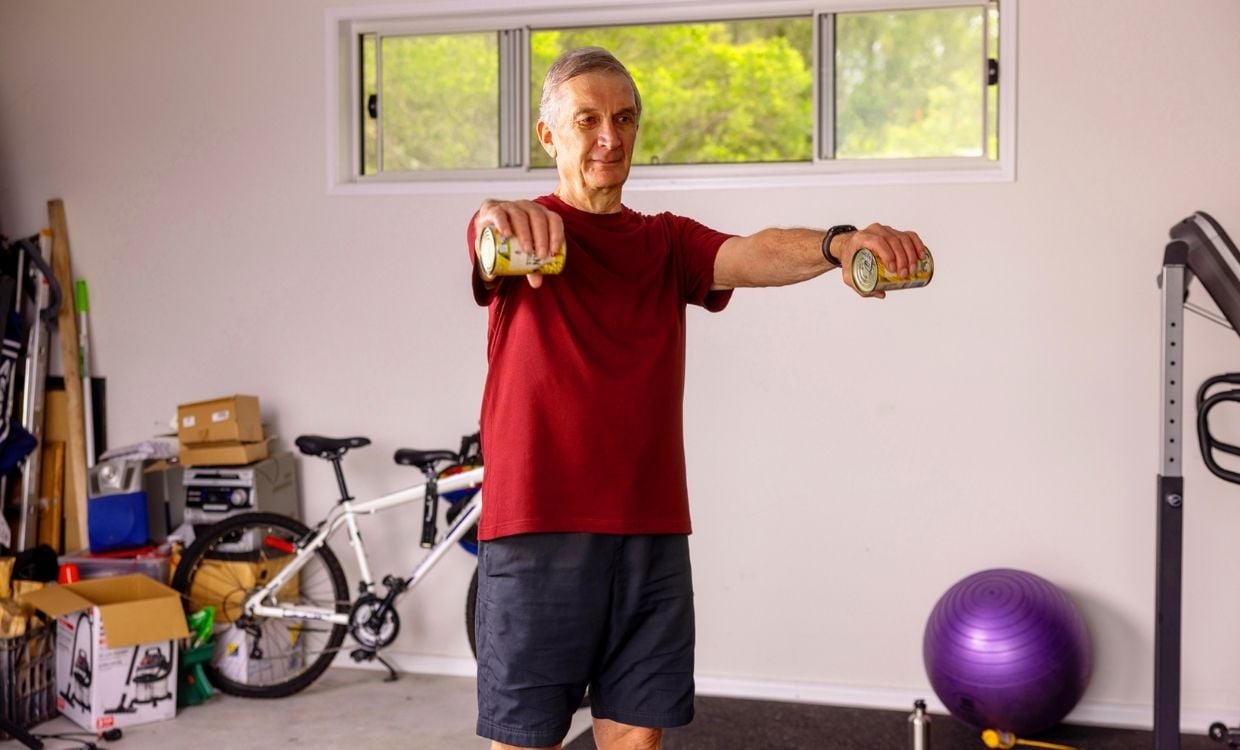
Growing older comes with plenty of change. This can include a gradual decline in muscle mass and strength. While this may be a normal part of ageing, regular muscle strengthening activities can help maintain muscle and support healthy ageing. Read on to discover how to build muscle strengthening activities into your weekly routine.
Muscle naturally changes with age
Most people build muscle throughout childhood and early adulthood, with muscle mass generally peaking around 30 years of age.1 After that, muscle mass and strength typically begin to decline gradually as part of the ageing process.
Research suggests that adults may lose around 3–8% of their muscle mass per decade after the age of 30, with the rate of loss often increasing after age 60.2, 3
Over time, these changes may contribute to reduced muscle strength, balance and physical function, which can increase the risk of falls.
While some age-related muscle loss is expected, regular physical activity, including muscle strengthening activities, can help maintain muscle and strength and support healthy ageing.
Why muscle is your body’s safety net
Healthy muscles play an important role in supporting everyday activities, from carrying groceries to getting out of a chair, climbing stairs or playing with grandchildren. Maintaining muscle strength and function can also support overall health and wellbeing by:
- Supporting balance and physical function, which can help reduce the risk of falls4
- Supporting healthy bones and reducing fracture risk5
- Supporting healthy blood sugar regulation, reducing the risk of type 2 diabetes3
- Supporting metabolism and physical function
- Helping maintain mobility and independence6
- Supporting healthy joints and posture6
- Contributing to better sleep quality and energy levels7
Building and maintaining muscle is one of the best preventive health strategies available. It can help older adults continue participating in everyday activities and better adapt to the physical challenges that may come with ageing, illness or injury.
Your physical activity may need to evolve
Many people continue doing the same type of physical activity they have always enjoyed. As we age though, our bodies, preferences and circumstances can change, and adapting our activities to suit our needs can help us continue moving in ways that feel good and support our health.
The Australian Physical Activity Guidelines recommend that adults complete muscle strengthening activities at least 2 days each week.8,9 For women in midlife and beyond, this is particularly important because it can help to counter the hormonal changes that contribute to muscle and bone loss.
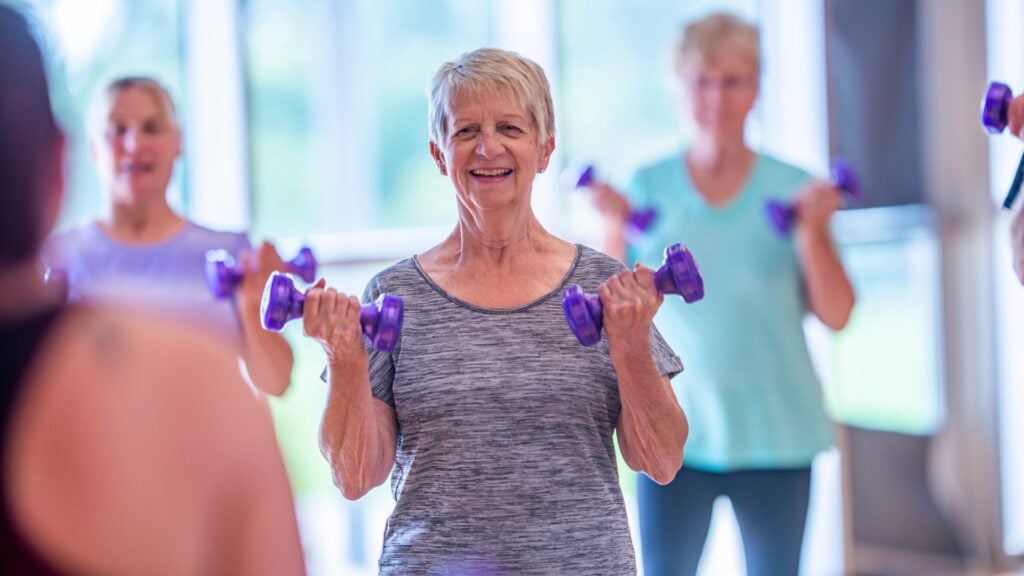
Muscle strengthening activities encourage muscles to work against resistance.6
This doesn’t necessarily mean lifting heavy weights. Resistance can also come from:
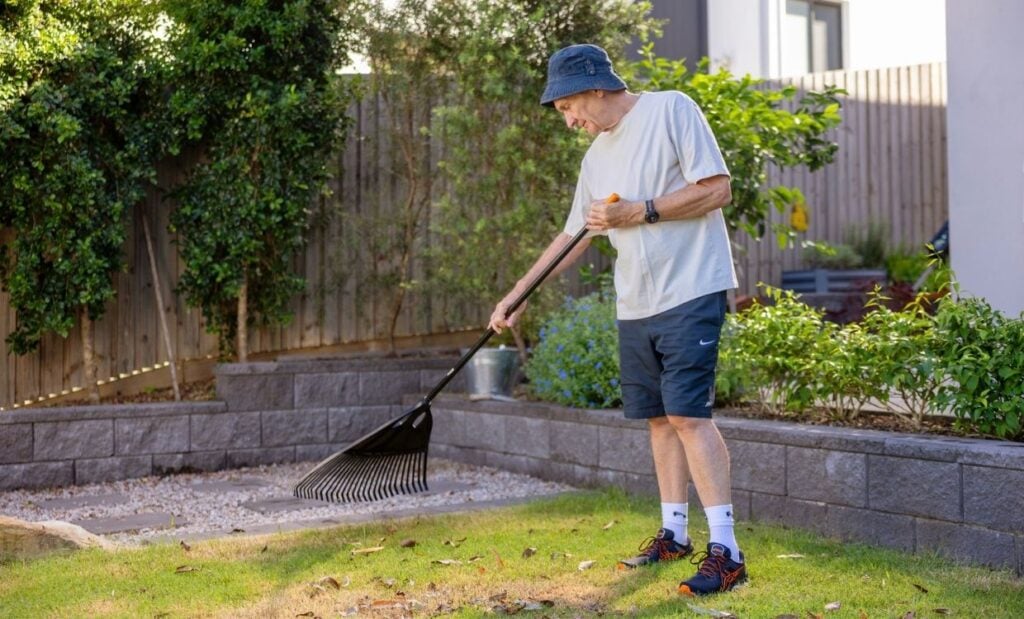
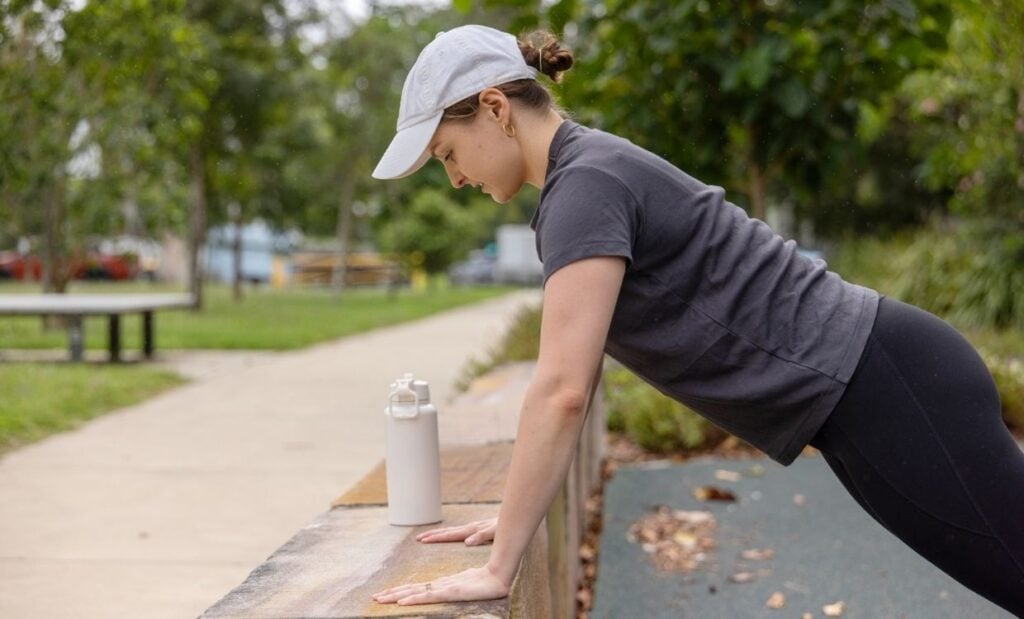
- Body weight exercises such as squats, wall push-ups and step-ups
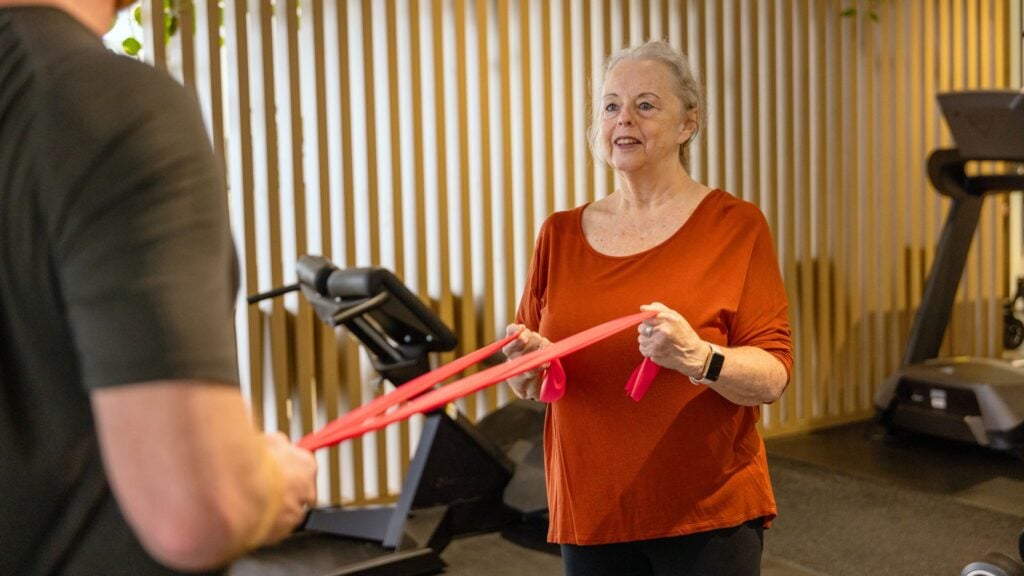
- Resistance bands
- Carrying heavy shopping bags
- Walking up hills or climbing stairs
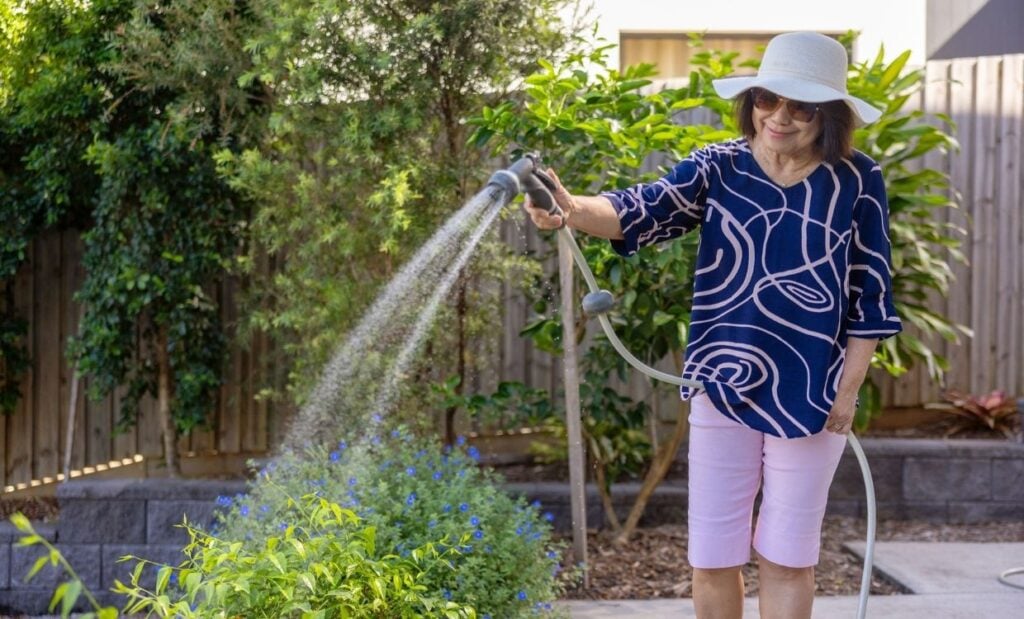
- Gardening
- Lifting and moving household items safely
- Pilates or functional strength classes.
The goal isn’t to become a bodybuilder. It’s simply to keep challenging your muscles and giving them a reason to stay strong.
Small changes can make a big difference
You don’t need long, intense workouts to benefit. Consistency is far more important than perfection.
If you’re new to strength exercises, start with just a few minutes a couple of times each week. As your confidence and strength develop, you can gradually increase the time and intensity.
It’s never too late to start
One of the most encouraging findings from research is that muscles respond to activity at almost any age. Older adults, including those in their 70s and 80s, can improve strength, mobility, and stability through progressive resistance exercise. It can also delay the onset of age-related conditions like arthritis and osteoporosis.10
Every extra bit of muscle you maintain can helps support your independence, confidence and ability to continue doing the things you enjoy.
If you have an existing health condition, recent injury, or concerns about physical activity, speak with your GP or an accredited exercise professional for advice on how to get started safely and in a way that suits your needs.
Related articles
- Start resistance exercise today for a healthier ageing tomorrow
- 5 reasons women should do weight training
- Exercising with chronic pain: finding what works for you
Sources
- Daly, R., Bollen, C., Bollen, J., Govan, L., Scott, D., Willcock, S., Xu, L., and Yu, S. (2024). Sarcopenia in general practice: Towards improving muscle health screening, assessment and management in Australia. Australian Journal of General Practice. October 2024, 53(10). Accessed 27 July 2026. https://www1.racgp.org.au/ajgp/2024/october/sarcopenia-in-general-practice
- Volpi E, Nazemi R, Fujita S. Muscle tissue changes with aging. Curr Opin Clin Nutr Metab Care. 2004 Jul;7(4):405-10. doi: 10.1097/01.mco.0000134362.76653.b2. PMID: 15192443; PMCID: PMC2804956.
- Diabetes Australia. (2023). Muscle wastage – use it or lose it! Published 6 November 2023. Accessed 24 July 2026. https://www.diabetesaustralia.com.au/blog/muscle-wastage/
- Sherrington C, Fairhall NJ, Wallbank GK, Tiedemann A, Michaleff ZA, Howard K, et al. Exercise for preventing falls in older people living in the community: an abridged Cochrane systematic review. Br J Sports Med. 2020;54(15):885-91. doi:10.1136/bjsports-2019-101512. Accessed 24 July 2026.
- Healthy Bones Australia. (2026). Exercise & Bone Health. Accessed 24 July 2026. https://healthybonesaustralia.org.au/your-bone-health/exercise-bone-health/
- Department of Health (2022). Resistance training – health benefits. Victoria State Government. Reviewed 11 July 2022. Accessed 24 July 2026. https://www.betterhealth.vic.gov.au/health/healthyliving/resistance-training-health-benefits
- Casselbury, K. (2022). Lifting weights may help you sleep better than cardio. Published 20 April 2022. Accessed 24 July 2026. https://www.sleepfoundation.org/sleep-news/weight-training-may-help-you-sleep-better
- Australian Government Department of Health, Disability and Ageing. (2026). 24-hour movement guidelines for adults (18 to 64 years). Accessed 24 July 2026. https://www.health.gov.au/topics/physical-activity/24-hour-movement-guidelines-for-all-australians/recommendations-for-adults-18-to-64-years
- Australian Government Department of Health, Disability and Ageing. (2026). 24-hour movement guidelines for older adults (65 years and over). Accessed 7 August 2026. https://www.health.gov.au/topics/physical-activity/24-hour-movement-guidelines-for-all-australians/recommendations-for-adults-18-to-64-years
- Norton Healthcare. (2024). Older adults’ guide to improving muscle tone and building muscle after age 60. Published 28 February 2024. Accessed 24 July 2026. https://nortonhealthcare.com/news/seniors-guide-to-improved-muscle-tone/