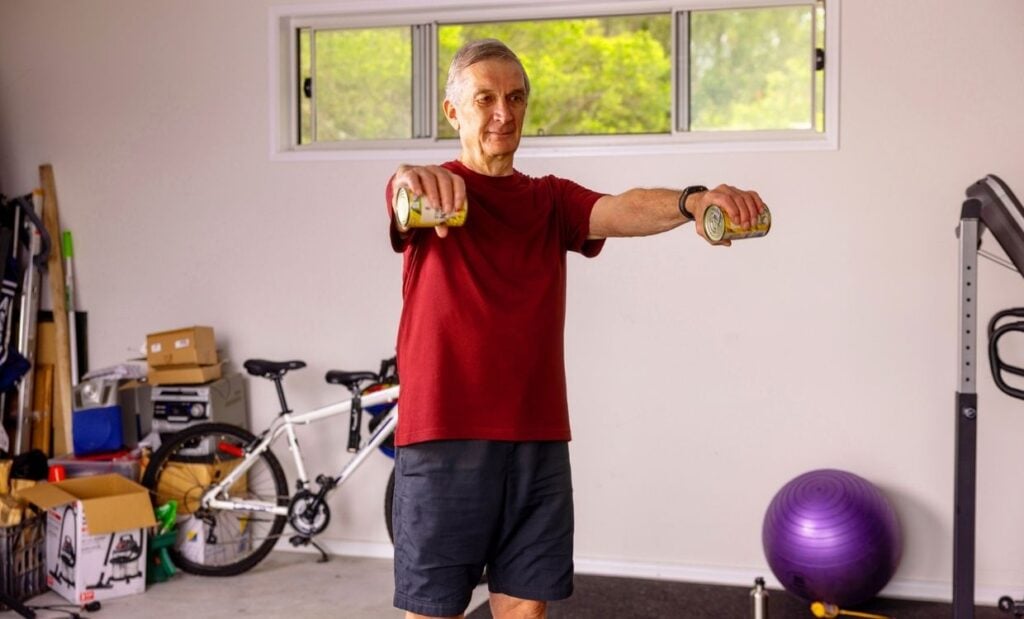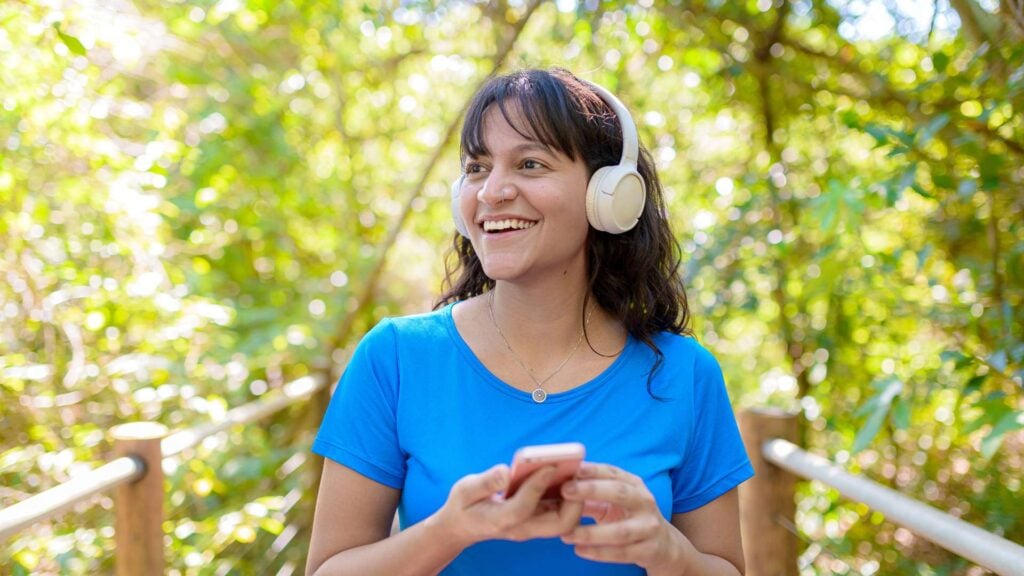
Feeling low on energy can make even simple movement feel like a chore. Whether it’s a cold winter morning or a long exhausting day, some days just feel harder when it comes to moving your body. Yet gentle, consistent movement is one of the most effective ways to boost energy, improve mood and support long-term health.
According to the Australian Government, regular physical activity is essential for both physical and mental wellbeing, and even small amounts of movement throughout the day can make a meaningful difference1. The key is to keep things simple, affordable and realistic—especially when motivation is low.
Start small and lower the bar
When energy is limited, aiming for a full workout can feel overwhelming. Instead, focus on short bouts of activity (also known as exercise snacking). A 5–10-minute walk, light stretching, or a few bodyweight exercises at home can help “switch on” your body without draining you.
Physical activity doesn’t have to mean structured exercise. Everyday movements, like gardening, sweeping, or moving around your home, count too. These small efforts build momentum and can gradually improve energy over time1.

Make the most of free local spaces
One of the advantages of living in Queensland is access to outdoor spaces, even in regional and remote areas. Parks, walking tracks, beaches, and community ovals are typically free and widely available.
Gentle movement in nature can also improve mood and reduce stress—especially helpful when you’re feeling sluggish.
If you’re in a smaller community, consider:
- Moving around your neighbourhood in a way that feels comfortable for you
- Light hiking on local trails
- Visiting a local park or green space for some light movement
- Casual games (like kicking a ball or shooting hoops)
- Doing small outdoor activities at your own pace
These activities require little to no equipment and can be adapted to your energy level.

Low-effort indoor options
Cold mornings or limited access to facilities shouldn’t stop you. Indoor movement can be just as effective and often more comfortable when energy is low.
Simple, low-cost ideas include:
- Following free workout videos online
- Stretching or yoga using a towel or mat
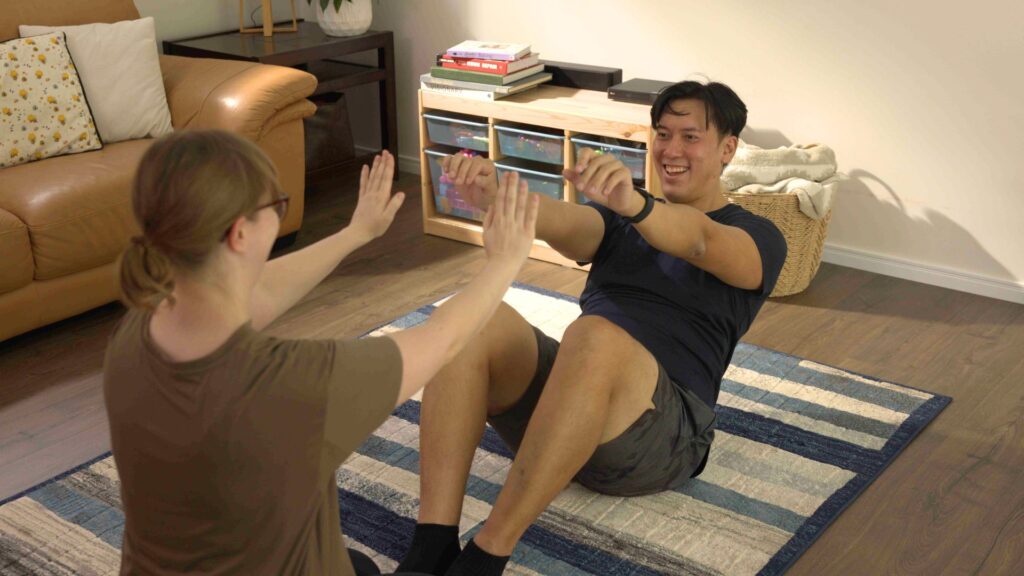
- Bodyweight exercises like squats, wall push-ups or seated leg lifts
- Dancing to music for a few minutes
Indoor options are especially useful during poor weather and make it easier to stay consistent2.
Adjust for cooler weather
While Queensland winters are milder than southern states, cooler temperatures can still affect motivation, particularly in inland or elevated regions.
Research shows people tend to become less active in colder weather, but staying active remains just as important for health3. To make it easier:
- Layer clothing to stay warm and comfortable
- Warm up indoors before heading outside
- Get active during the warmest part of the day
- Choose gentle activities like walking or stretching rather than intense workouts
Even a short walk in the sun can boost energy and improve mood.
Focus on how movement feels
When you’re tired, focusing on results (like fitness goals) can feel discouraging. Instead, pay attention to how movement makes you feel. Many people notice improved mood, clearer thinking, feeling “looser” in their body, and slightly higher energy after even light activity.
Regular movement supports heart health, reduces the risk of chronic disease and improves sleep quality, all of which can help combat ongoing fatigue4.
Build movement into your routine
Consistency matters more than intensity. Try linking activity to habits you already have. For example:
- Walk while taking phone calls
- Stretch while watching TV
- Do light chores between periods of sitting
Breaking up long periods of sedentary behaviour throughout the day (i.e. moving every 30-60 minutes) is strongly recommended in the Australian guidelines and can improve energy, mood and memory. Choose options that feel fun, manageable and appropriate for you and your environment.
Be kind to yourself
Not every day will feel the same and that’s okay. On particularly low-energy days, doing something small is still worthwhile. By focusing on consistency over intensity, you can maintain movement year-round and often feel more energised because of it.
However, if fatigue persists or feels unusual, it may be worth checking in with a health professional.