Retirement can be a significant life transition, bringing changes to work, routines and how we spend our time. While many Australians financially plan for retirement, having a plan to look after your health is just as important. Here are 5 healthy habits to stick with in retirement to help you thrive.
Healthy habits to prioritise in retirement
According to the Bureau of Statistics, the average age of retirement in Australia is 57, though this number is increasing.1 While many Australians look forward to retirement, some may experience feelings of social isolation and loneliness during this phase of life.2 Others may be managing chronic pain or other health conditions that influence how they stay active and participate in everyday life.
1. Find ways to move that you enjoy
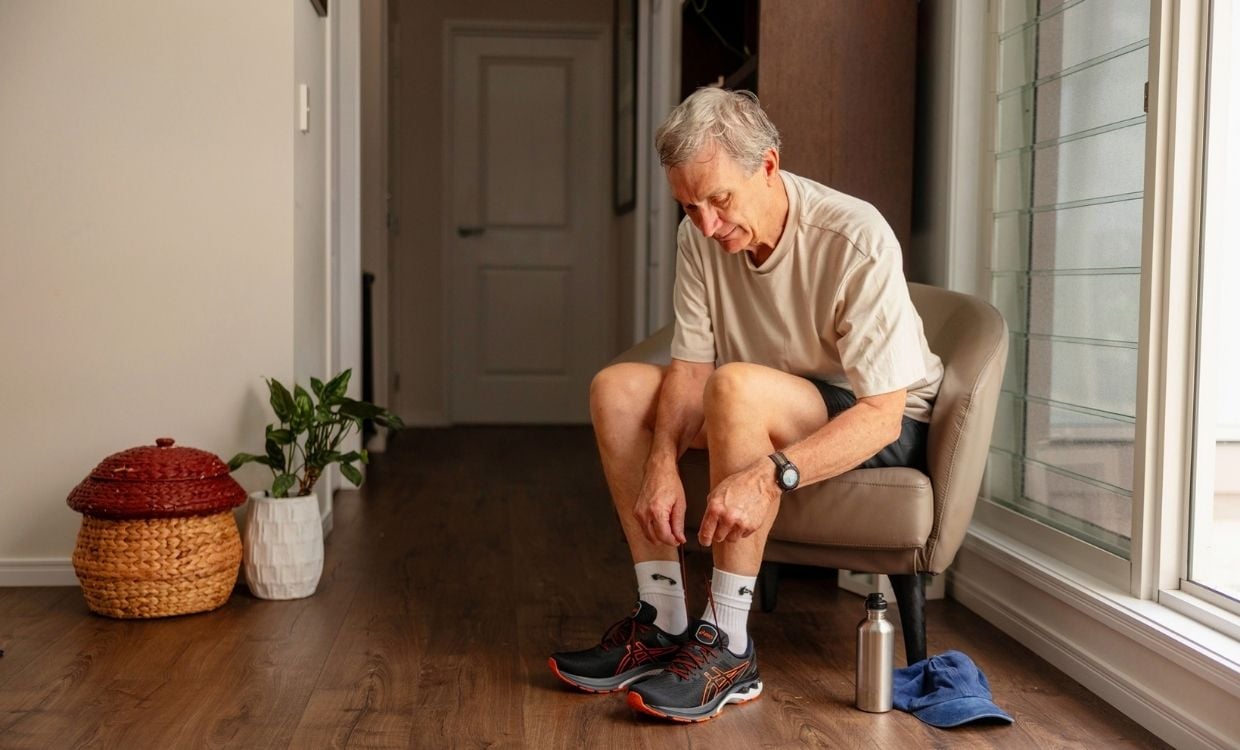
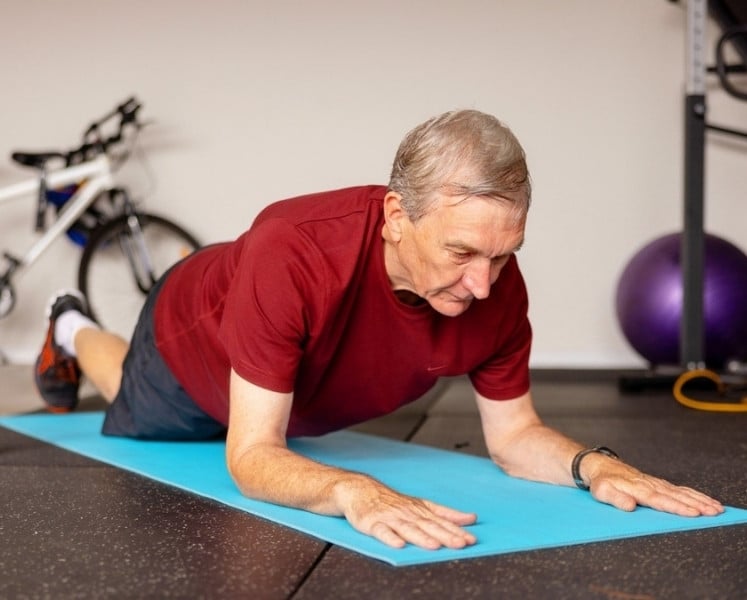
Regular physical activity can support physical and mental health and wellbeing as we age. There are many ways to be active, and finding activities you enjoy can make it easier to include movement in your everyday life.
The Australian 24-hour Movement Guidelines recommend that adults aged 65 years and over do:
- 30 minutes or more of moderate-vigorous physical activity on most days
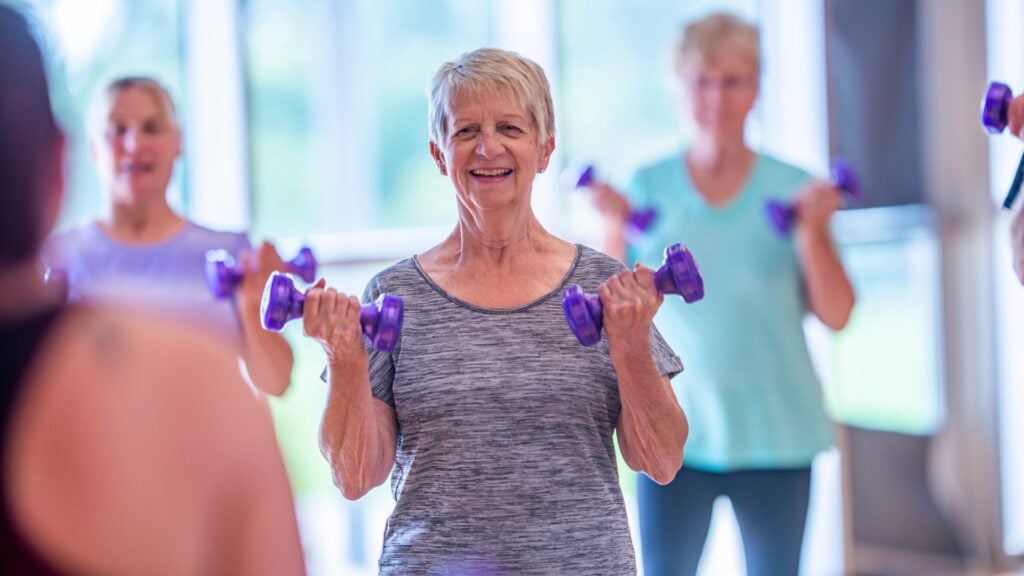
- Muscle strengthening activities 2 or more days a week
- Functional activities targeting mobility, balance, and coordination on 3 or more days per week
- Several hours of light-intensity physical activity during the day3
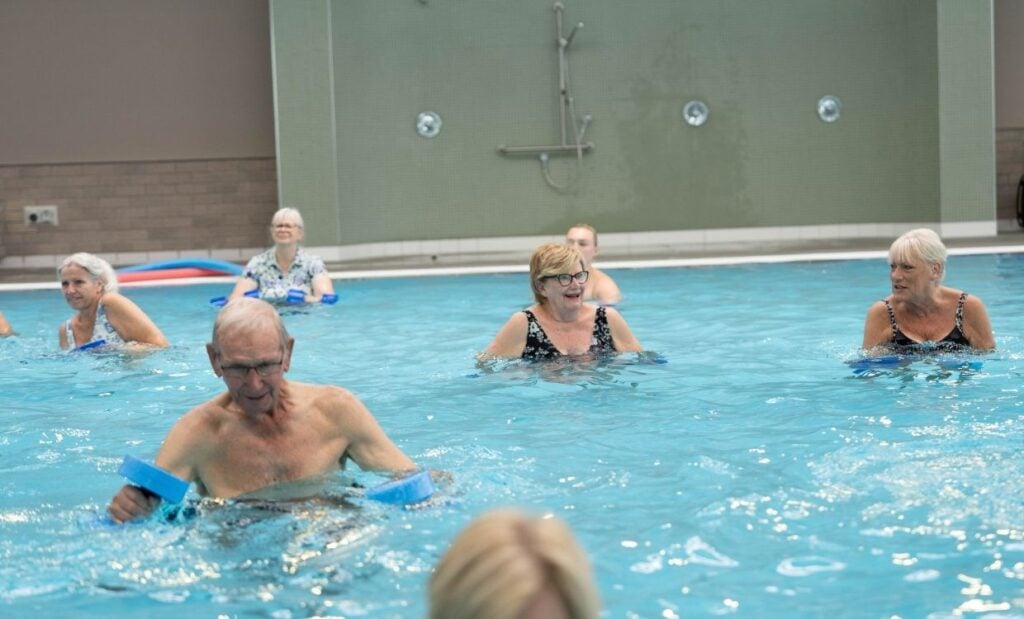
Moderate-vigorous physical activity includes activities where you are out of breath but still able to have a conversation. For example, a brisk walk, swimming laps, or bike riding at a moderate pace.
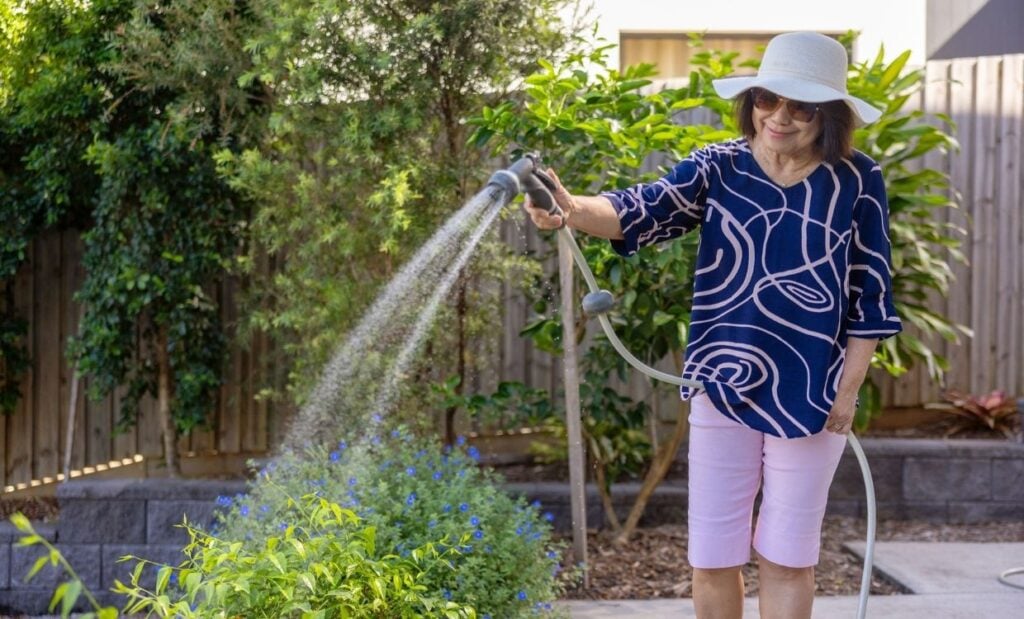
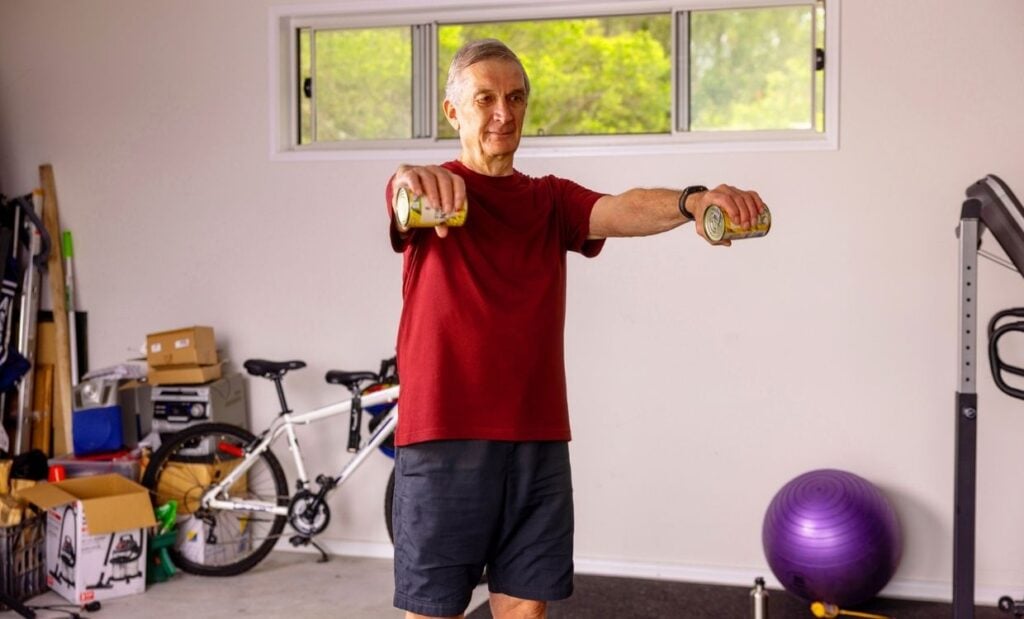
Muscle strengthening activities help you build and maintain muscle mass. For example, body-weight exercises like squats and lunges, and everyday activities like carrying full bags of groceries, or safely lifting and moving items while gardening.
Functional activities mimic daily life and involve multiple joints and muscles working together. They focus on improving the body’s ability to perform everyday movements safely and efficiently by increasing aerobic fitness, strength, balance, flexibility, and/or coordination.
Examples of functional activities include standing up and down from a chair, single leg stands (e.g. standing on one foot whilst brushing teeth), balancing on and stepping over obstacles, stepping up and down off a block, walking backwards and sideways, types of dance and three-dimensional exercise like yoga, Pilates, Tai Chi and Qigong.
Light-intensity activities include activities where it is easy to maintain a conversation while doing them. For example, light household chores, slow walking, standing while doing dishes, cooking, playing a musical instrument, stretching, shopping, fishing, and some recreational sports like golf.
Some activities can count toward multiple recommendations. For example, taking the stairs counts as moderate-intensity physical activity and a functional activity for mobility and balance.
Something is better than nothing
If you’re currently doing little physical activity, start with what feels manageable and gradually build up. Some physical activity is better than none, and there are many ways to move that can be adapted to different abilities, preferences and circumstances.
Finding ways to move that you enjoy is important to maintain healthy habits. Try tapping into free offerings in your local community. Contact your local council, community centre, or PCYC to see what options are available.
2. Enjoy a variety of nutritious foods
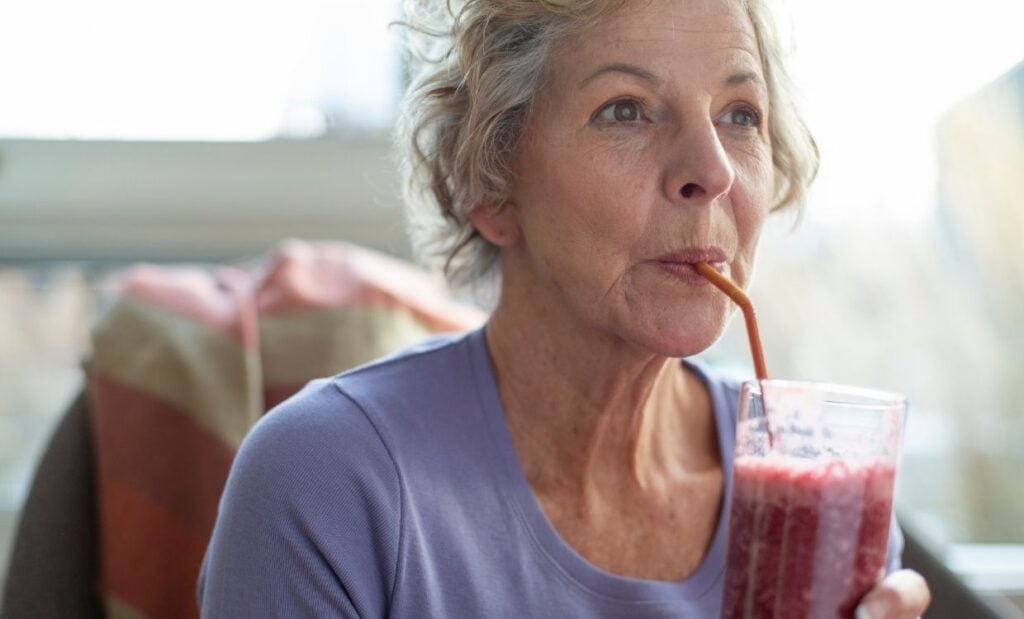
As we age, our dietary needs change too. Australian adults are encouraged to enjoy a wide variety of nutritious foods from the 5 food groups each day.4 A balanced dietary pattern can help support muscle strength, bone health and brain function, while also helping us stay active and independent.
Protein helps preserve muscle mass
As we age, it is important to eat 2.5 serves of lean meats and alternatives each day. These foods provide protein, which can help preserve muscle mass as we age. Good options include:
- lean beef, lamb, pork, chicken or fish
- eggs
- legumes, beans and lentils
- nuts and seeds
Dairy foods support bone health
Dairy foods provide important nutrients such as calcium and protein and can help maintain strong bones as we age. Food such as milk, yoghurt, ricotta and cheddar cheese are good sources of calcium. If you can’t eat dairy, then calcium-enriched alternatives such as soy milk or soy yoghurt are also good choices.
Men should aim for 3.5 serves of dairy foods each day, and women should aim for 4 serves. Try to include dairy or calcium-enriched alternatives across main meals and snacks throughout the day.
Fruit and vegetables support brain health
Fruit and vegetables provide essential vitamins, minerals and antioxidants that support overall health, including brain health. Adults should aim for:
- 5 serves of vegetables each day
- 2 serves of fruit each day
Including a variety of colours can help ensure you get a wide range of nutrients.
Simple ways to eat more vegetables include:
- adding an extra serve of vegetables to each meal
- adding salad to sandwiches and wraps
- mixing frozen or tinned vegetables into dishes such as pasta sauces, soups and curries
- keeping cut-up vegetables ready for snacks
Common barriers to healthy eating with ageing
Healthy eating can become more challenging with age. Common barriers may include:
- reduced appetite
- dental issues
- digestive problems
- changes in taste or smell
Eating small, regular meals can help if appetite is low. Choosing softer foods may also make eating easier for people with dental issues. Seeking support to help manage these challenges may be required to support ongoing healthy eating.
3. Prioritise good quality sleep
No more alarm clocks, public transport schedules, or peak hour traffic to contend with! Retirement removes the daily demands of the work week. And this can bring with it a change in sleep pattern.
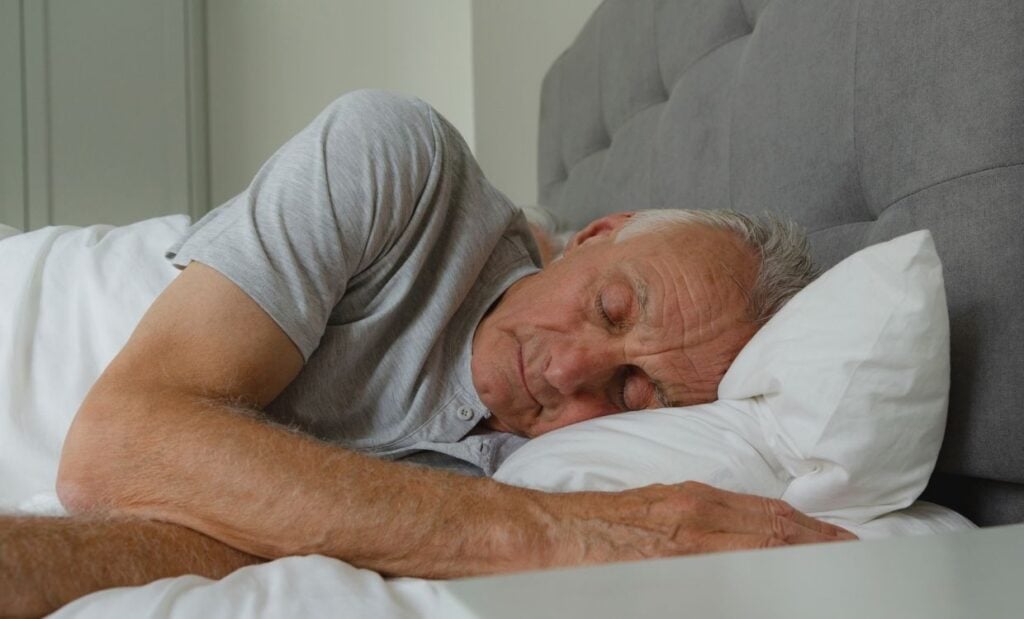
While it may be tempting to sleep in, or stay up late in your retirement, it’s better for your health to follow a consistent sleep routine.
The Australian 24-hour Movement Guidelines recommend that adults aged 65 years and over get 7-8 hours of good quality sleep with consistent bed and wake up times.
Having a calming bedtime routine can also help prepare your body for rest.3 Try to:
- limit screen time at least 1 hour before bed
- choose quiet activities like reading, writing, a jigsaw, or card game in the evening
- eat your dinner 2-3 hours before bedtime to give your body time to digest before sleep
- limit caffeine in the afternoons and choose water or herbal tea instead
Setting yourself up for good quality sleep will result in more energy the next day.
4. Invest in relationships
Feelings of loneliness or isolation can come as a surprise to some people in retirement.2 They might miss the daily interaction they once had with colleagues, the places they used to visit, and the purpose they once felt from their work. Maintaining social connections, or building new ones, is an important way to support your wellbeing.
Research suggests that strong social ties help lower the risk of dementia and type 2 diabetes, lowers blood pressure, and lengthens life expectancy.5,6
Maintaining friendships and investing in relationships is a good plan to have. It might be organising a weekly coffee catch up with an old friend or colleague, joining a group that shares your hobbies or interests, trying a new group exercise class, spending more time with grandchildren, or volunteering in your local community.
Being proactive about your social wellbeing can reduce feelings of loneliness and provide opportunities to create new connections with others throughout your retirement.

5. Train your brain
As you grow older, your brain undergoes natural physical and chemical shifts. Overall brain volume shrinks, particularly in areas like the frontal lobe and hippocampus. This can affect things like processing speed, multitasking, word recall, and focus.7
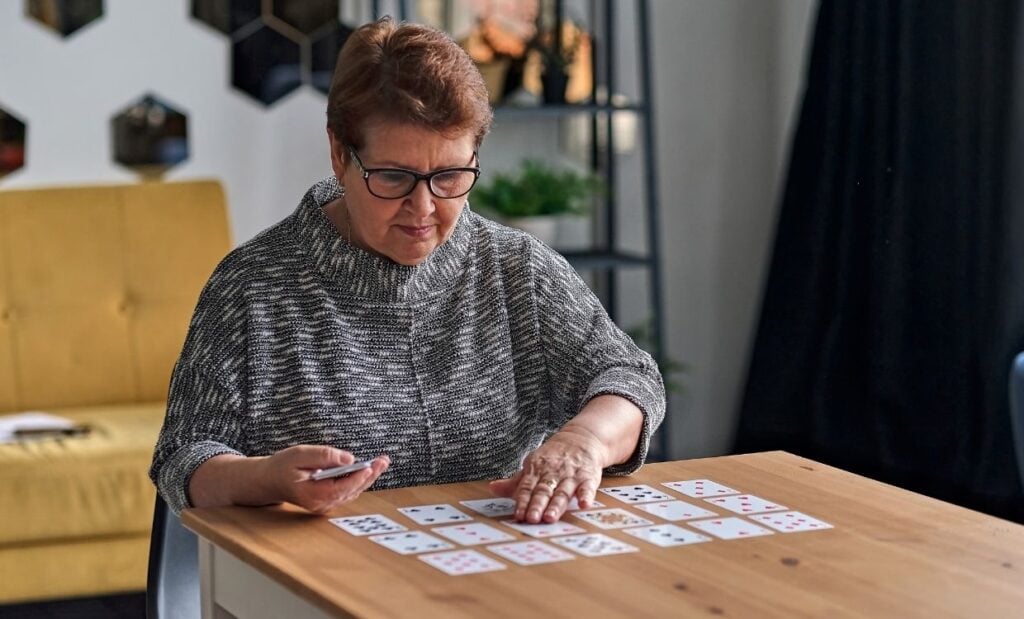
Keeping your brain active and stimulated during retirement is important. Puzzles, crosswords, math problems, and board games can all help stimulate new connections between brain cells and prevent cognitive decline.
Complex activities, like learning a musical instrument, language, or skill are great for the brain. So are activities that combine movement with memory and focus, such as dancing, yoga, tai chi, or tennis. Activities that encourage hand-eye coordination, such as drawing, painting, or knitting, are also beneficial.
You’re never too old to learn something new. In fact, it’s good for you!
A better quality of life
Thriving in retirement is not just about being financially prepared. Protecting your health and wellbeing in retirement and as we become older is important. By sticking to these 5 healthy habits, you can enjoy your retirement and what you’ve worked so hard for.
Related articles
- Exercising with chronic pain: finding what works for you
- Aging well into the future: what you need to prioritise now
- 4 ways to build connections to boost your wellbeing
Sources
- Australian Bureau of Statistics. (2025). Retirement and Retirement Intentions, Australia. Published 31 October, 2025. Accessed 7 August, 2026. https://www.abs.gov.au/statistics/labour/employment-and-unemployment/retirement-and-retirement-intentions-australia/latest-release
- Cansdale, D. (2023). Retirement can lead to social isolation and loneliness, but also new friends and purpose. ABC News online. Published 19 February, 2023. Accessed 7 August, 2026. https://www.abc.net.au/news/2023-02-19/retirees-find-new-social-scene-overcome-isolation-loneliness/101928696
- Department of Health, Disability and Ageing. (2026). 24-hour movement guidelines for older adults (65 years and over). Updated 16 March, 2026. Accessed 7 August, 2026. https://www.health.gov.au/topics/physical-activity/24-hour-movement-guidelines-for-all-australians/recommendations-for-older-adults-65-years-and-over
- Eat for Health. (2026). The five food groups. Accessed 7 August, 2026. https://www.eatforhealth.gov.au/food-essentials/five-food-groups
- National Academies of Sciences, Engineering, and Medicine; Division of Behavioral and Social Sciences and Education; Health and Medicine Division; Board on Behavioral, Cognitive, and Sensory Sciences; Board on Health Sciences Policy; Committee on the Health and Medical Dimensions of Social Isolation and Loneliness in Older Adults. Social Isolation and Loneliness in Older Adults: Opportunities for the Health Care System. Washington (DC): National Academies Press (US); 2020 Feb 27. 3, Health Impacts of Social Isolation and Loneliness on Morbidity and Quality of Life. Available from: https://www.ncbi.nlm.nih.gov/books/NBK557983/
- Harvard Health Publishing. (2022). Harvard Medical School. 12 ways to keep your brain young. Published 13 May, 2022. Accessed 7 August, 2026. https://www.health.harvard.edu/mind-and-mood/12-ways-to-keep-your-brain-young
- National Institute of Aging. (2023). How the Aging Brain Affects Thinking. Reviewed 27 June, 2023. Accessed 7 August, 2026. https://www.nia.nih.gov/health/brain-health/how-aging-brain-affects-thinking