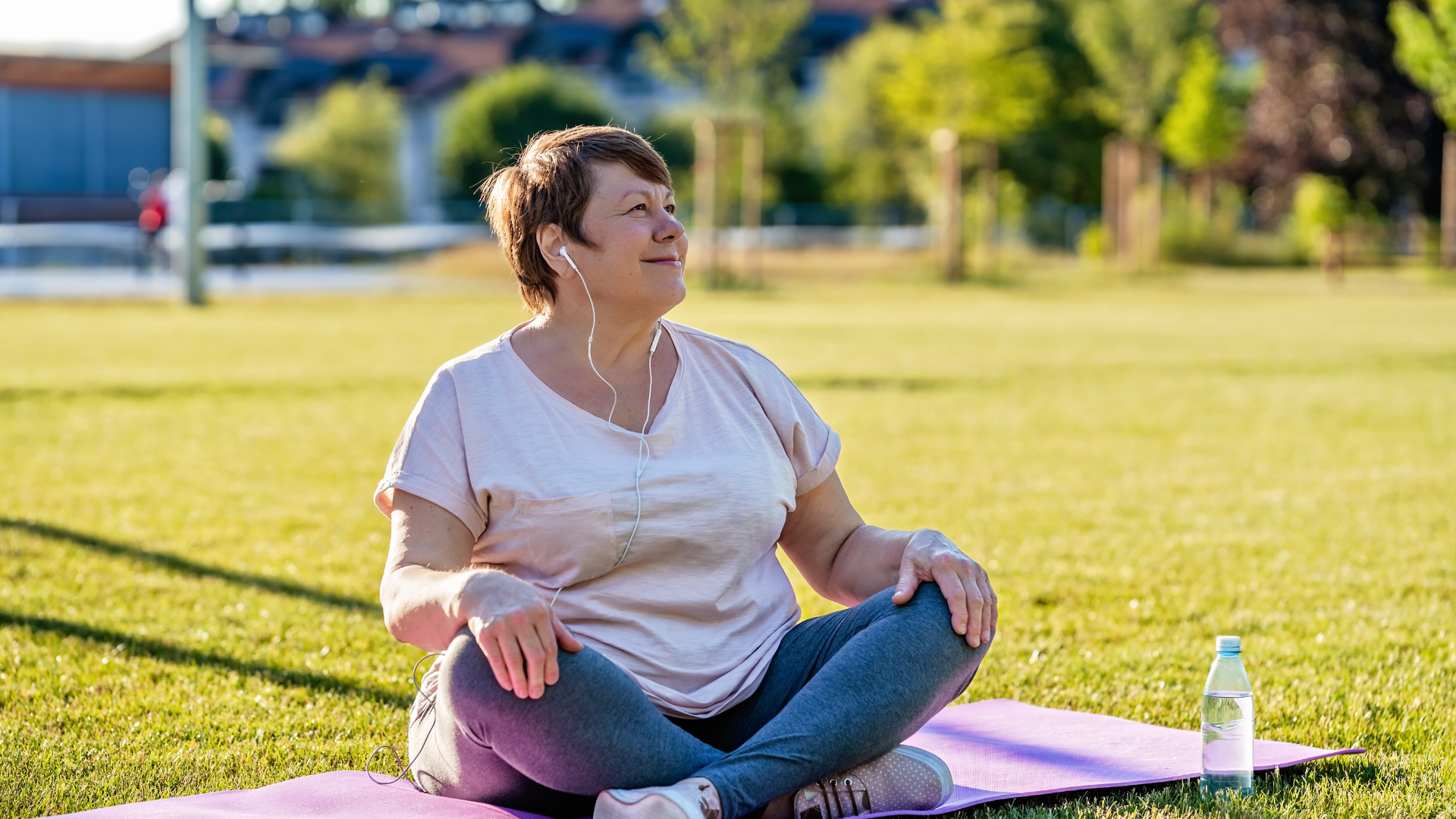
Perimenopause can bring unexpected changes, but one thing remains constant: moving your body is one of the best ways to feel better, inside and out.
Perimenopause is a natural transition in a woman’s life marking the shift toward menopause. This phase often brings a range of physical, emotional and mental changes which can significantly impact a woman’s wellbeing. Studies show engaging in regular physical activity during the perimenopause phase can help to manage symptoms and support women through a smoother transition.
What is perimenopause and how can it physically affect women?
Menopause refers to the final menstrual period and marks the end of a woman’s reproductive years, but the transition doesn’t happen overnight. Perimenopause can last several years and begins with the first signs of menstrual irregularly1.
Estrogen, a key hormone for reproductive health, fluctuates significantly during this time and declines after menopause. These hormonal shifts don’t just affect reproductive health, but can also impact other areas, such as muscle, bone, heart and brain health.
Many women experience a range of symptoms including hot flushes, sleep disturbances, mood swings, brain fog, joint pain, or simply ‘not feeling like myself’. The perimenopausal period also brings an increased risk of developing chronic disease, such as cardiovascular disease and type 2 diabetes2.
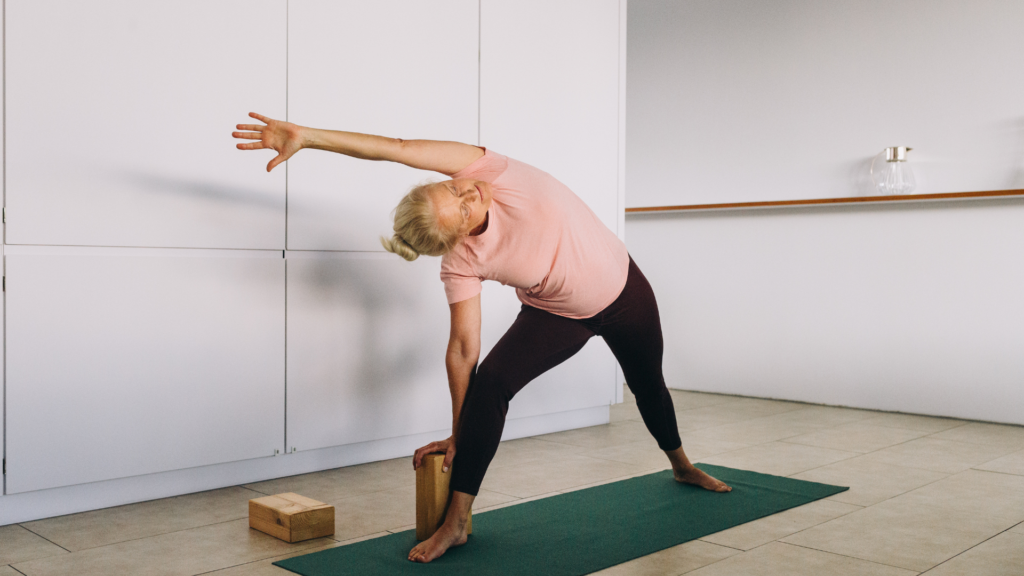
How can physical activity help manage the symptoms?
Regular physical activity benefits both body and mind, making it especially important for women in the perimenopausal period.
Research shows physical activity during perimenopause can:
- Improve sleep quality and ease symptoms of insomnia3
- Reduce occurrences of hot flushes4
- Improve mental health and wellbeing5
- Support bone health and reduces the risk of osteopenia, osteoporosis and fractures6
- Reduce the risk of developing cardiovascular and metabolic diseases such as hypertension and type 2 diabetes2
What type of physical activity is beneficial during perimenopause?
The Australian Government’s 24-hour movement guidelines recommend adults (18-64 years) should aim for at least 2.5 hours of moderate to vigorous intensity physical activities each week. That’s about 30 minutes on most days of the week. Also aim for several hours of light-intensity activity each day7.
- Moderate intensity activities include brisk walking, golf or mowing the lawn
- Vigorous intensity activities include jogging, soccer or netball
- Light intensity activities include gentle walking, casual gardening, stretching and light household chores.
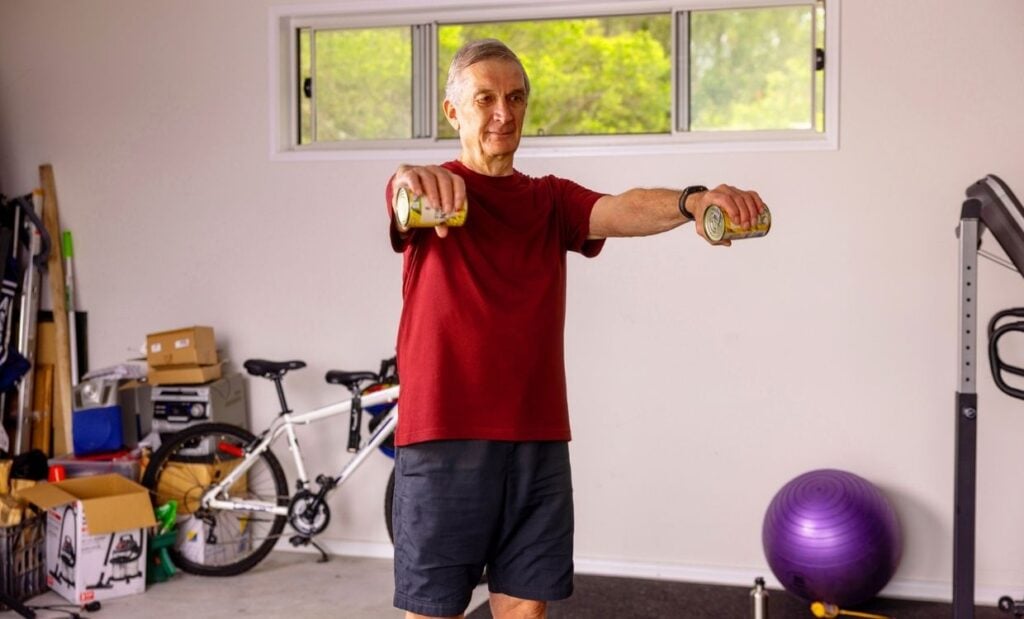
Muscle-strengthening activities, such as lifting weights or completing household tasks that involve lifting, carrying or digging, are also recommended on at least 2 non-consecutive days of the week7.
The best type of physical activity is the one that you enjoy! Whether it’s dancing, hiking or gardening, moving in a way that raises your heart rate and strengthens your muscles will support your health.
Additional considerations for staying active during perimenopause:
Weight-bearing activity
Bone mineral density is a measure of the density or thickness of bone and is seen to naturally decline during perimenopause and continue to decrease in the 10 years following menopause8,9. Lower bone density increases the risk of fractures, so weight bearing exercises such as dancing, hiking, pickleball, or resistance training can help keep bones strong.
Pelvic floor muscle training
The pelvic floor is a group of muscles that support the pelvic organs. With the change in hormone levels during perimenopause, these muscles can become weaker, contributing to symptoms such as urinary incontinence. But just like every other muscle, the pelvic floor can be trained and strengthened.
When doing pelvic floor exercises, it’s important to control both the contraction (i.e. the squeeze) and the relaxation (i.e. the release) of the pelvic floor muscles. Try building these exercises into your daily routine such as while brushing your teeth, boiling the kettle, or when lying in bed before you fall asleep at night.
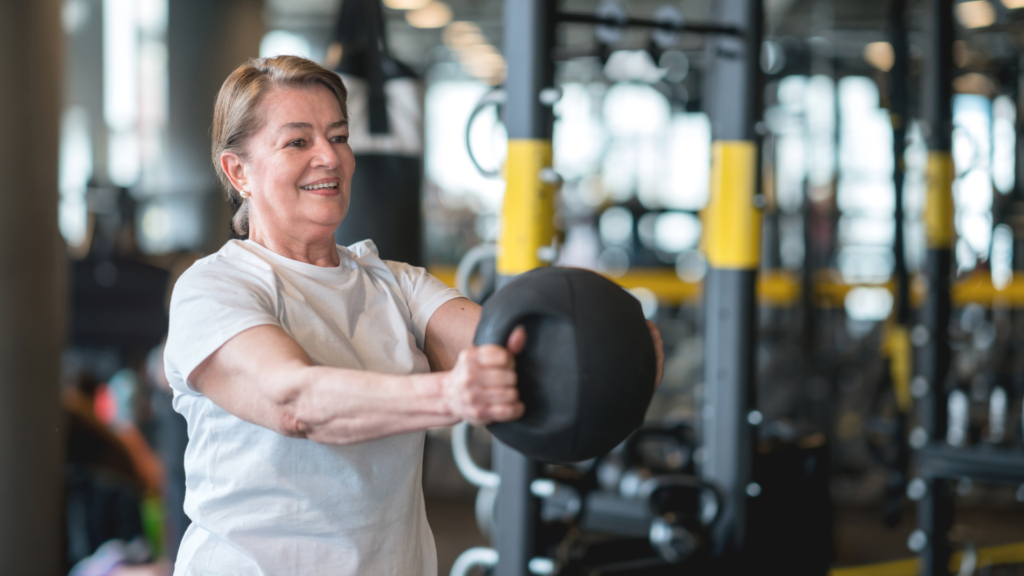
Tips for staying active during perimenopause
- Warm up and cool down to reduce the risk of injury and help your body adjust to activity.
- Be mindful with high-impact movements: If you have lower bone density, avoid activities with a high risk of falls such as movement on unstable or slippery surfaces. You may also want to consider working with an exercise professional for extra guidance.
- Stay cool: Exercising in cooler environments or shaded areas can help minimise hot flush triggers.
Keeping active beyond perimenopause
Physical activity remains essential beyond perimenopause. While your response to exercise and the types of physical activity may change over time, continuing to perform regular exercise that challenges both your aerobic and muscular fitness, including weight-bearing activity and pelvic floor training, will help support long-term health.
Get support
If you’re new to exercise, trying something different, or have specific health concerns, seek guidance from a GP or an exercise professional. They can help you find the best way to stay activity to support yourself during perimenopause and beyond.