

Ditch the takeaway: How to eat cheaper and healthier at home
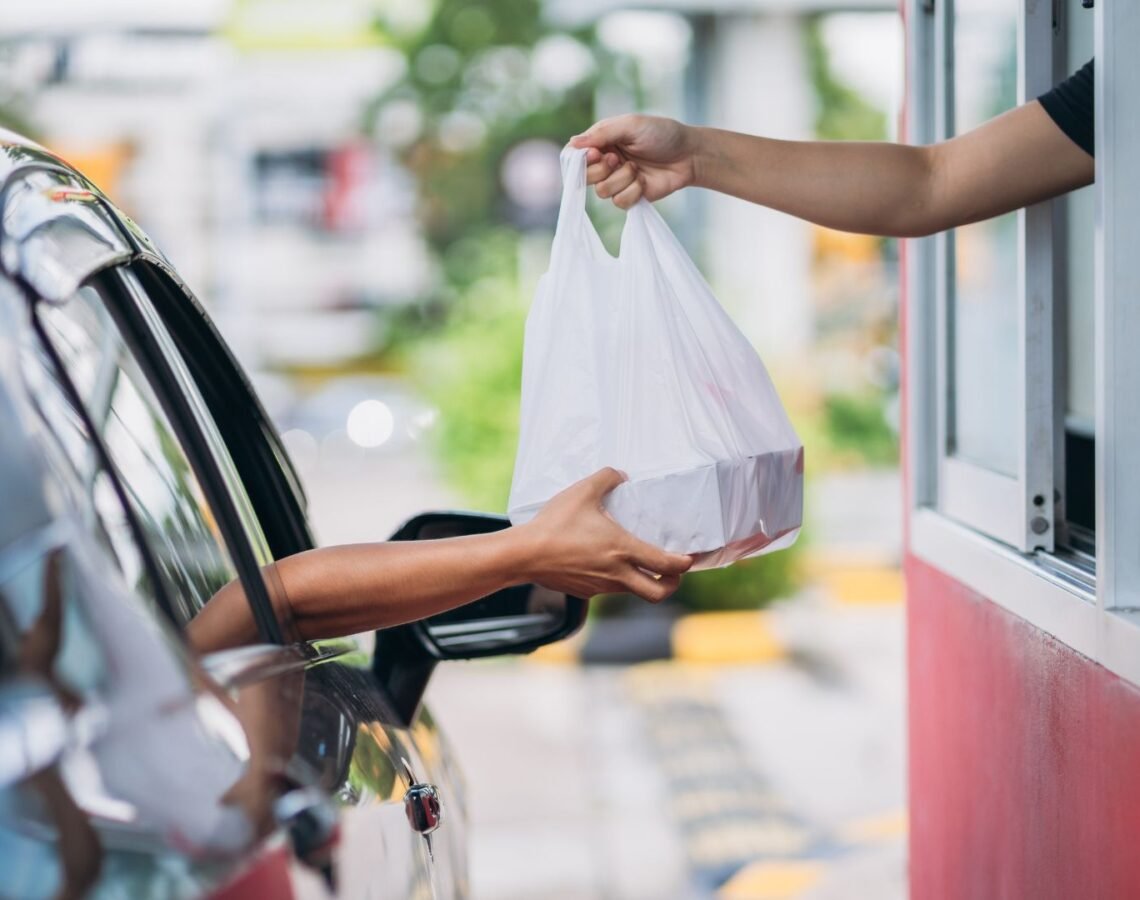
It’s 6pm on a Thursday. You’re tired, the kitchen’s a mess, and ordering takeaway feels easier than chopping an onion. We’ve all been there. But here’s the thing; swapping takeaway for home cooking could be one of the simplest ways to save money, support your mental health and boost your physical health too. With a little planning and some smart swaps, you can enjoy meals that are fresher, more nutritious, and kinder to your wallet, without spending hours in the kitchen.
Why is takeaway and eating out unhealthy? The hidden costs to your body and budget
1 in 2 Queenslanders report eating out of home at least one a week, and 85% of Queensland adults report eating out at least once a month. While this can feel convenient, regularly relying on takeaway can make it more challenging to maintain healthy eating habits.
To stay healthy, the Australian Dietary Guidelines encourage Australians to enjoy a wide variety of fruits, vegetables, lean meats, dairy and grains, while limiting saturated fat, added salt, added sugars and alcohol.1,2
Many fast food meals are high in saturated fats, salt and energy, but low in fibre, vitamins, and minerals that our bodies need to stay healthy. Some takeaway meals can provide more than half of an adult’s daily energy needs, which means eating them regularly can affect weight or body composition goals.
Foods high in saturated fat and salt are also linked to a higher long-term risk of chronic conditions such as heart disease, diabetes, and stroke. Because these meals often lack fibre and essential nutrients, relying on them can impact energy levels, sleep, digestion, gut health, and even mental wellbeing.
The cost of takeaway food and delivery
Australians that use food delivery apps spend on average $60 per week on food delivery services.3 That’s roughly $240 per month, or $3120 per year! For perspective, Australians spend on average $180 per week on groceries ($9360 per year).4
How cooking at home improves your health
Cooking at home comes with plenty of advantages that go beyond just what’s on your plate.
You control the ingredients
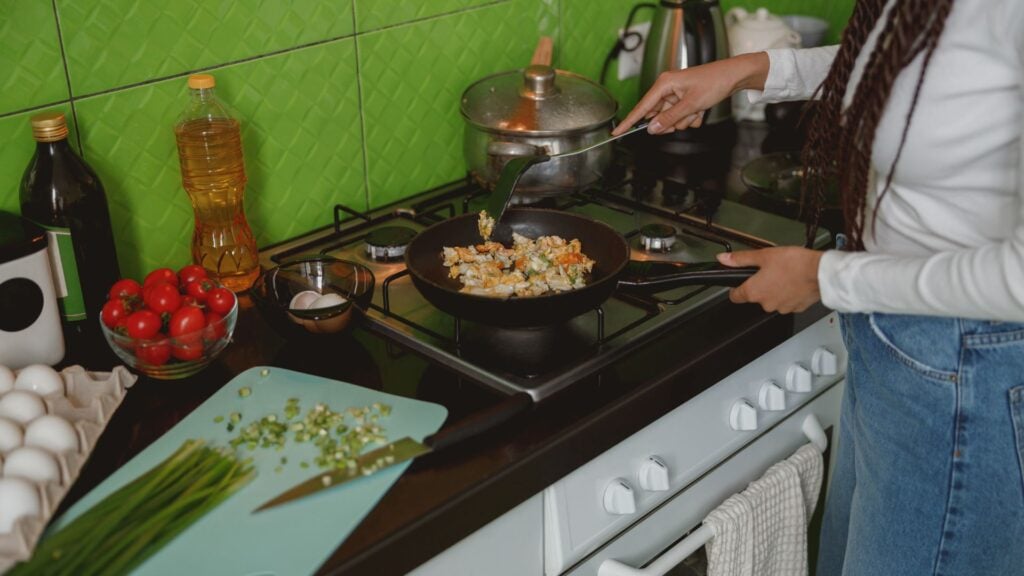
When you cook for yourself, you’re in full control of what goes into your food. By cooking at home you can choose healthy proteins like lean meat and poultry, fish, eggs and tofu, load up on vegetables, and create tasty foods without relying on salt to spice things up.5 Takeaway and restaurant meals often forgo the veggie component, which creates a meal that is off-balance. Eating at home and using frozen veg or a side salad creates a more balanced meal that’s good for your body.
Portion sizes that work for your body
Takeaway and restaurant servings are often oversized, leading to overeating or waste.6 At home, you can decide on portions that suit you and your family’s needs, helping everyone feel satisfied without overdoing it.
Better nutrition for your body
Home-cooked meals made with fresh and unprocessed ingredients are often more nutritious, with more fibre, vitamins, and minerals that support your overall health and wellbeing compared to typical takeaway options.
How to make cooking at home easier (even on busy nights)
Stock your pantry with some of the basics
Keep essentials on hand like tinned tomatoes, tinned fish, canned beans (such as black beans, baked beans, chickpeas or lentils), pasta, rice, dried herbs and spices, olive oil, and stock cubes. Have some frozen vegetables and cheese in your fridge/freezer. With these staples, you can whip up a quick pasta, stir-fry, or curry without a special trip to the shops. Plus, sticking to the 5 food groups saves you money.7
Prep ingredients on the weekend for quick weeknight meals
Not every meal needs to be gourmet. Start with simple recipes to master and rotate through the week.
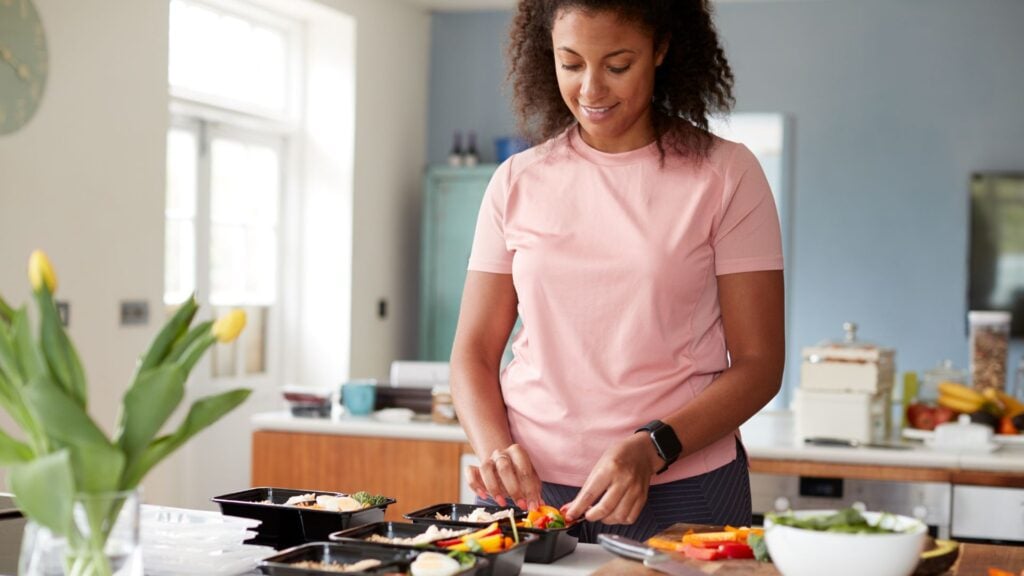
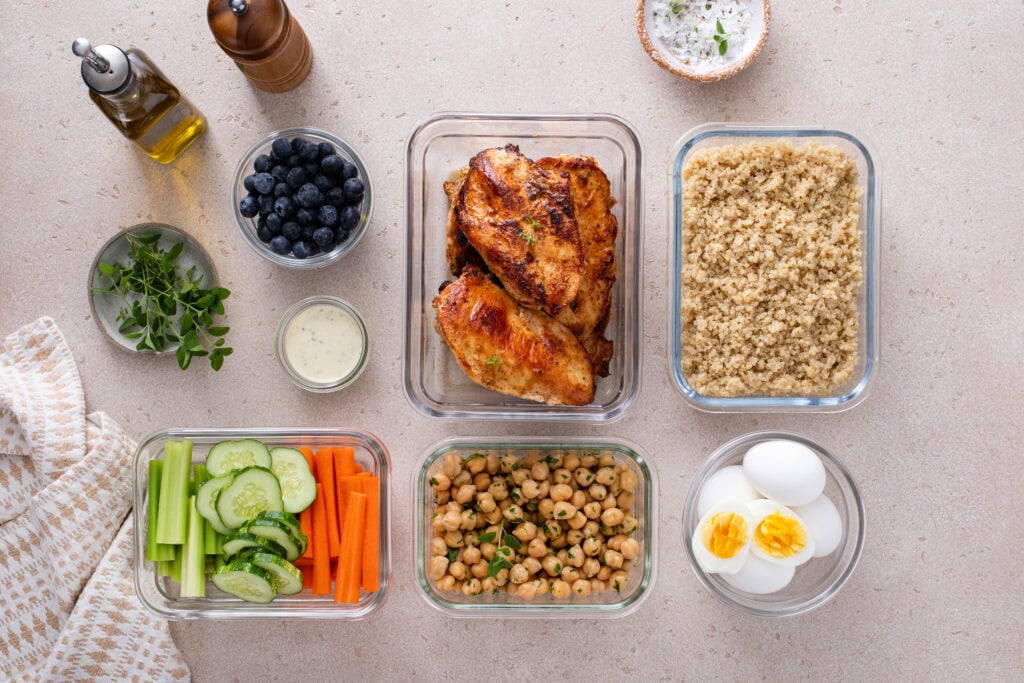
Try spending 30-60 minutes on the weekend chopping or grating vegetables, marinating meat or tofu, or cooking a big batch of rice. Store everything in containers so weeknight dinners come together in minutes. Using pre-prepared vegetables or salad packets can make mealtime even quicker and simpler.
Keep it easy
You don’t need to cook every meal from scratch. Fried rice made with frozen veggies and egg, stir-fries made with instant noodles, pasta made with jar of sauce plus lentils and grated fresh vegetables – these are all meals that are half-prepared for us at the shops and can be finished at home in under 15 minutes.
Use a slow cooker or rice cooker
Let the appliances do the work for you. 10 minutes of prep in the morning can create a ready-made meal when you walk in the door at night. Slow cookers are great for preparing curries and casseroles. Rice cookers can handle grains, steamed vegetables, and even one-pot dishes.
Home cooked recipes that feel like takeaway
Sometimes you crave a takeaway option, but with a little thought you can easily recreate your favourite flavours at home, often in less time than it takes for delivery to arrive, and less cost.
TAKEAWAY
SWAP FOR
| Takeaway pizza | BBQ chicken and veg pizza |
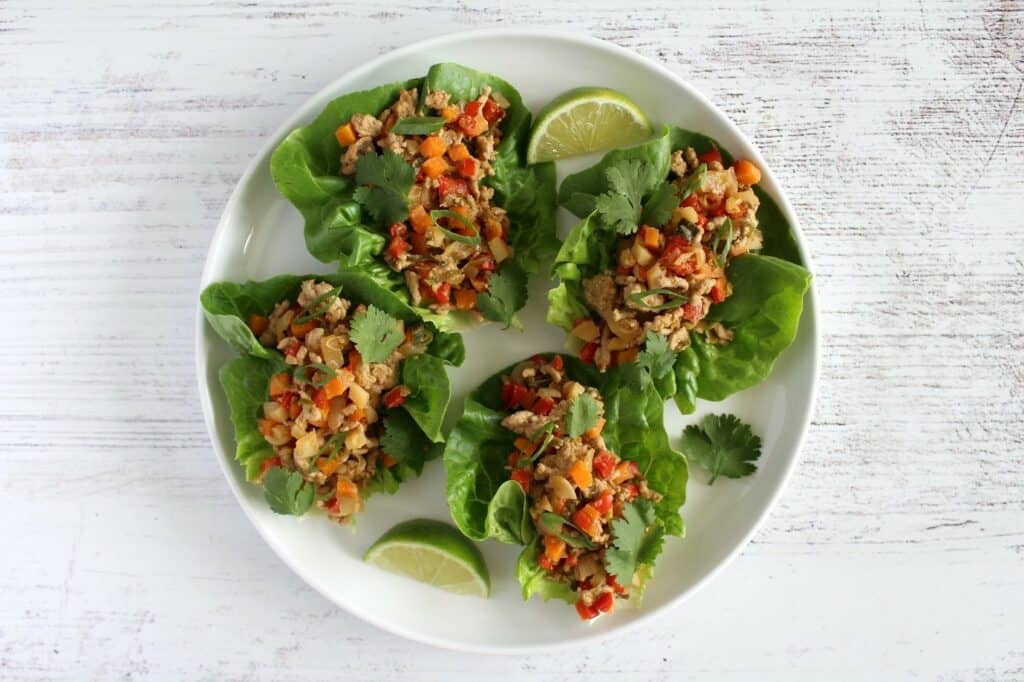
| Asian takeaway | Ginger veggie stir fry San Choy Bow |
| Italian pasta takeaway | Fully loaded (with veggies) spaghetti bolognese Chicken pesto pasta |
| Mexican takeaway | Chicken and avocado soft tacos One pot beans and rice |
| Indian curry takeaway | Pumpkin, chickpea and coconut curry |
Planning and prepping meals in advance will help you eat better, stick to your budget and be prepared for busy days when you are short on time.
Smart choices when you eat out or order takeaway
Of course, eating out from time to time is fine and something most of us enjoy. But if it’s a regular part of your routine, making a few mindful choices can help keep your meals balanced and nourishing.
- Choose lean meats, like grilled, baked or poached chicken or fish, rather than fried, crumbed or battered.
- Pick veggie-loaded meals or add a side that contains plenty of vegetables.
- Choose an entree-sized main and add on to it with side vegetables or salad.
- Opt for tomato-based sauces or vinegar-based dressings instead of creamy options.
- Pick cafés or restaurants that are known to offer healthier menu options.
- Choose water instead of soft drinks or alcohol.
While you don’t need to give up takeaways entirely, cooking at home can give you more control over your health, some extra cash in your pocket, and the satisfaction of creating something nourishing with your own hands.
Sources
1. Eat for Health. (2026). The five food groups. Accessed 19 January 2026. https://www.eatforhealth.gov.au/food-essentials/five-food-groups
2. Eat for Health. (2026). Fat, salt, sugar and alcohol. Accessed 19 January 2026. https://www.eatforhealth.gov.au/food-essentials/fat-salt-sugars-and-alcohol
3. Heckscher, D. (2024). What’s the average spend on food delivery apps? Published 11 May 2024. Accessed 4 February 2026. https://www.canstarblue.com.au/stores-services/average-food-delivery-cost/
4. Lawrence, M. (2025). What is the average grocery bill? Published 11 August, 2025. Accessed 5 February 2026. https://www.canstarblue.com.au/groceries/average-grocery-bill/
5. Eat for Health. (2026). Lean meat and poultry, fish, eggs, tofu, nuts and seeds and legumes/beans. Accessed 5 February 2026. https://www.eatforhealth.gov.au/food-essentials/five-food-groups/lean-meat-and-poultry-fish-eggs-tofu-nuts-and-seeds-and
6. Department of Health and Aged Care (2024). Industry Guide to Voluntary Serving Size Reduction. Last updated 17 November 2025. Accessed 5 February 2026. https://www.health.gov.au/our-work/healthy-food-partnership/industry-guide-to-voluntary-serving-size-reduction
7. Dietitians Australia. (2022). Research shows eating for health and sustainability is cheaper for the household budget (and better for the planet). Published 18 August 2022. https://dietitiansaustralia.org.au/about-us/media-centre/new-research-shows-eating-health-and-sustainability-cheaper-household-budget-and-better-planet-media
8. Queensland Health. (2019). Healthy eating out, take-away & convenience meals. Accessed 19 January 2026. https://www.health.qld.gov.au/__data/assets/pdf_file/0025/148615/wtmgt_takeaway.pdf
9. Nutrition Australia (2026). Healthier eating out or takeaway. Accessed 19 January 2026. https://nutritionaustralia.org/resources/healthier-eating-out-and-takeaway/
10. Health and Wellbeing Queensland. (2023). Eating out in Queensland: Understanding the drivers behind food choice. Published 29 May 2023. Accessed 19 January 2026. https://hw.qld.gov.au/wp-content/uploads/2023/05/The-Queensland-Consumer-Market-Research-for-Food-Environment-study-2022-Insights-Report_.pdf
Acknowledgment
Content developed by Health and Wellbeing Queensland’s team of expert nutritionists.