Healthy kids

From their first years to their teenage ones, kids go through many changes and their health needs change with them. What they eat, how they move, how they sleep and how they feel all play a role in raising happy, healthy children

Helping your kids eat well, move more and sleep better

There’s no single right way to do it, and every family looks different, but the small, everyday habits you build together really do add up. Across Queensland, parents and carers are finding simple ways to help their families eat well, move more and sleep better. From healthy lunchboxes and active play to bedtime routines which support growing minds and bodies.

Whether you’re raising a toddler, navigating primary school or parenting a teenager, you’ll find helpful tips below created specifically for Queensland families.

Resources for families

Build healthy family habits

Find free daily inspiration for family wellbeing including easy recipes, fun movement ideas and practical sleep tips backed by research. 

What do kids really need each day?

Australian guidelines recommend children get the right balance of four key behaviours every 24 hours: nutritious food, active movement, quality sleep, and limited sedentary screen time. Together these form the foundation of a child’s physical and mental wellbeing.

Eat

5 food groups

Vegetables, fruit, wholegrains, dairy and lean-meats/legumes across 3 main meals and 2-3 nutritious snacks

Move

60 min/day

Moderate to vigorous physical activity, including vigorous activity at least 3 days a week

Sleep

9–11 hrs

Uninterrupted sleep each night. For teens aged 14–17, they need 8–10 hours.

Screens

Birth - 17 years

For children under 2 years, no screen time is recommended.

For children 3-5 years, no more than 1 hour per day.

For children 6-17 years, no more than 2 hours per day.

Healthy eating for kids

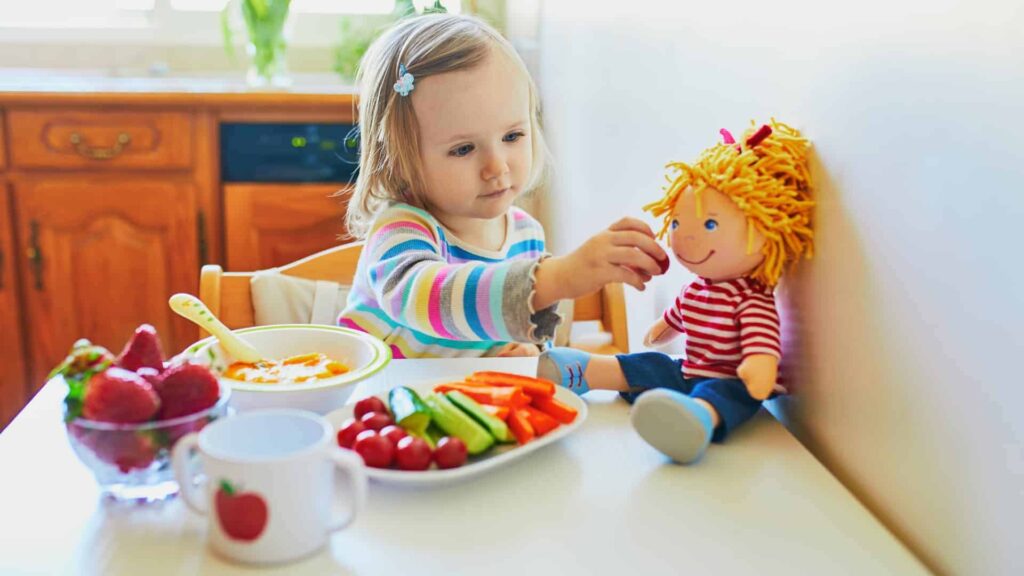
Good nutrition gives kids the energy they need to play, learn and grow. Supporting children to learn to enjoy the taste of fruit and vegetables is easiest when does as a family. This helps to build healthy eating habits as a family, which will support their health and wellbeing now and into the future.


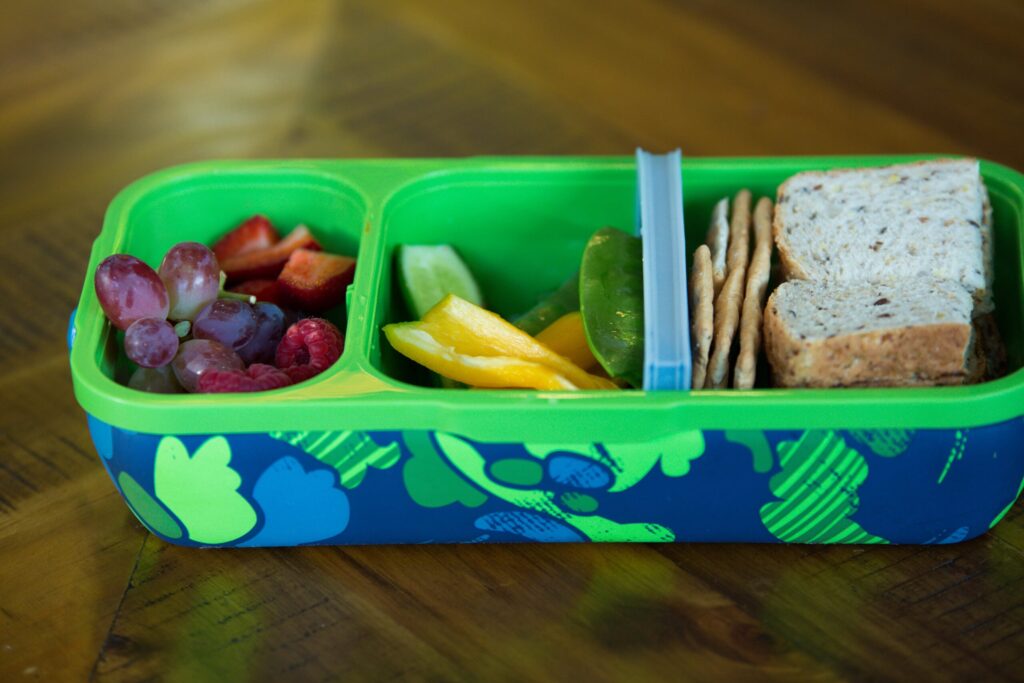
From fussy eating tips and budget family meals to understanding the uneaten lunchbox, there are plenty of simple ways to make mealtimes feel easy, stress-free and enjoyable for the whole family.

Physical activity for children

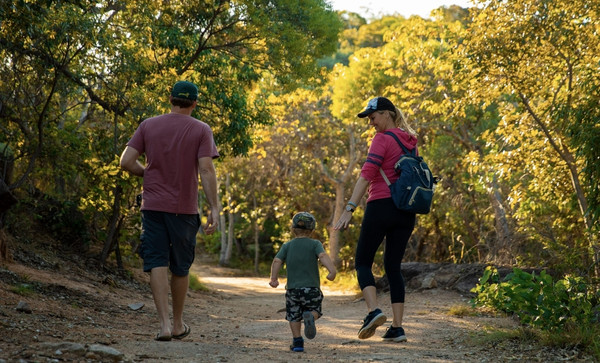
Physical activity or movement in childhood helps build strong bones and muscles, supports a healthy weight, improves mood and concentration, and supports better sleep at night. With screens often competing for attention, many children aren’t getting the recommended 60 minutes of movement or physical activity each day.


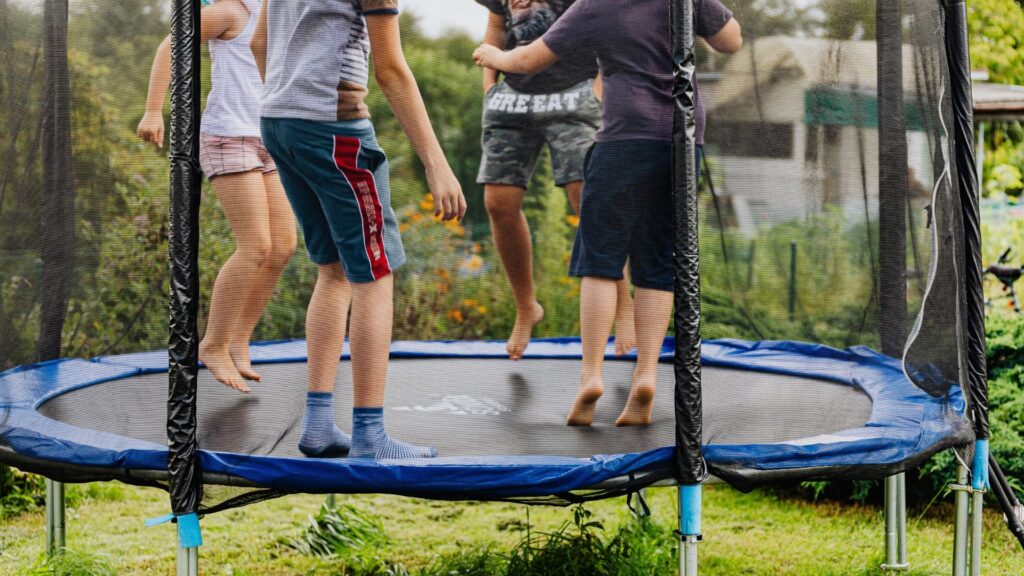
Physical activity doesn’t have to mean organised sport. Playing in the backyard, walking or cycling to school or dancing around the living room all count. The key is finding ways to move that feel fun and fit naturally into your family’s routine.

Kids sleep and screen time

Excessive recreational screen time (particularly in the hour before bed) can disrupt melatonin production and make it harder for children to fall and stay asleep. Getting the balance right supports better concentration, mood, behaviour, and overall health.

Educational screen time, used at the right time of day, can support learning, curiosity, and creativity. Shifting these activities to after school rather than after dinner can make a real difference to quality of sleep.

  • Children aged 5–13 years need 9 to 11 hours of uninterrupted sleep each night.
  • Teenagers aged 14–17 years need 8 to 10 hours. Setting consistent bedtime routines and keeping screens out of the bedroom at night are effective steps parents can take.

Sleep and screen time for kids

Sleep and screen time are closely connected. Excessive recreational screen time (particularly in the hour before bed) can disrupt melatonin production and make it harder for children to fall and stay asleep. Getting the balance right supports better concentration, mood, behaviour, and overall health.

Educational screen time, used at the right time of day, can support learning, curiosity, and creativity. Shifting these activities to after school rather than after dinner can make a real difference to quality of sleep.

Children aged 5–13 years need 9 to 11 hours of uninterrupted sleep each night. Teenagers aged 14–17 years need 8 to 10 hours. Setting consistent bedtime routines and keeping screens out of the bedroom at night are 2 of the most effective steps parents can take.

Podsquad

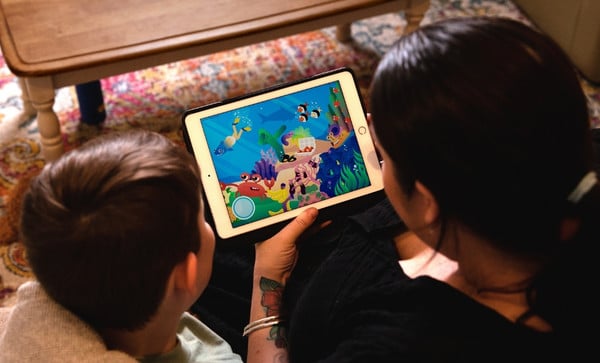
Podsquad is a free app-based health program designed for children aged 5–12 and their families. Using behavioural science and play based learning, it helps families build lasting healthy habits across nutrition, physical activity, and sleep through engaging, reward-driven activities both online and in everyday life.

Cooking skills

Knowing how to cook is one of the most valuable life skills you can give your child. It builds independence, confidence, and lays the foundation for healthy eating habits that are affordable and will stick well into adulthood.


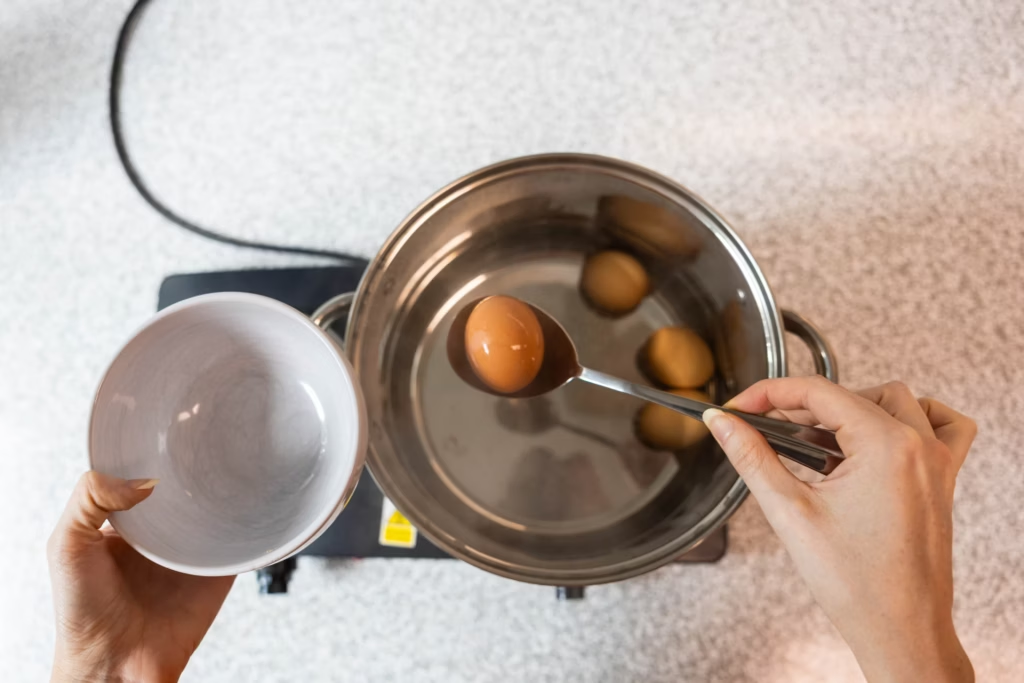
Our step-by-step cooking skills are designed to guide kids and adults alike through essential kitchen techniques at their own pace, from boiling the perfect egg to finely dicing onion and cooking al dente pasta. Each skill builds on the last, so kids feel calm and capable every time they step into the kitchen.


Spills, mistakes and burnt toast are all part of learning. The more kids cook, the more confident they become.

Healthy habits for kids

Building healthy habits doesn’t require a big overhaul of family life. Research consistently shows that children whose parents’ model healthy behaviours, such as eating well, being active and maintaining a regular sleep schedule, are more likely to adopt those same habits themselves. The most powerful thing you can do is make healthy choices every day for yourself, and your children will follow suit.  

Start small: eating breakfast before racing out the door. One extra vegetable on the plate. Fruit as the first snack of the day. A walk after dinner. Phones out of the bedroom at night. Over time, these small shifts add up to lasting change.