PRECONCEPTION HEALTH
Before the Baby Bump
Making healthy choices now, before you start trying for a baby, sets you up for a healthier, easier pregnancy and the best possible start for your future child.
Why health before the baby bump matters
Getting ready for pregnancy starts well before conception. Small health changes can support your fertility, promote a healthy pregnancy and give your baby the best start in life. ‘Before the baby bump’ describes the time before you are pregnant, when you might be thinking about having a baby, or starting to try for one. It is called preconception.
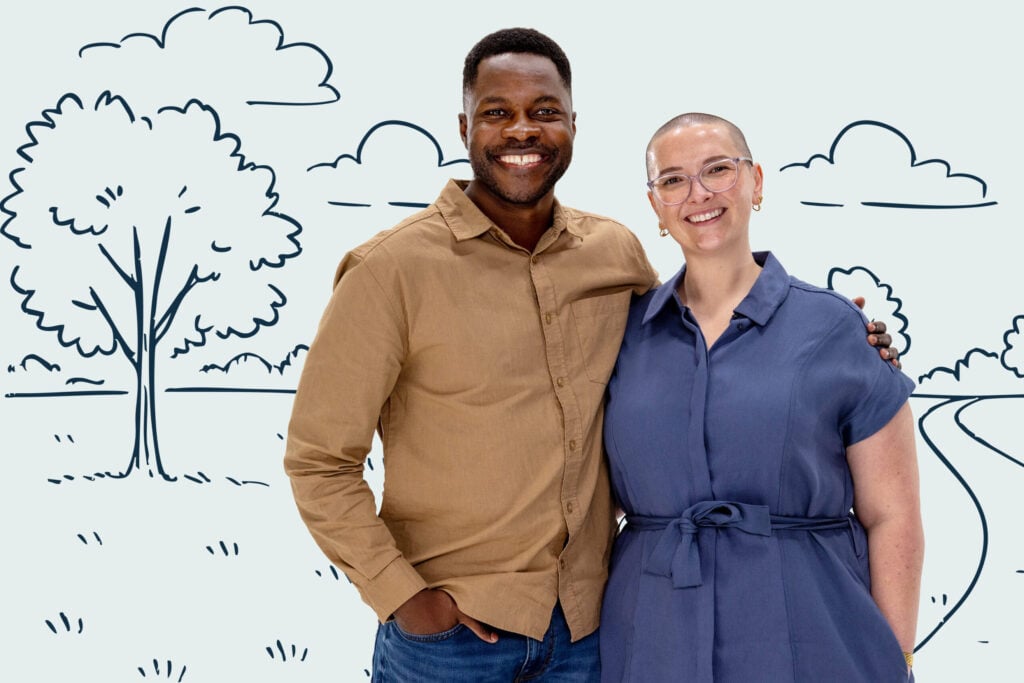
Making changes before the baby bump is important for anyone planning to have a baby, not just for the woman who carries the bump. A man’s health before the baby bump matters too – he provides half of the baby’s genetic makeup and can influence their future health.
No matter how a partner is involved in conception, their health matters. Working as a team to make healthy choices together before the baby bump can help make habits stick, which can make for an easier pregnancy, birth and healthier baby long-term.
Make small changes now for a big future impact
Are you baby ready? Take a free online preconception health check today or speak to your doctor or pharmacist.
Learn more about preconception below
Thinking about having a baby?
Here are 5 ways to improve your chances of pregnancy and having a healthy baby.
Simple steps to take before trying for a baby
Stop drinking alcohol
There is no safe level of alcohol when planning a pregnancy. Drinking any alcohol can impact egg and sperm quality and, once pregnant, affect your baby’s developing brain. As it is difficult to know the exact moment you fall pregnant, avoiding alcohol Before the Baby Bump gives your future baby the best chance of a healthy start. Learn more.
Get help to stop smoking or vaping
Giving up smoking or vaping isn’t easy, but it has big benefits for you and your future baby. Quitting Before the Baby Bump can improve fertility for both men and women and mean that you have kicked the cravings once pregnant. This can help lower the risk of miscarriage, stillbirth as well as developmental issues in your baby. Learn more.
Eat well
Eating well Before the Baby Bump boosts your chances of conceiving, supports your baby’s growth, and influences hormone balance, egg and sperm health, and energy levels. A nutritious, balanced diet helps you stay well throughout pregnancy and gives your baby the nutrients it needs for brain development. Learn more.
Move more, sit less
Being active Before the Baby Bump can boost your fertility and make it easier to stay active during pregnancy. Any activity that raises your heart rate or makes you breathe faster counts. It also supports positive mental health and wellbeing, reduces stress and helps maintain a healthy weight. Learn more.
See your GP for a health check
If you’re thinking of having a baby, talk to your GP. They can help you manage long-term health conditions, review medications, check sexual health, update vaccinations and discuss genetic screening; things best done Before the Baby Bump. Learn more.
Start taking folic acid and iodine supplements
Folic acid helps to protect your baby from serious spine problems called neural tube defects. Iodine supports your baby’s brain and nervous system development. Taking these supplements at least 1 month Before the Baby Bump gives your baby the best start from the very beginning. Learn more.
Check your vaccination status
Measles, mumps and rubella are rare but can seriously affect a baby’s development, especially early in pregnancy. Visit your GP Before the Baby Bump to make sure your vaccinations are up to date and protect you and your future baby. Learn more.
Have a sexual health check
Sexually transmitted infections can affect your pregnancy and your future baby’s health. It’s important for both partners to get tested, and testing is available for free at many clinics and health services. Learn more.
Cut down on caffeine
Too much caffeine Before the Baby Bump can increase the risk of miscarriage and may affect the success of fertility treatments like IVF. Both future parents should limit caffeine intake to no more than 200mg a day – about 1–2 cups of coffee or 4–8 cups of tea. Learn more.
Try to maintain a healthy weight
Have a cervical screening test
If you are aged between 25 and 49, you should have a cervical screening test every 5 years. It’s best to do the test before pregnancy, as pregnancy can make the results harder to interpret. See your GP to find out if your screening is due now or within the next year.
Stop recreational drug use
Non-prescription, recreational or illegal drugs can affect fertility and cause serious complications during pregnancy. Stopping can be challenging, so seek support – your GP can be a great place to start for non-judgmental advice and guidance. Learn more.
Consider environmental factors
Chemicals and environmental toxins such as heavy metals, pesticides, and air pollutants can affect fertility, pregnancy outcomes, and baby development. While it’s not possible to avoid all chemicals, taking simple steps to reduce exposure Before the Baby Bump can help support reproductive health.
Preparing for pregnancy is a team effort. Making small, healthy changes now benefits both your wellbeing and your child’s future health. Learn more.
Preparing for pregnancy is a team effort
By focusing on small, healthy changes now, you are investing in your wellbeing and your child’s future health.