- Health and Wellbeing Queensland initiative has reached 300 schools, 70,000 students since 2021
- Pick of the Crop is supporting Queensland state schools to boost their students’ consumption of vegetables and fruit through plans tailored to each school
- School students are not meeting the Australian Dietary Guidelines recommendations for vegetables and fruit
- Evidence shows that healthy eating supports optimal growth and development, protects from illness and enables successful learning at school, and supports lifelong healthy eating habits.
Hundreds of Queensland schools and tens of thousands of students have been supported to start healthy habits young through a school-based hands-on initiative focusing on vegetables and fruit.
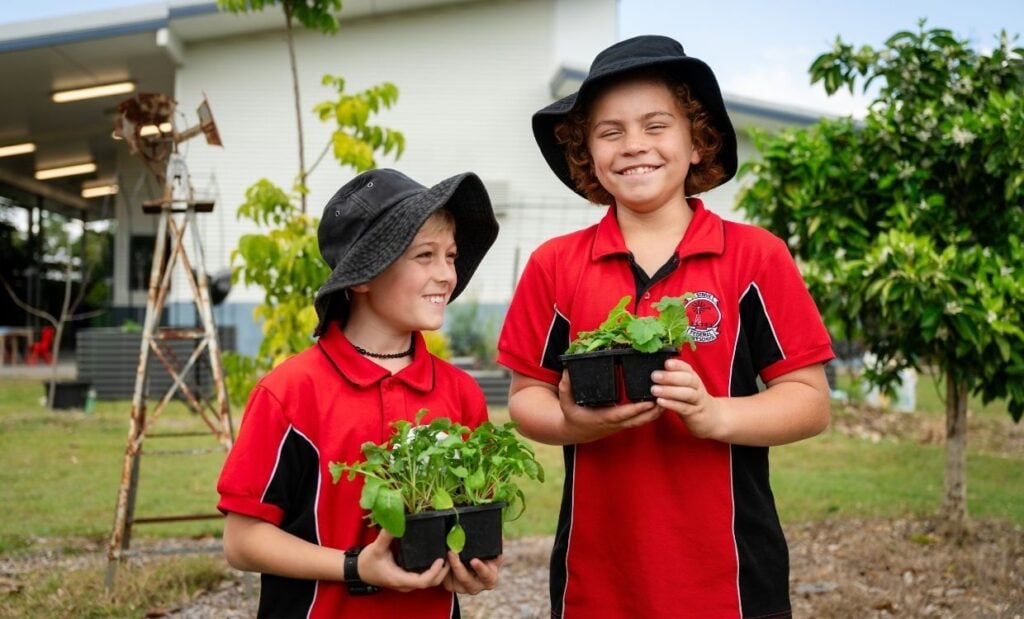
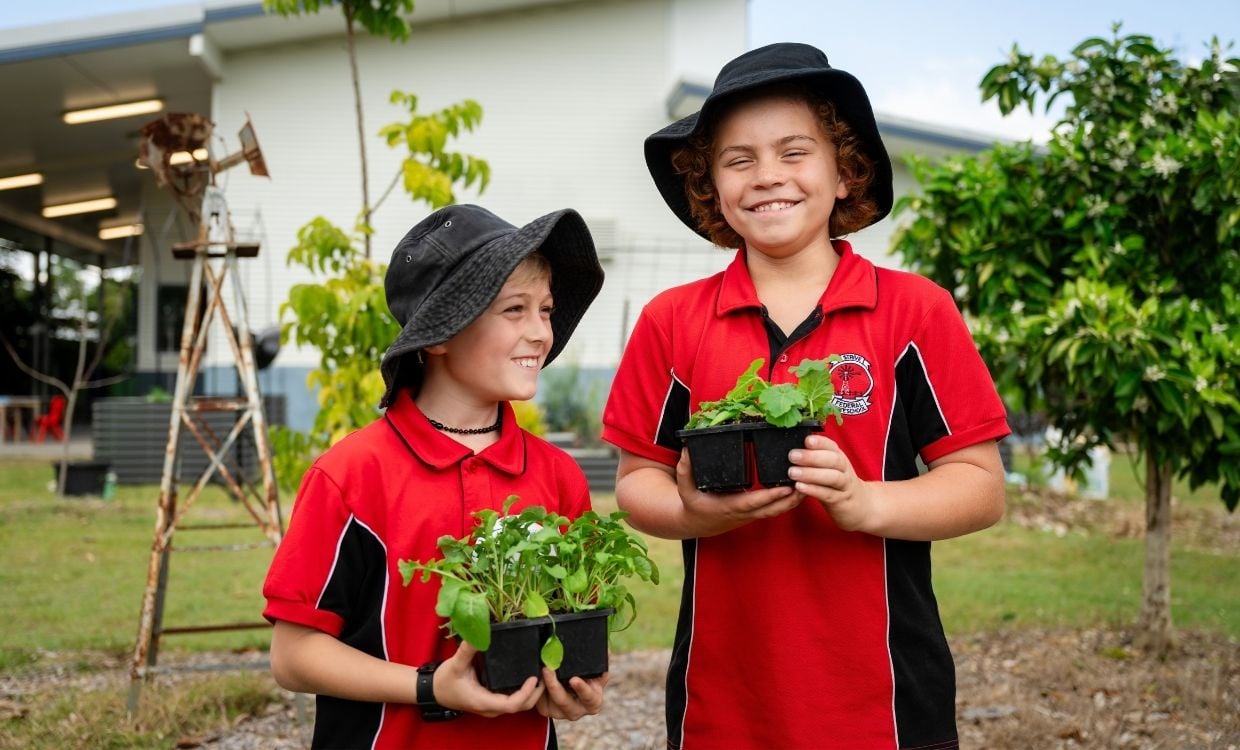
Launched in 2021, Health and Wellbeing Queensland’s whole school initiative, Pick of the Crop, has reached a major milestone, with 300 schools and 70,000 students planting, growing, picking and eating veggies and fruit and incorporating aligned activities in the classroom through the curriculum.
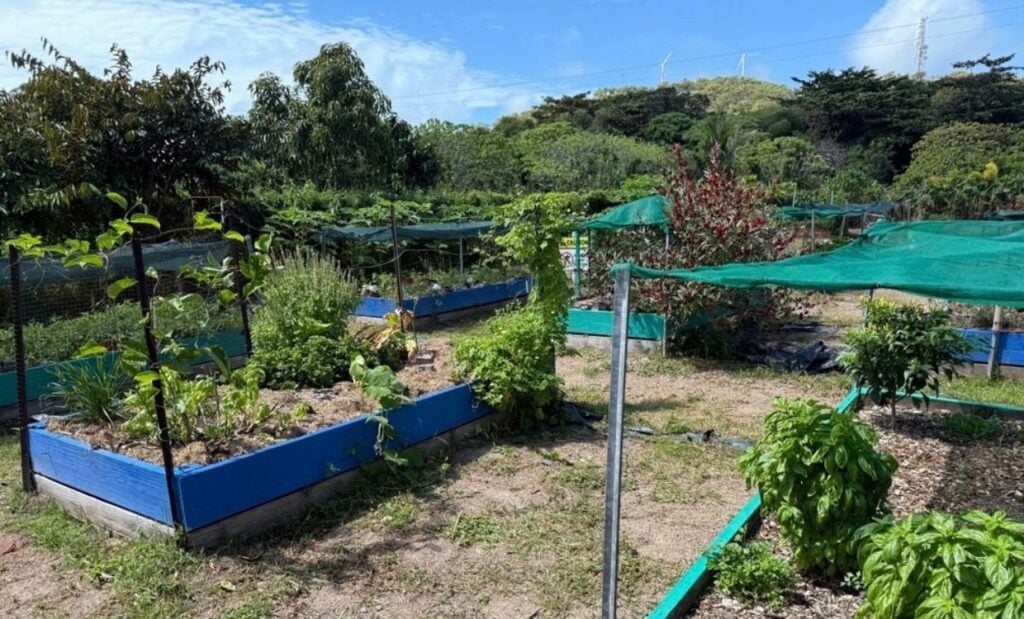
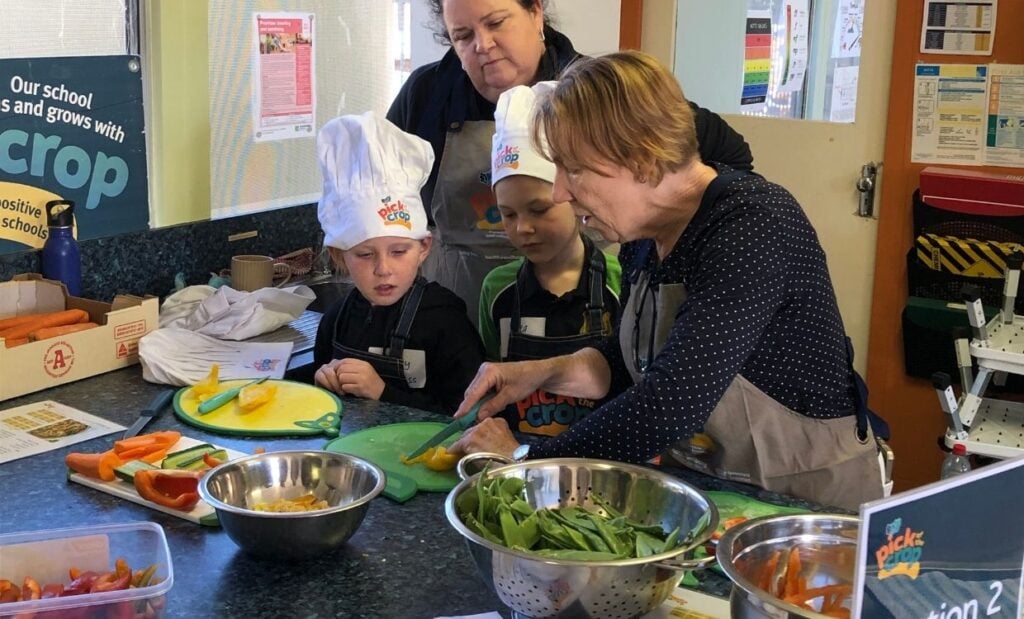
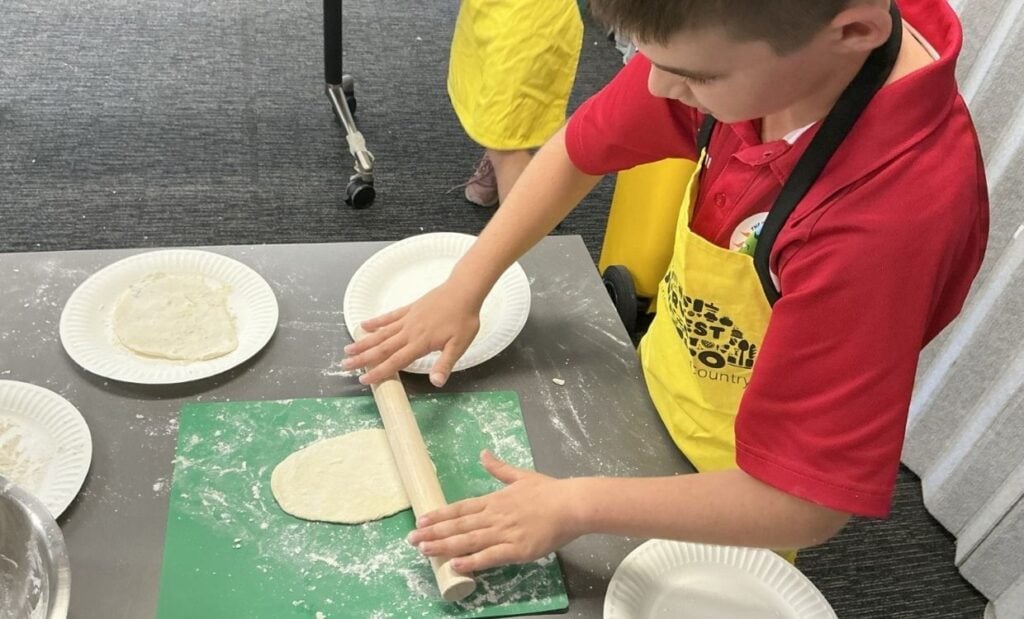
Pick of the Crop (POTC) combines kitchen, garden and curriculum activities to build students’ knowledge of veggies and fruits, encourage them to eat more, and strengthen their connection to growers.
The initiative started with 35 state schools in Bowen, Bundaberg and Logan as a pilot in 2021, and since then has grown to reach students across Queensland, including the state’s Far North, North Queensland, the Darling Downs and the southeast.
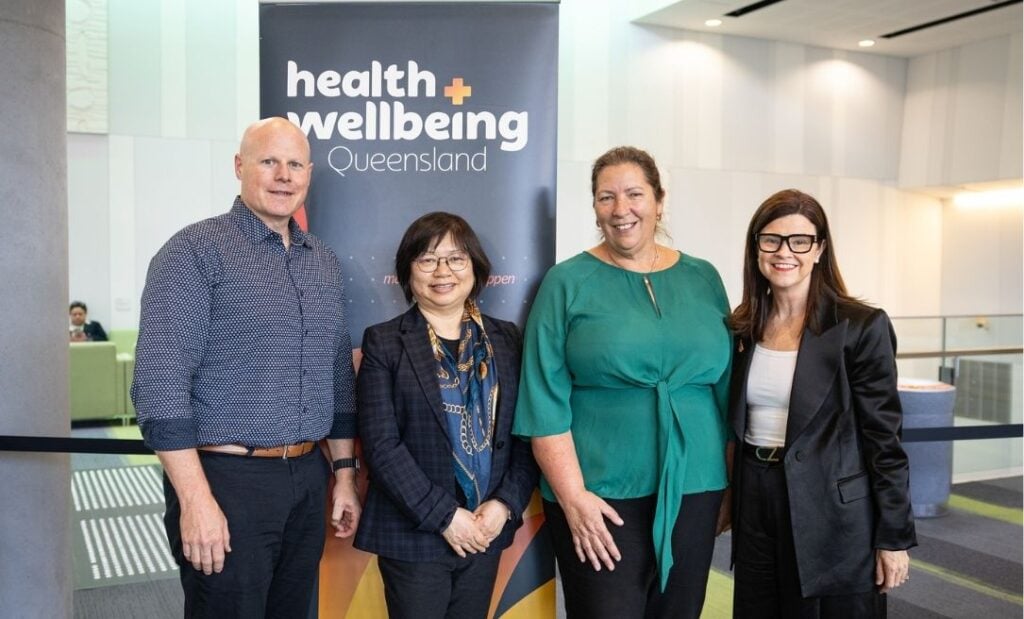
Health and Wellbeing Queensland Chief Executive, Dr Robyn Littlewood, said the importance of increasing vegetable and fruit consumption for children could not be overstated.
‘We know healthy habits start young, and that is exactly what Pick of the Crop is all about,’ Dr Littlewood said.
‘Through our work, Health and Wellbeing Queensland is supporting schools to create a positive food culture and giving students the chance to learn where healthy food comes from.
‘Thanks to a recent funding boost from Hort Innovation, we are looking forward to reaching even more Queensland children. Because the reality is, too many kids are still not eating enough veggies and fruit, and they are missing out on important nutrients at a critical time for growth and development.’
According to the 2025 Report of the Chief Health Officer, Queensland, only 3.2% of Queensland children aged 5–11 years are eating the recommended serves of vegetables every day1.
Health and Wellbeing Queensland Senior Public Health Nutritionist and POTC lead, Beth Meertens, said school gardens are a practical way to give children the chance to grow, taste and enjoy vegetables and fruit in a positive, hands-on environment.
‘We know healthy eating supports growth and development, protects against illness, improves learning and energy for play and sport, and helps set children up for lifelong healthy habits,’ Beth Meertens said.
‘By integrating food and nutrition education into the curriculum, along with hands-on school activities, and grower and community connections, POTC is focused on making healthy eating a part of everyday life.’
Health and Wellbeing Queensland’s regional coordinators work with state schools to create practical, tailored plans that help students eat more and learn about vegetables and fruit. The regional coordinators support the implementation of these plans during the school year.
Horticulturalist Keith Gilbert, from Bundaberg Fruit and Vegetable Growers, is supporting schools in and around Gympie, Maryborough, Noosa, and the Sunshine Coast to develop gardens tailored to their needs and goals.
‘As regional coordinators, we work with schools to develop an action plan that suits their community,’ Keith Gilbert said. ‘That might include gardening, connecting with growers, teaching and learning activities, or fruit and veggie breaks.
‘We know it is not enough to just put a plate of vegetables in front of kids; we have got to get them interested, get them excited, and get them familiar with fresh food.
‘That is how you start to build lifelong healthy habits. When kids have grown it themselves, they are much more likely to taste it.’
Media contact: media@hw.qld.gov.au | 0439 599 210