As the world marks the 40th anniversary of the Ottawa Charter for Health Promotion, Health and Wellbeing Queensland is highlighting the importance of prevention in making healthier lives possible and reducing pressure on the health system.
Adopted on 21 November 1986 and led in part by the World Health Organization (WHO), the Ottawa Charter helped transform the way health is understood by recognising that health is shaped not only by healthcare, but also by the environments, policies and everyday conditions that influence people’s lives.
Health and Wellbeing Queensland Chief Executive Dr Robyn Littlewood said the anniversary was a timely reminder that prevention remains one of the most effective ways to improve health outcomes and build stronger communities.
‘The Ottawa Charter changed the conversation about health by showing that good health starts well before someone needs medical care,’ Dr Littlewood said.
‘Forty years later, that message still matters. By shaping the opportunities and places that influence health, prevention helps people stay well for longer, supports healthier communities and reduces pressure on hospitals and health services.
‘At Health and Wellbeing Queensland, we are putting these principles into practice by working across governments, sectors and by partnering with communities to create healthier environments, strengthen prevention, support wellbeing and make healthy options a part of everyday life for more people, wherever they live.’
The Australian Institute of Health and Welfare’s 2024 estimated that 36% of the country’s total burden of disease was attributable to potentially modifiable risk factors, such as overweight (including obesity), alcohol use and smoking.
‘That is exactly why prevention matters. Through the partnerships we fund, and through our own evidence-based programs, Health and Wellbeing Queensland is working to help reduce that burden and support healthier lives,’ Dr Littlewood said.
Since 2021, almost 750,000 Queenslanders have engaged with a Health and Wellbeing Queensland program.
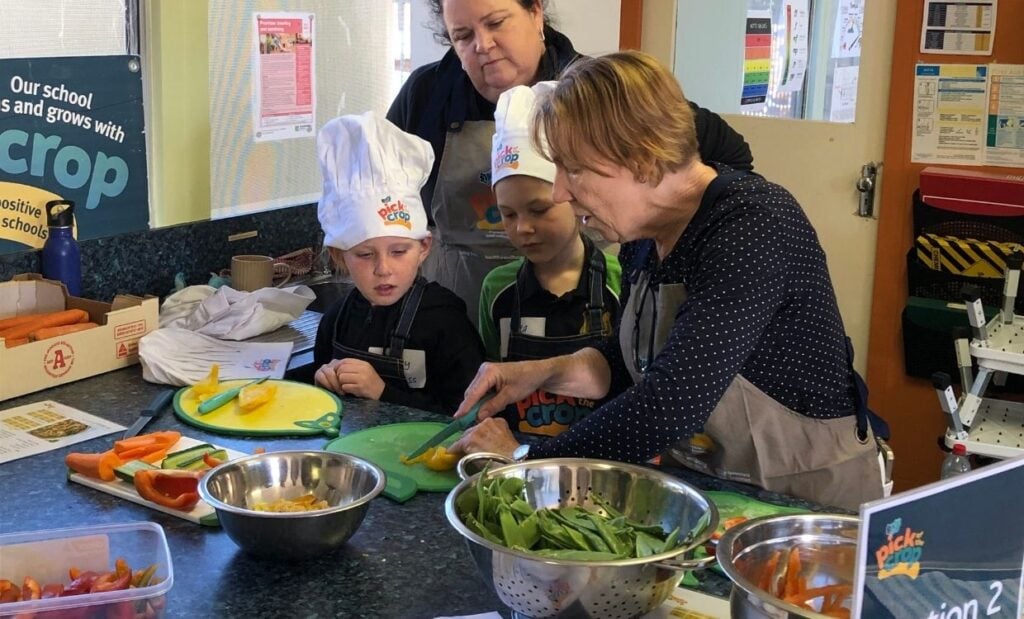
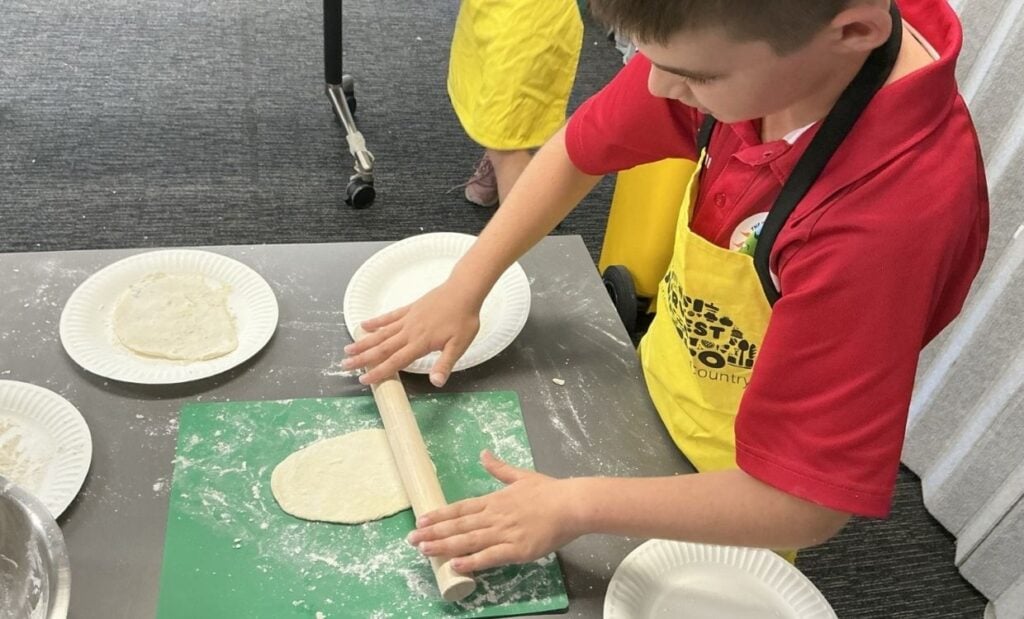
‘From Thursday Island to the Gold Coast, and in the state’s southwest, prevention can look different in every community, like a life-changing health check, healthier food in tuckshops, fresh veggies grown in school gardens, or support that helps people make healthier options every day,’ Dr Littlewood said.
In line with the Ottawa Charter, Health and Wellbeing Queensland is working with the City of Gold Coast to transform the food and drinks available at major sporting venues across the city, helping create healthier environments where people come together to participate in and enjoy sport.
We are reorienting health services by offering a free health and wellbeing service. More than 800 people have completed a health assessment through Wellness my Way, available for people in Southwest Queensland, with almost 500 receiving referrals to prevention programs and services.
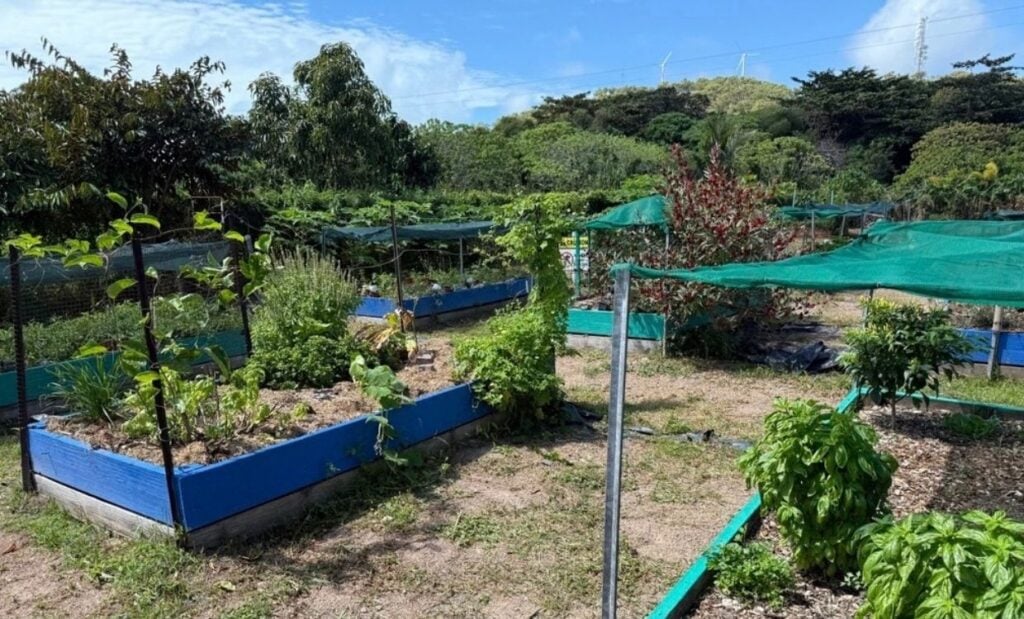
While on Thursday Island, the revitalisation of a community garden is boosting local food production and strengthening community participation in an area where it can be harder to access affordable and healthy food.
‘These initiatives reflect what the Ottawa Charter recognised 40 years ago. Lasting improvements in health require more than individual action. Change happens when we work with communities, across sectors and at every level; from the places people live, learn, work and play, to the policies, environments and systems that shape health,’ Dr Littlewood said.
‘As we look to the future, our challenge is to build on these foundations and ensure every Queenslander has the opportunity to live a healthier life, regardless of where they live or their circumstances.
‘Forty years on, the Charter continues to remind us that creating healthier, fairer futures is something we can only achieve together.’
Media contact: Catherine Gale-Stanton, Senior Media Advisor, Health and Wellbeing Queensland, 0439 599 210