How to store and use veggies

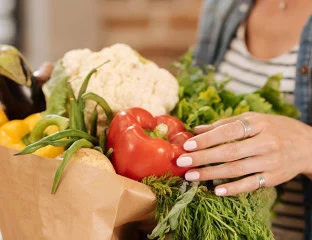
Using all the produce you have purchased is good for your wallet and will help to limit your food waste at the end of the week. With that in mind, here’s a simple guide to planning your week to ensure your veggies last.

Step 1

1 – 2 days after your shop: Prepackaged salad greens have a relatively short fridge life, so the beginning of the week is the perfect time to opt for salads. If you are looking for salad greens with a longer shelf life, look for unpackaged options, as fresh lettuce bunches such as cos, oakleaf, or iceberg lettuce may last longer. Other foods you should eat quickly include:

  • Asparagus
  • Snow peas
  • Mushrooms

Step 2

3 – 5 days after your shop: This is a good time to opt for traditional lean meat and three veg, as well as stir-fries. Some green leafy veggies, such as broccoli, should still be going strong. Other options include:

  • Green beans
  • Kale
  • Capsicum
  • Celery
  • Brussel sprouts
  • Eggplant
  • Squash
  • Zucchini
  • Tomato
  • Broccoli

Step 3

5 – 7 days after you shop: The end of the week is a great time to capitalise on veggies with a long shelf life: meals such as roasts, slices, hot pots, slow cookers, curries, soups and stews are all perfect. Options include:

  • Onions
  • Carrots
  • Cauliflower
  • Potatoes
  • Pumpkin
  • Leeks
  • Beetroot
  • Parsnips
  • Red cabbage

Step 4

More than a week after you shop: Towards the end of the week, canned beans and legumes can be a great meal base, and tinned tomatoes are a good choice for pasta sauces.

  • Canned pulses, beans and legumes (thoroughly washed to remove the sugary or salty syrup, can be useful for meat-free meals)
  • Peas and other frozen veggies
  • Canned tomatoes or corn
  • If frozen veggies are more accessible, they are still a great source of nutrition and a suitable replacement for fresh produce.

Healthy Eating

More healthy recipes to inspire