Clinicians Hub resources

Evidence-based tools, guidelines and resources for health professionals and patients to support the prevention, early intervention, and management of chronic diseases.

BRAVE Framework

Factsheets

Planting the seed: Asking about pregnancy plans

Support for health professionals when asking patients of reproductive age about their pregnancy plans to support them either prevent an unplanned pregnancy or address preconception health to conceive a healthy child when the time is right for them. (PDF, 332KB)
Factsheets

Eating disorders examination questionnaire (EDE-Q)

The EDE-Q is a self-report questionnaire providing a measure of the range and severity of eating disorder behaviours. It is not a diagnostic tool, however, the EDE-Q can assist in forming an opinion on diagnosis, and the answers can form useful prompts for further investigation. (PDF, 103KB)
Factsheets

Potential eating disorder assessment tool

A short self-reported questionnaire to help early identification of eating disorders. (PDF, 102KB)
Factsheets

Pre-exercise screening system for young people (PSS)

A questionnaire to guide discussion and provide advice for families around appropriate types and levels of physical activity for children and adolescents. This screening system aims to help identify young people with known disease, and/or signs or symptoms of disease, who may be at a higher risk of an adverse event due to physical activity.
Webinars and Videos

Measuring waist circumference

A short instructional video demonstrating how to accurately measure weight circumference in an adult.
Factsheets

CDC growth charts (2-20 years)

CDC Clinical growth charts for children and adolescents aged 2-20. These charts are used to monitor height for age, weight for age, and BMI for age percentiles. Identifying any rapid increases or decreases away from the trajectory or growth curve, may help identify opportunities for early intervention.
Factsheets

Equipment checklist for children (2+ years)

A checklist of equipment needed to accurately weigh and measure the height of a child over 2 years old. (PDF, 291KB)
Factsheets

WHO Z-Scores chart, weight for height (2-5 years) BOYS

The WHO BOYS weight-for-height Z-score chart monitors changes in child (2-5) weight patterns which might not be as easily tracked on standard growth charts. Z-scores are particularly useful to monitor small changes that have occurred over time, especially when growth concerns exist. (PDF, 722KB)
Factsheets

WHO Z-Scores chart, weight for height (2-5 years) GIRLS

The WHO GIRLS weight-for-height Z-score chart monitors changes in child (2-5) weight patterns which might not be as easily tracked on standard growth charts. Z-scores are particularly useful to monitor small changes that have occurred over time, especially when growth concerns exist. (PDF, 719KB)
Factsheets

WHO Z-Scores chart, weight for length (0-2 years) BOYS

The WHO GIRLS weight-for-length Z-score chart monitors changes in infant (0-2) weight patterns which might not be as easily tracked on standard growth charts. Z-scores are particularly useful to monitor small changes that have occurred over time, especially when growth concerns exist. (PDF, 755KB)
Factsheets

WHO Z-Scores chart, weight for length (0-2 years) GIRLS

The WHO GIRLS weight-for-length Z-score chart monitors changes in infant (0-2) weight patterns which might not be as easily tracked on standard growth charts. Z-scores are particularly useful to monitor small changes that have occurred over time, especially when growth concerns exist. (PDF, 748KB)
Factsheets

WHO growth charts (0-2 years)

WHO Growth charts (0-2) are used to calculate weight, length and weight for length percentiles for children aged under 2. These charts are used to monitor infant and young child's growth over time. Identifying any rapid increases or decreases away from the trajectory or growth curve, may help identify opportunities for early intervention. 

Our programs

Health behaviour change programs for your patients

Explore referral pathways to support prevention, early intervention and management of chronic diseases.
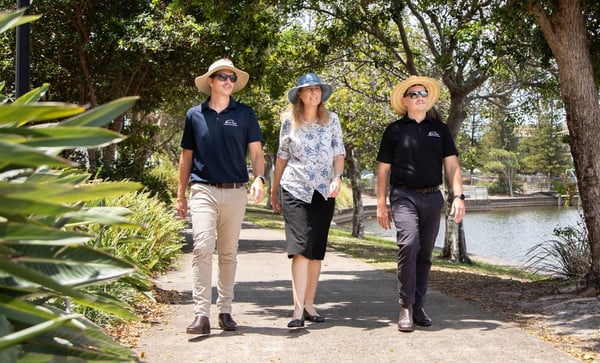
10,000 Steps

10,000 Steps is an Australian physical activity program that uses step tracking technology to encourage everyday movement. Delivered digitally via app, it supports individuals, workplaces, and community groups with personalised goal setting, progress monitoring, and social challenges to build sustainable active habits.
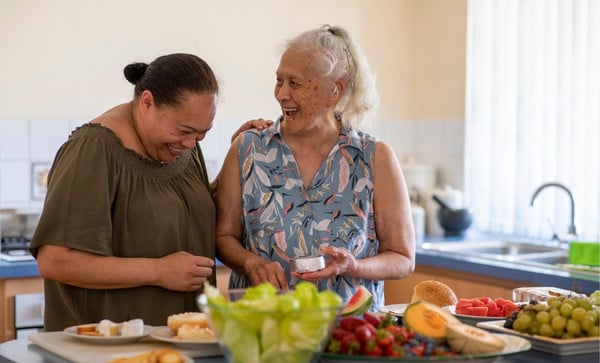
My health for life

My health for life is a Queensland Government-funded chronic disease prevention program offering free health coaching to adults at risk of type 2 diabetes, heart disease, and stroke. Through six sessions in flexible formats, participants receive personalised guidance on lifestyle behaviours proven to reduce disease risk.
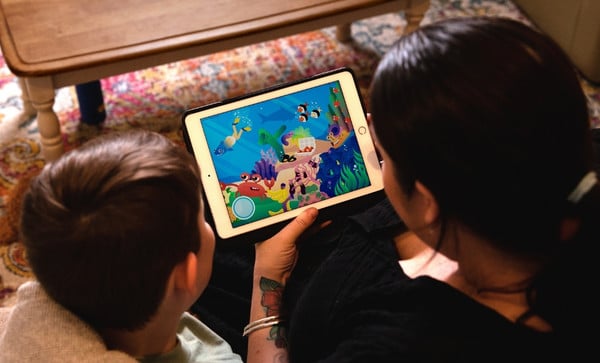
Mother and son look at Podsquad on an ipad

Podsquad

Podsquad is a free app-based health program designed for children aged 5–12 and their families. Using behavioural science and play based learning, it helps families build lasting healthy habits across nutrition, physical activity, and sleep through engaging, reward-driven activities both online and in everyday life.

SUBSCRIBE TO OUR NEWSLETTER

Insights and updates
for the health and wellbeing sector