
Clinicians Hub resources
BRAVE Framework
For adults
This tool assists with initiating sensitive conversations about weight and health behaviours with adults.
For children and families
This tool assists with initiating sensitive conversations about growth, weight and health behaviours with children and families.
Morning sickness and other pregnancy issues – Aboriginal and Torres Strait Islander Communities
Healthy eating in pregnancy – Aboriginal and Torres Strait Islander Communities
Iron for pregnant women
Healthy eating for vegetarian or vegan pregnant and breastfeeding mothers
Healthy eating during pregnancy
Pregnancy – your health and wellbeing
Pre-exercise screening system for adults (APSS)
BMI calculator
Healthy eating quiz for adults
Healthy ranges for BMI and waist circumference
Taking patient centred measurements
Planting the seed: Asking about pregnancy plans
Our programs
Health behaviour change programs for your patients
Explore referral pathways to support prevention, early intervention and management of chronic diseases.
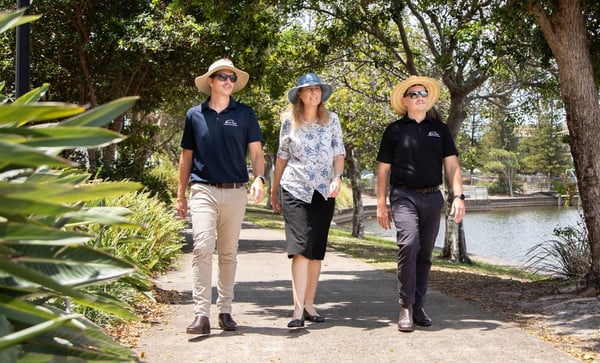
10,000 Steps
10,000 Steps is an Australian physical activity program that uses step tracking technology to encourage everyday movement. Delivered digitally via app, it supports individuals, workplaces, and community groups with personalised goal setting, progress monitoring, and social challenges to build sustainable active habits.
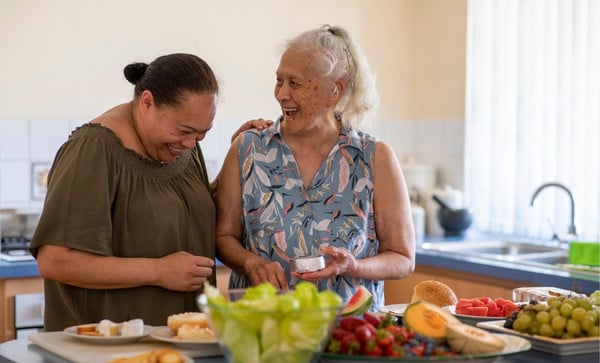
My health for life
My health for life is a Queensland Government-funded chronic disease prevention program offering free health coaching to adults at risk of type 2 diabetes, heart disease, and stroke. Through six sessions in flexible formats, participants receive personalised guidance on lifestyle behaviours proven to reduce disease risk.
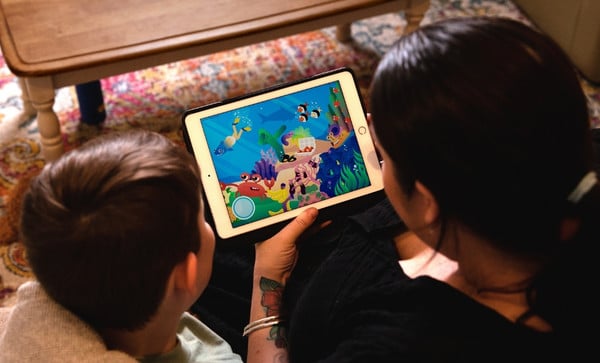
Podsquad
Podsquad is a free app-based health program designed for children aged 5–12 and their families. Using behavioural science and play based learning, it helps families build lasting healthy habits across nutrition, physical activity, and sleep through engaging, reward-driven activities both online and in everyday life.
SUBSCRIBE TO OUR NEWSLETTER
Insights and updates for the health and wellbeing sector
"*" indicates required fields