
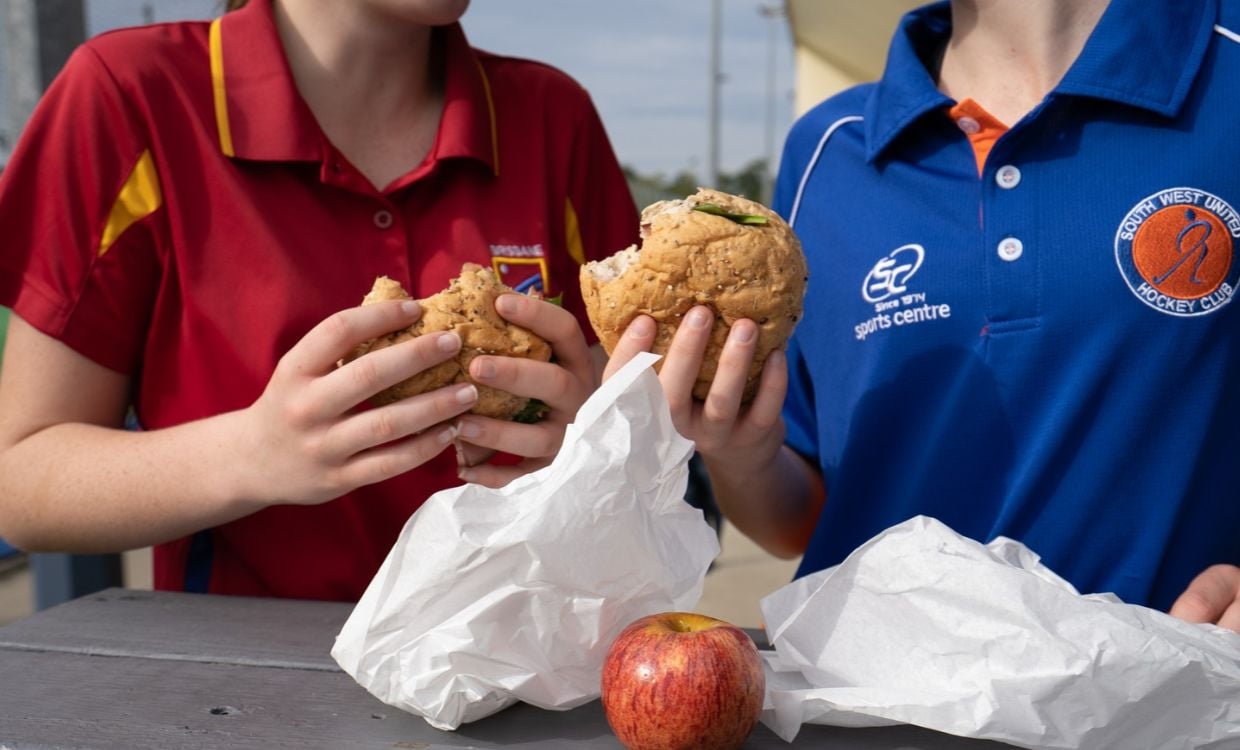
Good nutrition is essential for all growing children, but it becomes even more important when they’re active in sport. Just like a car needs the right kind of fuel to run smoothly, junior athletes need proper nutrition to perform at their best.
The importance of good nutrition
The type and amount of foods that children consume are critical for healthy growth and development, with energy requirements from food increasing as children get older.
When it comes to sport, fuelling properly can help to:
- Improve performance
- Reduce the risk of injury
- Speed up recovery following activity
- Support overall wellness.
However, the specific nutritional requirements differ depending on how children participate in sport. The type of activity, and how often and how intensely children take part, are all important factors in deciding how best to fuel for sport. The longer and more intensely children are active, the more fuel they might need. Understanding the right type of fuel that children need prior to, during, and after sport can give them their best chance to succeed.
1. Fuel up the tank before activity
Good nutrition before participating in sport helps children with the energy they need to boost their performance.
Food
Carbohydrates are the main source of energy for the muscles and brain, and are a critical component for performance, particularly with high intensity activities.
Children should aim to consume a small meal containing a good source of carbohydrates prior to activity, such as cereals with milk and fruit, sandwiches, or baked beans on toast. Consuming a small meal 2–3 hours before activity will allow enough time to digest, while still fuelling their bodies for being active.
If short on time, choose a low fibre carbohydrate source to consume 1.5–2 hours before activity, such as fruit and yoghurt, cheese and crackers, or a sandwich. Choosing a small, low fibre carbohydrate source ensures quick and easy digestion before activity, so children can hit the ground running.
Drinks
Keeping hydrated is another key element for health and performance. Approximately 60% of our body is made up of water, so adequate hydration is important to reduce the risk of dehydration, regulate body temperature and reduce the risk of heat-related illnesses that can occur with high intensities or durations of exercise.
Juniors need between 1.2 and 1.9 litres of fluid per day, and even more when engaging in physical activity or sport. Prior to activity, children should sip regularly, and aim to avoid unnecessary sugary drinks, energy drinks or sports drinks to ensure optimal hydration before commencing activity.

2. Mid-activity top up
Depending on the intensity and duration of the sport, a mid-point top up can provide extra fuel for children to keep energy levels high.
Food
For activities that are less than 75 minutes in length, extra fuel may not be necessary. However, if needed, snacking on fruit can be an easy and nutritious option. Fruits that contain fast digesting carbohydrates, such as banana or pineapple, can provide a quick boost of energy to keep children going.
For activities longer than 75 minutes, topping up with extra carbohydrates can help to maintain energy levels for sustained performance. Fruit, muesli bars and simple sandwiches are quick and easy options for fuel during activity.
Drinks
Keeping hydrated will reduce the risk of dehydration and help to maximise performance. Fluid intake during exercise will vary between individuals, however intake should aim to replace what is lost.
Thirst is not always an accurate indicator of hydration, so children should consume water throughout the activity, rather than to wait to feel thirsty.
If activity is performed for greater than 90 minutes at a high intensity, a fluid containing carbohydrates and electrolytes, such as a sports drink, may be helpful to provide some extra energy and hydration. Consuming cold or icy drinks is another option that can cool the body internally, helping to reduce discomfort related to high temperature environments.
3. Refuel to recover after activity
After activity, good nutrition and hydration are critical to replenish the energy that was used and the water that was lost.
Food
Carbohydrates and protein are needed to refuel glycogen stores (i.e. the stores of energy in our body) and to support muscles to recover. Refuelling with nutritious foods, such as a fruit smoothie or a chicken and salad sandwich, is a great way to put children on the right track to recovery.
Drinks
Fluids are lost when we sweat, which is common when engaging in sport, particularly in hot environments. However, no matter the weather, replacing these fluids is important to reduce the risk of dehydration. Water is the best option to replace the fluids that were lost with activity. However, other options such as low-fat milk are also effective for rehydration due to its electrolyte content, while also supporting bone and teeth health.
Lasting performance through healthy habits
While it’s important to fuel well for sport, the foods that children eat and the fluids that they drink every day can have an impact on their health, wellbeing and performance in the long term. Supporting children to eat a well-balanced diet, containing foods from each of the five food groups, will help to nourish their bodies and fuel their performance. Helping children to understand how to listen to their body is another way to support them to fuel well to perform at their best.
Further information
For parents who are seeking more information on how to support their child to fuel their best, speak with an Accredited Sports Dietitian. Visit the Sports Dietitians Australia website to Find a Sports Dietitian in your area.
For more resources on healthy eating in sport, visit the Sports Dietitians Australia Resource hub.
For sporting clubs that want to make healthy changes to better support junior athletes, visit Health and Wellbeing Queensland’s A Better Choice for Sport and Recreation.
References
- Desbrow, B., McCormack, J., Burke, L. M., Cox, G. R., Fallon, K., Hislop, M., Logan, R., Marino, N., Sawyer, S. M., Shaw, G., Star, A., Vidgen, H., & Leveritt, M. (2014). Sports Dietitians Australia Position Statement: Sports Nutrition for the Adolescent Athlete. International Journal of Sport Nutrition and Exercise Metabolism, 24(5), 570-584. https://doi.org/10.1123/ijsnem.2014-0031
- Capra, M. E., Stanyevic, B., Giudice, A., Monopoli, D., Decarolis, N. M., Esposito, S., & Biasucci, G. (2024). Nutrition for Children and Adolescents Who Practice Sport: A Narrative Review. Nutrients, 16(16), 2803. https://doi.org/10.3390/nu16162803
- Amawi, A., Khataybeh, B., Al Aqaili, R., Ababneh, N., Alnimer, L., Qoqazeh, A., Oukal, F., Jahrami, H., Mousa Ay, K., Al Saoud, H., & Ghazzawi, H. (2024). Junior athletes’ nutritional demands: a narrative review of consumption and prevalence of eating disorders. Frontiers in Nutrition, 11, 1390304. https://doi.org/10.3389/fnut.2024.1390204
- Giraldo-Vallejo, J. E., Cardona-Guzmán, M. Á., Rodríguez-Alcivar, E. J., Kočí, J., Petro, J. L., Kreider, R. B., Cannataro, R., & Bonilla, D. A. (2023). Nutritional Strategies in the Rehabilitation of Musculoskeletal Injuries in Athletes: A Systematic Integrative Review. Nutrients, 15(4), 819. https://doi.org/10.3390/nu15040819
- McCubbin, A. J., Allanson, B. A., Caldwell Odgers, J. N., Cort, M. M., Costa, R. J., Cox, G. R., Crawshay, S. T., Desbrow, B., Freney, E. G., Gaskell, S. K., Hughes, D., Irwin, C., Jay, O., Lalor, B. J., Ross, M. L., Shaw, G., Périard, J. D., & Burke, L. M. (2020). Sports Dietitians Australia Position Statement: Nutrition for Exercise in Hot Environments. International Journal of Sport Nutrition and Exercise Metabolism, 30(1), 83-98. https://doi.org/10.1123/ijsnem.2019-0300