Clinicians Hub resources

Evidence-based tools, guidelines and resources for health professionals and patients to support the prevention, early intervention, and management of chronic diseases.

BRAVE Framework

Factsheets

Potential eating disorder assessment tool

Eating Disorders Queensland
A short self-reported questionnaire to help early identification of eating disorders. (PDF, 102KB)
Guidelines

Pre-exercise screening system for young people (PSS)

ESSA
A questionnaire to guide discussion and provide advice for families around appropriate types and levels of physical activity for children and adolescents. This screening system aims to help identify young people with known disease, and/or signs or symptoms of disease, who may be at a higher risk of an adverse event due to physical activity.
Factsheets

WHO Z-Scores chart, weight for height (2-5 years) BOYS

World Health Organization (WHO)
The WHO BOYS weight-for-height Z-score chart monitors changes in child (2-5) weight patterns which might not be as easily tracked on standard growth charts. Z-scores are particularly useful to monitor small changes that have occurred over time, especially when growth concerns exist. (PDF, 722KB)
Factsheets

WHO Z-Scores chart, weight for height (2-5 years) GIRLS

World Health Organization (WHO)
The WHO GIRLS weight-for-height Z-score chart monitors changes in child (2-5) weight patterns which might not be as easily tracked on standard growth charts. Z-scores are particularly useful to monitor small changes that have occurred over time, especially when growth concerns exist. (PDF, 719KB)
Factsheets

WHO Z-Scores chart, weight for length (0-2 years) BOYS

World Health Organization (WHO)
The WHO GIRLS weight-for-length Z-score chart monitors changes in infant (0-2) weight patterns which might not be as easily tracked on standard growth charts. Z-scores are particularly useful to monitor small changes that have occurred over time, especially when growth concerns exist. (PDF, 755KB)
Factsheets

WHO Z-Scores chart, weight for length (0-2 years) GIRLS

World Health Organization (WHO)
The WHO GIRLS weight-for-length Z-score chart monitors changes in infant (0-2) weight patterns which might not be as easily tracked on standard growth charts. Z-scores are particularly useful to monitor small changes that have occurred over time, especially when growth concerns exist. (PDF, 748KB)
Factsheets

WHO growth charts (0-2 years)

World Health Organization (WHO)
WHO Growth charts (0-2) are used to calculate weight, length and weight for length percentiles for children aged under 2. These charts are used to monitor infant and young child's growth over time. Identifying any rapid increases or decreases away from the trajectory or growth curve, may help identify opportunities for early intervention. 
Factsheets

Physical activity stage of change (Patient readiness)

Exercise is medicine Australia
Flowchart to assess patients' readiness to start or maintain physical activity. Includes strategies to help patients in each stage of change. (PDF, 96.5MB)
Factsheets

Pregnancy Weight Gain Chart for BMI <25

Queensland Health
A pregnancy weight gain chart for women whose BMI was more than 25kg/m2 prior to pregnancy. This tool supports women and their health care providers to monitor and discuss healthy weight gain during pregnancy. (PDF, 1.25MB)

Our programs

Health behaviour change programs for your patients

Explore referral pathways to support prevention, early intervention and management of chronic diseases.
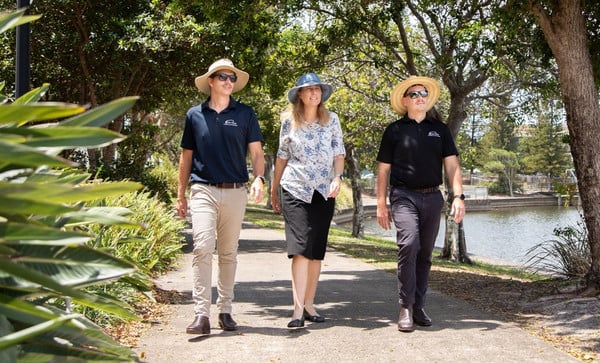
A group of people walking together outdoors as part of the 10,000 Steps program.

10,000 Steps

10,000 Steps is an Australian physical activity program that uses step tracking technology to encourage everyday movement. Delivered digitally via app, it supports individuals, workplaces, and community groups with personalised goal setting, progress monitoring, and social challenges to build sustainable active habits.
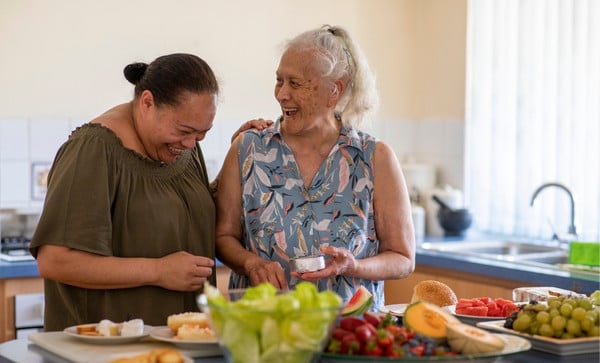
Two women preparing fresh food together in a kitchen

My health for life

My health for life is a Queensland Government-funded chronic disease prevention program offering free health coaching to adults at risk of type 2 diabetes, heart disease, and stroke. Through six sessions in flexible formats, participants receive personalised guidance on lifestyle behaviours proven to reduce disease risk.
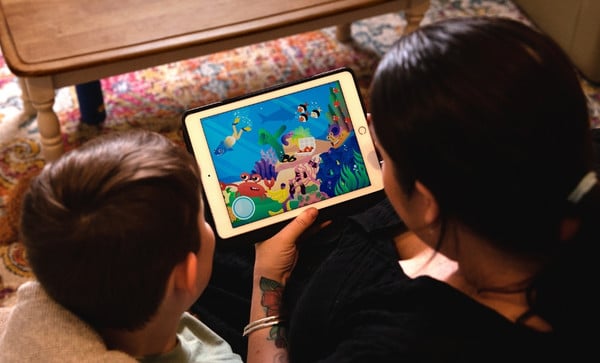
Mother and son look at Podsquad on an ipad

Podsquad

Podsquad is a free app-based health program designed for children aged 5–12 and their families. Using behavioural science and play based learning, it helps families build lasting healthy habits across nutrition, physical activity, and sleep through engaging, reward-driven activities both online and in everyday life.

SUBSCRIBE TO OUR NEWSLETTER

Insights and updates
for the health and wellbeing sector