- Australia’s fastest growing chronic disease, type 2 diabetes, is increasingly occurring in children and young people
- 300 new type 2 diabetes cases are diagnosed every day
- Almost 60% of diabetes cases are potentially preventable
- National Diabetes Week (12–18 July) highlights the positive impact of preventive health initiatives
With nearly 1.3 million Australians living with type 2 diabetes and more than 300 new cases diagnosed every day, diabetes is one of the most significant challenges facing Australia’s health system.
In Queensland, nearly 5% of the population (around 262,000 people) are currently living with type 2 diabetes.
People living with type 2 diabetes have an increased risk of developing other chronic conditions, including overweight and obesity, heart disease, and kidney disease, and around 1.3 million people are hospitalised with diabetes-related conditions every year.
While type 2 diabetes commonly develops in older adults, it is increasingly occurring in children, adolescents, and young adults.
According to the National Diabetes Services Scheme, around 234 Queensland children and adolescents are living with type 2 diabetes. In Australia, it affects about 16,260 young people. However, experts suggest the number could be higher.

As part of her PhD research, Health and Wellbeing Queensland Health Practitioner, Jess Hardt, conducted a global review of guidelines on screening children for type 2 diabetes to explore the interest in and practicality of starting testing for younger age groups.
‘Global guidelines recommend screening children and adolescents for type 2 diabetes based on risk, but they offer limited details on how to do this easily and effectively, and lack input from those with lived experience,’ said Ms Hardt, who is undertaking her PhD through the University of Queensland.
‘This can result in screening not being routinely implemented and potentially contributing to many children and adolescents living with the disease unknowingly.’
Screening typically involves a simple finger-prick test (blood test), to measure blood sugar levels over a 3-month duration. However, a child’s risk of developing the disease is usually determined first, which includes assessing their weight, family history, cultural background and other risk factors.
Ms Hardt’s research found 90% of parents were supportive or very supportive of having their children screened for type 2 diabetes.
‘This highlights how much parents value health prevention and recognise the importance of early detection through screening,’ Ms Hardt said.
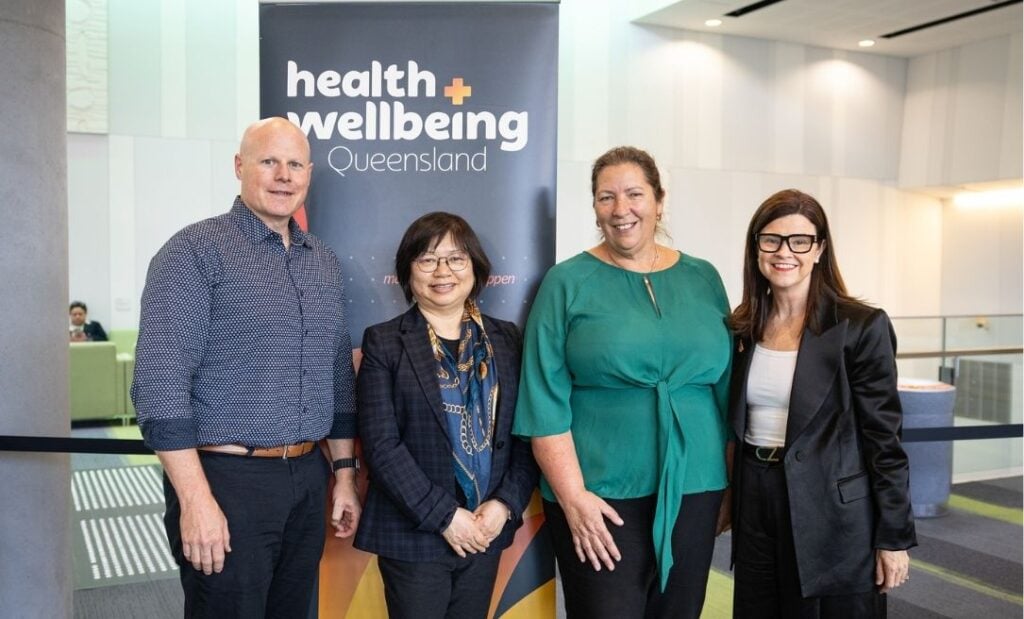
Among her supervisors is Health and Wellbeing Queensland Chief Executive, Dr Robyn Littlewood.
‘Jess is undertaking incredibly important work, which further demonstrates Health and Wellbeing Queensland’s commitment to evidence-based research that supports early intervention and prevention efforts,’ Dr Littlewood said.
In the last decade, Australia has seen a 17% increase in the diagnosis of type 2 diabetes before the age of 20.
‘Although certain risk factors can’t be changed, families can take proactive steps to support their children’s health and lower their risk of developing type 2 diabetes,’ Dr Littlewood said.
‘One of the best approaches is for families to adopt healthy behaviour changes together, as children are more likely to embrace these habits when they see the adults around them leading by example.’
Strong international evidence shows diabetes prevention programs may help prevent or delay the onset of type 2 diabetes in up to 58% of cases.
‘We are proud to work with our partners Diabetes Australia, particularly during National Diabetes Week, to support the delivery of prevention program My health for life,’ Dr Littlewood said.
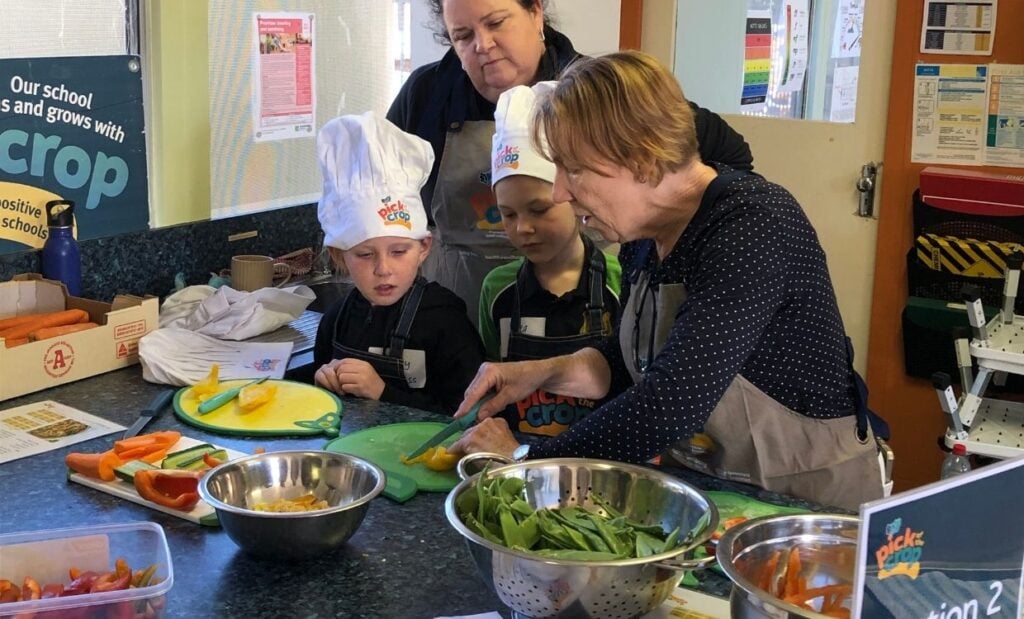
My health for life is designed to support Queenslanders, 18 years and over, to take practical steps to improve their health, and reduce their risk of developing chronic conditions such as type 2 diabetes, while primary school students and children are the focus of Health and Wellbeing Queensland initiatives Pick of the Crop and Podsquad.
‘There is no single cause of type 2 diabetes, but there are well-established risk factors that we can address,’ Dr Littlewood said.
‘By continuing to promote the benefits of healthier eating, investing in research and funding prevention programs like My health for life, alongside our valued partners, we are creating opportunities to reach Queenslanders and empower them to lead healthier, happier lives, no matter where they live.’
Media contact: media@hw.qld.gov.au | 0439 599 210