
Clinicians Hub resources
BRAVE Framework
For adults
This tool assists with initiating sensitive conversations about weight and health behaviours with adults.
For children and families
This tool assists with initiating sensitive conversations about growth, weight and health behaviours with children and families.



Portion plate guide
Supermarket shopping guide
Label reading
Make your move – Sit less, be active for life
Healthy eating when you’re older
Appetite for Life: Healthy Ageing
Healthy Pregnancy Healthy Baby: Healthy pregnancy weight gain training
Brief interventions for a healthy lifestyle: Maternal health
Eating out
Convenience meals
Healthy meal ideas and menu planning
Parenting before conception – Epigenetics
Our programs
Health behaviour change programs for your patients
Explore referral pathways to support prevention, early intervention and management of chronic diseases.
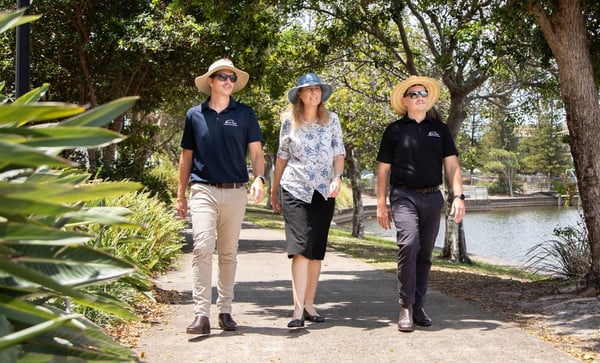
10,000 Steps
10,000 Steps is an Australian physical activity program that uses step tracking technology to encourage everyday movement. Delivered digitally via app, it supports individuals, workplaces, and community groups with personalised goal setting, progress monitoring, and social challenges to build sustainable active habits.
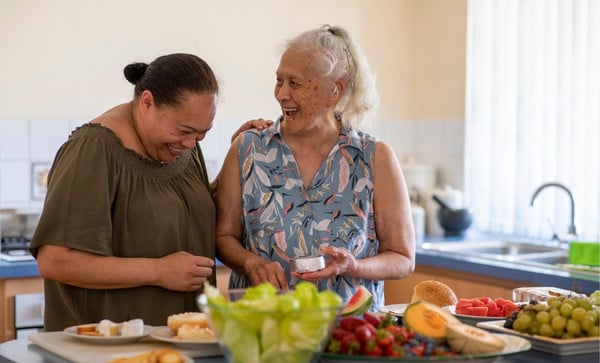
My health for life
My health for life is a Queensland Government-funded chronic disease prevention program offering free health coaching to adults at risk of type 2 diabetes, heart disease, and stroke. Through six sessions in flexible formats, participants receive personalised guidance on lifestyle behaviours proven to reduce disease risk.
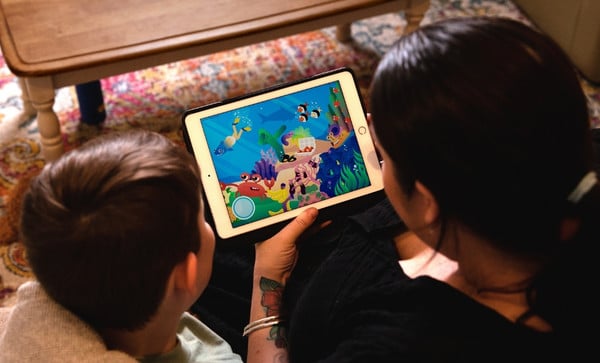
Podsquad
Podsquad is a free app-based health program designed for children aged 5–12 and their families. Using behavioural science and play based learning, it helps families build lasting healthy habits across nutrition, physical activity, and sleep through engaging, reward-driven activities both online and in everyday life.
SUBSCRIBE TO OUR NEWSLETTER
Insights and updates for the health and wellbeing sector
"*" indicates required fields