

10 free or low-cost ways for kids and families to be active
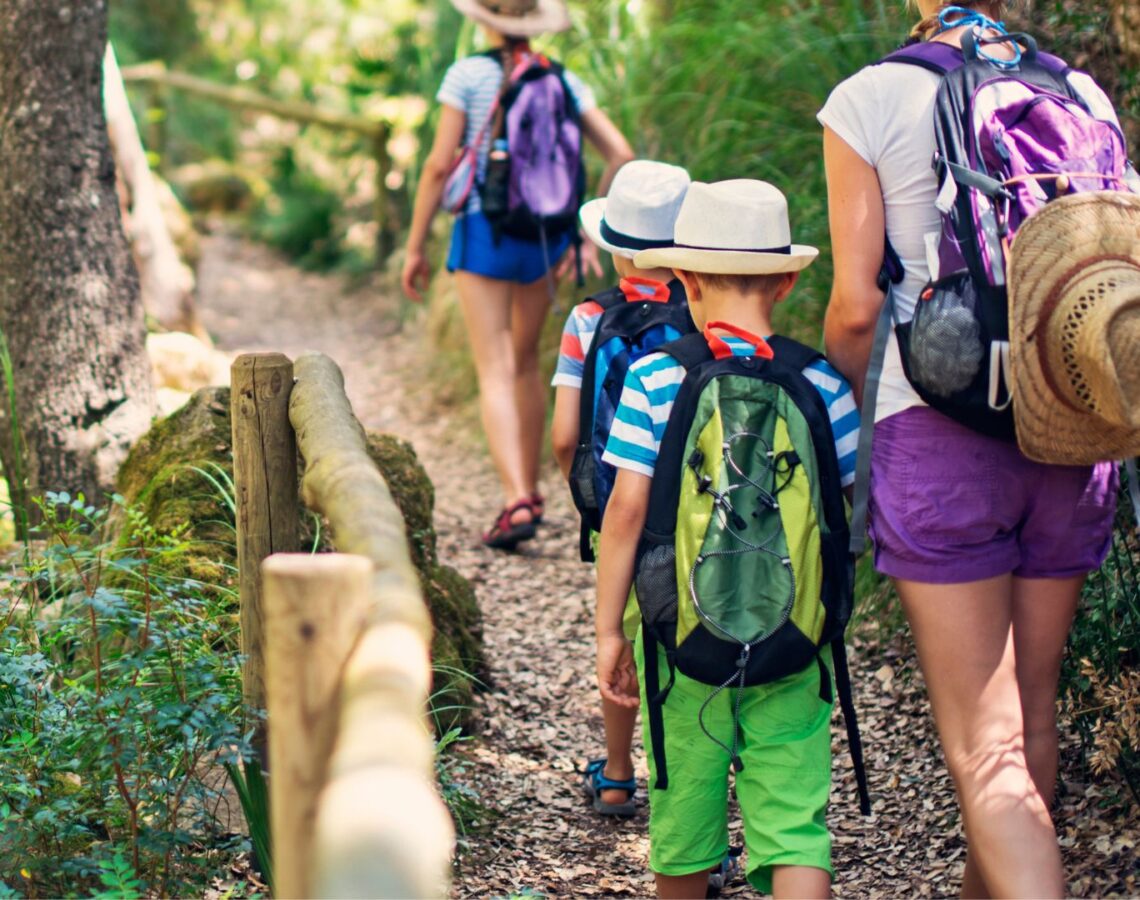
Healthy habits learned in childhood often stay with us into adulthood. This includes regular physical activity. Being active is important for children and young peoples’ development and long-term health. And finding ways to move together benefits adults too! In this article, we’ll explore some free or low-cost ideas to get the whole family moving that are fun, playful and provide quality time together.
How much movement should kids be getting?
The Australian Government’s 24-hour Movement Guidelines recommend that children aged 5-17 get at least 60 minutes of moderate to vigorous physical activity each day, plus several hours of light activities.
‘Moderate to vigorous’ physical activities get your heart beating faster and your breathing heavier, but you can still talk while doing them. Examples include bike riding, swimming, scooting and dancing. Getting 60 minutes each day doesn’t have to be done all at once. Shorter bursts of activity throughout the day are fine.
‘Light’ physical activities are movements where you can comfortably maintain a conversation, such as walking to school, helping around the house or gentle dancing to music.
The Guidelines also recommend children and young people incorporate muscle and bone strengthening activities 3 days/week. This is as simple as using their own body weight to do things like running, climbing, swinging on monkey bars, push-ups and yoga.
What about adults?
Adults should be aiming for 30 minutes or more of moderate to vigorous physical activity on most days, and 2 or more days/week of muscle strengthening activities.
It is also recommended to include functional activities that support mobility, balance, and coordination on 3 or more days per week, and to accumulate several hours of light-intensity physical activity throughout the day. Examples include light household chores, slow walking, cooking and stretching.
The good news is that by prioritising moving together as a family, everyone can meet their physical activity needs!
Making physical activity fun!
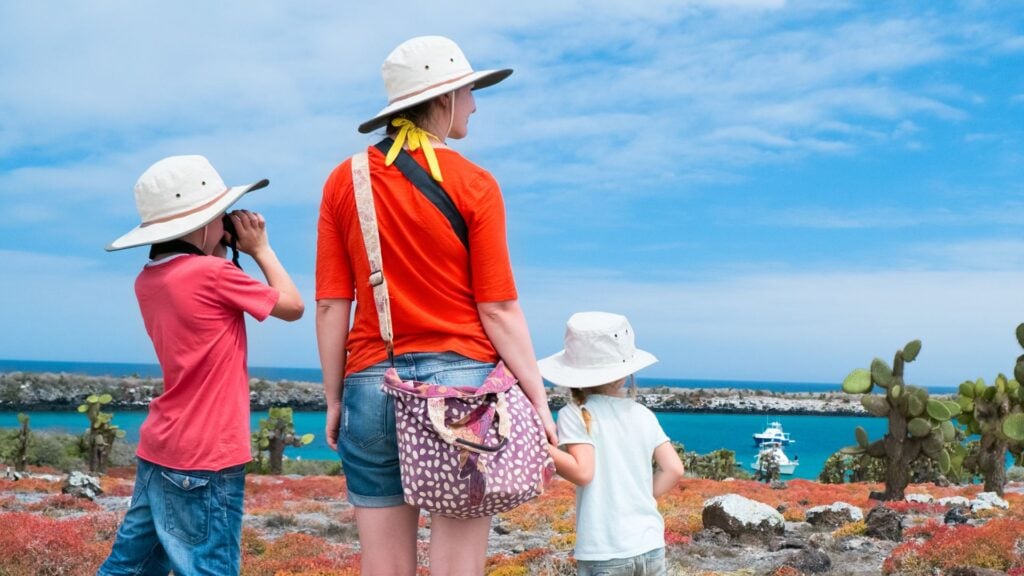
Being active together doesn’t have to be overly planned or expensive. In fact, keeping things fun, spontaneous and engaging can help everyone feel more positive about physical activity and value the time spent together.
Read on for 10 fun and low-cost ideas to get you started.
These activities can be adapted to suit different ages, abilities, and confidence levels. For example, movements can be done seated, with support, or at a slower pace. The goal is to help every child feel included, capable, and confident in being active.
1. Obstacle course
Design an obstacle course with objects you can find around your house. Build the course in your backyard, or in a shared public green space. Try and include as many of these obstacles as you can:
- Something heavy you need to lift or pull
- Something you need to balance along or hold (e.g. rope or full cup of water)
- Something you need to jump, hop or skip around or between
- Something you need to crawl through (or bear crawling from one point to another is fine too)
- Something you need to climb over
- Something you need to throw or catch
Try completing the course together as a family, cheering each other on and counting how many obstacles you can all complete successfully.
Make it harder by:
- Doing the course backwards
- Making the course longer
- Adding more laps to the course
2. Sock-er penalty shoot-out
A great indoor activity when it’s raining or too hot outside, this game requires just a washing basket and some rolled up socks. Use the washing basket as a ‘net’ and take turns being the ‘striker’ and ‘goalie.’ Each striker gets 10 chances to get the ‘soccer ball’ into the net. As the ‘striker’, you can use your feet or your hands. Tally your points at the end.
For other game ideas using rolled up socks, check out this video:
3. Scavenger hunt race
This is another great indoor activity that only uses rolled up socks. One person hides 10 pairs of socks around the house or designated play area. The other person closes their eyes and counts out loud to 30. Set a timer for 90 seconds, and the person who was counting must then find as many socks as they can in that time. Then swap roles. Tally your points at the end.
4. Tail tag
This game works best with more than 6 people and can be played with friends, neighbours, or family. Each player wears a sock, scarf, or bandana tucked into their shorts as a “tail.” The aim is to collect as many tails as possible, but being frozen is part of the fun too!
When a player loses their tail, they freeze in place and can stay involved by cheering, making funny poses, or planning their next move. Other players can reward the most enthusiastic cheerers or the best frozen “statues” by handing them a scarf or tail, keeping everyone engaged and the fun going.
5. Play with balloons
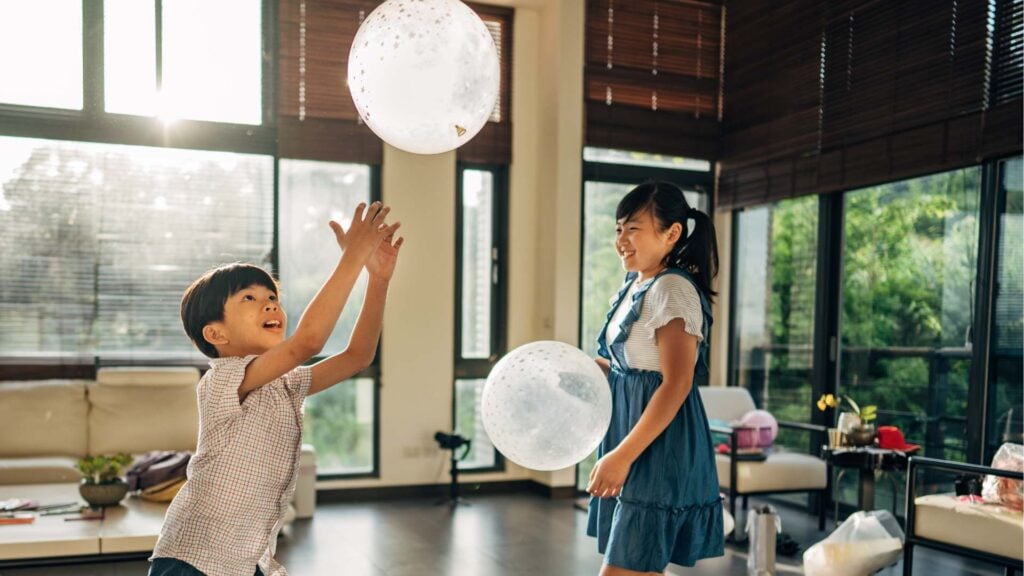
This is another great indoor activity when the weather is not ideal for going outside. Blow up several balloons and tap one into the air. The aim of the game is to not let the balloon touch the ground. Gradually add more balloons into the mix to make it more challenging. This activity is great for helping build concentration, coordination and multi-tasking skills. If you have a small indoor space, this activity can be adapted outside with a beachball instead.
6. Bike riding
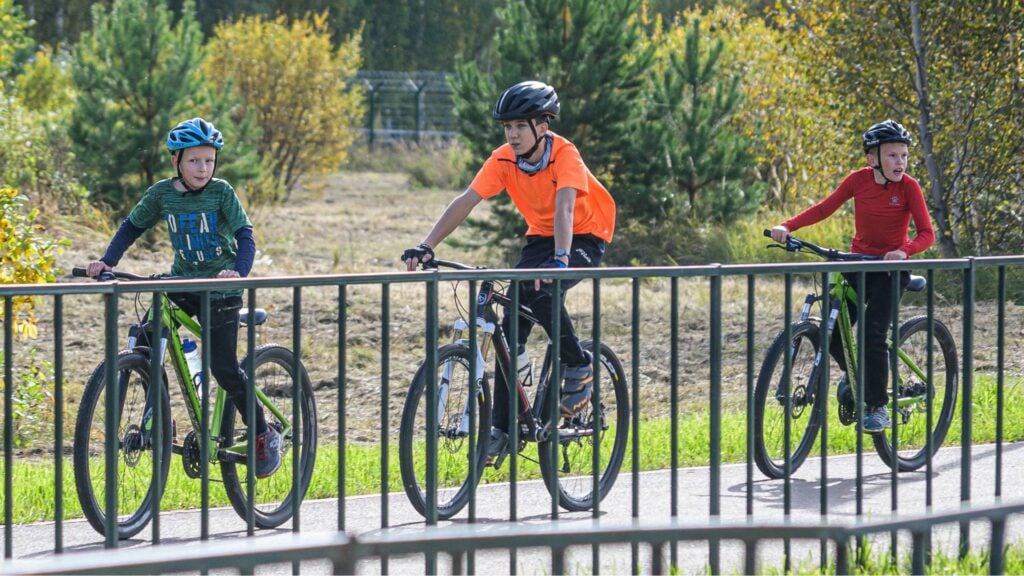
Go on a family bike ride. Bike riding can help strengthen your heart, improve circulation, build muscle strength and boost your mood. There are lots of places to ride in Queensland. Try searching “easy bike rides near me” or explore these family-friendly bike routes from Bicycle Queensland. Don’t own a bike? Swap it out for scooters, rollerblades, or skateboards. If your kids have these but you don’t, opt for a brisk walk or jog beside them instead.
7. Ball play
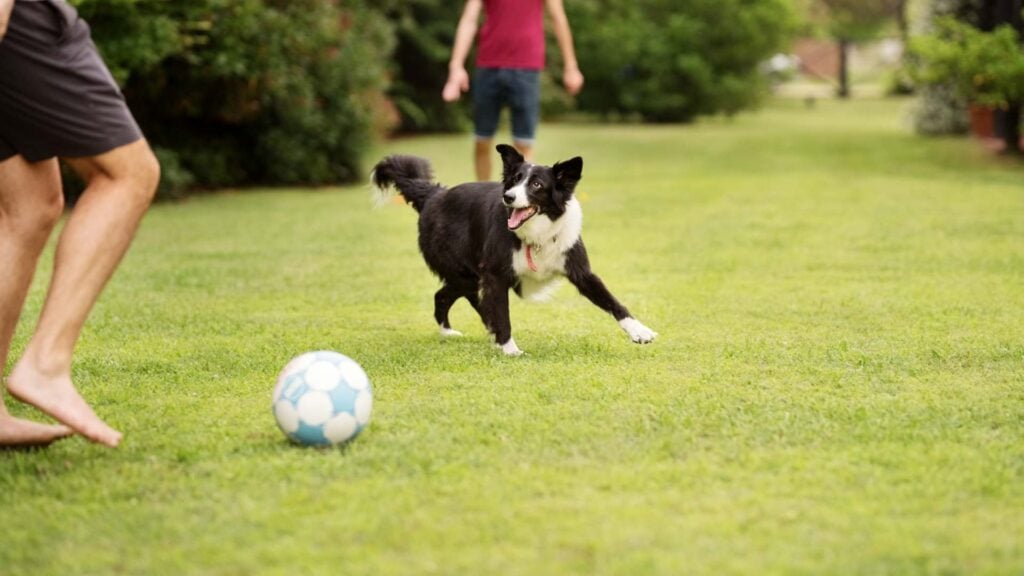
Head to a nearby park and practice your sporting skills. It may be kicking a soccer ball into the goal, catching a footy, shooting some hoops, or playing some cricket. Activities like this support motor skill development and help kids grow their confidence to participate in sport.
8. Visit your local playground
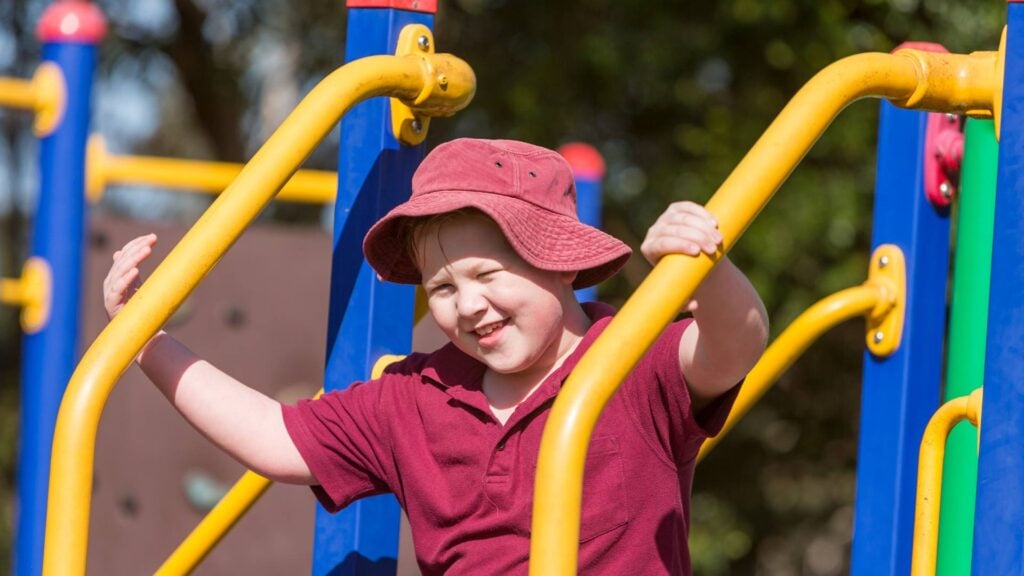
Visiting a local playground is a great way for kids to engage in muscle and bone strengthening activities, like climbing, swinging and jumping. It’s also a great opportunity for you to do the same! Do your best to get involved at the playground. Whether it’s climbing up the equipment with them, swinging beside them, or offering words of encouragement as your kids challenge themselves.
9. Family walk
Make family walks a part of your routine. It might be a designated route around your neighbourhood, or a walk to the park, corner store and other nearby places that you might typically drive to. If you have a family dog, remember to take them with you! And opt for a longer route to increase your steps.
Check out this article for ideas on how to make walking more interesting for kids.
10. Swimming
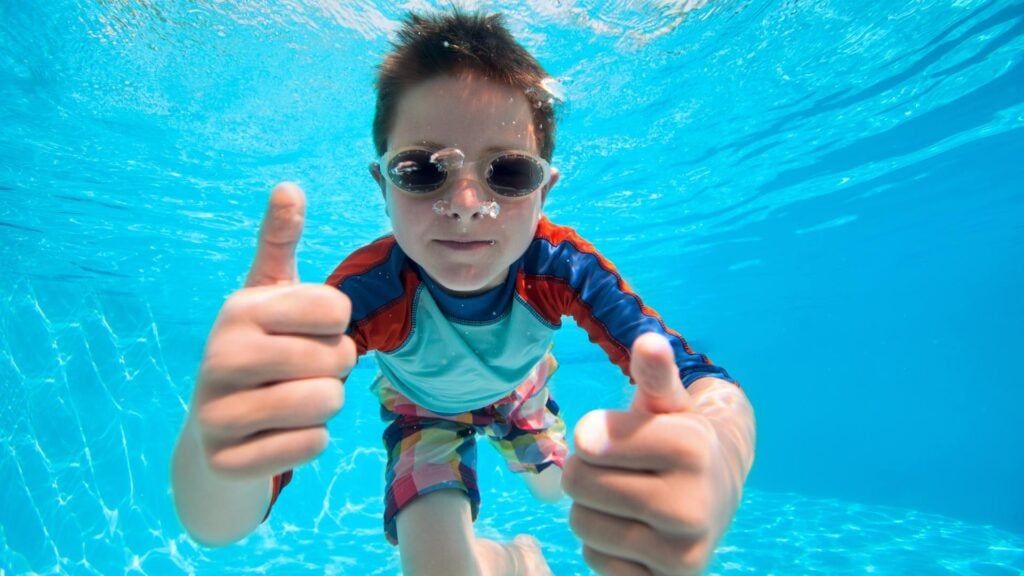
Head to your local council pool, splashpad, beach, or swimming hole for a fun family day out. Swimming is an excellent form of physical activity that uses every major muscle group in the body. It’s also a great way for kids to burn off energy and support emotional regulation. Just remember your sun safety protocols while outside: wear protective clothing, apply 50+ SPF sunscreen, slap on a hat, slide on sunglasses, and seek shade wherever possible.
Ideas for teens
For other physical activity inspiration more suited to young people, check out these low-cost ideas for teens.
Have fun and stay hydrated
Remember to keep a water bottle handy and take breaks as needed, especially if you’re running around, riding bikes or playing outside.
Download Podsquad
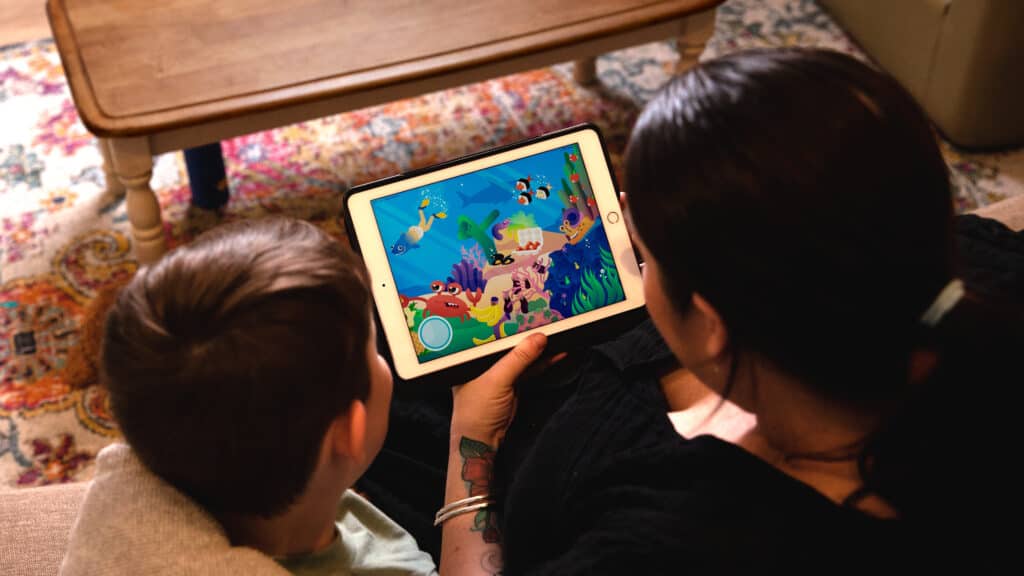
For more free or low-cost ideas on how to get active with your kids, download Podsquad. Podsquad is a free play-based app for Queensland families designed by childhood health specialists and co-designed with children aged 5-12. The app helps kids learn about eating better, moving their bodies more, and the importance of sleep through games, stories, puzzles, and quests, while earning rewards along the way.
Build confidence and healthy habits
Building healthy habits in kids starts by being a good role model and making physical activity a part of family life.
Other factors that support children to move more include access to safe and engaging places to play, supportive friends and family, and activities that are enjoyable.
Creating a positive, playful environment where movement is fun can help children build confidence, develop healthy habits, and make being active a natural part of everyday life.
Sources
- Australian Government Department of Health, Disability and Ageing. 24-hour movement guidelines for all Australians [Internet]. 2026 [cited 2026 March 27]. Available from: https://www.health.gov.au/topics/physical-activity-and-exercise/physical-activity-and-exercise-guidelines-for-all-australians/recommendations-for-children-and-young-people-5-to-17-years?language=en
Acknowledgment
Content developed by Health and Wellbeing Queensland’s team of expert nutritionists, dietitians, and exercise physiologists.