Clinicians Hub resources

Evidence-based tools, guidelines and resources for health professionals and patients to support the prevention, early intervention, and management of chronic diseases.
Guidelines

Management of eating disorders for people with higher weight: clinical practice guideline

The aim of this guideline is to synthesise the current best practice approaches to the management of eating disorders in people with higher weight and make evidence-based clinical practice recommendations.
Guidelines

Guidelines for preventive activities in general practice (Red book)

The Red Book is designed to provide the general practice team with guidance on opportunistic and proactive preventive care. It provides a comprehensive and concise set of recommendations for patients with additional information about tailoring advice depending on risk and need. (PDF, 3.0MB)
Guidelines

Allergy prevention guidelines

Allergy Prevention Guidelines developed by ASCIA to outline practices that may help reduce the risk of infants developing allergies, particularly early onset allergic diseases such as eczema and food allergy.
Guidelines

Eating disorders – a professional resource for general practitioners

This resource provides GPs with key information about identifying, responding to, and managing eating disorders. (PDF, 2.5MB)
Guidelines

Youth health resource kit: An essential guide for workers

The Youth Health Resource Kit assists workers to deliver effective and youth-friendly health services. The toolkit includes a section on health behaviours, helping young people to build and establish healthy habits in adolescence.
Guidelines

Implementing routine growth assessment of children

Developed by NSW Health, this toolkit provides health professionals with practical information and resources to help embed children's growth assessment as part of routine clinical practice. (PDF, 932KB)
Guidelines

Infant feeding guidelines

Infant Feeding Guidelines that support health professionals with providing consistent advice to the general public about breastfeeding and infant feeding. The guidelines support optimum infant nutrition and provide clear evidence-based recommendations on infant feeding. (PDF, 3.2MB)
Guidelines

24-hour Movement Guidelines for all Australians – Recommendations

The 24-hour Movement Guidelines outline how much physical activity is recommended each day, limiting sedentary activity, and the inclusion of adequate sleep for children and young people.
Factsheets

Eating disorders and neurodivergence

The Stepped Care Approach report synthesises research and lived experience evidence regarding the prevention, early identification and treatment of eating disorders and disordered eating for neurodivergent people. This page also provides a range of health practitioner specific factsheets.
Guidelines

Preventing obesity and eating disorders in adolescents

This clinical report addresses the interaction between obesity prevention and eating disorders in teenagers, providing evidence-based tools to identify behaviours that predispose adolescents to both obesity and eating disorders, and guidance about prevention messages. 
Guidelines

Evidence review strategy – Review of the 2013 Australian dietary guidelines

An overview of the strategy for the review of the 2013 Australian Dietary Guidelines, including evidence and recommendations.
Guidelines

Prioritisation process report for older Australians

This guidance is for the general population aged 65 years and older (or 50+ years for Aboriginal and Torres Strait Islander peoples), and is aimed at supporting prevention of malnutrition, frailty, falls and chronic conditions. The guidance does not apply to people with medical conditions that require specialised diets for managing disease or frailty. However, it is aimed at supporting prevention of malnutrition, frailty, falls and chronic conditions.


Blog

Healthy behaviours

Find insightful articles on healthy behaviours. Healthy eating, physical activity, and wellbeing.

Healthy eating
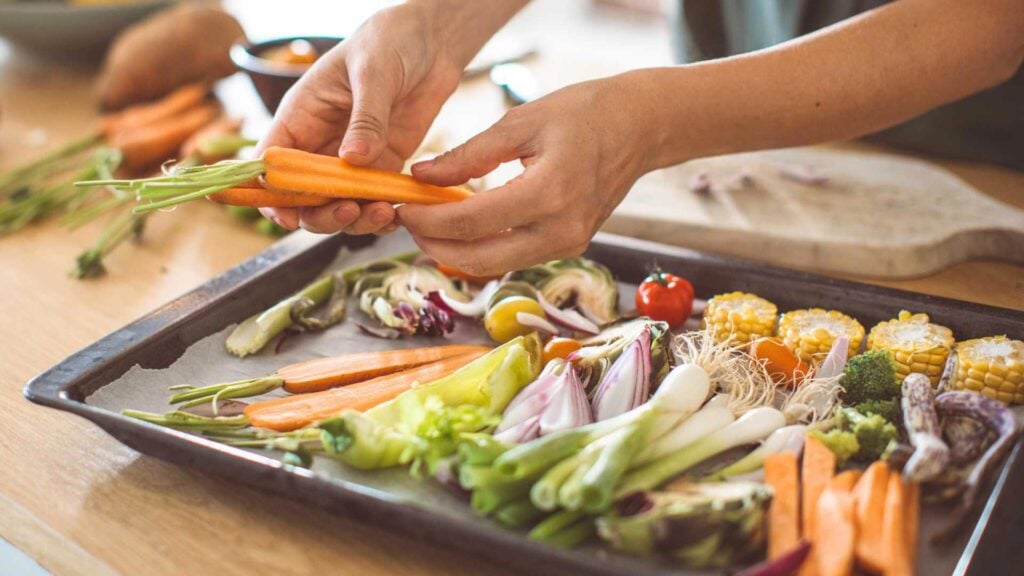
Person arranging a variety of vegetables on roasting tray

What happens to your body when you eat more vegetables?

Does eating more vegetables really make a difference to your health? Learn what happens over days, weeks and years.
Physical activity
Two young woman walk together on a foot path wearing activewear

Low-cost ways to stay active when you feel sluggish

Feeling low on energy can make movement feel like a chore. Get practical tips on how to remain consistent when
Healthy eating
Man looks at canned food in supermarket while holding shopping basket

3 important questions about type 2 diabetes answered

More than 1 million Australians are living with type 2 diabetes, yet misconceptions about the condition remain widespread.
Healthy eating
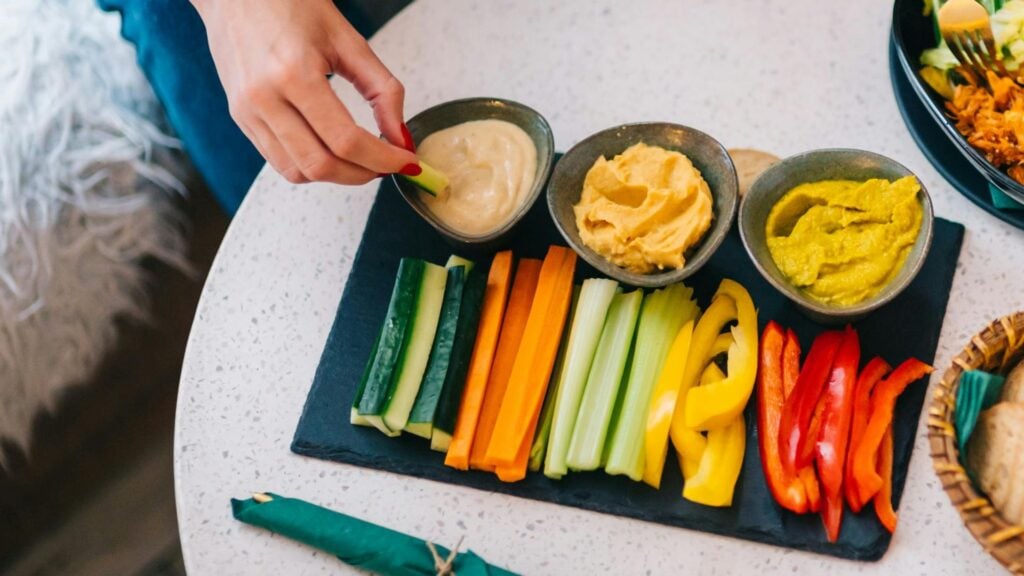
Person dips vegetable stick into dip

How to build a healthy snack when you’re time poor 

When your day is busy and meals feel rushed, having some go-to healthy snacks can make a real difference.
Physical activity

How cardio and muscle strengthening activities work together for a healthier heart

Your heart is your body's hardest worker. It’s a powerful muscle about the size of your clenched fist that keeps
Healthy eating
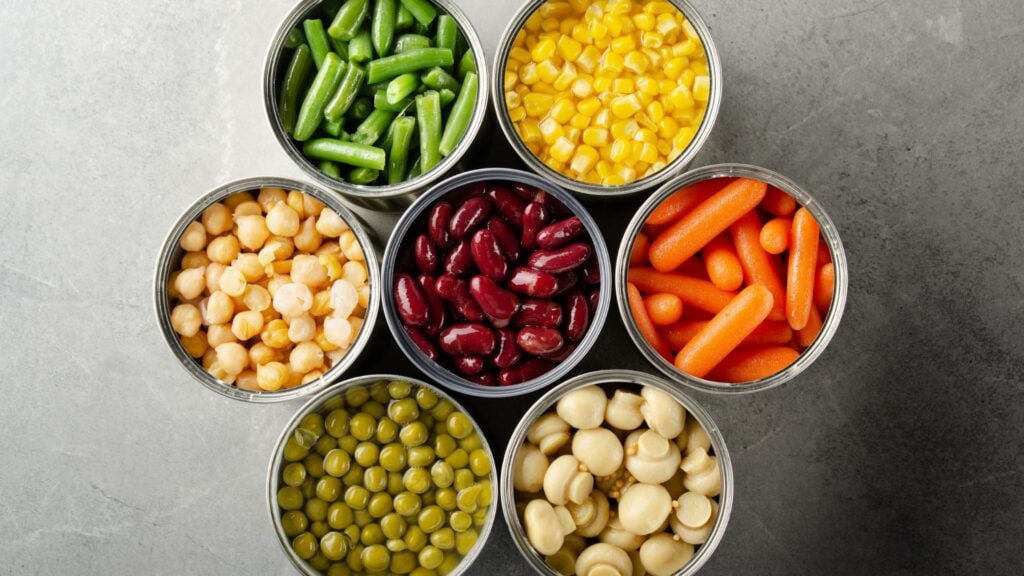
7 opened canned foods

Smart pantry cooking: Healthy meals using canned, frozen and long-life foods 

A well-stocked pantry has always been a quiet ally in the kitchen, but in times when fresh produce can fluctuate

SUBSCRIBE TO OUR NEWSLETTER

Insights and updates
for the health and wellbeing sector