Clinicians Hub resources

Evidence-based tools, guidelines and resources for health professionals and patients to support the prevention, early intervention, and management of chronic diseases.
Factsheets

Pre-exercise screening system for young people (PSS)

A questionnaire to guide discussion and provide advice for families around appropriate types and levels of physical activity for children and adolescents. This screening system aims to help identify young people with known disease, and/or signs or symptoms of disease, who may be at a higher risk of an adverse event due to physical activity.
Factsheets

Guide to accurately weighing children using standing scales (2+ years)

A guide for health professionals to accurately use standing scales to measure the weight of a child aged 2 years and over. (PDF, 319KB)
Factsheets

CDC growth charts (2-20 years)

CDC Clinical growth charts for children and adolescents aged 2-20. These charts are used to monitor height for age, weight for age, and BMI for age percentiles. Identifying any rapid increases or decreases away from the trajectory or growth curve, may help identify opportunities for early intervention.
Factsheets

Equipment checklist for children (2+ years)

A checklist of equipment needed to accurately weigh and measure the height of a child over 2 years old. (PDF, 291KB)
Factsheets

Guide to accurately measuring the height of a child (2+ years)

A guide for clinicians on accurately using a stadiometer to measure the height of a child aged 2 years and over. (PDF, 106KB)
Factsheets

WHO Z-Scores chart, weight for height (2-5 years) BOYS

The WHO BOYS weight-for-height Z-score chart monitors changes in child (2-5) weight patterns which might not be as easily tracked on standard growth charts. Z-scores are particularly useful to monitor small changes that have occurred over time, especially when growth concerns exist. (PDF, 722KB)
Factsheets

WHO Z-Scores chart, weight for height (2-5 years) GIRLS

The WHO GIRLS weight-for-height Z-score chart monitors changes in child (2-5) weight patterns which might not be as easily tracked on standard growth charts. Z-scores are particularly useful to monitor small changes that have occurred over time, especially when growth concerns exist. (PDF, 719KB)
Factsheets

WHO Z-Scores chart, weight for length (0-2 years) BOYS

The WHO GIRLS weight-for-length Z-score chart monitors changes in infant (0-2) weight patterns which might not be as easily tracked on standard growth charts. Z-scores are particularly useful to monitor small changes that have occurred over time, especially when growth concerns exist. (PDF, 755KB)
Factsheets

WHO Z-Scores chart, weight for length (0-2 years) GIRLS

The WHO GIRLS weight-for-length Z-score chart monitors changes in infant (0-2) weight patterns which might not be as easily tracked on standard growth charts. Z-scores are particularly useful to monitor small changes that have occurred over time, especially when growth concerns exist. (PDF, 748KB)

Factsheets

WHO growth charts (0-2 years)

WHO Growth charts (0-2) are used to calculate weight, length and weight for length percentiles for children aged under 2. These charts are used to monitor infant and young child's growth over time. Identifying any rapid increases or decreases away from the trajectory or growth curve, may help identify opportunities for early intervention. 
Factsheets

Growth measurement technique (0-2 years)

A factsheet which guides health providers on how to conduct best practice growth assessments in children under 2 years old. This includes information on techniques and equipment required. (PDF, 217KB)
Factsheets

Pregnancy weight gain chart for BMI >25 + multiple birth

A pregnancy weight gain chart for women pregnant with twins or triplets whose BMI was more than 25kg/m2 prior to pregnancy. This tool supports women and their health care providers to monitor and discuss healthy weight gain during pregnancy. (PDF, 9.3MB)

Blog

Healthy behaviours

Find insightful articles on healthy behaviours. Healthy eating, physical activity, and wellbeing.

Healthy eating

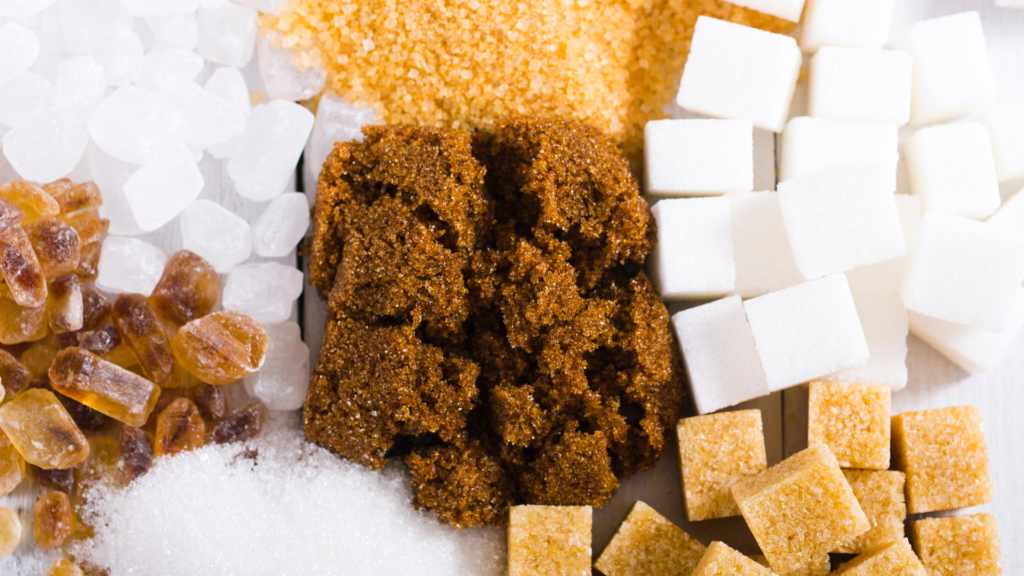
Why we’re addicted to sugar and how to cut the cravings

Sugar cravings can feel like the brain is hard-wired to run on sweet foods and drinks. It turns out, this
Healthy eating
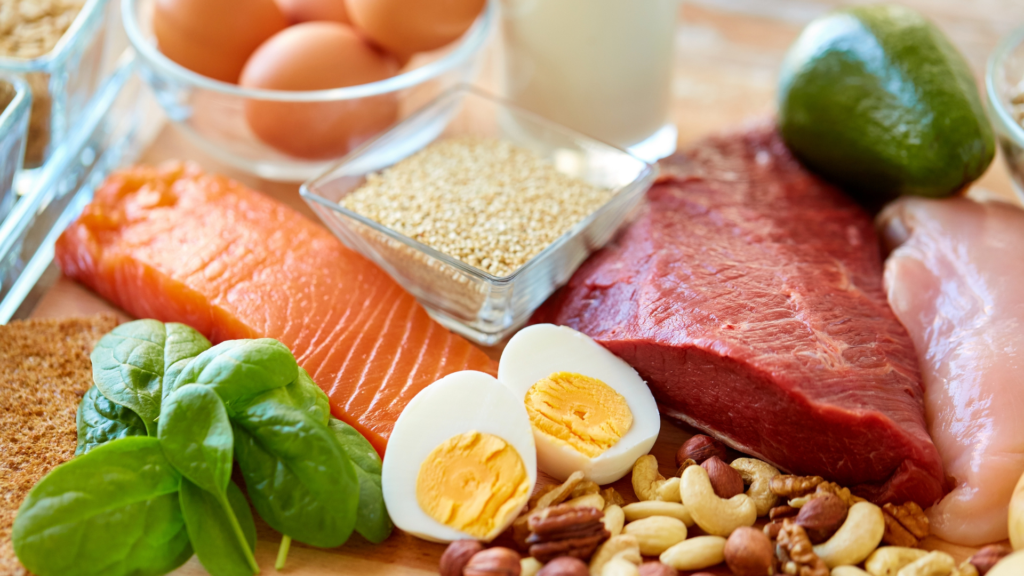
Salmon, eggs, red meat, avocado and nuts on a plate

The role of protein in keeping us healthy 

Just as the buildings we live and work in are nothing without the bricks that make them, our bodies would
Older adults
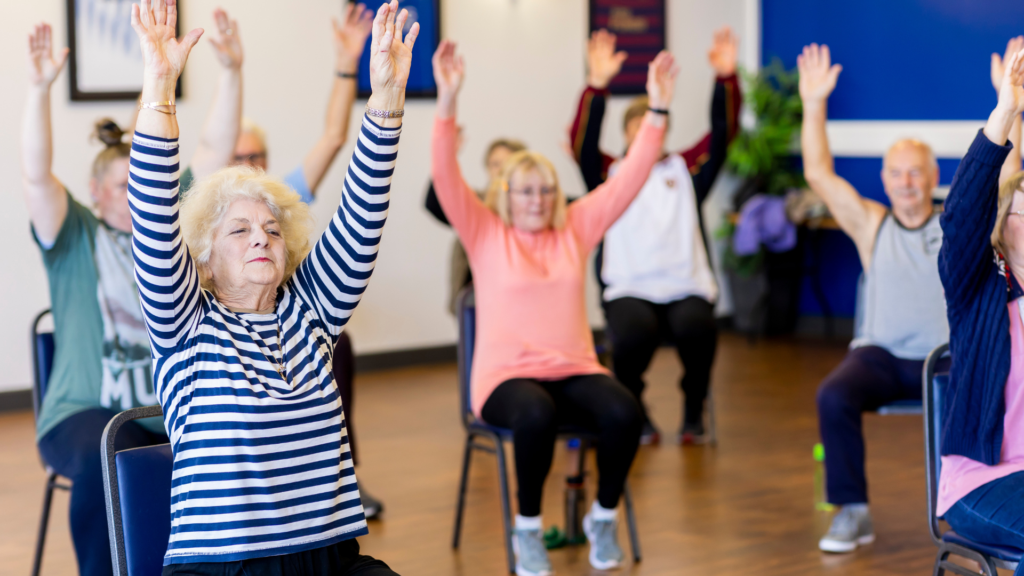
People sitting in chairs during an exercise class.

Physical activity and chronic disease: a guide to staying active safely

Living with chronic disease can be challenging, especially when it comes to understanding how to best stay physically active.
Physical activity
Two individuals bike riding at Burleigh Heads, Queensland

Discover the best bike rides in Queensland

Bike riding is a wonderful way to explore the outdoors, move your body and have fun with family and friends.
Physical activity
A woman is wearing a hat and watering plants in a garden

5 surprising benefits of gardening for your body and mind

Many people think of gardening as a relaxing hobby, but the benefits of gardening go well beyond a tidy backyard.
Kids
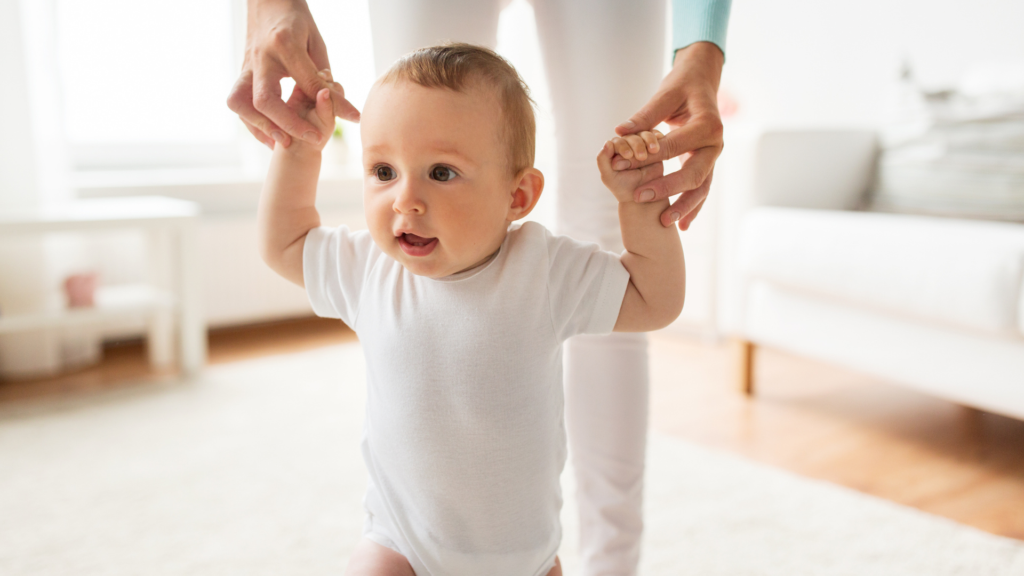
A baby learning to walk

Easy ways to get babies and toddlers moving daily 

From tummy time, to crawling and playing pretend, discover practical tips to get babies, toddlers and preschoolers moving more every

SUBSCRIBE TO OUR NEWSLETTER

Insights and updates
for the health and wellbeing sector