
Summary of Queensland Remote Food Security Strategy 2023–2032
Vision
Aboriginal and Torres Strait Islander peoples living in remote communities are food secure.
Goal
Increase the availability, accessibility and use of healthy food in remote Aboriginal and Torres Strait Islander communities.
Action Plan 1
Plant, 2023–2026
Establish fertile ground
Cultivate collective leadership and vision to enable system change.
Action Plan 2
Nurture, 2026–2029
Support budding change
Test, trial and evaluate place-based solutions to support change.
Definition
Food security
Food security ensures people and communities have reliable access to a range of healthy food and drinks that are affordable and acceptable to their cultural needs at all times.
Key priorities
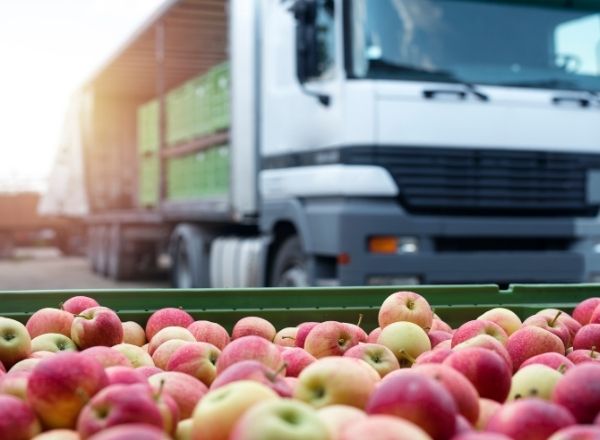
Work to ensure the supply chain is performing to the best of its ability to supply quality, affordable and healthy food all year-round.
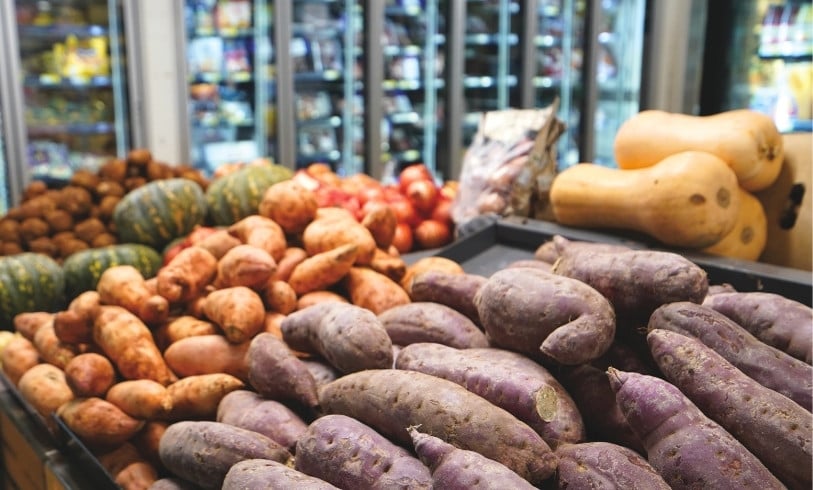
Improve healthy food availability and access by creating supportive ways food can be grown locally.
Ensure homes have reliable cooking facilities that will support healthy food preparation, storage and consumption.
Empower communities to understand the importance of healthy eating by improving access.
HOW WE WORK
Our shared commitment
Ensure communities are at the centre of decision-making.
Ensure approaches are fair and take into consideration the unique needs of Aboriginal and Torres Strait Islander communities.
Drive solutions that support outcomes now and into the future.
Look at the whole picture to understand where the challenges and opportunities exist to address food security.
Commit to learning from history and culture, and respecting Aboriginal and Torres Strait Islander ways of knowing, being and doing.
WHAT WE NEED
To succeed, we need:
- Collective leadership: By working together across government, community, industry and others to share solutions, implementation and ownership.
- Knowledge translation: By recognising the importance of everyone’s knowledge so that decision-making is evidence-based and community led.
- Solution-driven investment: By ensuring there is enough investment to support implementation and evaluation, resulting in long term outcomes.
- Strengths-based approaches: By building on the strengths, resilience and leadership within communities.
What we seek to achieve
Food is available in communities.
Food is affordable and accessible in communities.
Food choices and preparation support good health in communities.
Action Plan summary
Plant, 2023–2026 Establish fertile ground
The Gather + Grow Action Plan 2023–2026 is the first Action Plan related to Gather + Grow 2023–2032. This Action Plan focuses on creating shared leadership to establish a strong foundation for change by testing actions and understanding the current state.
Actions to be taken
These actions will involve understanding current challenges and opportunities within the supply chain in order to identify improvements and/or new solutions. For example, by partnering with key stakeholders to design solutions that will support improvements across the supply chain, and by investigating opportunities to pool procurement across government and community settings to reduce the freight cost of food.
These actions will focus on understanding if food can be grown closer to remote communities. For example, by developing a criterion to inform investment decisions, and conducting feasibility studies, to determine critical inputs and infrastructure required by communities.
These actions will focus on the challenges and opportunities to ensure homes have reliable kitchen facilities and equipment to allow healthy food to be cooked, eaten and stored.
These actions will focus on promoting the use of healthy food across community settings to make healthy choices easier. For example, by enhancing the capability of remote stores to achieve healthy retail environments and by mapping local food systems to understand where there are opportunities to promote healthy eating in communities.
SUBSCRIBE TO OUR NEWSLETTER
Insights and updates for the health and wellbeing sector
"*" indicates required fields