PRECONCEPTION HEALTH
ALCOHOL


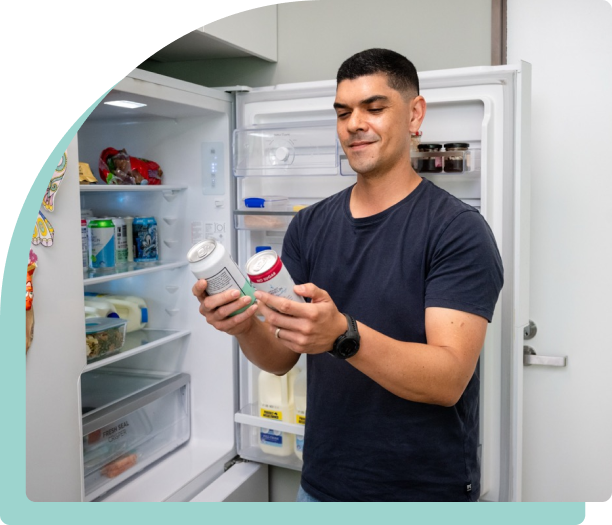
Even small amounts of alcohol can increase the time it takes to fall pregnant and reduces the chance of a healthy baby. Reducing your reliance on alcohol before the bump supports better health for you and your baby.
Alcohol can affect egg and sperm quality before conception and impact your baby’s brain development. The safest choice is to avoid alcohol both before and during pregnancy.
Alcohol can affect male fertility too by lowering testosterone and reducing sperm quality
In Australian culture, social events are often associated with drinking. But you can still enjoy the event and social connections with mates without alcohol.
Non-alcohol drinks are a great way to join in.
Planning before the baby bump lets you make small changes now that can have a big impact on your baby’s health and development.
Almost 2 in 3 women had consumed alcohol before realising they were already pregnant (AIHW, 2024). Drinking alcohol when pregnant can cause foetal alcohol spectrum disorder, which can impact your baby’s abilities with learning, behaviour and overall health.
By avoiding alcohol before the bump, you are protecting your baby’s future health and helping your own body to be healthier too.
Work as a team to support each other to avoid alcohol:
At your next social event whip up a mocktail or bring some non-alcohol beers. Not only will you be improving your health before the baby bump, you’ll feel better the next day too!
The average Australian household spends approximately $35 a week on alcohol. This money could be spent on fruit and vegies, supplements or a gym membership. (ABS Household Expenditure Survey, 2022).
Drinking alcohol can impact a good night’s sleep, which can make you feel tired for days afterwards. Not drinking means you are likely to sleep better, feel more energised, and take fewer sick days off work. Having more energy makes it easier to stick to other healthy habits such as eating well or exercising each day.
* Check the label to make sure the beer you are drinking is a 0% beer, as some still contain small levels of alcohol.

Download:
Checklist for women

Download:
Checklist for men

Download:
Fact sheet
Need some help with reducing alcohol? These free, or low-cost supports are here to help you:
Alcohol and Drug Foundation. (2025). Australian Alcohol Guidelines. https://adf.org.au/reducing-risk/alcohol/alcohol-guidelines/
Australian Institute of Health and Welfare. (2025). Alcohol, tobacco & other drugs in Australia. Retrieved from https://www.aihw.gov.au/reports/alcohol/alcohol-tobacco-other-drugs-australia
Australian Institute of Health and Welfare. (2025). Australia’s mothers and babies. Retrieved from https://www.aihw.gov.au/reports/mothers-babies/australias-mothers-babies
Australian Institute of Health and Welfare. (2024). Pregnant and breastfeeding women’s use of alcohol and other drugs. Retrieved from https://www.aihw.gov.au/reports/alcohol/pregnant-breastfeeding-women-alcohol-drugs
National Health and Medical Research Council. (2020). Australian Guidelines to Reduce Health Risks from Drinking Alcohol. https://www.nhmrc.gov.au/health-advice/alcohol

Health and Wellbeing Queensland acknowledges the Traditional Owners and custodians of the lands from across Queensland. We pay our respects to the Elders past and present for they are holders of the memories, traditions, the culture and aspirations of Aboriginal and Torres Strait Islander peoples across Queensland.


© Health and Wellbeing Queensland 2026
© Health and Wellbeing Queensland 2020
Health and Wellbeing Queensland acknowledges the Traditional Owners and custodians of the lands from across Queensland. We pay our respects to the Elders past and present for they are holders of the memories, traditions, the culture and aspirations of Aboriginal and Torres Strait Islander peoples across Queensland.