
Move and Measure It!
Being physically active is essential for supporting your health and wellbeing.

Welcome to Move and Measure It!
Firstly, I congratulate you on taking the step to getting more active because getting started, or even thinking about it, requires a certain amount of energy and we know that is not always easy. Regular physical activity has numerous benefits for our mental health and wellbeing, so whether you are visiting this site for the first time or are returning to get more inspiration, I warmly encourage you to use the tips and information provided here to help you reach your goal. Along with your health professional, we wish you all the best on your continuing journey to better health.
Dr John Reilly
Chief Psychiatrist and Chief Mental Health Alcohol and Other Drugs Officer
Tips for getting started
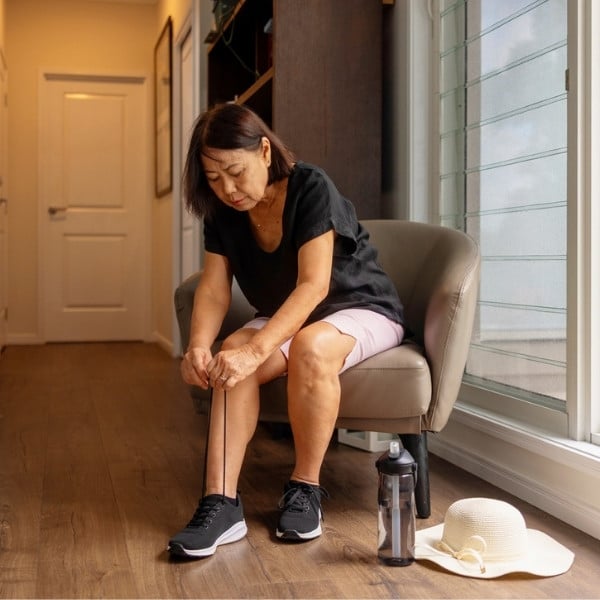
If you haven’t exercised much before, or it’s been a while, it can be daunting to know how to start. The most effective way is to start slowly. Find out what kinds of activity you enjoy, how you feel when you start moving more, and how to fit being active into your routine.
Read our guide to getting active, to help you find what works best for you.
Physical Activity
Find the movement that fits you
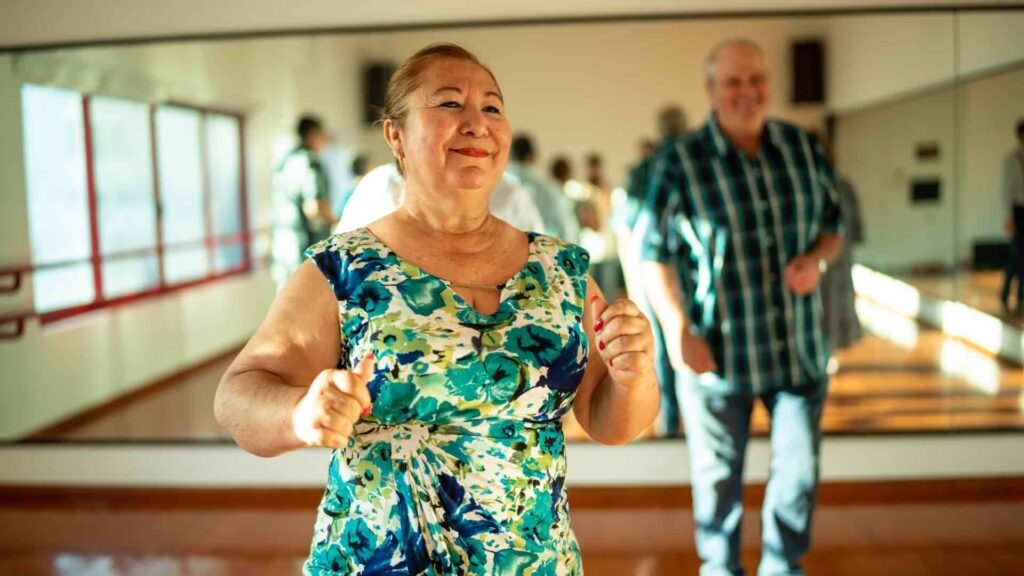
Simple exercises you can do at home today
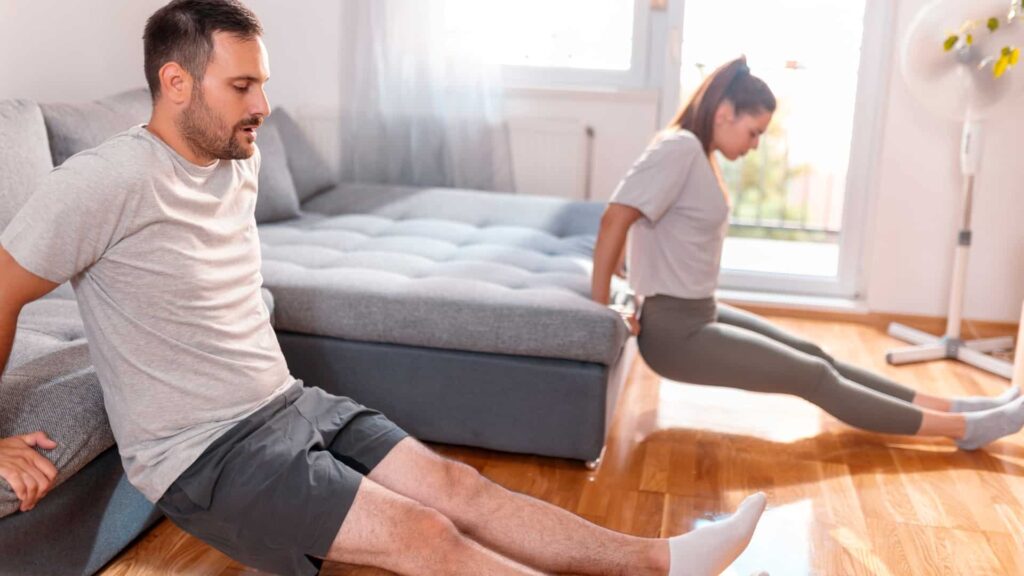
Follow our step-by-step guides and learn how to improve your exercise technique for beginners through to advanced sessions.
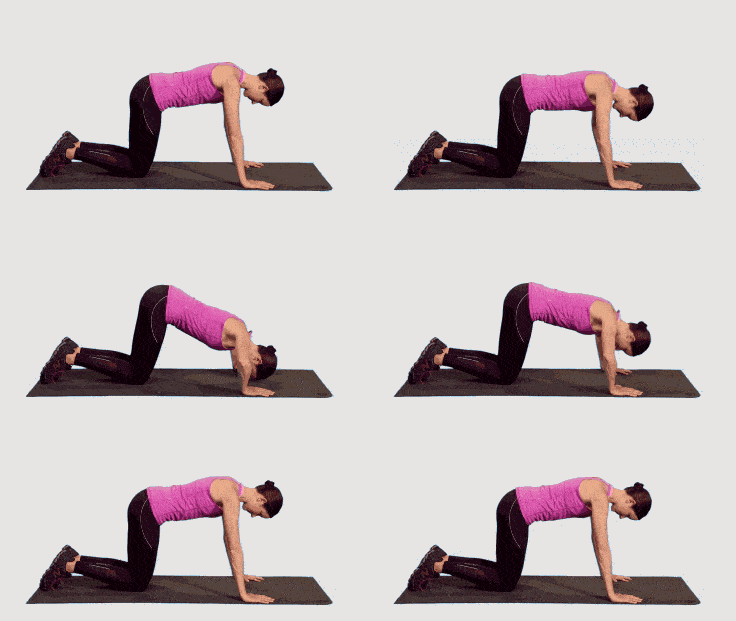
Try a beginner-friendly workout
This 30-minute workout offers a whole-body routine that will build your strength and cardio capability while growing your confidence and helping you feel more energised.
How much should we be moving?
Keeping our bodies fit and healthy is incredibly valuable for our mental and physical wellbeing. To get the most benefits, we need different amounts and types of physical activity and intensity, depending on our age.
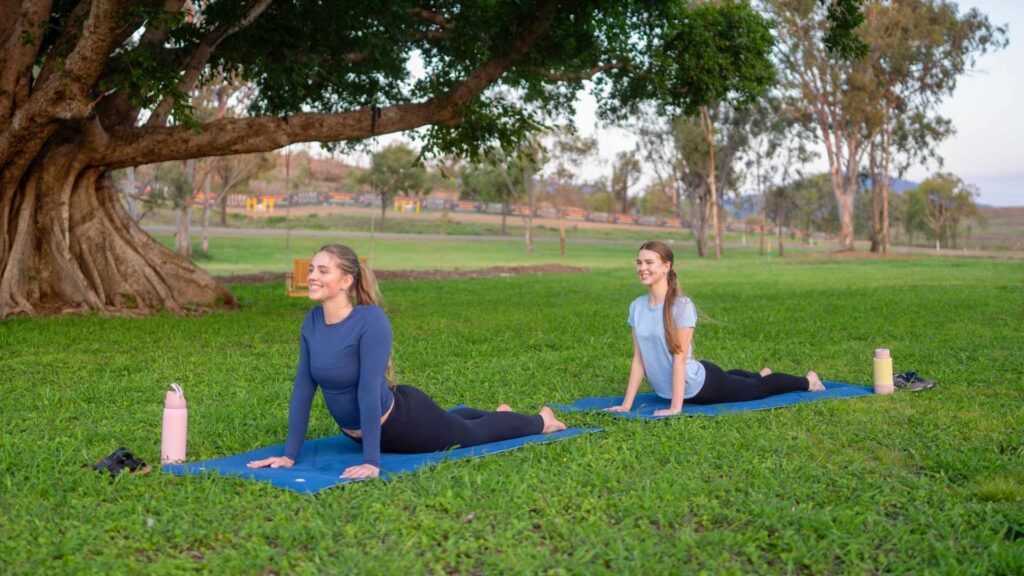
Get started with yoga
Practising yoga can provide both physical and mental wellbeing benefits. Yoga can build strength, awareness, and harmony in both your body and mind. It’s also great for your flexibility and a good way to build physical activity into your weekly routine. If you’re new to yoga, give this beginners yoga sequence a go!
Every step counts
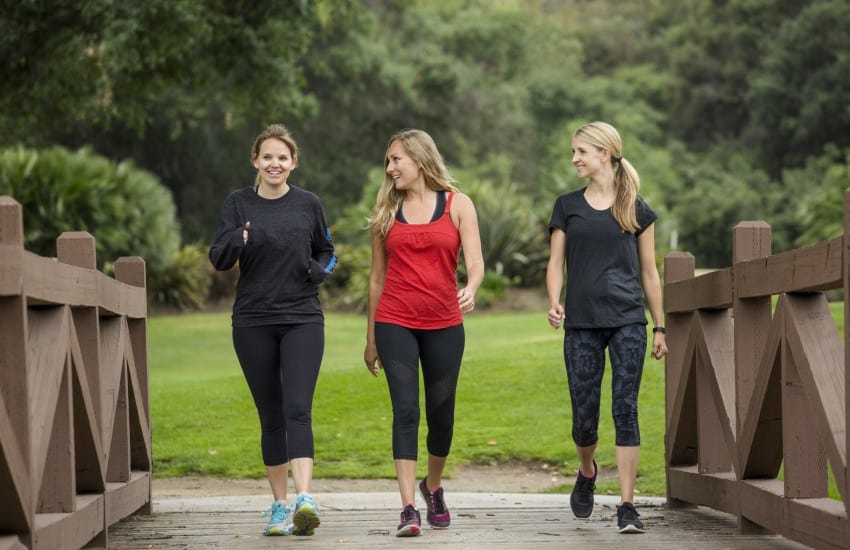
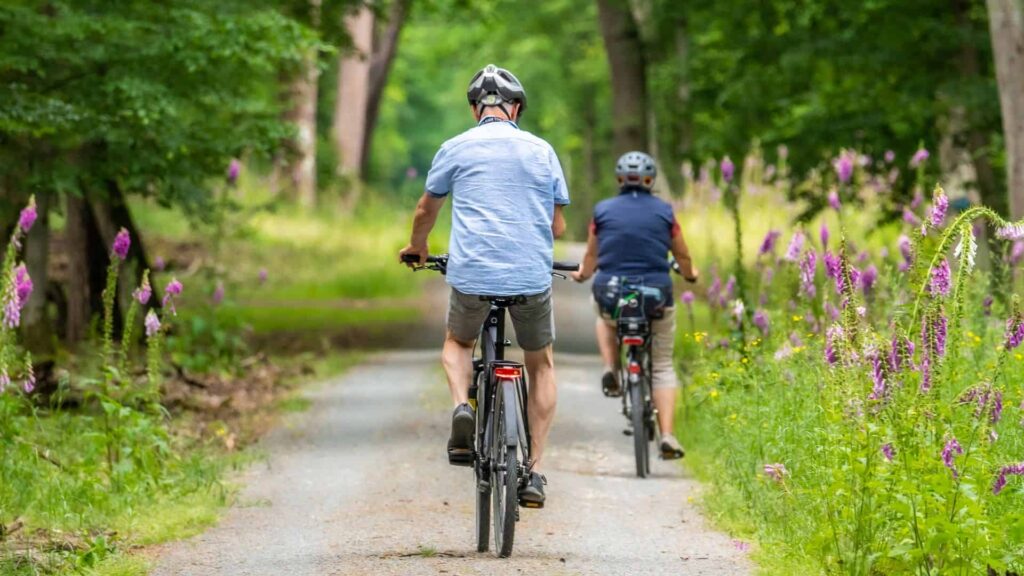
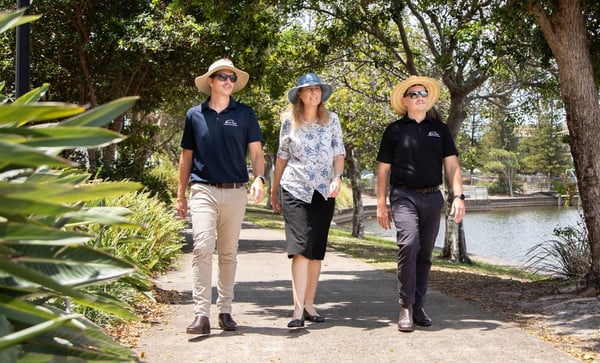
Walking is a great way to increase your activity. Download the 10,000 Steps program to help monitor your daily step goals and track your progress. Start by aiming for an additional 500 steps per day and eventually build up to 10,000 steps each day.
Frequently asked questions
How does physical activity help my mental health?
Exercising regularly can help to:
- reduce stress
- improve your mood by releasing ‘feel good’ chemicals in the brain, like endorphins and serotonin
- give you more energy
- improve your quality of sleep
- boost your memory and improve concentration
- improve your confidence and self esteem
- create opportunities to interact with other people that can reduce feelings of loneliness and isolation
- provide a positive distraction from negative thought patterns
- reduce symptoms of mental health conditions like depression, anxiety or schizophrenia
- aid in recovery from mental health issues
How can I start to be more active?
Physical activity doesn’t have to be structured exercise activities. Making some small changes to your daily routine can make a big difference. You could try increasing your activity by:
- using the stairs instead of the lift or escalator
- walking or riding your bike for short trips instead of driving
- getting off the bus one stop earlier, or parking further away, and walking the rest of the way to your destination
- walking the dog around your neighbourhood or a local park.
Long periods of sitting can offset the benefits of being physically active, so it’s important to:
- reduce the time you spend sitting. You could try using a standing desk or enjoying a walk during your lunch break
- break up long periods of sitting by doing lunges or star jumps or walking around when on the phone.
Do I need to see a GP or doctor before I start?
If you’ve been inactive for a long time, are pregnant, have a heart condition or other health condition that might impact your ability to exercise, or you’ve got any concerns about becoming more active, talk to your GP or a health professional about the best and safest way to begin exercising. Here are 7 questions to consider if you’re unsure if it’s safe for you to get started.
How much activity should I aim for?
Adults should be active most days. It’s recommended you ensure you are getting sufficient movement in each day if possible.
The Australian guidelines recommend adults do at least 30 minutes of moderate to intensive physical activity on most or all days of the week. This could be a brisk walk, golf, mowing the lawn or swimming.
It’s also recommend adults include muscle-strengthening activities at least 2 days a week. This could be exercises like push-ups or household tasks that involve lifting, carrying or digging.
Doing any physical activity is better than doing none. If you do no physical activity right now, start by doing some, then slowly build up to the recommended amount.
I'm not ready to start exercising. What else can I do?
If you are not usually active, start with simple activities like:
- going to the shops
- gardening
- household chores
- cooking
Use a smart watch, fitness tracker or pedometer to monitor the number of steps you take each day. Set a goal to increase them by 500 steps a day, working your way up to 10,000 steps each day.
Remember to work on increasing your activity at your own pace. Start with short activities and try to build up to doing 30 minutes of moderate exercise each day. You could try activities like:
- bike riding
- walking
- swimming
- dancing
What can I do to stay motivated?
You may struggle with feeling motivated to get active. To overcome this, you can:
- start slow and set small goals
- try social exercise, like walking or running groups, or group fitness classes
- set-up a regular time to exercise with friends or family
- find an activity you enjoy so it doesn’t feel like a chore
- consider if help from a qualified exercise professional would be right for you
- remind yourself that physical activity will help you rest better and feel less tired
Isn't it expensive to start exercising?
You don’t need to visit a gym or have any special equipment to exercise. There are lots of affordable ways to increase your activity levels. You could try:
- walking around your local area
- taking a bike ride – ask to borrow one if you don’t have one, or try some local free park equipment
- enjoying some active playtime with kids or a pet
- joining an affordable exercise group at a local community centre
- looking for free, local running groups
- exploring free or low cost online exercise classes or apps
- dancing at home to your favourite music
What if I don't have 30 minutes to exercise?
If you are short on time, break exercise into small chunks. Instead of doing 30 minutes in one go, do 3 lots of 10 minutes throughout the day. You could also try adding more walking into your regular routine and take the stairs instead of the lift or escalator.
Find the movement that fits you
To learn more about improving your health and wellbeing, check out our blog.

Health and Wellbeing Queensland acknowledges the Traditional Owners and Custodians of the lands from across Queensland. We pay our respects to the Elders past and present for they are holders of the memories, traditions, the culture and aspirations of Aboriginal and Torres Strait Islander peoples across Queensland.