

Practical ways to add more veggies into your day

According to the 2022 National Health Survey, Australians are consistently falling short when it comes to meeting their daily vegetable intake – which should be 5 serves per day. Only 6% of adults are reaching the recommended amount — and Queensland ranks the lowest among all states. Women tend to eat slightly more vegetables than men, but not enough to bring overall averages anywhere near healthy levels.
Children aren’t faring any better. Ninety-six percent are missing out on the vegetables they need each day, a number that continues to rise. This often reflects patterns at home, where low vegetable intake among adults flows through to the meals offered to kids.
The health benefits we’re missing out on
Vegetables aren’t just a nutritional checkbox — they play a key role in both physical and mental wellbeing.
Gut health
Vegetables play a vital role in maintaining gut health due to their naturally high fibre content, which promotes healthy digestion and supports the growth of beneficial gut bacteria. Additionally, many vegetables contain bioactive compounds with anti-inflammatory properties that help reduce gut inflammation. A healthy, well-functioning gut is essential for effective digestion, a robust immune system, and overall physical wellbeing. Research consistently highlights the importance of a diet rich in vegetables for sustaining gut microbiota diversity and reducing the risk of gastrointestinal disorders.2,3,4
Mental wellbeing
The same anti-inflammatory compounds found in vegetables that benefit gut health also play a crucial role in supporting brain health. A diet rich in vegetables has been associated with improved mood, reduced stress levels, and enhanced long-term cognitive function.5

Physical health
Vegetables are an excellent addition to a balanced diet as their high fibre content promotes satiety, helping to keep us feeling full for longer and supporting weight management. Furthermore, the fibre and low glycaemic index of many vegetables contribute to stabilising blood sugar levels, making them particularly beneficial for individuals managing diabetes or aiming to maintain consistent energy levels. Incorporating a variety of vegetables into meals is a practical and effective way to support overall health and dietary goals.
What does a serve of veggies look like?
One common barrier to eating more vegetables is not knowing what counts as a serve. For clarity, a serve of vegetables is:
- 75g of uncooked vegetables, or
- 1 cup of raw salad vegetables
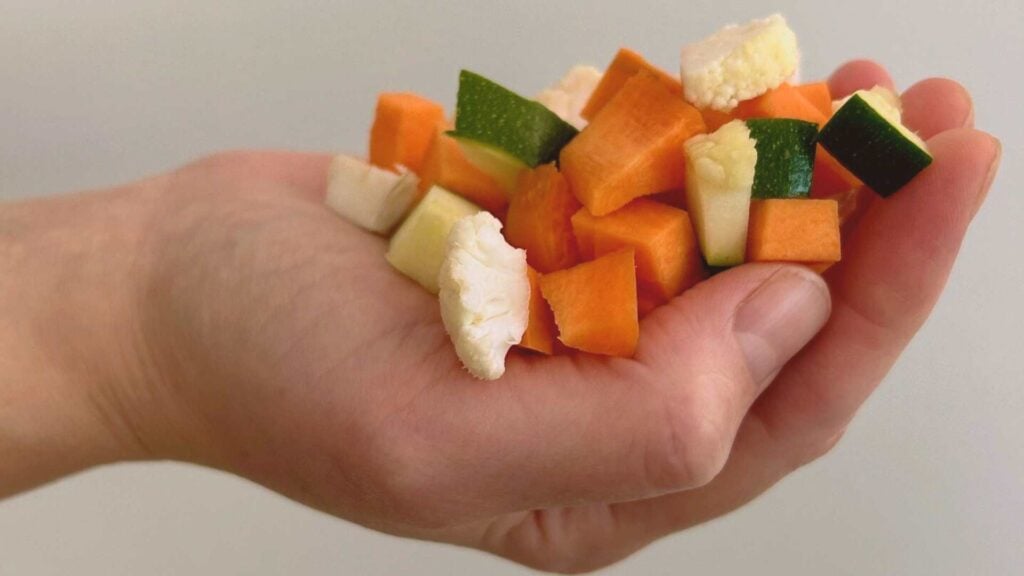
A simple rule of thumb is to imagine a handful of diced vegetables — roughly what you could scoop up with one hand. Adults should aim for 5 serves a day, though most Australians fall well short of this target.
Easy ways to add more veggies to your day
The good news? Increasing vegetable intake doesn’t require dramatic changes. It’s more about finding small, practical opportunities to add vegetables into meals you already enjoy.
Boost your breakfast
If you love cooking breakfast, try incorporating vegetables into the meal. Tomatoes, mushrooms, spinach, or baked beans can easily accompany eggs or toast. For a quicker breakfast option, why not try adding some spinach, avocado or beetroot into a morning smoothie?

Snack the smart way
Pair your favourite dips with crunchy vegetables such as carrots, snow peas, celery, capsicum or green beans. This is an easy way to add colour and nutrition without much effort.
You can even make your own veggie-loaded dips (great for packed lunches!).
Enhance your main meals
Vegetables can be subtly included in lunches and dinners without changing the dishes themselves:
- Grate zucchini or carrot into pasta sauces
- Add leafy greens, beetroot, or tomato to sandwiches and wraps
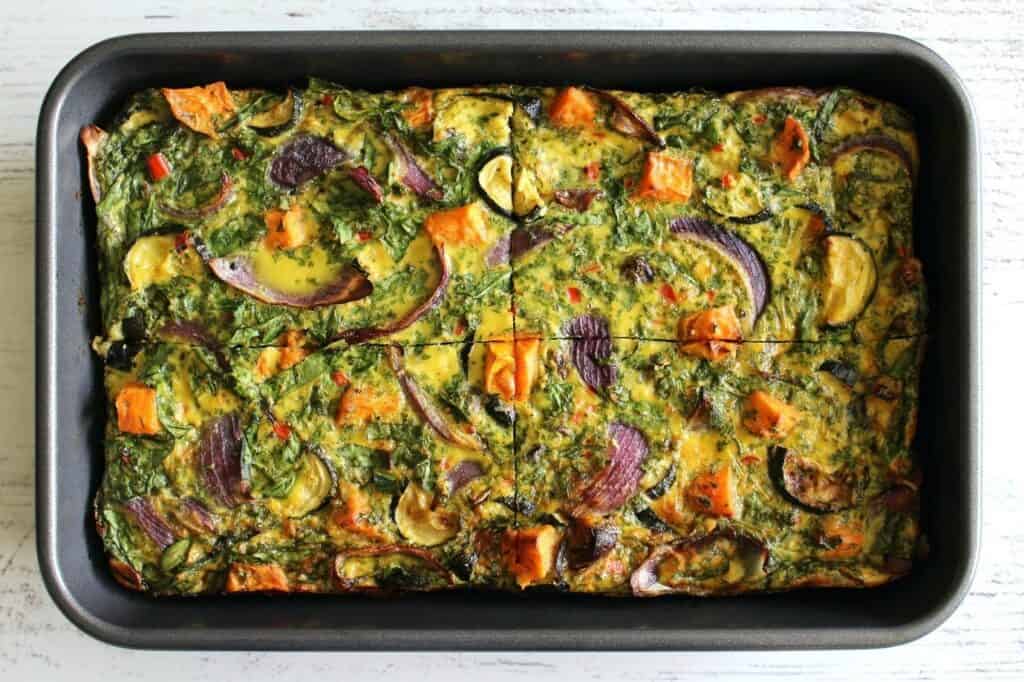
- Add extra frozen vegetables into curries, stir-fries, or casseroles
These small additions help increase your daily intake without relying solely on a large serving at dinner. And remember, fresh, frozen or canned veggies are all great options!
Keep things interesting
A common challenge is keeping vegetables appealing and varied.
Mixing fresh, frozen, and tinned options can provide more flexibility, while experimenting with different cooking methods — roasting, grilling, or stir-frying — adds variety.
Incorporating vegetables into familiar dishes, like Bolognese or homemade pizza, helps normalise vegetables as part of a regular eating pattern and feel like a natural part of everyday eating.
Further support and inspiration
For those looking to improve their “veggie report card,” check out our wide range of recipes, tips, and meal ideas designed to make eating more veggies simple and enjoyable.
Further reading
- Eat healthier and feel better with these smart food swaps
- Healthy snacks for parties, morning teas and events
- Fussy eaters? How to get your kids to eat more veggies
Small, consistent changes can make a big difference to long-term health.
Sources
1. Australian Institute of Health and Welfare. Diet. AIHW. 2024. Updated June 17, 2024. Accessed November 27, 2025. https://www.aihw.gov.au/reports/food-nutrition/diet
2. Grains & Legumes Nutrition Council. (2025). Diet and the gut microbiota: what do we know? Accessed 24 December, 2025. https://www.glnc.org.au/diet-and-the-gut-microbiota-what-do-we-know/
3. Djakovic, S. (2025). How diet shapes your gut microbiome. The University of Sydney. Published 23 June, 2025. Accessed 24 December, 2025. https://www.sydney.edu.au/charles-perkins-centre/news-and-events/news/2025/06/23/how-diet-shapes-your-gut-microbiome.html
4. Lane, M. (2020). Dietary interventions in obesity linked to changes in gut bacteria. Published 29 January, 2020. Accessed 24 December, 2025. https://www.deakin.edu.au/research/research-news-and-publications/articles/dietary-interventions-in-obesity-linked-to-changes-in-gut-bacteria
5. Jacka, F. & Todd, E. (2016). What is the Gut Microbiome? Food & Mood Centre, Deakin University. Accessed 24 December, 2025. https://foodandmoodcentre.com.au/2016/07/what-is-the-gut-microbiome/
6. National Health and Medical Research Council (NHMRC). Eat for Health: Serve Sizes. Accessed 24 December, 2025. https://www.eatforhealth.gov.au/food-essentials/how-much-do-we-need-each-day/serve-sizes
Acknowledgment
Content developed by Health and Wellbeing Queensland’s team of expert nutritionists, dietitians, and exercise physiologists.