

We take a deep dive into healthy ageing this episode, with a focus on women’s health beyond menopause. As women enter later life stages, their health needs evolve – and so must our clinical approach. We explore how healthcare professionals can support women to make informed lifestyle choices that promote vitality, independence, and wellbeing throughout this life stage.
In this episode we explore healthy ageing and the evolving health needs of women beyond menopause. As women enter their later life stages, they often face a unique blend of physical, emotional, and social changes – yet their own health can be overlooked amidst caregiving roles and shifting priorities. This episode focuses on how clinicians can provide proactive, empathetic care that supports women to age with vitality, independence, and wellbeing.
We’re joined by Dr Meg Cairns, a Brisbane-based GP with a strong focus on preventative medicine and chronic disease management, and Sarah Myles, an advanced pelvic health physiotherapist from Townsville Hospital with expertise in early intervention and lifelong pelvic care. Together, they discuss key topics including menopause, cardiovascular and bone health, mental wellbeing, pelvic floor support, resistance training, nutrition, and weight management. They also explore the role of telehealth and social connection in sustaining long-term health. Designed for health professionals, this episode offers practical strategies and clinical insights to help women thrive in later life – not just survive it.
Victoria C 00:00
Health and Wellbeing Queensland acknowledges the Jagera and Turrbal people, the traditional custodians of the land on which this podcast was recorded, and the traditional custodians of the lands and waters on which you’re listening. We pay our respects to the Aboriginal and Torres Strait Islander Elders past and present, for they hold the memories of the traditions, cultures and aspirations of Australia’s First Nations people.
Sarah Miles 00:22
The guidelines at the moment for exercise are, we’re aiming for a minimum of 150 minutes a week, and that comes down to two to three sessions of resistance training, or functional training. So that’s that weight lifting or putting some resistance through your muscles. Then we’re aiming for moderate aerobic activity most days of the week.
Victoria C 00:41
Hi, I’m Victoria Carthew, a journalist, presenter and your host of this series, the Clinician’s Guide to Women and Girls’ Health, brought to you by Health and Wellbeing Queensland, in partnership with the Queensland Government’s women and girls health improvement program.
Victoria C 00:55
From menstruation to menopause and all things in between, including sexual health, wellbeing and ageing. The Clinician’s Guide to Women and Girls’ Health podcast series speaks to leading Queensland experts about how health professionals can have effective, empathetic conversations with female clients, empowering them to take control of their health journey. On today’s episode, we are focusing on healthy ageing. We’re considering women’s health beyond menopause and what we can do to encourage healthy lifestyle choices. To walk us through this era for women, we have Dr Meg Cairns and physiotherapist Sarah Miles. Dr Meg Cairns has been a GP based in Brisbane since 1996 and has a strong interest in women’s health, preventative medicine and chronic disease management. Meg is passionate about improving health outcomes through patient education. She’s a clinical advisor to the Brisbane North Primary Health Network, Metro North Hospital and Health Service and Queensland Health. Dr. Meg, this is a lot of hats. Thank you so much for joining us.
Meg Cairns 01:57
Thanks Victoria.
Victoria C 01:58
Sarah Miles is an advanced pelvic health physiotherapist at the Townsville Hospital with a special interest in women’s health across the lifespan. Her work has included integration of a pelvic health screening clinic to provide early, conservative intervention and reduce waiting times for women, requiring urogynecological support. Sarah, thank you for representing the regions.
Sarah Miles 02:19
Thanks, Victoria
Victoria C 02:20
Ladies in our previous episode, which I’m encouraging everyone to listen to, we focused on menopause. So we wanted to round out this time in life in this episode, exploring post menopause. But we’re not going to ignore it completely, because you can’t. It’s all interconnected, as I know you’re going to talk to us about, Meg. So, let’s look at the basics within primary care in Queensland, how is post menopause assessed and then managed?
Meg Cairns 02:44
Thanks, Victoria. So diagnosis of menopause and post menopause after the age of 45 is really symptom based. So GPs can support women by identifying what their main issues are, but also take an opportunity to offer a full health assessment and opportunities for education and preventive health in regard to their general health and wellbeing, and especially focusing at this time on cardiovascular health, bone health and mental health. We have some Medicare benefit schedule, menopause and perimenopause assessment services available to support women.
Victoria C 03:24
Post menopause we also know that the risk of chronic disease increases. This has been a huge area of work for you. Talk us through some of those. I know it’s a huge list, but some of those risks for women post menopausally.
Meg Cairns 03:35
Yeah, so the risk of cardiovascular disease, which is heart disease and stroke, the risk of diabetes, the risk of osteoporosis, risk of dementia, risk of cancers, really increases from a time a woman reaches menopause. The heart disease and stroke risk happens because of changes in lipid profiles, changes in blood vessel function and changes in blood pressure regulation. Weight Gain is really common after menopause, and that might predispose you to developing metabolic syndromes such as diabetes. And the loss of oestrogen can accelerate bone loss, and that can increase your risk of osteoporosis and fractures.
Victoria C 04:15
It is quite a big list, and I think we know, when we talk about you said from 45 plus there, and we know that, obviously, that the date or the age range can vary quite considerably. But if you’re 45 you’re not thinking about some of those as risk factors are you?
Meg Cairns 04:28
That’s right. So many women are not, may not be aware that these, you know, risks of these things increase once you reach menopause, but hopefully through things like this podcast and you know, wider information out there about perimenopause and menopause that that will change.
Victoria C 04:46
And because we are, of course, speaking to clinicians right across the state right now, that’s part of that identification for them, isn’t it? That all these risk factors come into play when you reach this age?
Meg Cairns 04:55
Yes, that’s right.
Victoria C 04:57
Yeah, absolutely. You touched on it there, Meg, and Sarah for you, osteoporosis, osteopenia, poor bone health very much becomes prominent during this time. Why does it affect older adults?
Sarah Miles 05:07
So the interesting thing with osteoporosis is it’s most often diagnosed later in life, but those changes do start to happen around the menopause years. And a big thing for that is we know that peak bone mass is reached by about age 30, and then when women reach menopause, we have rapid bone loss due to that sharp decline in oestrogen. Normally, it slows down the bone resorption, so bone is lost at a faster rate after menopause than it’s able to be rebuilt. So women are particularly at a higher risk of osteoporosis. And there’s some predictions out there that post menopausal women can lose up to 10 to 20% of their bone mass in the first five to seven years after menopause.
Victoria C 05:46
That can be quite confusing can’t it, because you talk about all those numbers, so you’re saying we reach peak at 30,
Sarah Miles 05:53
Yes.
Victoria C 05:53
But depending on when you’re menopausal, when that’s happening for you, those changes can be really quite staggered.
Sarah Miles 05:55
Yeah, so I think the message is, even though we’re talking about menopausal changes now, we can make big changes earlier and pre menopausally to have better outcomes for women post menopause.
Victoria C 06:05
So what do we need to understand about bone density and maintaining it?
Sarah Miles 06:09
So bone health is influenced by lots of factors; hormones, we also know nutrition is a big role in that physical activity, and there’s also some things around genetics as well. There’s a big role in weight bearing and resistance exercise, and that’s really important to stimulate bone formation. And I think a tricky thing with women in menopause is there is a little bit around the type of exercise that they’re choosing, and sometimes diet culture, and they’re doing a lot of cardiovascular exercise, but maybe won’t be aware of the benefits of doing some of that resistance changing.
Victoria C 06:40
Is it over time? So I think about the fact so I’m in my early 50s, and I had my first bone density just a couple of years ago, and it was really good. And I strength train now, but I was thinking about that I was strength training in my early 30s before I had my first child. Would that have helped me then to now? Or is it completely unrelated?
Sarah Miles 06:56
No, that it makes a big difference. If we can do resistance training earlier, you’re going to be in a better position as you hit those menopausal years, but it’s never too late to start. And that’s like a really, I think, key message as well. There’s so many benefits to resistance training that we just need to get out there for women. It’s not only for bone health, but Meg talked about some of the things around weight gain in menopause, and we know that women who do resistance training, that’s a really great way to manage weight gain as well.
Victoria C 07:23
And mentally, which we’ll get into all of that as well. Cardiovascular disease, you mentioned that Meg for women in their 50s, it’s really different, isn’t it, for women at this time, the signs and the symptoms, because so busy worrying about everyone else. You don’t often think that that’s what it might be for you.
Meg Cairns 07:38
Yes, yeah. And I might mention here that there may not be an awareness of the significance of heart disease in women, that there’s been a general perception that heart disease is a male disease. We are now trying to make women aware that sex and gender do play a role in cardiovascular disease.
Victoria C 08:02
They present quite differently, don’t they?
Meg Cairns 08:03
That’s correct yeah. So I mentioned before the risk of heart disease and stroke due to changes after menopause in your lipids and your blood vessel function and your blood pressure regulation. And in terms of how do you recognise the symptoms of heart disease? So chest pain is the most common heart attack symptom in women and men. However, women are much more likely than men to have non chest pain symptoms, and that can include…
Victoria C
So, not at all, to not get that at all?
Meg Cairns
To not get chest pain at all, that their heart attacks may present as jaw pain or shoulder or back pain, nausea or vomiting, dizziness, shortness of breath, difficulty breathing, indigestion, fatigue or tiredness. Now they’re symptoms that can be symptoms of many things. So having women, you know, think about what they’re experiencing and go, could this be something concerning, and going along and asking about it.
Victoria C 08:57
And going along and asking about it, is that a straight to the hospital? Is that a straight to a GP? Or it depends when and how you’re feeling that?
Meg Cairns 09:05
Yeah, I think learn the signs of heart attack, the typical ones and the atypical ones. And if you think for a second you’re experiencing any of that, you go to the hospital. But if you know, if you’re a little unsure about what you’re experiencing and what it is, go and talk to your GP, and they will help you through checking that out.
Victoria C 09:24
Has there been much study about why it is so different, why women get the jaw and the shoulders and those sorts of things, and men don’t?
Meg Cairns 09:30
So men can experience those atypical symptoms too. It’s just that wider recognition that it’s not just chest pain, sometimes it presents in other ways.
Victoria C 09:40
And this is the age bracket when particularly it’s going to kick in.
Meg Cairns
Yes, yeah.
Victoria C
In general, if a healthcare professional is seeing someone over 50 or they’re post menopausal, what other screening checks are recommended?
Meg Cairns 09:52
I’ve probably forgotten some of them, but you know, a woman over 50 going to see their GP, you know, I really would encourage the women to ask for a longer appointment, or to consider that this might happen across a few appointments and the things that will be talked about and offered so cervical cancer screening, breast cancer screening, bowel cancer screening. We can do cardiovascular disease risk assessment using the Australian cardiovascular disease risk calculator, we can do diabetes risk assessments. We can look at bone density, do a sexual health check. There’s now national lung cancer screening. And then the, you know, general things that we all should be doing, you know, having skin checks, having dental checks, having eye checks, hearing checks, and keeping up to date with your routine immunisations.
Victoria C 10:48
It’s a bit of a hit in the face, isn’t it? Because we’re already facing these changes to our bodies and how we feel and everything else, and then you get loaded with all of these. Here’s the checks that you need to have. It does kind of make you feel, feel your age.
Meg Cairns 10:58
Yeah, and that’s why you can’t do that all at once.
Victoria C
No
Meg Cairns
But you, you know, gradually work your way through it. You know, I know, in my experience seeing women in their childbearing years, they would come in, usually about February or March. You know, the children are back at school. They’ve finally got a minute to themselves, and they come in and they say, I’m going to start getting my health checks up to date now, and you just work your way through it across the course of a year.
Victoria C 11:27
And I suppose a lot of those checks as well, hopefully in your younger years, you’ve been having some of those. So it’s a progressive thing, isn’t it? Not all of them will be brand new once you’re heading into your fifties.
Meg Cairns 11:37
Yeah, that’s right. And so yes, things like cervical screening, we start doing much earlier in a woman’s life, but that continues until you’re, you know, over 70. So you start some early, but then some specifically, really kick in at 50.
Victoria C 11:54
And not to be daunted by asking your GP for all of those, right?
Meg Cairns 11:57
Absolutely
Victoria C 11:58
Physical challenges Sarah, this is when they’re saying, Come and see your physiotherapist, please
Sarah Miles 12:03
Yeah, so I wanted to add to that list, not GP practice, not GP questions but from my viewpoint, where I’m looking, we know that there’s a huge increase in women having pelvic organ prolapse, incontinence, lower urinary tract symptoms and sexual dysfunction is quite high as well, but it’s often something that women don’t want to outwardly talk about. So I would really encourage women to have those questions and start those conversations with their GP, so that they can access some help for those or encourage GPs to open the conversation up and screen and ask some screening questions for women for that because they quite often might be coming to you for some of those other health screens that are more common, and you might identify some other things that you can make a big difference with as well.
Victoria C 12:47
So this is that this is that real in terms of age and what’s going on this is when those specific items you’re talking about are really much more?
Sarah Miles 12:53
Yeah definitely, yeah.
Victoria C 12:54
And what about in terms of this age bracket as well? We’ve touched on it a little bit just around shape and weight related impact on physical function, right? Because everything feels like it’s slowing down a little bit. And we discussed, you know, strength training, but physically when you’re feeling not quite right.
Sarah Miles
Yeah.
Victoria C
it really does impact you.
Sarah Miles 13:10
It is hard and I think there’s a big change in the way that visceral fat accumulates in women after menopause. And again, it comes back to that change in oestrogen. And we have a shift where our central fat distribution is a lot more central in the body for women. There’s age related muscle loss is accelerated post menopause, so that can contribute to reduced strength, power and mobility.
Victoria C
Muscle and bone.
Sarah Miles
Yeah, your muscles and your bones are on the down. And I think some of this stuff sometimes is quite confronting as well, because I feel like you kind of hit in the face with all of these changes that might be happening mentally, how you’re feeling, and then you’ve got these physical changes when you’re looking in the mirror. There’s also, we know, we reduce that resting metabolic rate, so we’ve got less muscle mass, we’ve got more fat, and the body’s now burning fewer calories at that resting rate, so that can sometimes, you know, throw that out of balance too, and you’re on a bit of a cycle going around and round, and sometimes it’s hard to know where to get off or where to stop that.
Victoria C 14:13
So these things are happening inside your body, but that is, obviously you’re seeing the results on the outside. So I imagine, as a GP, patients would be coming and saying, oh, you know, almost at their wits end about it. Do they discuss this quite openly with you Meg?
Meg Cairns 14:25
Absolutely. So it’s really common for women over 50 to come in and and ask about weight gain, fatigue, joint aches and pains, the genitourinary symptoms that Sarah mentioned, and sexual dysfunction. So, and that’s that’s often one or more of those things that has brought them to their GP, that they’re concerned and they they’re seeking help.
Victoria C 14:51
So you’re asking the questions, because it might not be what they’ve actually presented to you for it might be something else.
Meg Cairns 14:56
That’s right
Victoria C 14:57
Yeah, absolutely. Sarah, your work, I think it’s extraordinary what you’ve been able to achieve in Townsville. The pelvic health screening clinic has been a really big success, huge reductions in waiting lists, supporting women with early intervention, and they would have waited how long previously?
Sarah Miles 15:12
Oh, years. Unfortunately.
Victoria C 15:13
Yeah. So tell us about the clinic and why you feel this service has really helped with early intervention.
Sarah Miles 15:18
So we’ve started a screening clinic at the Townsville Hospital. And how it works is women are referred into the Townsville hospital to see a urogynecologist, and quite often, the conditions that they’re being referred for are pelvic organ prolapse or urinary incontinence or dyspareunia pain with intercourse, or some of those things. And we know that there’s lots of really great evidence that it can be managed with conservative treatment, and they don’t always need to have a surgical consult. So what we’ve done is we’ve been able to intervene and offer these women physiotherapy, really, in a timely manner, so we don’t have big wait lists. They’re able to do a course of physiotherapy, and then at the end of that course, we’ve found that about 40% of women that we’re seeing through that clinic are better. Their quality of life has improved, their symptoms have improved, and they’re very happy to be discharged from the hospital, so we’re saving them from having surgical intervention. We’re reducing wait lists in the hospital, and women are happy because they’re getting timely treatment. And a big part of what we do is often just education. So it’s just giving them that knowledge and giving them that power back about the changes in their body and how they can manage it, and what things they can do to help with that on their own. There’s obviously a big number of those women that physio is not going to help, but we do know that physio is beneficial for a lot of a lot of other things. So they’re still getting access to our service, and then they go on to have that surgical consult, which is really great.
Victoria C 16:34
I feel like this was a bit visionary. Did you always think or know that this would be the success it’s been?
Sarah Miles 16:38
It took a long time to get up and running. There’s a number of sites in South East Queensland which run similar clinics, so we were able to kind of piggyback off their model of care. But it’s the first regional site that we’ve had done. So we’ve been able to offer women services outside of just Townsville. So we have women coming to us from Charters Towers, from Ingham. We have people in Mount Isa, and quite often, we’re able to utilise telehealth just to do some screening, and sometimes that can just to be to identify, like, maybe this person actually needs to be seen sooner by a doctor, rather than waiting on a waitlist. Or they, you know, we can link them in with local services if it’s appropriate. So it’s been really great.
Victoria C 17:14
That’s amazing. I feel like it’s probably obvious. But why is pelvic health and strength so important, particularly in midlife?
Sarah Miles 17:19
So it comes back to some of those things that we’ve already talked about. So we know that we’ve got loss of muscle mass, we’ve got that loss of oestrogen, and it really affects the pelvic floor tissues, so they’re becoming thinner, weaker, and often they’re less elastic. And quite often, these women might have done some damage to those tissues, maybe through childbirth or pregnancy or that, but they’ve been able to kind of get through while they’ve got those hormones on board. And it can just be when they lose the oestrogen, they’ve got some changes in their physical activity, and they’ve got that weight gain as well. That often that can be when they’re really aware of some of those symptoms of pelvic organ prolapse or incontinence.
Victoria C 17:55
Important for GPs to have that awareness that it might be a physio that can help work with these problems, isn’t it Meg?
Meg Cairns 18:00
Oh, absolutely. We really look to link our patients with our allied health professional colleagues. You know, physiotherapists, exercise physiologists, dietitians, you know, everyone can work together to help women in this time of their life.
Victoria C 18:17
So you mentioned that physical activity, you mentioned the strength or resistance training earlier is that the only type of physical activity they need to be thinking about, or what else would help? And I guess in terms of frequency, like, how often does this need to be happening?
Sarah Miles 18:28
Sometimes, these guidelines can sometimes be a bit confronting to women who are just wanting to start exercise, so I’ll talk about what the recommendations and guidelines are. But sometimes you don’t have to start by hitting those numbers straight away. So the guidelines at the moment for exercise are, we’re aiming for a minimum of 150 minutes a week, and that comes down to two to three sessions of resistance training or functional training. So that’s that weightlifting or or putting some resistance through your muscles. Then we’re aiming for moderate aerobic activity most days of the week. But the key message that comes out in a lot of these things in research is that guidelines are well and good, but we know that adherence and actually doing the exercise, it comes down to finding something that you enjoy and that you’re motivated to keep getting back and doing time and time again. So it’s not much help as a professional to sit there and say to a woman, you need to go to the gym three times a week and lift weights, if that’s the last thing in the world that she wants to do. So it needs to be an open conversation about, what type of resistance training do you see yourself doing? Is it a Pilates class? Is it going and doing a PT session? Is it seeing an exercise physiologist and them setting you up with something that you can do in the home? But I think it’s working around women and finding something that they will do. And I think for people who do exercise regularly, we know how amazing it makes us feel. So once you can kind of introduce women to that, it can be really rewarding if they find that niche, something that feels good for them, that they they’re going to do, and they’re going to get all those benefits.
Victoria C 19:55
And then it’s also, it’s something for them, isn’t it? You know, it’s something that is just for them as well.
Meg Cairns 19:59
That’s right, and I absolutely agree with what Sarah’s saying. You know, that’s something that’s, you know, part of the normal conversation I have with patients. You know, there’s no point me telling them they need to go to the gym a certain number of times a week. When, when they feeling like, that’s, they don’t like gyms. They don’t want to go to the gym. And starting gradually, and the regularity is important, you know. So even if you start with one session a week, every week, that’s better than none. And you just, you know, you get your confidence up once you’re doing the one, and you keep building from there.
Victoria C 20:34
Because you’re already doing more than most of the population, aren’t you, even just by going once, it’s just, you know, making that start. For both of you where does nutrition play a role in this for you, and how are you able to assist your patients and clients with that?
Sarah Miles 20:45
I can’t emphasise enough, I’m a physio and I don’t have the background to talk about nutrition, but I just think it’s so invaluable for women to access and see a dietitian or a nutritionist and get that advice for them.
Victoria C
At this age?
Sarah Miles
At any age. But I think this age is really important. We’ve talked about that changes to muscle and to bone, and so I think this is where the dietitians have a really good role in guiding women on their protein intake, their calcium, making sure that those things are really good. And they’re the experts that can help in weight loss as well, which can be quite good. And I think it’s important to go about weight loss in the right way, because there’s a lot of stuff at the moment with diet culture. So they might have really poor foundations about what nutrition looks like. And I think this is where allied health is really good. And Meg, you might have more to say about this on the GP care plans and helping women access and this is where like seeing a dietitian and a physio and an exercise physiologist, and using these GP care plans is a great way to help cover all of these.
Victoria C 21:46
So it’s the referring process?
Meg Cairns 21:47
Yes, yeah, so the chronic condition management plan that GPs can set up for patients to then be able to refer them to allied health professionals with some Medicare rebate to assist with the costs.
Victoria C 22:05
Stay with us. We’ll be right back to continue our conversation.
Advertisement 22:10
Rising rates of chronic disease are one of our greatest public health challenges. Two in three Queensland adults and one in four children live with overweight or obesity. We need to shift the dial. That’s why Health and Wellbeing Queensland has created Clinicians Hub, designed for health professionals to support preventive health, Clinicians Hub is a digital ecosystem of initiatives, resources and tools such as podcasts. It supports clinicians with referral pathways, models of care, education opportunities and more. Find out how Clinicians Hub can help you at hw.qld.gov.au/hub
Victoria C 22:44
And now back to the conversation.
Victoria C 22:47
So we’ve mentioned all of those chronic diseases, which you’ve that’s your area of expertise, Meg, as well, heart disease, osteo other diseases. What is the most impactful healthy lifestyle choice? Is it that exercise? Is it the nutrition? Is it just a combination of all?
Meg Cairns 23:01
Yeah, I found it hard thinking about this question to choose just one. So I think it’s healthy eating, I think it’s cardio and weight bearing exercise. I think it’s smoking cessation, sticking to safe levels of alcohol, but making some of these changes part of your normal day to day life is key.
Victoria C 23:22
Heard someone say yesterday, what you do 90% of the time? You know 90% of the things 90% of the time. So it is an everyday thing, isn’t it? If we look beyond physical health, and we think about mental health, all ages, both genders, it’s hugely important. But, when you talk about post menopausal women, what are those common mental health concerns Meg? They come to you as a GP because it’s and it might not be what you’re expecting, isn’t it? You said that sometimes it’s just not that they’re not asking the right questions, and it’s up to you to find them.
Meg Cairns 23:52
Yeah, I think the common mental health concerns that women might ask me about – so in terms of just general symptoms, so, they’re certainly asking about fatigue, they’re asking about sleep disturbance, they’re asking about brain fog, but they’re also asking about symptoms of depression and symptoms of anxiety.
Victoria C 24:07
All of those things you’ve just said all tie into each other, don’t they? So the sleep ties into how you’re feeling and into the fatigue or the brain fog. So they all are interwoven, aren’t they, during this age bracket?
Meg Cairns 24:17
That’s right. And then, you know, the causes of anxiety and depression are multi factorial. And if you consider women in their 40s and 50s and beyond 50, you know the stresses of their work, their relationships, parenting, they might also be caring for elderly relatives, and all of that plays a role. And then you add in the fluctuations and the reductions in the oestrogen levels during menopause, particularly the early stages of menopause, and that plays a role in the development of depression and anxiety.
Victoria C 24:51
So the depression, the anxiety, the mental challenges they’re feeling, that then impacts on their physicality as well?
Meg Cairns 24:56
Yes, yeah, the two things are completely interrelated. It. And I don’t even really like to separate them, it’s, it’s all health.
Victoria C 25:04
I’m watching you nod your head, there, Sarah, it is it all ties through, doesn’t it?
Sarah Miles 25:07
It does. And I think you can see women, once one aspect of their health starts to improve, you see that mirroring and other aspects start to lift up. And it’s a bit like when we go back to just starting exercise, we like to say a lot success breeds success. Like, if you can have a little, a little bit of success in one aspect of your life, it’s going to flow through and and help in other areas.
Victoria C 25:27
And I think,you know, sometimes it’s that I know, even sometimes, when I’ve been if I was to go for a run, I know you told me you were a runner, and I would feel pretty useless, because it’s not my thing I love but if I’ve strength trained, I feel really capable. And I sometimes walk out even I haven’t done very much, I feel capable, and I think sometimes that’s what you’re giving women, isn’t it? Those tools that, if they’re able to just do something that is for them, that makes them feel that little bit better?
Meg Cairns 25:48
Yes, yeah
Victoria C 25:49
In the Women and Girls Health Strategy consultation feedback, it was very much highlighted that women over 50 feel some stigma when they’re discussing their mental health, and they can feel dismissed sometimes by healthcare professionals. How can our GPs make do more to make sure that we’re feeling heard and, you know, safe in that space?
Meg Cairns 26:06
Yeah, you know, I think it’s, it’s really important to be offering a safe and welcoming, non judgmental environment, and then for the health professional to listen with empathy.
Sarah Miles 26:19
Sarah similar? I know we’re not going to come to you for specifically for those mental health reasons, but they’re going to come to you talking about how they’re feeling, aren’t they?
Sarah Miles 26:36
And I think women are very vulnerable when they’re coming to talk to a pelvic health physio in particular, because we’re asking lots of personal questions about their bladder habits, their bowel habits, how their anatomy feels down there, and we’re asking lots of questions about sex as well. So women do feel really vulnerable. So I think it’s just creating a safe environment where you can have open conversations and just being a really good listener.
Victoria C 26:47
Has that just come to you time and experience knowing how to ask those questions, how to treat those patients?
Sarah Miles 26:52
I think when you just do it all day, every day, but I think when you start to have women answer and you can help women and you think I want to ask these questions, especially around sexual dysfunction, like women often aren’t asked about their sex life after menopause, like a lot of women, think that it just doesn’t happen anymore. So that’s like a really open conversation that that we have with women. And it’s really surprising how open women are about that, about what they want and what they don’t want. And a big thing when we’re talking about post menopausal is a lot of women have vaginal dryness, and no one’s ever talked to them about it. And sometimes it can be as simple as talking to them about the right lubricant to use, and it can almost be life changing, because they haven’t wanted to have that conversation with anyone before, and they didn’t really link everything together. And you can give them such simple advice, and they’ll come back and be like, Oh, that was, that was good.
Victoria C 27:41
Guess what? My physio told me?
Sarah Miles 27:43
Yeah. So sometimes it’s, I think it’s nice to open up those conversations
Victoria C 27:47
Similarly in the GP space Meg?
Meg Cairns 27:49
Absolutely right. And, you know, I talk to people about how, you know, they are never wasting my time. They are never asking a silly question. You know, you can just and it’s, it’s between us, you know, you’re safe in here to raise any topics. And the more we offer that opportunity, the more we can help people.
Sarah Miles 28:08
Yeah, and I think quite often, women will will start off with apologies too. Like sometimes we’ll before we’ve even started, they’ll apologise about what they’re going to be talking about, if they’re going to talk about their prolapse or something, which I find quite up, like, it’s upsetting, because that’s why I’m here, like, that’s, you’ve come here just to talk about that, that’s, we’ve got a really long appointment, and I’d love to hear all of those things. So it’s just interesting women’s take on their body sometimes, I think around that shame, or, yeah, being apologetic. So I’m very for women being open and talking about it and having that space for them.
Victoria C 28:41
And it sounds as though that you professionals need to also encourage those longer appointments to allow for that time.
Meg Cairns 28:45
Yes
Victoria C 28:46
Yeah. If we talk about social health connection, addressing that social isolation, how can that physical activity and community involvement help with that physical and mental wellbeing for women in this age bracket?
Meg Cairns 28:57
There’s really good evidence that physical activity and social connection have a positive effect on your mental health, not just your physical health.
Victoria C 29:06
Yeah, absolutely.
Sarah Miles 29:07
And I think it can be really valuable for women to combine these things all together so we can get that social connection with our physical exercise. And there’s lots of great ways that women can go about doing this. So it might be community based exercise groups or finding a Pilates class, or it can be as simple as organising a catch up with a friend, or maybe your kids and going for a walk. Exercise doesn’t have to be complicated or complex. It can just be moving our body, and there’s lots of physical benefits, but there’s those great benefits then we’ve got social connection, it can help our mental health. So, you know, we talk about movement is medicine is a really key term that physios use, and it is, it’s, it’s really therapeutic if we can just move our body.
Victoria C 29:46
And is that something as a GP, you’re encouraging as well, Meg? To be able to have those conversations that you’re not just dealing with the actual physical symptoms, but I can what you’re encouraging to do helps the bigger picture as well?
Meg Cairns 29:56
Yes, yeah
Victoria C 29:57
You’re listening to the Clinician’s Guide to Women and Girls’ Health podcast. We’ll be right back after these messages.
Advertisement 30:03
If your patients need help to maintain a healthy weight, improve their sleep or better manage stress, My Health for Life can support them achieve their health goals. My Health for Life is a free lifestyle program helping Queenslanders live well and reduce their risk of developing a chronic disease. The program is delivered by qualified health professionals empowering people with support, knowledge and practical tools to achieve their health goals. Encourage your patients to have a free health check today at myhealthforlife.com.au and begin their journey to improved health.
Victoria C 30:34
Thanks for listening. Now, let’s return to our conversation.
Victoria C 30:37
No doubt, at all, cost of living plays into everyone’s lives. And I just think back to that list of chronic health condition screenings you just mentioned before, and I immediately, immediately see dollar signs. So that would be confronting and overwhelming, I imagine, for some people as well that come to see you and say, these are all of the things you need. How do you, I guess, nudge women in that way when you know that there’s cost of living issues involved as well?
Meg Cairns 30:58
We are very fortunate in Australia, so particularly in the area of cancer screening, it’s completely free, so women can have cervical cancer screening, breast cancer screening, bowel cancer screening, and now lung cancer screening, funded by the Commonwealth Government, so there’s, there are no barriers to accessing that. And we’re trying to make these things easier all the time, you know, easier to access, and no cost involved.
Victoria C 31:26
And that’s probably in terms of awareness. People mightn’t realise that there is actually so much that is available to them that isn’t going to cost.
Meg Cairns 31:32
Yes, that’s right. And I think when we you know, we’ve been talking about exercise and we’ve been talking about nutrition, that, yes, you can access very expensive exercise, but you can also access free exercise. So just you know, doing things where you know, walking, for example, weight bearing using your own body weight, doing resistance training or balance training using fairly inexpensive equipment, such as resistance bands or weights that you know, you can buy in the discount stores, for example. And then looking at what our local councils are providing, you know, they often run free or low cost exercise activities. And then in terms of nutrition, it’s just, you know, raising awareness and education about what are healthy food choices, what are healthy recipes and how do you shop for the ingredients on a budget?
Sarah Miles 32:27
Yeah absolutely. We talk about a lot. Sometimes one of the positives that came out of Covid was the access to online exercise tools as well. Like there’s lots of online videos and things like that available now that we can do exercise in the home, doing body weight, using resistance bands. And I think that’s the best way to get started as well. Like a little bit goes a long way.
Victoria C 32:48
And you know, the area that you’re working in, in terms of the hospital, that’s an incredible service. But people often think that physio might be just out of their reach. But there are ways to access those services?
Sarah Miles 32:56
Absolutely, you can access those services through GP care plans. There’s also some places will have university clinics where the students are run under a supervised physio. And they’re quite a good, cost effective way to access physiotherapy as well. And I think you can access exercise physiologists in that way as well.
Victoria C 33:14
I’d love your perspective from the regions. You’re joining us from Townsville. You’re with us in the studio, but you’re, of course, working in Townsville. What is it like? What are the biggest challenges for rural and remote people to access health?
Sarah Miles 33:26
I think the biggest challenge is distance. But I think it’s so multifaceted. I think our women who live in remote areas are a different breed. So they quite often don’t talk up about their health needs, probably more so than our city dwelling folk. They are the kind of people that GPs really have to capture and knuckle down to do those health screening and then getting them to come to an appointment can be quite difficult. We do our best in our clinic. We’ve got flexibility to try and time their appointments around. Maybe they might be in town for something else, and we can be a bit flexible with that, or fit it in with other medical appointments. But I think the advances in telehealth is great, because they can access healthcare so easily now, or telephone appointments, which is really good.
Victoria C 34:08
Because we’re such a big state. And you think about, even though you are in Townsville, you you know, you head west, there’s a lot of space between you and a big service like you’re like, the one you’re able to offer.
Sarah Miles 34:16
Yeah, it’s huge.
Victoria C 34:17
And is this specific age group, do you think more likely to or, you know, less likely to seek help?
Sarah Miles 34:23
I would say anecdotally, yes, but I think we’ve raised that it’s just a stage in women’s life where there’s so many different pressures coming down on them.
Victoria C
Competing.
Sarah Miles
Competing, yeah, so it might be teenage or young adult children. They might be taking over care responsibilities for their parents. I think it’s a really complex time.
Victoria C 34:40
Any specific sort of resources or apps that for women that are living regionally or remotely, that could help with healthcare and information. You mentioned those telehealth services, any other ones specifically that you’ve found have been really useful?
Sarah Miles 34:52
So there is some great ones for pelvic health specifically. So there is the Continence Foundation of Australia has a beautiful website, and they’ve got an app that goes along with that as well. And they’ve got a website called Pelvic Floor First, which has great information about exercise that’s safe for your pelvic floor. And it’s got really good resources on there for health professionals as well as the public, which is really good to access, I think.
Victoria C 35:14
And probably good that people, both sides of the fence can see that information so they know what, if you’re a health professional, you know what the public is accessing as well.
Sarah Miles
Yeah.
Victoria C
Meg, I’m presuming you’ve come across this a lot, particularly in your time in hospital work as well as being a GP, women with non-English speaking often face really different barriers, don’t they?
Meg Cairns 35:30
Yeah that’s a challenge that we have to meet. And I think making sure we can provide the web based information and written information in other languages is very important also in our consultations, where possible, using appropriate interpreter services.
Victoria C 35:48
It’s interesting too, because you talk about some of these quite personal female specific matters that they’re coming to yourself. You’re not speaking English, and you’ve got to get someone in the family to give you a hand, that’s hard.
Meg Cairns 36:00
It’s very, very difficult, yes. But also, you know, it’s important for us as health professionals to be making sure that we have had training in approaching our work in a culturally sensitive way.
Sarah Miles 36:14
I think there’s more and more resources available in different languages. So I know the Continence Foundation has great resources in a variety of languages that are free and accessible to everybody, and they’ve got the English translation on there as well. So that can be a really nice way as well, if English is a second language to help.
Meg Cairns 36:30
You know, Sarah’s mentioned some of this already, but you know, for all women, particularly women in rural and remote areas, and women speaking languages other than English, we can support them with telehealth, which is both video or phone, and then the online resources and health apps. There are phone support services, there are online chat support, there’s online peer support communities.
Victoria C 36:58
So a website isn’t just a website.
Meg Cairns 36:59
That’s right, there’s so much more. And you know some of the good examples that I point people in the direction of so they include the Australasian Menopause Society, Jean Hailes…
Victoria C 37:11
Tell me about Jean Hailes. I feel like that’s one that I keep seeing come up everywhere.
Meg Cairns 37:15
So Jean Hailes is a great resource, and it offers information for consumers, but also for health professionals. They’ve recently partnered with the Australian Government to provide education modules for doctors and nurses for menopause. So you know, there are those opportunities for health professionals who might feel they need some upskilling, or they want to make sure their knowledge is current. You know that they can tap into that as well
Victoria C 37:47
Because both of you have said within your workplaces, this is the most asked question right now. This is what is coming to you. So for the clinicians and doctors to be able to upskill is hugely important.
Meg Cairns 37:56
That’s right. Every day we’re learning new things, and we should keep learning new things.
Victoria C 38:01
And that’s a wonderful resource to know that it’s right there. And as you say, is partnered with the government as well.
Meg Cairns 38:07
That’s right, yeah, other ones we’ve you know, that are relevant for today. You know the Heart Foundation, Healthy Bones Australia. Sarah’s mentioned Continence Health Australia. And then in terms of mental health, the Beyond Blue website and the Black Dog Institute websites are fantastic.
Victoria C 38:22
And giving them the tools to make a plan for themselves. So they’ve relying on great health professionals like yourselves, but they’ve also got the tools that they can make that plan.
Sarah Miles 38:30
Yeah they need to set their own goals. We can’t set goals for other people. They have to be self driven. I think the other really beautiful thing about that long list of resources is we know that the internet can be a dark place, and we know that sometimes there can be support groups, which can be really great, but there can be a lot of bad information out there…
Victoria C
Disimformation, absolutely.
Sarah Miles
Disinformation. So I think it’s really empowering to be able to give women some resources that they can access, that we know are evidence based. We know that they’ve got really great information on there so that they’re not accessing this information, that might be a bit scary and probably not the right information for them to be seeking.
Victoria C 39:06
Absolutely and we will, for all of our listeners, our show notes, will have access to anything we’ve mentioned today, so all of our links, all of our websites, any papers that are referenced but interesting, if you look at somewhere like Pelvic Floor First to be able to, if you’re wondering, you know, sometimes you want to go armed with a bit of knowledge yourself before you go to a practitioner, don’t you?
Sarah Miles 39:23
Yeah, I think it’s great to be able to go on and access that. And I think the really great thing about pelvic floor, first, the advice about the exercise that’s on those sites is that it is based at women who might just be ready to get going. So it’s not too confronting. It’s not saying go to the gym five times a week or you have to join this expensive gym. It’s just got some really great advice on how you can get started now, which I think helps to enable and empower women, which is what we want to do.
Victoria C 39:52
Do we think make that women in this age and stage of life probably think, oh, I should know this? So when they come to you, they feel a bit funny asking the question?
Meg Cairns 39:53
I reassure people every day, you know, they’re never asking a silly question. I’m the one that’s expected to know this stuff, they’re not and I’m there to help them. All of our practice, it evolves with time, and you know, we are fully computerised in general practice now, and so I can easily demonstrate websites to people. I can send them an SMS with a website link straight from my practice software. So it’s really easy to get information to people without printing out reams of paper or shuffling around in a dusty shelf to find a brochure. You know, we can just, you know, give them a link to look at in their own time, and, yeah, point people in the direction of the trustworthy sources of information.
Sarah Miles 40:38
And I think the other thing that can be really empowering about those sites is often women think they’re alone, so they haven’t talked to their friends about their prolapse or about their sexual dysfunction or maybe their brain fog. And so I think sometimes going and reading about these symptoms on a public site can be really empowering. Be like, oh, okay, this is something that’s happening to other people. They can be relate to it, and it normalises those symptoms a little bit, which is great
Victoria C 41:02
Absolutely. Knowing you’re not alone, even if it’s in some tricky, challenging times, knowing you’re not the only one is just such a comfort. Before I wrap up and let you ladies escape the microphone, we’ve just so enjoyed your insights and your knowledge today, and I feel for everyone listening, but particularly our clinicians. They’re really going to enjoy your suggestions and your insights, anything you’d like to leave everyone with a little gem of knowledge today. Meg?
Meg Cairns 41:25
I think for the clinicians listening, I think embrace this current momentum of women seeking help for perimenopause, menopause and post menopause, if you need to get yourself upskilled, open the door, open the conversation. And you know, so many more women we can help through this time of life.
Sarah Miles 41:47
And I think I would say, just keep asking the questions, like ask these questions, because women are so thankful when you bring the topics up. And then my other big thing is, I love women strength training. So any woman out there listening who is post menopausal or perimenopausal, there is nothing that could be better for your physical health than lifting something heavy. So I would say go and lift something heavy.
Victoria C 42:09
Use those muscles. Ladies, it has been such a pleasure today. We’re so pleased to have talked about this specific time in life with Dr Meg Cairns and physiotherapist Sarah Miles. Ladies, thank you for your insights, your wisdom and knowledge on the Women and Girls’ Health podcast.
Meg Cairns 42:22
Thanks, Victoria.
Sarah Miles 42:23
Thank you.
Victoria C 42:24
Today, we’ve been talking to Sarah Miles and Dr Meg Cairns about healthy living for women as they move into their 50s and beyond. For more information and show notes from today’s episode, visit the Health and Wellbeing Queensland website at www.hw.qld.gov.au If you’ve liked today’s conversation, be sure to subscribe for future episode updates. We’ll see you next time on the Clinician’s Guide to Women and Girls’ Health.
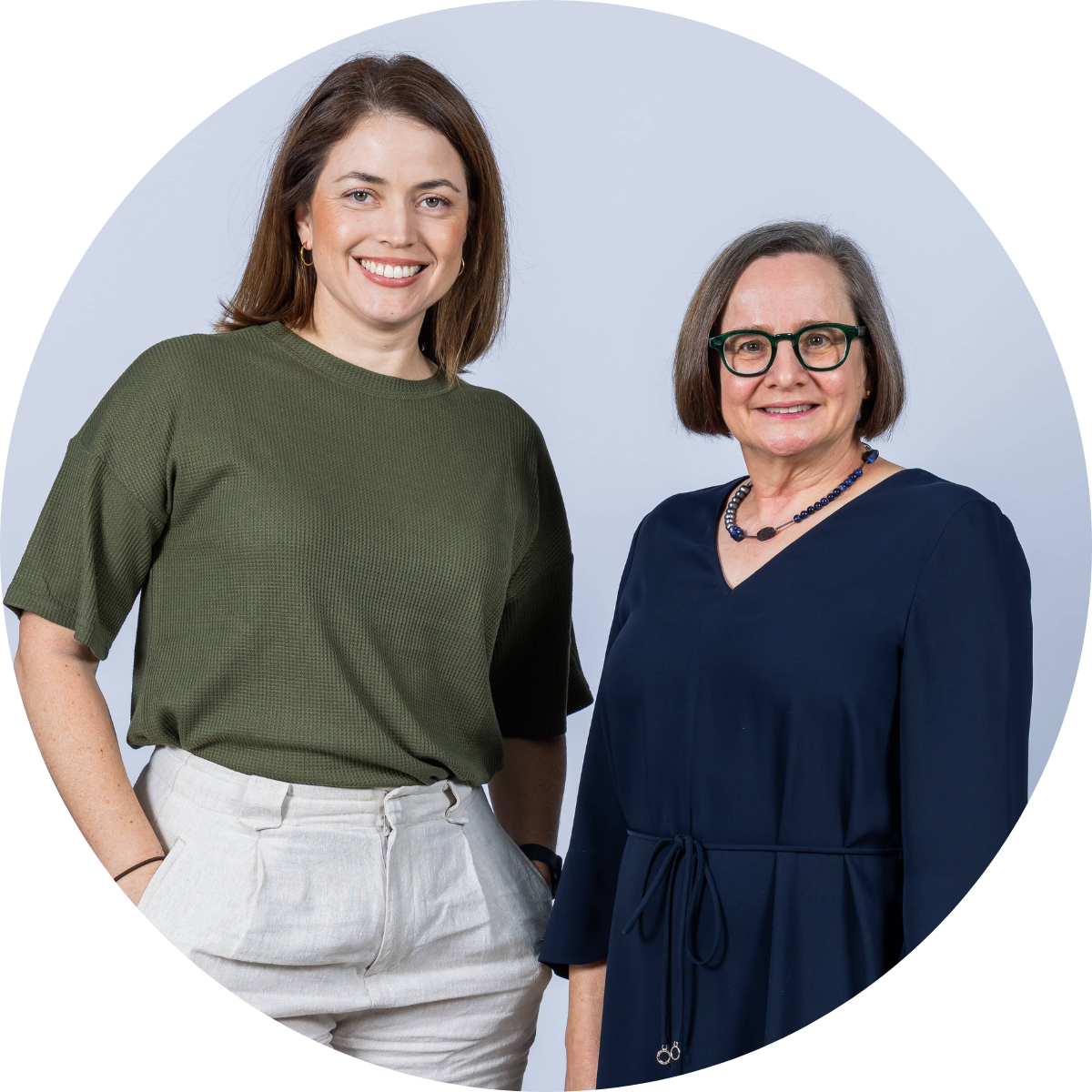
Meet our guests
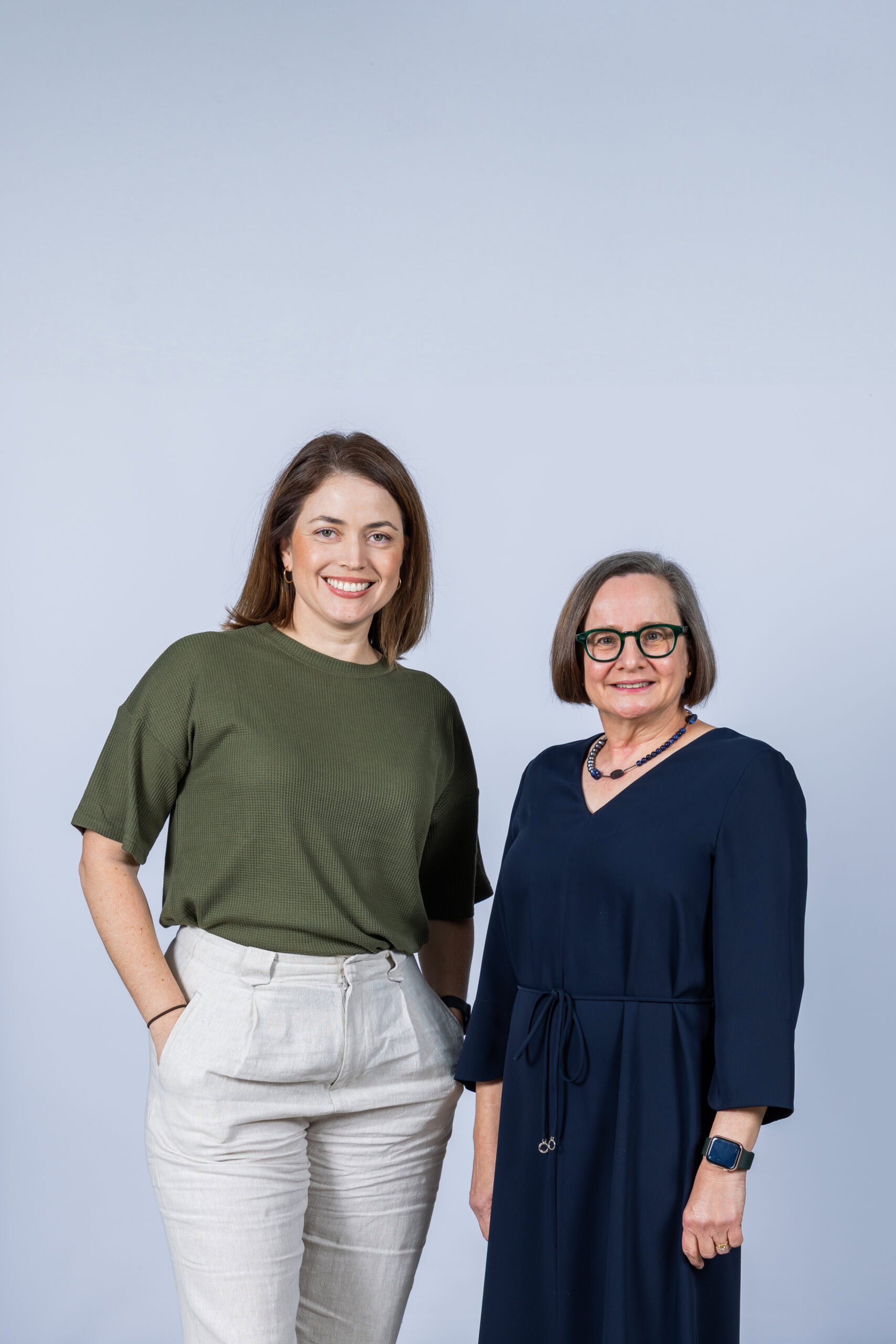
Sarah Myles and Dr Meg Cairns
Sarah Myles is an advanced pelvic health physiotherapist at Townsville Hospital, with a dedicated focus on women’s health across the lifespan. She has led the integration of a pelvic health screening clinic, improving access to early, conservative intervention and significantly reducing wait times for women needing urogynaecological support. Sarah’s work reflects a commitment to proactive, patient-centred care that enhances quality of life and long-term wellbeing. --- Dr Meg Cairns is a Brisbane-based GP with nearly three decades of experience and a deep commitment to women’s health, preventative care, and chronic disease management. She is passionate about empowering patients through education and practical, person-centred care. In addition to her clinical work, Dr Cairns serves as a clinical advisor to the Brisbane North Primary Health Network, Metro North Hospital and Health Service, and Queensland Health, helping shape health strategies that improve outcomes across the community.