Nutrition tips for vegetarian, vegan and plant-based diets
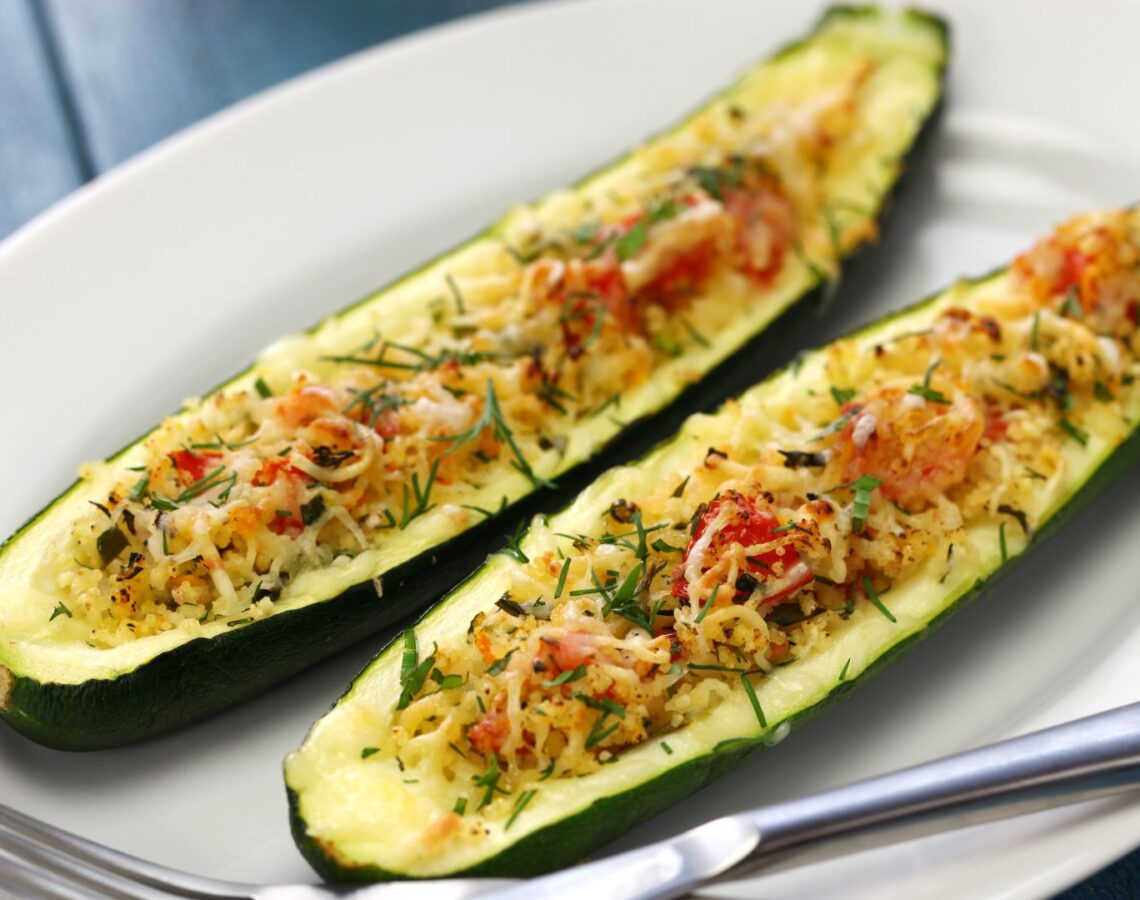
Thinking about eating vegetarian, vegan or plant-based for a day, a week, or full-time? A Vegetarian diet can increase your veggie intake and even help with the prevention of certain diseases.1 Learn more about how get the nutrients you need to enjoy a healthy, balanced vegetarian or vegan diet to support your energy and overall health.
Is a vegetarian diet healthy?
Whether navigating your teen’s decision not to eat meat, or considering going vegetarian yourself, many studies have shown a well-planned vegetarian diet could provide health benefits for the prevention and treatment of certain diseases.1
According to Dietitians Australia, a vegetarian or vegan diet may contribute to a reduced risk of certain health conditions1, such as:
- Many types of cancer
- Hypertension (high blood pressure) and stroke
- Type 2 diabetes
- Diverticular disease
- Overweight and obesity
- Gallstones
- Gout
- Constipation
Care needs to be taken when modifying food intake, particularly if opting for no dairy, meat or egg products. Eating a vegetarian or vegan diet needs more care when planning meals and snacks, so aim for a variety of whole foods and healthy fortified foods to support a balanced diet and meet nutritional needs.
Read on to learn more about the different types of vegetarianism and answers to common questions, like ‘can a vegetarian eat fish?’ and ‘how do vegetarians get protein and iron?’
What are the different types of vegetarian diets?
- Lacto-ovo vegetarians: eat no meat, poultry or fish, but do eat eggs and dairy products
- Lacto-vegetarians: eat no meat, poultry, fish or eggs, but do eat dairy products
- Ovo-vegetarians: eat no meat, poultry, fish or dairy products, but do eat eggs
- Vegans: exclude all animal foods, including eggs, dairy and honey
- Pesco-vegetarian or pescatarians: eat no meat or poultry, but do eat fish, seafood, eggs and dairy products
Meeting nutritional needs for people who are vegetarian or vegan
People who eat a vegetarian or vegan diet can ensure they are getting all essential nutrients by including plenty of vegetables, fruit, wholegrains and good quality meat and dairy alternatives.
Key vitamins and minerals to consider:
Iron
Iron is an important mineral for moving oxygen throughout our body.2 Iron in animal foods is absorbed by the body more easily than iron from plant foods.3 Absorption of iron from plant sources improves when combined with vitamin C rich foods and drinks, like tomatoes, citrus fruits, berries and capsicum. Be mindful that some foods and drinks could limit iron absorption (for example, unprocessed bran, tea and coffee), so should be consumed apart.3
Good vegetarian or vegan sources of iron:
- Legumes and pulses
- Firm tofu and tempeh
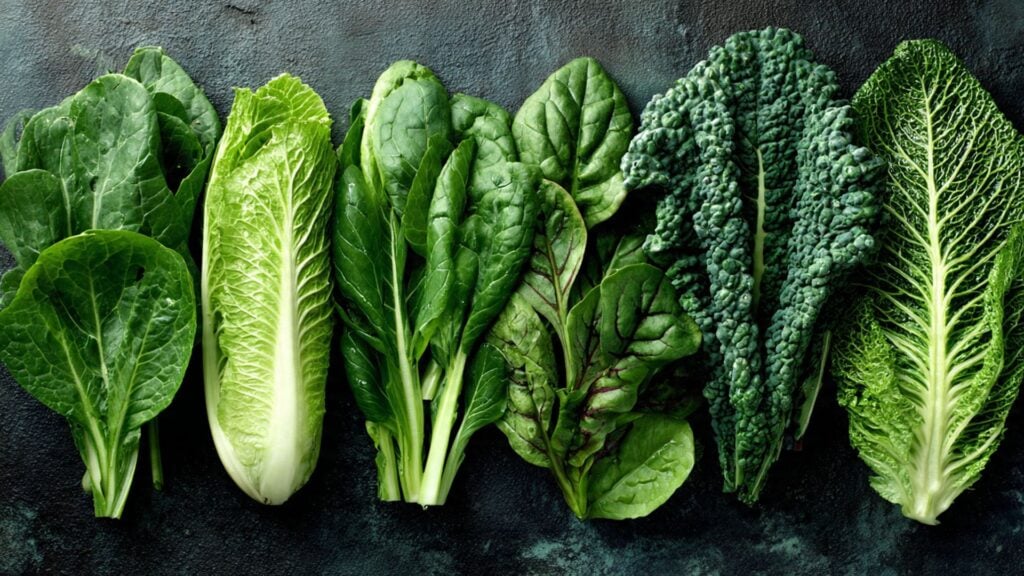
- Green leafy veggies
- Wholegrain breads, cereals (such as oats or those with added iron), and brown rice
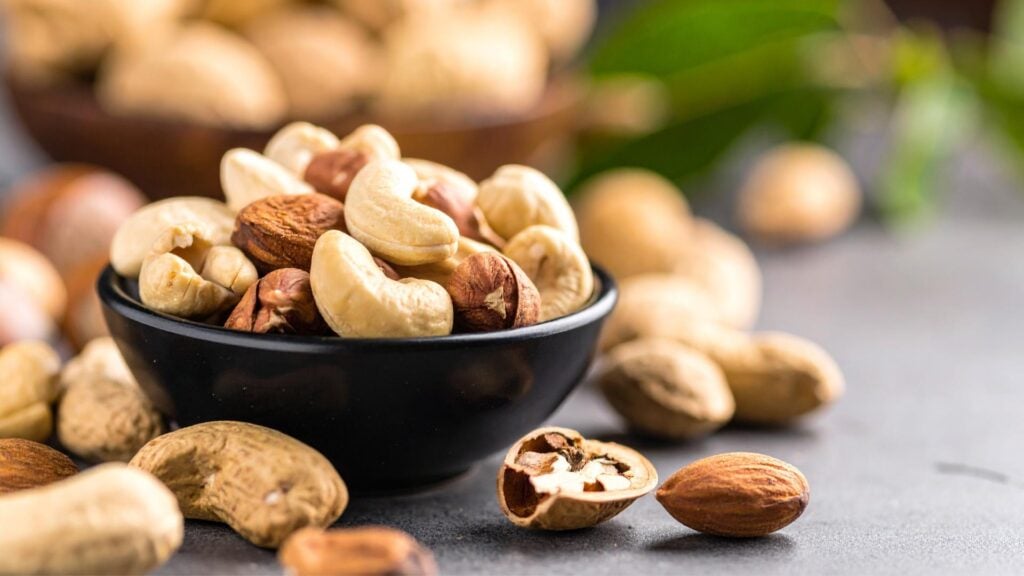
- Nuts and seeds
- Eggs
Calcium
Calcium is an essential mineral for maintaining heart function and building strong teeth and bones.4
Good vegetarian or vegan sources of calcium:
- Dairy products including milk, yoghurt, cheese and custard
- Soy or other plant-based milk products fortified with calcium at 100mg per 100mL
- Plant-based milks fortified with calcium at 100mg per 100mL
- Certain nuts and seeds (including chia seeds, almonds and unhulled tahini
- Legumes
- Green leafy veggies
- Tofu
Zinc
Zinc is required for healthy growth and development, it is also important for immunity and healthy skin.5 Zinc absorption is higher from animal foods than from plant sources, 5 vegans should speak with an Accredited Practising Dietitian about possible supplementation.
Vegetarian or vegan sources of zinc:
- Dairy products including milk, yoghurt, cheese and custard
- Legumes including chickpeas and lentils
- Nuts and seeds
- Wholegrains (bread and cereals)
- Tofu
- Eggs
Vitamin B12
Essential for the development of red blood cells and the nervous system, B12 is found only in animal products and fortified food products.6
B12 Fortified products may include:
- Dairy products including milk, yoghurt, cheese and custard
- Eggs
- Some soy and alternative milks
- Vegetarian meat alternatives
- Nutritional yeast flakes
Protein
High quality proteins are found in animal products (meat, eggs and dairy), soy products and some seeds.7 Plant foods do not contain all the elements of a complete protein (known as the essential amino acids), so this can be achieved by consuming a good variety of plant sources of protein throughout the day.
Vegetarian and vegan sources of protein:
- Legumes, including chickpeas, lentils and beans
- Soy products including tofu and soy yoghurt
- Nuts and seeds
- Wholegrains, including brown rice, oats, barley, quinoa and buckwheat

Vegetarian eating for children and teens
Preteens and teens often express their independence through the foods they choose to eat, which may include no longer eating meat or dairy for compassionate reasons or taste preferences. With support, education and planning, a meat-free diet could be good for adolescents, with a recent study finding vegans often eat more of the foods that most teens don’t get enough of – veggies and fruit!9
It is important to speak with your family doctor, paediatrician or an Accredited Practising Dietitian to consider the requirements for providing a vegetarian diet to children, to ensure they receive all the essential vitamins and minerals for their growing bodies.
A well‑designed vegan or vegetarian diet can meet nutritional needs throughout all phases of life. You might even find you can add more vegetables, wholegrains and fruits into your meals and reduce the risk of certain health conditions, such as heart disease and type 2 diabetes. 1
Try these delicious vegetarian recipes!
- Tofu lettuce wraps with satay sauce
- Coconut Lentil Soup
- Vegetable Shepherd’s Pie
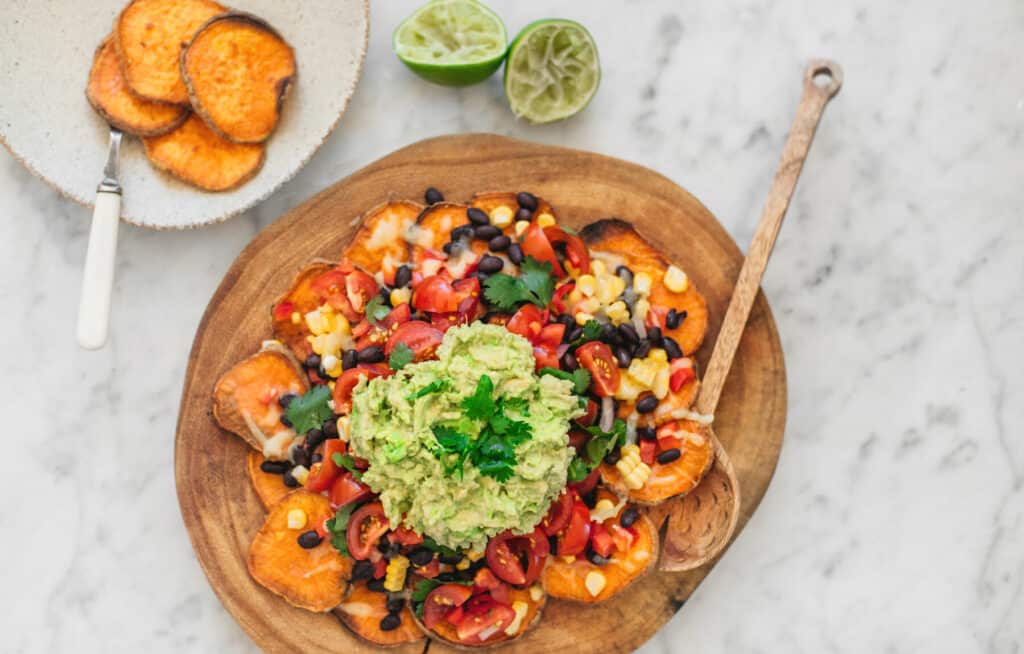
- Sweet Potato Nachos
- Veggie Burger
- Cauliflower and Chickpea Balls with Beetroot Hommus
Sources
- Dietitians Australia (2023). Diet and nutrition health advice: What is a vegetarian diet https://dietitiansaustralia.org.au/health-advice/vegetarian-diet
- National Health and Medical Research Council (NHMRC) (n/d), ‘Iron’ Nutrient Reference Values for Australia and New Zealand, Eat for Health website. https://www.eatforhealth.gov.au/nutrient-reference-values/nutrients/iron
- Australian Bureau of Statistics. Iron. Canberra: ABS; 2020-24 [cited 2025 August 26]. https://www.abs.gov.au/statistics/detailed-methodology-information/concepts-sources-methods/intergenerational-health-and-mental-health-study-concepts-sources-and-methods/2020-24/biomedical-collections/iron.
- Healthy Bones Australia (2025) Your Bone Health: Calcium. https://healthybonesaustralia.org.au/your-bone-health/calcium/
- National Health and Medical Research Council (NHMRC) (n/d), ‘Zinc’ Nutrient Reference Values for Australia and New Zealand, Eat for Health website. https://www.eatforhealth.gov.au/nutrient-reference-values/nutrients/zinc
- Dietitians Australia. Diet and Nutrition Health Advise. B12. (n.d) https://dietitiansaustralia.org.au/health-advice/vitamin-b12#:~:text=of%20vitamin%20B-,12,be%20in%20an%20inactive%20form.
- National Health and Medical Research Council (NHMRC) (n/d), ‘Protein’ Nutrient Reference Values for Australia and New Zealand, Eat for Health website. https://www.eatforhealth.gov.au/nutrient-reference-values/nutrients/protein
- Heart Foundation (2025) Healy Living, Healthly Eating: Omega Fats and Heart Health. https://www.heartfoundation.org.au/healthy-living/healthy-eating/omega-3-omega-6-heart-health
- Wirnitzer, K. C., Tanous, D. R., Drenowatz, C., Wirnitzer, G., Schätzer, M., Ruedl, G., & Kirschner, W. (2025). Difference in motives and basic health behavior of 8799 children and adolescents aged 10–19 years following a vegan, vegetarian, or omnivorous diet. Current Developments in Nutrition, 9(7), 107498. https://doi.org/10.1016/j.cdnut.2025.107498
Acknowledgment
Content developed by Health and Wellbeing Queensland’s team of expert nutritionists, Accredited Practising Dietitians, and exercise physiologists.