8 ways Queenslanders are moving more and living healthier
Every day, Queenslanders are finding ways to get physically active for their health and wellbeing. Australian adults should be aiming for at least 2.5-5 hours of moderate intensity physical activity each week. That’s just 30 minutes on most days of the week. “Moderate-intensity” means that your heart rate and breathing should increase, but you should still be able to talk and carry a conversation. Of course, 30 minutes can feel like a lot if you’re just starting out, so start by doing a small amount of physical activity and gradually build up the duration or the intensity.
To form healthy habits that stick, it’s all about finding ways to move your body that you enjoy. We travelled around the state to learn how Queenslanders are incorporating movement into their daily lives. Here are 8 physical activity ideas that inspired us and might motivate you too!
1. Aqua aerobics
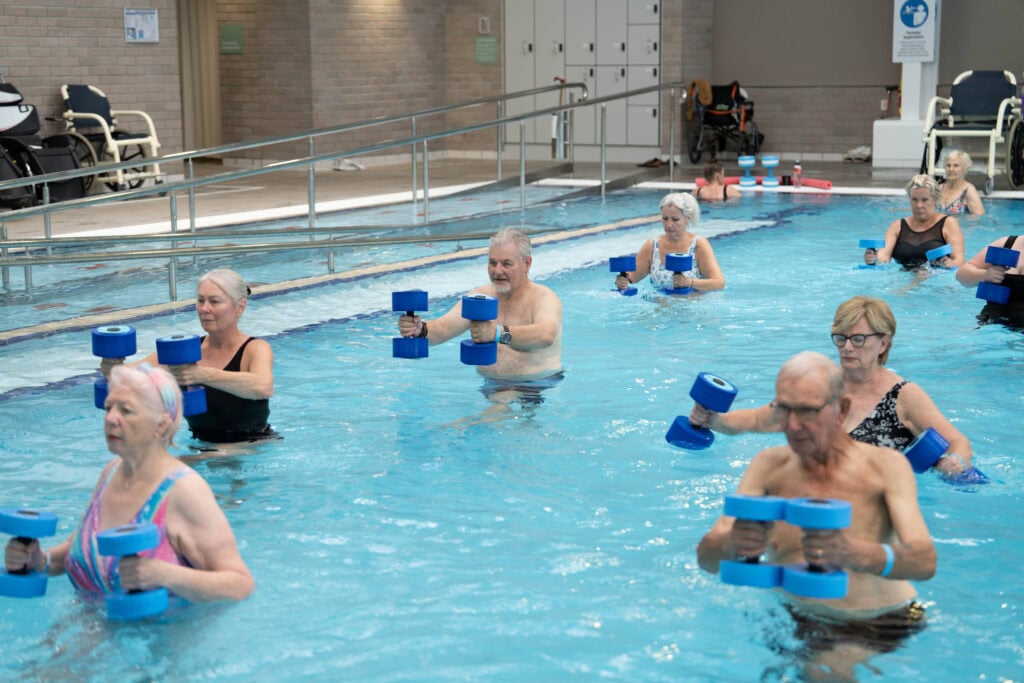
Aqua aerobics is a wonderful way to get your heart pumping while being low impact for those that need it. Using the buoyancy of water, aqua aerobics reduces the weight bearing forces on your joints, making it an ideal form of physical activity for those recovering from injury or managing conditions like arthritis, fibromyalgia or chronic pain. Aqua aerobics is designed for all ages, and is a great way to improve coordination, improve muscle strength, and cardio-respiratory endurance, all within a fun social environment. Check out your local council pool or fitness centres near you to see if aqua aerobic classes are offered.
2. Circus skills / Aerial arts
It’s time to flip your perspective (literally!) on what counts as physical activity. Circus performance and aerial arts classes are growing in popularity, helping people learn new skills, test their limits, grow confidence and express themselves creatively. These classes offer significant physical benefits too, providing a full body activity that builds strength, flexibility, core stability, balance and coordination. They can also be adapted for people of all ages and abilities, including people living with a disability. Search online to see if there are any circus classes or aerial art schools near you. Local yoga studios may also offer aerial yoga as part of their schedule.
3. Mountain biking
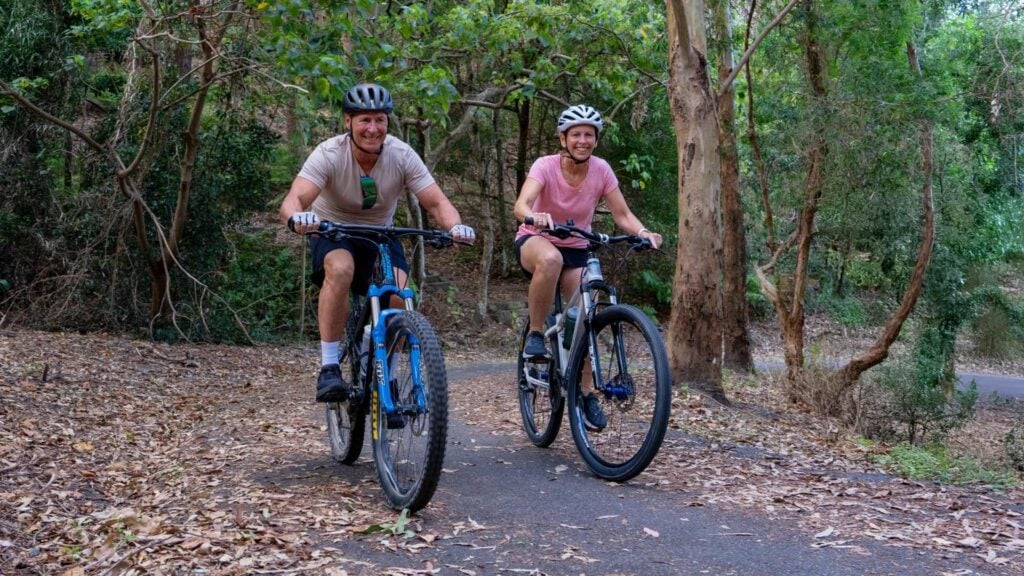
Mountain biking is a great way to boost your heart health, strengthen muscles, reduce stress and enjoy time out in nature. Queensland’s diverse landscape means that you can ride through World Heritage-listed rainforests, follow valleys and ridges through parks and forests, or pedal alongside clear creeks and sandy beaches. Whether you’re a beginner or a more serious rider, there’s a trail for you. Search online for where to ride in Queensland, from everyday rides to trail bike tracks.
4. Surfing or body boarding
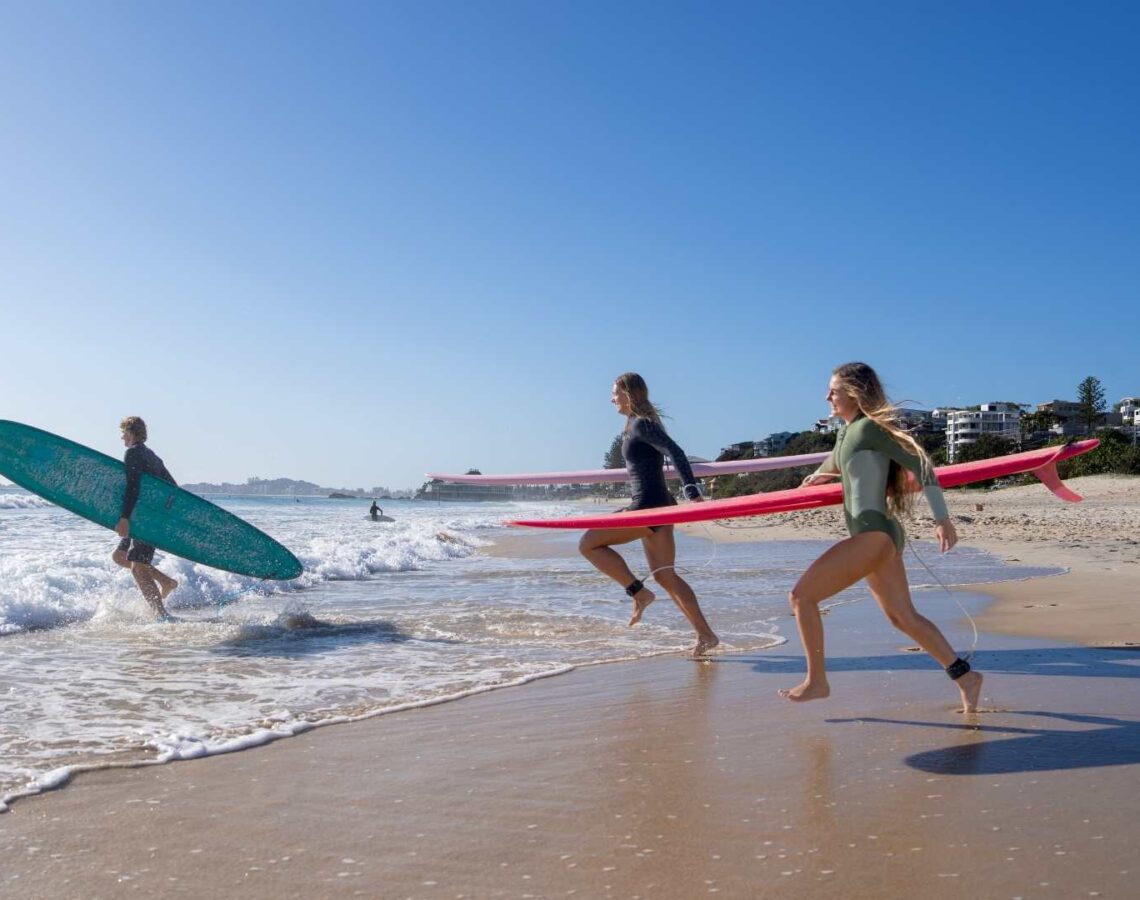
If you are lucky enough to live near the beach and it’s safe to swim, then surfing or body boarding offers an epic way to get physically active. Aside from the physical benefits, like improving cardiovascular health, balance and coordination, and strengthening muscles, there are many mental and emotional benefits to being in the ocean. If you’ve never surfed or body boarded before, then why not learn something new? Join a class and learn the basics, then it’s all about practice and growing your confidence.
5. Yoga
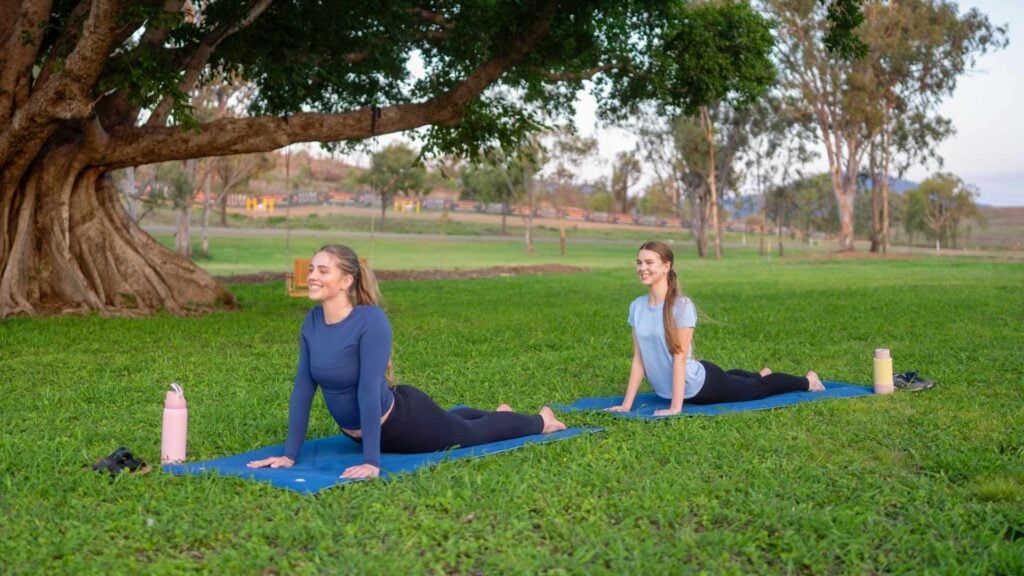
If you think that yoga is all about stretching and deep breathing, then think again! Yes, that’s certainly part of it, but there are many different styles of yoga, ranging from those that promote rest and relaxation, to those that build stamina and flexibility.
If you’ve never tried yoga before, start with a beginner-friendly class to learn the basics, and then build up to more intense styles, like vinyasa yoga. There are plenty of free yoga videos available on YouTube of varying durations and levels of difficulty. If you prefer something in-person, then your local council may offer free or low-cost community yoga classes to try. Alternatively, your local gym may offer yoga classes, or you may live close by to a yoga studio. If you live in a regional or remote area, check out The Yoga Partnership for free online yoga classes via Zoom to help you build your practice from anywhere.
6. Walking with friends
Walking is a terrific way to get active and stay healthy. 10,000 Steps is a free app that tracks your steps and can help you stay motivated to walk each day. While every step counts, walking can be a lot more fun when you make it a social affair. Plan a family walk or walk with a friend. Lock in a regular catch up each week or reach out to someone you haven’t seen in a while and go for a walk. You can walk around your neighbourhood or meet up and explore somewhere new together.
Walking groups
If you’re looking to meet new people, contact your local council for a list of walking groups in your area. If you’re concerned about uneven surfaces or the weather impeding your ability to walk, then consider joining an indoor walking group. Did you know that there are over 40 shopping centre walking groups in Queensland? Visit the Heart Foundation’s website to find a walking group near you.

7. Park equipment & body weight movements
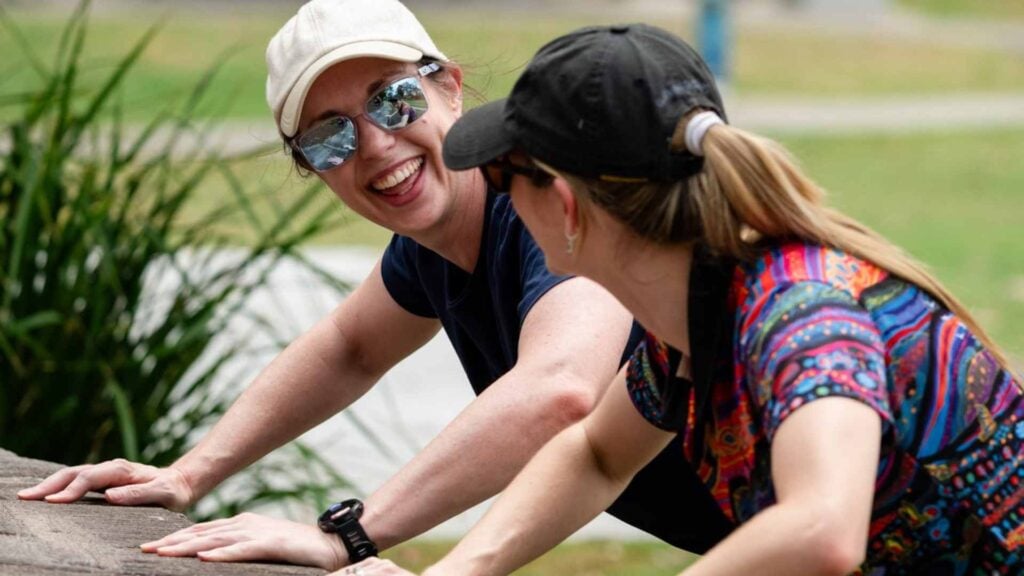
Moving your body doesn’t have to mean expensive gym memberships or fancy equipment. In fact, there’s a lot you can do using your own body weight, park benches, stairs, or free outdoor workout facilities.
Check out our free workouts, which can be done at home and most of which require no equipment. If you’re out walking or running, try to find routes that are hilly or have staircases to climb, that will boost your heart rate. Look for opportunities to add some muscle strengthening movements into your walk or run, as recommended to be performed on at least two days each week. For example, use a park bench or small retaining wall to do step ups, leg squats, modified push ups, or triceps dips. Our bodies love variety, so switch it up and keep challenging yourself in new ways.
8. Tap into free offerings in your local community
Get to know what’s on offer in your local community. Start by contacting your local council to see if they are delivering classes in your area. Local community centres and PCYCs may also offer free or low-cost options to get active. Finding ways to move regularly starts by trying things out and finding what you enjoy.
For more ideas of how to move more, check out:
If you have been inactive for a while, have heart disease, a close relative with heart disease, any other major health problems, injuries or are pregnant, please check with your GP, an Accredited Exercise Physiologist or another suitable health professional before engaging in physical activity.
Acknowledgment
Content developed by Health and Wellbeing Queensland’s team of expert nutritionists, dietitians, and exercise physiologists.