

FOR HEALTH PROFESSIONALS

Caffeine

Information about caffeine

Introduction

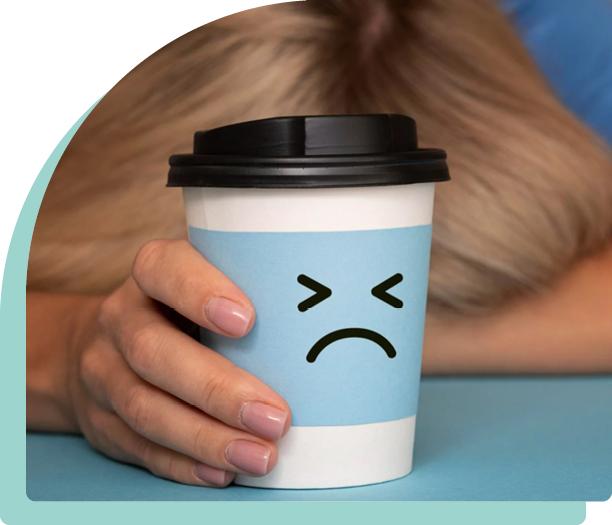
While the effects of caffeine on preconception health are not fully understood, it is recommended that intake be limited to less than 200 mg per day. High levels of caffeine consumption may affect fertility and, during pregnancy, increase the risk of miscarriage.

Caffeine is a stimulant found in coffee, tea, matcha, energy drinks, some soft drinks, chocolate, certain painkillers, weight-loss supplements, and pre- or post-workout drinks or powders.

For reference, 200 mg of caffeine is approximately equivalent to 1–2 standard cups of coffee or 4–8 cups of tea. It is important to check labels on energy drinks, soft drinks, and matcha products, as caffeine content can vary. Energy drinks may also contain additional stimulants that can amplify the effects of caffeine.

Checking in with your consumers about their caffeine consumption can create a positive change they can make to support their fertility. If they have concerns around their caffeine consumption, encourage them to discuss these concerns with a GP or dietitian.

If your consumer relies on large volumes of caffeine each day, encourage swaps to reduce their daily intake. This can be choosing smaller sized caffeinated drinks, switching to decaffeinated options or tea.

Resources

Women’s Checklist

Essential preconception health steps for women planning pregnancy

Men’s Checklist

Essential preconception health steps for men supporting conception