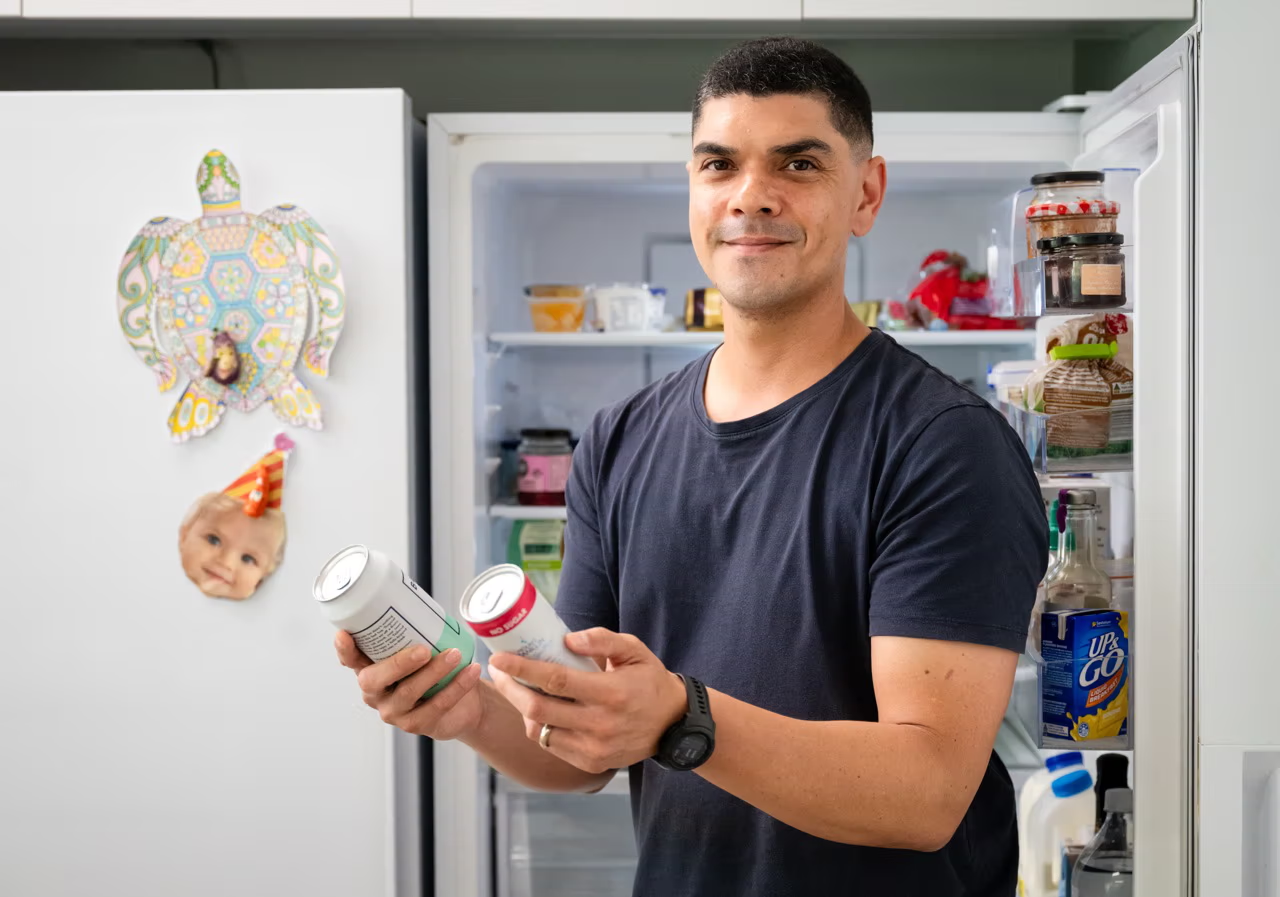
Supporting healthy behaviours such as balanced nutrition, regular physical activity and stopping smoking, vaping, alcohol or other drugs can improve fertility and influence the long-term health of the next generation. Managing pre-existing medical conditions, ensuring immunisations are up to date, and considering family genetic history are also key components of preconception care.
Ideally, these changes should begin at least 3 months before trying to conceive. As partners play a strong role in shaping each other’s health behaviours, preconception health conversations should include everyone planning to be a parent, whether in heterosexual and same-sex relationships, to improve health outcomes for all parents and their children.
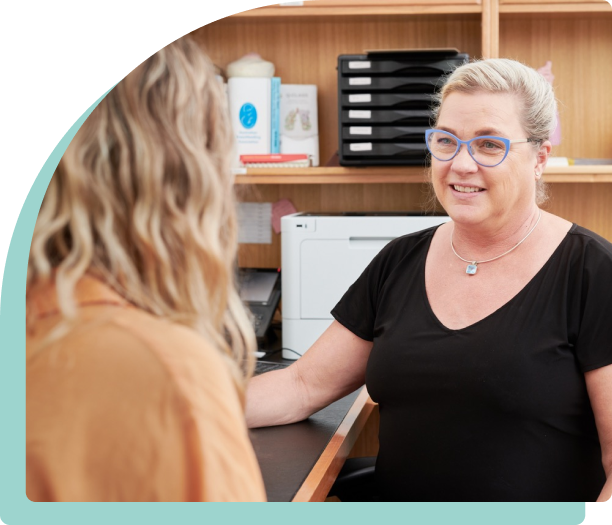
Health professionals play a key role in starting these conversations and supporting couples to plan for a healthy pregnancy.