PRECONCEPTION HEALTH
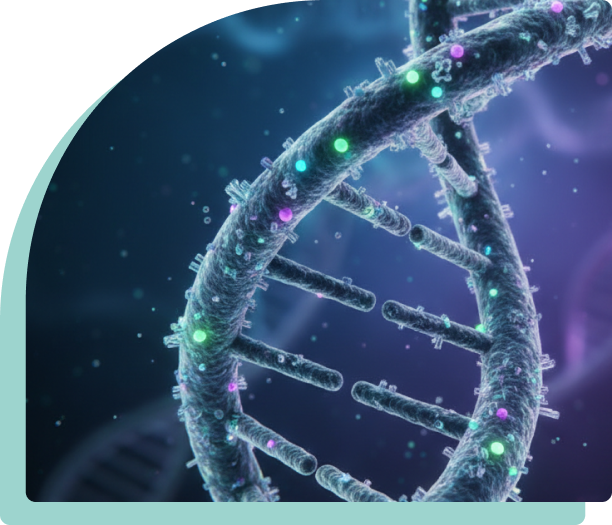
Genetic Screening



Before the baby bump describes the time before you are pregnant, when you might be thinking about having a baby or starting to try for one. It is called preconception.
Hereditary conditions are often rare, but many people are carriers of genetic conditions without knowing it. Genetic screening can be done by anyone planning a pregnancy, regardless of family history. If you or your family have a known genetic condition, you may be referred to a specialist genetics service for further discussion and possible testing.
Screening is done through a blood or saliva test arranged by your GP and sent to a laboratory. Medicare rebates are available for everyone, regardless of personal or family history.
Genetic screening can be completed anytime before pregnancy. If you think you may be at higher risk, such as having a personal or family history of a genetic condition, talking to your GP before the baby bump ensures you have time to make informed decisions that reflect your values and preferences.
Genetic screening can be Medicare-funded through your GP as part of preconception care.
If needed, your GP can refer you to Genetics Health Queensland, a publicly funded service that provides further testing and support. Private screening options are also available for those who are not eligible for a public referral.
Genetic screening is a safe and accessible way to check whether you or your partner have an increased chance of having a baby affected by a genetic or chromosomal condition. If the screening shows a higher chance, you can be offered genetic counselling and follow-up testing to support informed decisions.
There are many genetic and chromosomal conditions that can be screened before pregnancy. The most common include:
Visiting a GP is important for both women and men before pregnancy, especially if you or your partner have a personal or family history of an inherited condition. Starting this process early gives you time to understand your options and make informed choices well before you are pregnant.
Many parents wait until they are pregnant to visit the GP, but visiting beforehand helps you optimise health – improving egg and sperm quality, creating a healthier pregnancy environment, and giving your baby the best start. Head to your GP before the baby bump, so you can be the healthiest you when the baby is ready to start growing
Taking steps towards health early can lead to a healthier pregnancy. Your GP can support you in this journey and consider the whole picture that is you.
Seeing your GP before the baby bump ensures your body is ready once you’re expecting, giving you more time to enjoy your pregnancy.

Download:
Checklist for women

Download:
Checklist for men

Download:
Fact sheet
Katz, D. J., Shoshany, O., & Teloken, P. (2017). Male Infertility – The other side of the equation. Australian Family Physician. 46(9). https://www.racgp.org.au/afp/2017/september/male-infertility
Dorney, E., & Black, K. (2024). Preconception Care. Australian Journal of General Practice. 53(11). https://doi.org/10.31128/AJGP-08-23-6927
RANZCOG. (2020). Pre-pregnancy counselling. The Royal Australian and New Zealand College of Obstetricians and Gynaecologists. https://ranzcog.edu.au/wp-content/uploads/Pre-Pregnancy-Counselling.pdf

Health and Wellbeing Queensland acknowledges the Traditional Owners and custodians of the lands from across Queensland. We pay our respects to the Elders past and present for they are holders of the memories, traditions, the culture and aspirations of Aboriginal and Torres Strait Islander peoples across Queensland.


© Health and Wellbeing Queensland 2026
© Health and Wellbeing Queensland 2020
Health and Wellbeing Queensland acknowledges the Traditional Owners and custodians of the lands from across Queensland. We pay our respects to the Elders past and present for they are holders of the memories, traditions, the culture and aspirations of Aboriginal and Torres Strait Islander peoples across Queensland.