PRECONCEPTION HEALTH
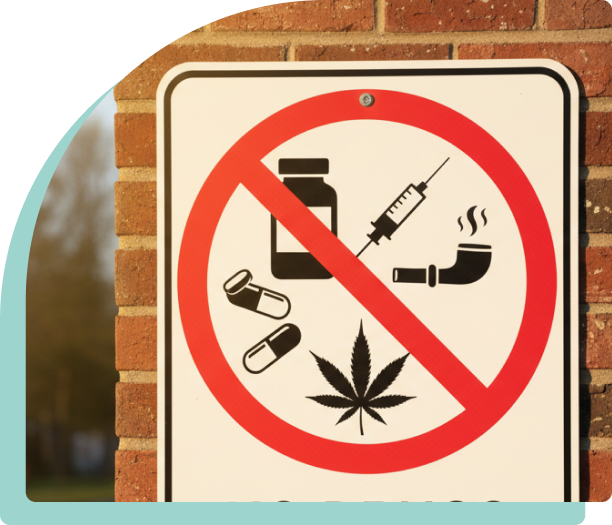
Recreational Drugs



Stopping some prescription medications can pose a risk to the parent and future baby. Talking to your GP or trusted health professional can ensure any necessary medications are safe to use before and during pregnancy.
Medication prescribed by a GP or doctor are generally safe to use before pregnancy. However, because it’s hard to know the exact moment pregnancy occurs, it’s important to review all medications with a health professional when you start trying for a baby to ensure they remain safe during pregnancy.
Social and recreational drugs can affect fertility in men and women.
In women, heavy cannabis use can alter hormone levels, affect ovulation, and reduce the chance of pregnancy.
In men, anabolic steroids, cannabis, cocaine, and heroin can lower testosterone levels, reduce sperm count, decrease semen volume, and reduce sperm motility, all of which make fertilisation less likely.
Drug use during pregnancy can also seriously harm the developing baby, increasing the risk of poor brain development, low birth weight, miscarriage, or stillbirth.
Using social or recreational drugs can affect your health, fertility, and overall wellbeing. Choosing to reduce or stop using as a couple can improve your chances of long-term success.
If you are worried about withdrawal or managing drug use, speak with your GP about the support and resources available to help you safely make these changes.

Download:
Checklist for women

Download:
Checklist for men

Download:
Fact sheet
Fronczak, C. M., E. D. Kim and A. B. Barqawi (2012). “The Insults of Illicit Drug Use on Male Fertility.” Journal of Andrology 33(4): 515-528.
Harlow, AF, Wesselink, AK, Hatch, EE, Rothman, KJ, Wise, LA (2020) Male Preconception Marijuana Use and Spontaneous Abortion: A Prospective Cohort Study. Epidemiology.
Sansone, A., C. Di Dato, C. de Angelis, D. Menafra, C. Pozza, R. Pivonello, A. Isidori and D. Gianfrilli (2018). “Smoke, alcohol and drug addiction and male fertility.” Reproductive biology and endocrinology: RB&E 16(1): 3-3.
Tommy’s, Drugs, alcohol and trying to conceive, https://www.tommys.org/pregnancy-information/planning-pregnancy/are-you-ready-conceive/drugs-alcohol-and-trying-conceive

Health and Wellbeing Queensland acknowledges the Traditional Owners and custodians of the lands from across Queensland. We pay our respects to the Elders past and present for they are holders of the memories, traditions, the culture and aspirations of Aboriginal and Torres Strait Islander peoples across Queensland.


© Health and Wellbeing Queensland 2026
© Health and Wellbeing Queensland 2020
Health and Wellbeing Queensland acknowledges the Traditional Owners and custodians of the lands from across Queensland. We pay our respects to the Elders past and present for they are holders of the memories, traditions, the culture and aspirations of Aboriginal and Torres Strait Islander peoples across Queensland.