
New movement guidelines shift focus on 24-hour cycle for health
The Australian Government’s new 24-hour Movement Guidelines for Adults and Older Adults reshapes how we think about healthy living by recognising that wellbeing depends on how we move, sit and sleep across the entire day.
For the first time, physical activity, sedentary behaviour and sleep are combined into one practical framework, helping Australians understand how everyday habits work together to support better physical and mental health. The guidelines encourage people to move more, break up long periods of sitting and prioritise quality sleep, with adults recommended to get 7–9 hours per night and older adults 7–8 hours.
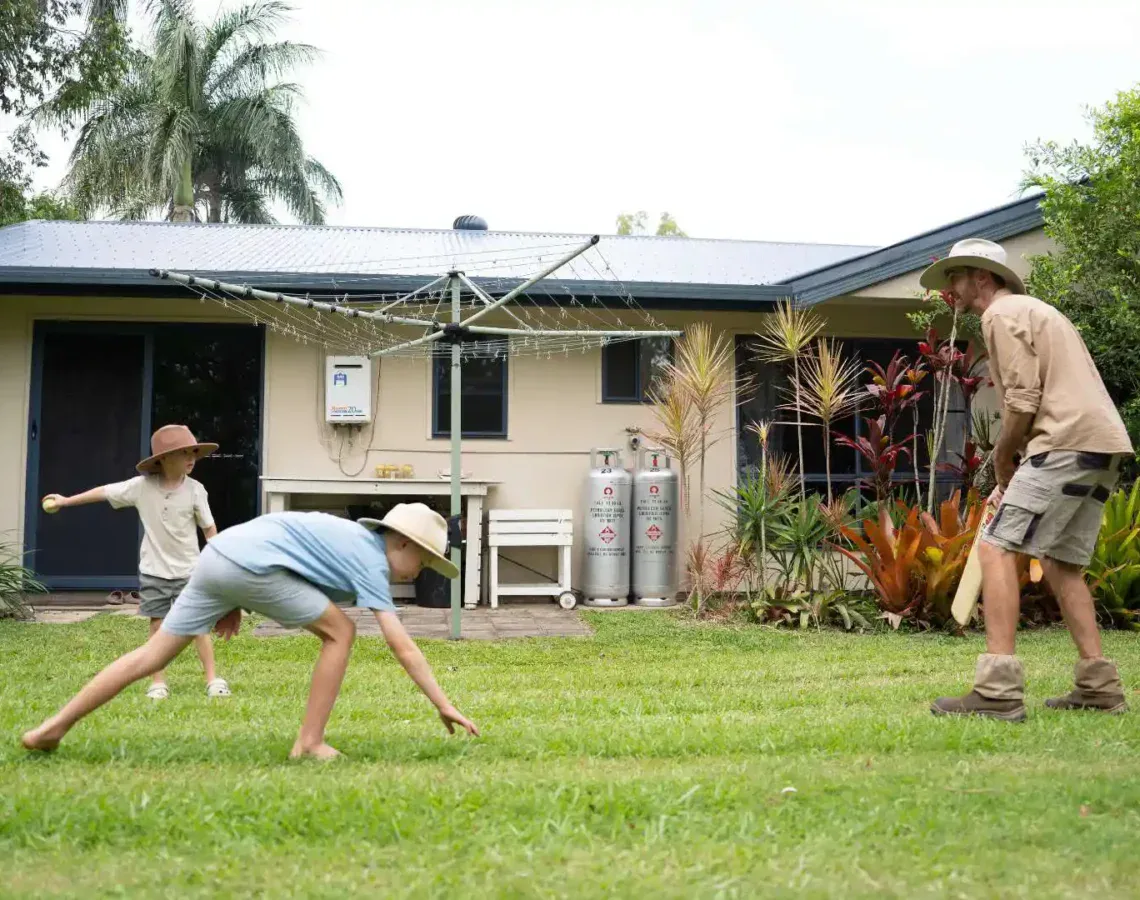
Importantly, the guidelines emphasise that every move counts, with incidental everyday activities, such as walking, gardening and household tasks, all contributing to better health, alongside muscle-strengthening activities on at least 2 days, and functional activities on at least 3 days each week.
New data from a recent survey of 400 Queenslanders shows that many already embrace a holistic approach to physical activity associating it with everyday movements like gardening, walking the dog, and housework.
Commissioned by Health and Wellbeing Queensland, the survey explored movement behaviours and revealed that for most people, physical activity is closely tied to daily tasks.
Walking was the most associated activity, cited by 84% of respondents, followed by housework (75%), walking the dog (69%), and gardening (57%). These findings highlight how everyday actions play a vital role in keeping Queenslanders active and healthy.
Health and Wellbeing Queensland Chief Executive, Dr Robyn Littlewood said the updated guidelines strengthened the foundation for prevention.
‘By encouraging small, sustainable changes, like reducing sitting time, increasing daily movement and improving sleep, the guidelines make movement more accessible and achievable for all Queenslanders,’ Dr Littlewood said.
The guidelines also include tailored advice for people living with disability or chronic conditions, supporting a more inclusive approach to movement for health benefit.
Health and Wellbeing Queensland Director of Healthy Legacy, Dr Simone Nalatu said the integrated model reflected a shift toward person-centred prevention.
‘By addressing the full spectrum of physical activity and sleep, the guidelines offer practical ways for all Australians to improve their health, regardless of their starting point,’ Dr Nalatu said.
Health and Wellbeing Queensland plays a key role in helping Queenslanders turn these recommendations into achievable daily actions through preventive health programs, partnerships and accessible resources.