Preconception Health Starts Here

Helping parents prepare for a healthy pregnancy.

Preconception health – the health of a person before pregnancy – offers a valuable opportunity to improve outcomes for parents and their future child/children. It is a time when many people are motivated to make positive changes that can have lasting health benefits.

Overview

Healthy beginnings start before pregnancy

Supporting healthy behaviours such as balanced nutrition, regular physical activity and stopping smoking, vaping, alcohol or other drugs can improve fertility and influence the long-term health of the next generation. Managing pre-existing medical conditions, ensuring immunisations are up to date, and considering family genetic history are also key components of preconception care.

Ideally, these changes should begin at least 3 months before trying to conceive. As partners play a strong role in shaping each other’s health behaviours, preconception health conversations should include everyone planning to be a parent, whether in heterosexual and same-sex relationships, to improve health outcomes for all parents and their children.

Health professionals play a key role in starting these conversations and supporting couples to plan for a healthy pregnancy.

Preconception health

  • Why is preconception health important
     

    Many women are motivated to improve their health once they become pregnant. However, there is increasing recognition that pregnancy may be too late to influence many of the critical epigenetic processes that occur before conception, or in the very early stages of pregnancy. This makes the preconception phase a key window for optimising health and wellbeing.

    While many people understand the importance of making healthy changes once pregnant, awareness of the benefits of preconception health is limited. As a result, couples or individuals may not seek support before trying for a baby, reducing opportunities for health education, especially for those experiencing unplanned pregnancies.

    Raising awareness of preconception health, particularly modifiable behaviours, is a small but important step towards improving the health of future generations.

  • Who can support preconception health?
     

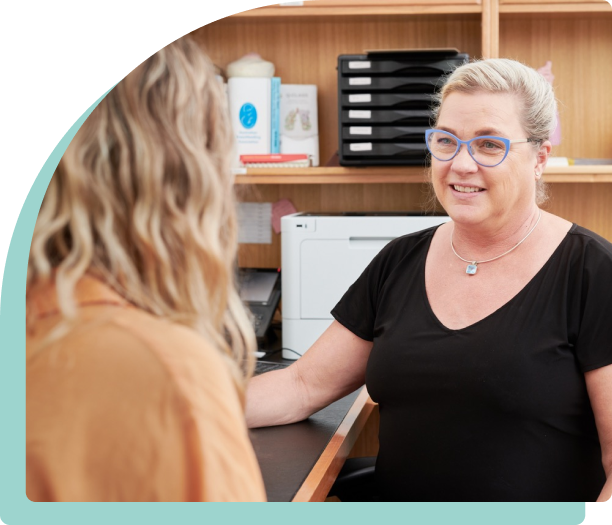
    Anyone working with women of child-bearing age and/or their respective partner can play a role in raising awareness of preconception health, supporting positive health behaviour changes, and encouraging engagement with a General Practitioner (GP) for a pre-pregnancy health check.

    Providing credible, evidenced-based preconception advice can be done by health professionals across health, education, and community settings. Research shows that women who receive preconception advice from a trusted health professional are twice as likely to take supplements and improve their diet prior to pregnancy.

    Delivering this advice in a non-stigmatising way helps people feel supported and encouraged to make changes. Recognising and celebrating the healthy behaviours they are already practicing can open the conversation about other changes that could be made. Supporting individuals and couples to make small, sustainable changes using SMART goals can empower them to enhance their health before pregnancy.

  • What is Before the Baby Bump?
     

    Before the Baby Bump describes the time before pregnancy, when a person might be thinking about having a baby, or starting to try for one. It is called preconception.

    Health and Wellbeing Queensland’s ‘Before the Baby Bump’ campaign will aim to improve awareness of preconception health for consumers. The campaign is a pilot running from November 2025 through to April 2026 in the regions of Mackay and Ipswich.

    The campaign will raise awareness of the importance of preconception health and provide consumers with ways to make improvements to their health by improving nutrition and physical activity, and reducing harmful behaviours such as alcohol and smoking.

    The campaign will engage consumers via social media to visit the Before the Baby Bump website for information on preconception care.

Education & training for health professionals

Evidence-based education on preconception health can improve knowledge and reduce modifiable risk factors among men and women. This information can be effectively delivered in a variety of health and community settings. However, encouraging individuals to engage with a qualified health professional for a comprehensive assessment, personalised advice, and ongoing care is an important part of best practice.

below are opportunities to learn more about preconception health and ways to approach conversations with your patients about planning a pregnancy.

Access Community HealthPathways for Preconception Health information for Mackay and West Moreton. The RACGP guidelines for preventive activities in general practice, and the RANZOG pre-pregnancy counselling clinical guides, provide further information for GPs providing preconception care.

Preconception health is important for men and women

Women’s health before conception matters

A woman’s health prior to conception is well known to impact her life-long health, and that of her baby. A preconception checklist can help guide conversations about important preconception health considerations. Information to support women to take simple steps to support their health is also available.

Preconception Checklist for Women

Men’s health matters too

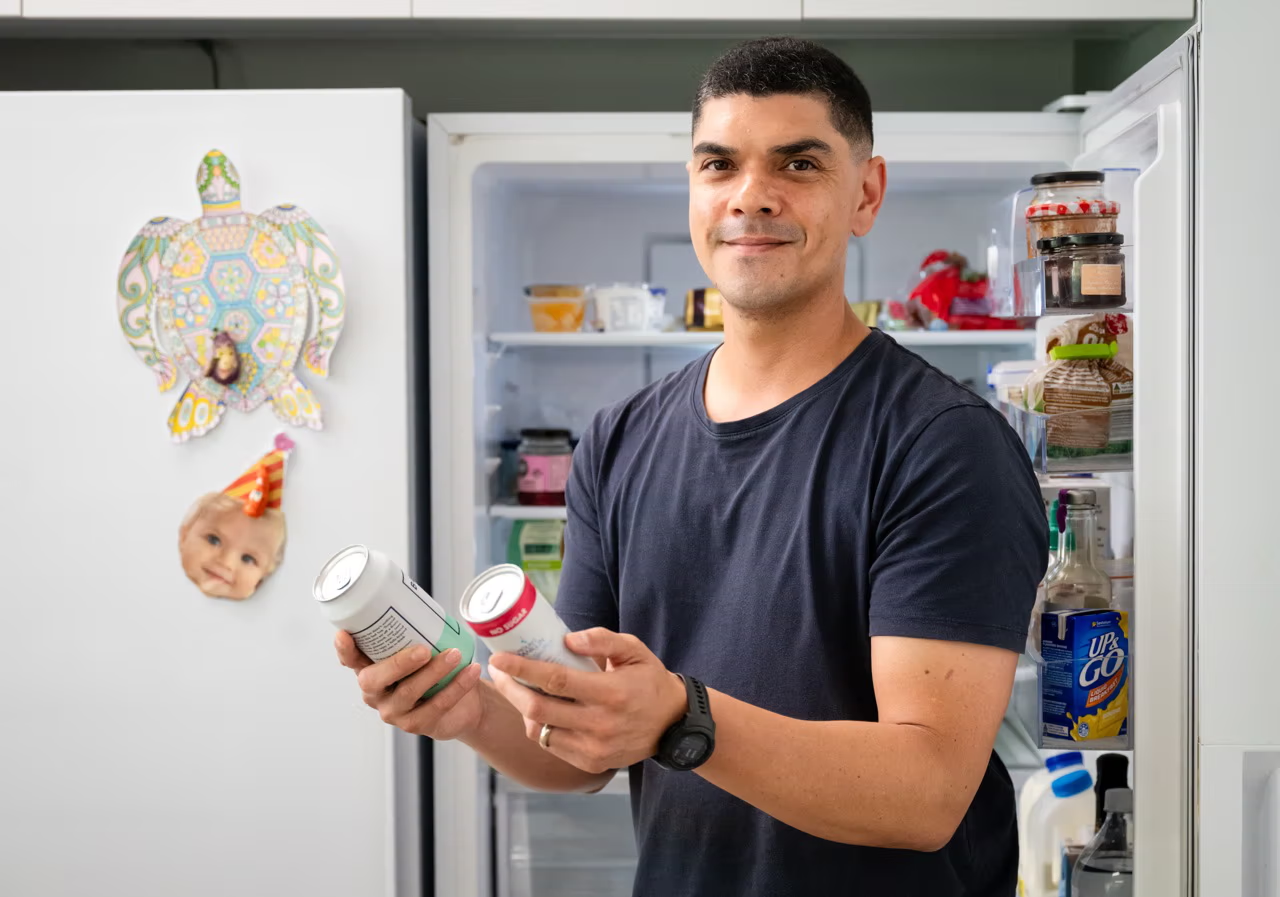
The health of men is often overlooked in preconception care; however, it is important to discuss. A preconception checklist can help guide conversations about important preconception health considerations for men.

Preconception Checklist for Men

For same-sex couples, encouraging positive health behaviours in both partners is important. Partners engaging in positive health behaviours together are more likely to maintain that health behaviour compared to an individual making changes alone 

Modifiable health behaviours

More information

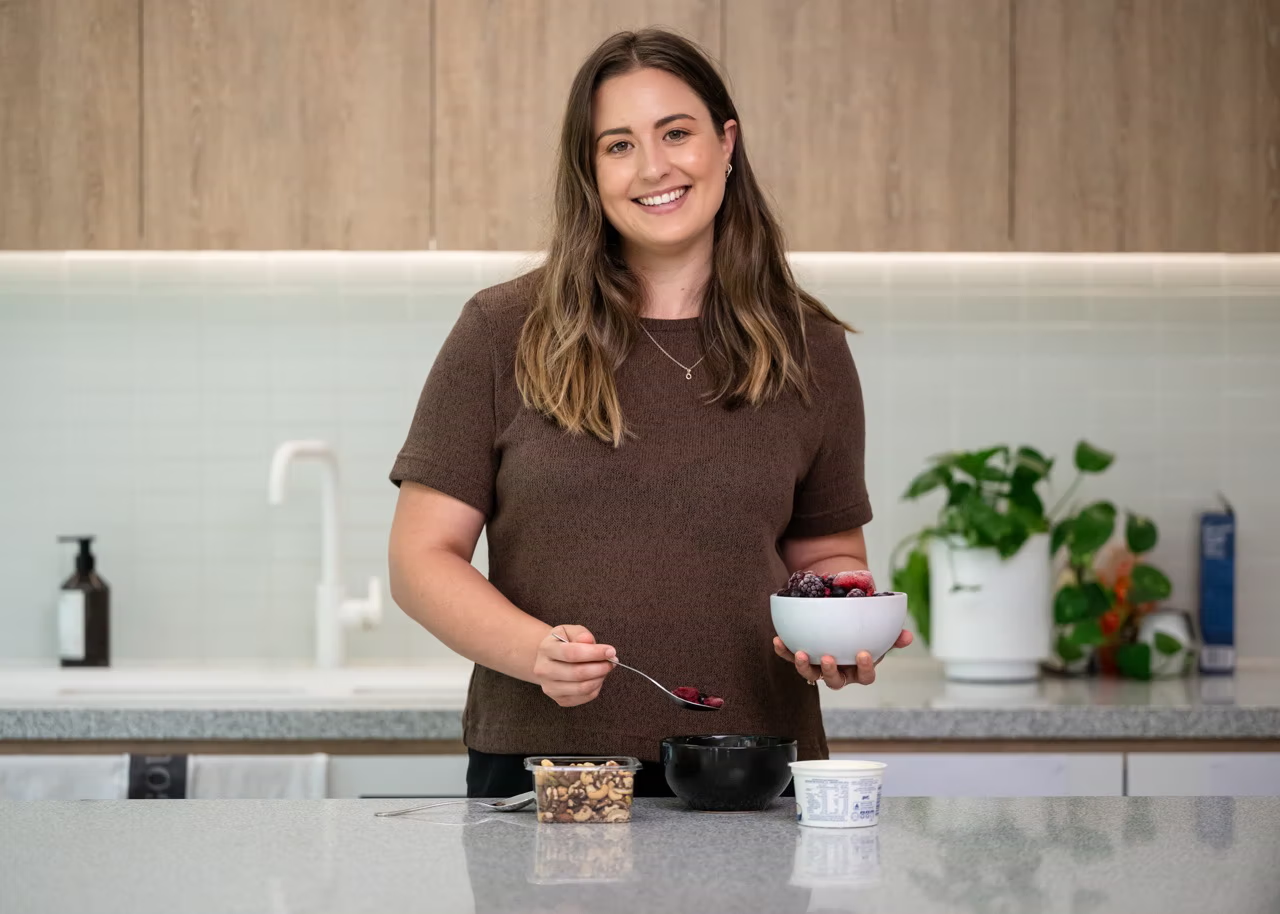
Supporting women and men to make small changes can have a big impact. Consider these modifiable health behaviours when promoting preconception health:

Further learning & professional resources

Information

Encourage individuals with PCOS to:

Encourage women who have symptoms suggestive of PCOS to visit their GP for assessment. Diagnosis typically involves blood tests to evaluate hormone levels, with ultrasound imaging used when required to assess ovarian morphology. Early identification and management can help optimise fertility and preconception health.