

Beat the scroll: Simple ways to break free from your phone
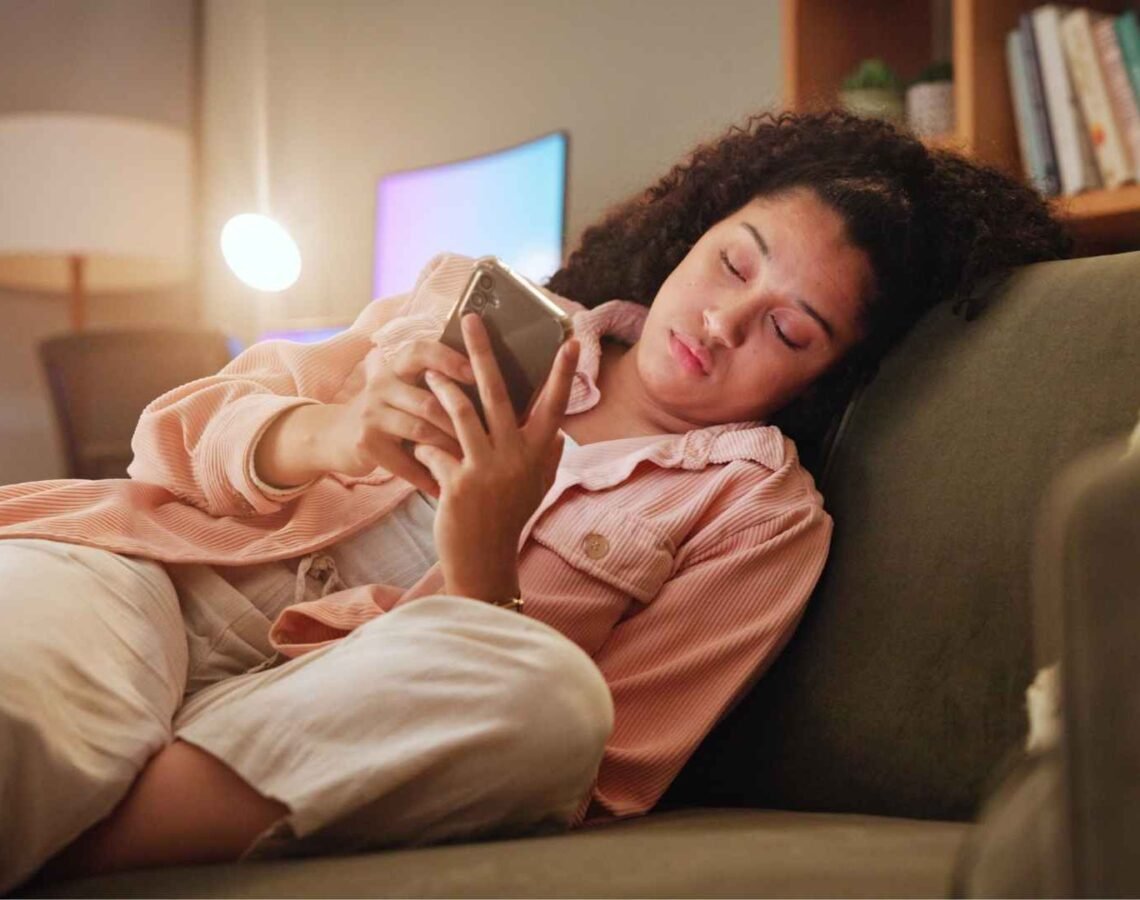
We live in a digital age where our phones are woven into nearly every part of daily life—from work and communication, to entertainment and relaxation. While phones offer many benefits—such as staying connected, learning new skills, and finding support—many of us are using them far more than we intend, especially when it comes to social media and the endless pull of doom scrolling.
According to new consumer research conducted by Health and Wellbeing Queensland, 1 in 4 Queenslanders stay up past midnight on screens nearly every night. Too much screen time can impact our focus, stress levels, sleep quality, and even our relationships. In this article, we’ll explore why it can be hard to break free from scrolling, how it affects our wellbeing, and practical strategies for how to reduce time on your phone and reconnect with the world around you.
How scrolling our phone affects our health
Smartphones are designed to keep us engaged, and the brain plays a major role in why they’re so hard to put down. Each time we refresh a feed, open a notification, or find something surprising, our brain releases a small hit of dopamine—the neurotransmitter responsible for pleasure and reward. This intermittent reinforcement keeps us coming back for more, making it harder to reduce screen time or be on your phone less.
When phone checking becomes constant and automatic, the brain can be pulled into a repeated cycle of stimulation, reward, and anticipation—which can interfere with creativity, patience, and the ability to stay present.
Screen time and young people
Research shows that excessive phone use is associated with reduced attention spans and impaired working memory, particularly among young people. A 2019 study published in JAMA Pediatrics found that increased screen time in pre-school aged children was linked to lower structural integrity in brain white matter, which supports learning and language development.1 This can manifest years later to phone addiction in teens, whose brains are still developing and may be more sensitive to reward-based habits.
It’s important to acknowledge that it’s not just the amount of screen time young people get, but also what they are consuming that can impact their health. An umbrella review of over 100 meta-analysis studies found that watching educational content and/or viewing content with a parent had better outcomes for young people in terms of learning, literacy, body composition and mental health, than general screen use did.2
Doom scrolling and stress
So, what’s happening in our brains when we endlessly scroll through YouTube, TikTok, or Instagram? Doom scrolling, as it’s known, ramps up the brain’s stress response. As we consume alarming news, emotionally charged content, or rapid-fire entertainment, the amygdala (the brain’s fear and emotion centre) becomes highly activated. This can lead to elevated cortisol levels—the hormone associated with stress and anxiety.
A study published in Cyberpsychology, Behavior, and Social Networking found that frequent social media use was strongly associated with increased anxiety and reduced wellbeing.3 Another study from the University of Essex showed that even having a smartphone nearby can reduce feelings of interpersonal connectedness, suggesting that phones subtly interfere with meaningful social engagement.4
Sleep quality takes a hit too. Exposure to blue light in the evening disrupts melatonin production, making it harder to fall asleep and achieve deep rest.5 Doom scrolling before bed also floods your brain with emotional content that keeps it alert rather than relaxed. Over time, poor sleep contributes to irritability, low mood, reduced motivation, and difficulty concentrating—fuelling the cycle of boredom that makes doom scrolling even more tempting.
This trifecta—dopamine spikes, cortisol activates, and disrupted sleep—creates a loop where doom scrolling on social media becomes both the cause of stress and the temporary escape from it.

Tips on how to reduce screen time
If you’re looking to decrease your screen time, or make screen time more meaningful and productive, you’re not alone. Here are practical tips for how to be on your phone less:
1. Turn off non-essential notifications
Notifications are one of the biggest triggers for compulsive checking. Disable alerts for social media, games, and entertainment apps to reduce the temptation to check your phone.
2. Create phone-free zones
Keep phones out of the bedroom, at the dinner table, or in study areas. A dedicated charging station outside your room can help, as well as placing your phone on silent during certain times of the day.
3. Use built-in screen time limits
Apps like Screen Time (iPhone) or Digital Wellbeing (Android) offer daily usage caps, downtime features, and weekly reports. These can help you set healthy boundaries with your phone.
4. Replace scrolling with intentional pauses
When you reach for your phone out of habit, stop and take a breath. Ask yourself: “What am I actually looking for right now?” Over time, this breaks the automatic reflex or reaching for your phone and endlessly scrolling.
5. Schedule your social media time
Instead of dipping in throughout the day, choose 2 or 3 windows when you’ll check platforms intentionally—not mindlessly.
6. Keep your home screen minimal
Remove social media apps from your home screen or log out after each session. This changes how immediately you can access it, giving you time to contemplate your intention for using it.
Ideas for how to spend time off your phone
Whether you’re a parent concerned about phone addiction in teens, a young adult glued to TikTok, or simply wanting to reduce screen time yourself, these ideas can help fill the space that scrolling once occupied.
For Kids
- Outdoor play: Bike rides, playgrounds, scavenger hunts, water play.
- Creative activities: Drawing, colouring in, building blocks, crafts, music, dress-ups.
- Chores with rewards: Turn tasks into fun challenges or help with food prep.

For Teens
- Sports and movement: Dance classes, bike riding, swimming, group fitness.
- Skill building: Learning guitar, coding, photography, make jewellery, cooking.
- Productive time: Re-organise a room, clean out a cupboard, start a clothing donations pile.
- Social alternatives: Game nights, outdoor hangouts, working or volunteering.

For Adults
- Tend to hobbies: Gardening, reading, painting, baking.
- Mindfulness practices: Walking, yoga, meditation, journaling, playing music.
- Connection boosters: Walks with friends, board games, date nights, volunteering, pub choir, thrift shopping.
These activities not only help you spend time without social media but also strengthen relationships, creativity, and physical wellbeing.

Healthy screen time for kids
Cutting out screen time entirely may not be a realistic goal for most kids, but it is possible to channel that screen time in healthy ways. For example, there are plenty of free apps that encourage physical activity and forming healthy habits.
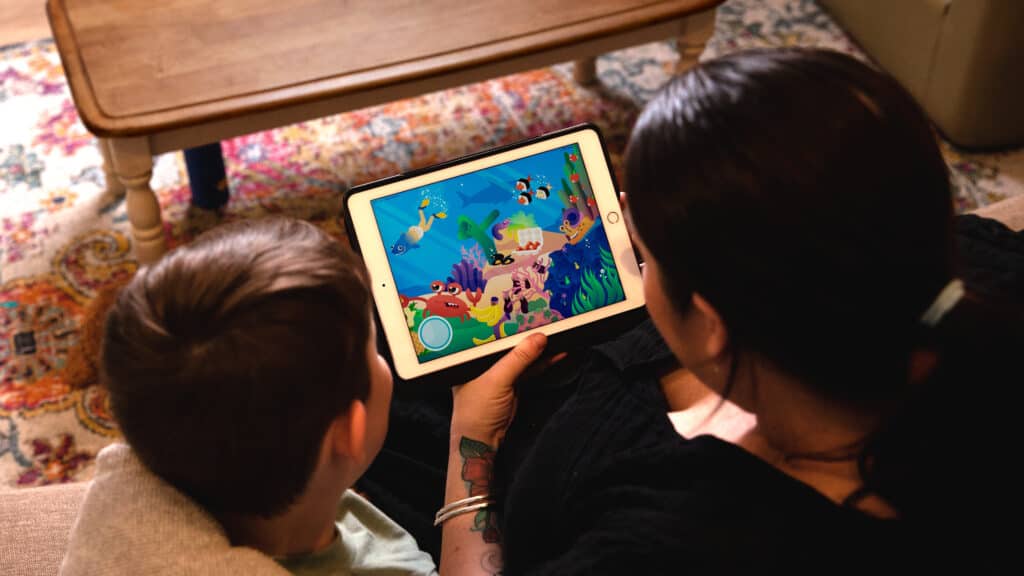
Podsquad is a free play-based app for Queensland families designed by childhood health specialists and co-designed with children aged 5-12. The app helps kids learn about eating better, moving their bodies more, and the importance of sleep through games, stories, puzzles, and quests, while earning rewards along the way.
From mindless scrolling to meaningful tapping
Ultimately, breaking free from your phone doesn’t require giving it up entirely—just using it more intentionally. With awareness and small changes, you can keep the benefits of using your phone, while also reclaiming your time, your focus, and improving your wellbeing.
Sources
1. Hutton, J. S., Dudley, J., Horowitz-Kraus, T., et al. (2019). Association Between Screen-Based Media Use and Brain White Matter Integrity in Preschool-Aged Children. JAMA Pediatrics. https://jamanetwork.com/journals/jamapediatrics/fullarticle/2754101
2. Sanders T, Noetel M, Parker P, Del Pozo Cruz B, Biddle S, Ronto R, et al. An umbrella review of the benefits and risks associated with youths’ interactions with electronic screens. Nat Hum Behav. 2024;8(1):82-99.
3. Vannucci, A., Flannery, K., & Ohannessian, C. M. (2017). Social media use and anxiety in emerging adults. Cyberpsychology, Behavior, and Social Networking. https://doi.org/10.1016/j.jad.2016.08.040
4. Przybylski, A. K., & Weinstein, N. (2013). Can you connect with me now? How the presence of mobile communication technology influences face-to-face conversation quality. Journal of Social and Personal Relationships. https://doi.org/10.1177/026540751245382
5. Levenson, J. C., et al. (2017). The association between social media use and sleep disturbance among young adults. Preventive Medicine. https://doi.org/10.1016/j.ypmed.2016.01.001
Acknowledgment
Content developed by Health and Wellbeing Queensland in partnership with the University of Queensland’s Health and Wellbeing Centre for Research Innovation.