



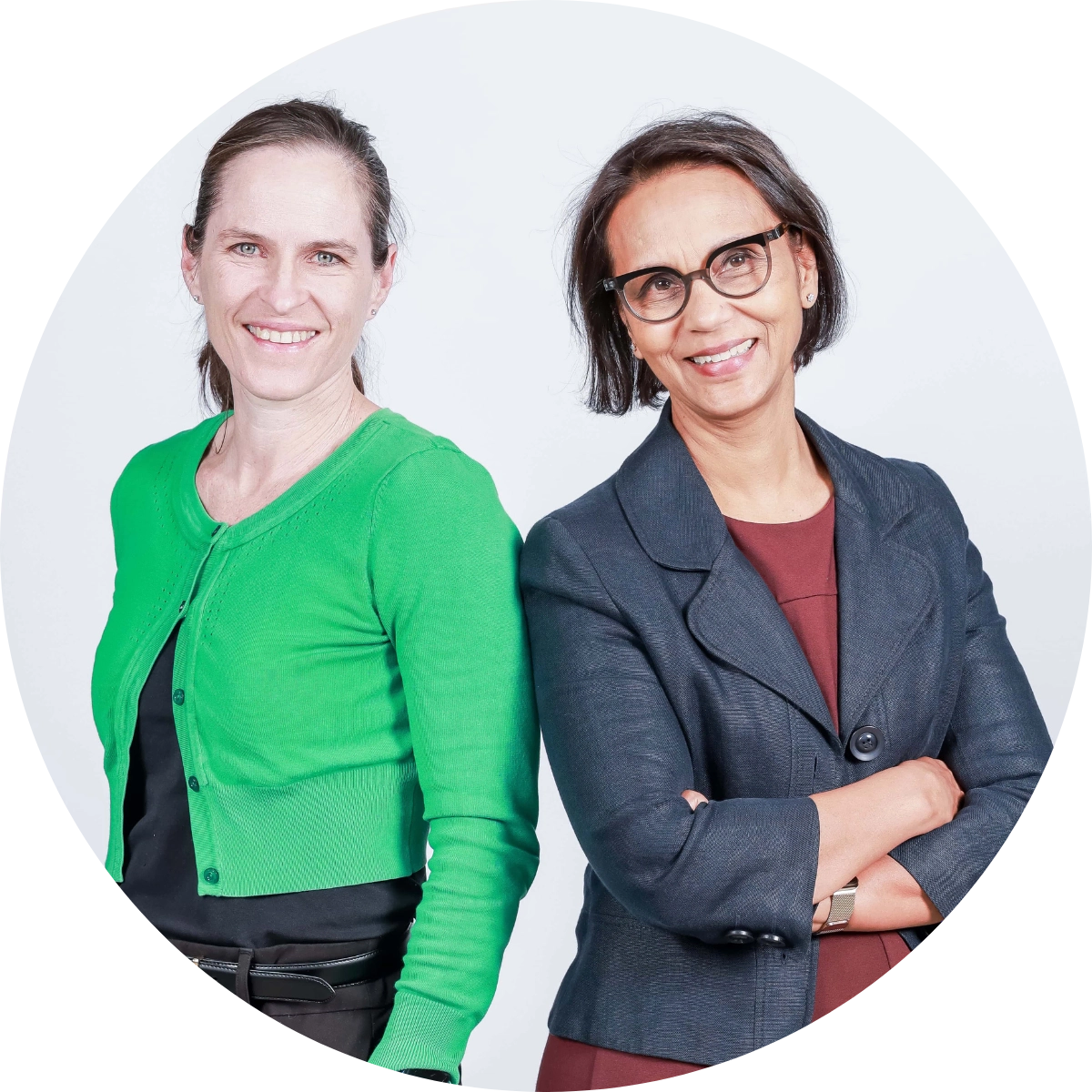
We’re joined by two leading voices in women’s health this episode: Professor Gita Mishra, founding director of the Australian Women and Girls’ Health Research Centre at the University of Queensland, and Dr Sheila Cook, endocrinologist and obstetric physician. Together, they unpack the multifaceted experience of menopause and its broader implications for clinical care and public health.
In this episode of The Clinician’s Guide to Women and Girls’ Health, we turn our attention to menopause – a complex life stage with significant implications for clinical practice and public health.
Joining us are two leading experts: Professor Gita Mishra, founding director of the Australian Women and Girls’ Health Research Centre at the University of Queensland, and Dr Sheila Cook, endocrinologist and obstetric physician. Together, they offer an evidence-based discussion on the multifaceted experience of menopause and its impact on women’s health across the lifespan.
Drawing on decades of research and clinical insight, this episode covers key topics including premature and early menopause, hormone therapy, sleep disruption, muscle strength, cardiovascular risk, and mental health. Our guests also explore the role of lifestyle factors, such as smoking, and the cultural framing of menopause, highlighting how longitudinal data is reshaping our understanding of midlife health.
Designed for health professionals, this conversation underscores the importance of proactive, personalised care and the need to integrate menopause into broader models of preventive and holistic health.
Victoria C 00:00
Health and Wellbeing Queensland acknowledges the Jagara and Turrbal people, the traditional custodians of the land on which this podcast was recorded, and the traditional custodians of the lands and waters on which you’re listening. We pay our respects to the Aboriginal and Torres Strait Islander Elders past and present, for they hold the memories of the traditions, cultures and aspirations of Australia’s First Nations people.
Sheila 00:23
In the years leading up to menopause, there’s a real shift in the performance of those muscles. So, when we’re talking about opportunities to build our future health, it really actually focuses on the health of our muscles. The muscles will determine your ability to regulate glucose and blood pressure, and blood vessel health, so your muscles are key.
Victoria C 00:41
Hi, I’m Victoria Carthew, a journalist, presenter and your host of this series, the Clinician’s Guide to Women and Girls’ Health, brought to you by Health and Wellbeing Queensland, in partnership with the Queensland Government’s Women and Girls Health Improvement Program.
Victoria C 00:56
From menstruation to menopause and all things in between, including sexual health, wellbeing and ageing. The Clinician’s Guide to Women and Girls’ Health podcast series speaks to leading Queensland experts about how health professionals can have effective, empathetic conversations with female clients, empowering them to take control of their health journey.
It’s wonderful to have your company for episode seven, and I have a somewhat vested interest in today’s conversation. As a woman of a certain age, I’ve been equal parts educated, informed, bombarded and often inspired over the past couple of years on the topic of menopause. To open my mind as well as your eyes and ears, we welcome two incredibly impressive women to the studio – Professor Gita Mishra AO and Dr Sheila Cook to the studio. Professor Gita is an epidemiologist whose research area has focused on life course epidemiology and women’s health. She is the founding director of the Australian Women and Girls Health Research Centre at UQ, which leads the Australian longitudinal study on women’s health, a national study that has collected data on over 57,000 women since 1996 and linked chronic disease to reproductive health. Can I say a massive thank you from all of the women right around the world for all that you do. Thank you for joining us.
Gita 02:10
Thank you, Victoria.
Victoria C 02:12
We’ve endeavoured to reach right across our great state with those best placed to share their knowledge. So, I’m also very pleased to have with us Dr Sheila Cook, an endocrinologist and obstetric physician in private practice in Toowoomba. She was the first endocrinologist in Toowoomba and was previously the director of medicine at Toowoomba Hospital. Now in private practice, much of her work is with women in menopause and those who have metabolic disorders. She’s also a competitive sprinter and a gymnast, she just told me, so she has a deep personal knowledge of the nutritional and exercise needs of women, and yet she still found time to join us. Thank you, Sheila, and hello.
Sheila 02:46
It’s wonderful to be here. Thank you.
Victoria C 02:47
Well, I think it’s fair to say, ladies, at no time in history has there ever been so much conversation on menopause. It’s extraordinary. I’ve been immersed for a couple of years, but I feel for so many people who have just realised that this is coming their way, it can be incredibly overwhelming. I think whether that’s the public or clinicians; there is so much information now that previously was probably not there. For you, Professor Gita, your study and research it’s quite historic, isn’t it?
Gita 03:14
Absolutely. Together with Professor Deb Loxton in Newcastle, we run one of the longest and biggest running study on women’s health in Australia. The study was funded since 1995, the first survey went out to the women. We have about 57,000 women all across Australia that participated in the study. Absolutely grateful to all the women who have kept giving us their time and filling in the questionnaires, but also to the Federal Government and Department of Health Disability and Ageing for funding the study. So, it’s still going on. In 1996 we recruited women who are age 45 to 50 years old. Now they’re in the mid 70s, and a lot of what we learn about menopause is because of these women who’ve been so generous with their data that, you know, gives us a really good insight. I’ll be talking at some stage about another cohort of women. They were born in 1973 – 1978 so these women were age 18 to 23 in 1996 and are now in their late 40s to early 50s and they’re telling us the journey of menopause. So, I’ll be sharing some of that.
Victoria C 04:36
It is so exciting, and that is something people will be able to access down the track. So, let’s start with those basics and the areas you work in, because we hear about pre-menopause, perimenopause and menopause, but it’s actually bigger than that, those actual age and descriptors.
Gita 04:48
Absolutely. So, I think if you think about menopause, we have a few things to think about. First of all, menopause is when women don’t have periods, if it’s a natural menopause, they don’t have periods for about 12 months, and then after that, we say, okay you’re post menopause. Now the timing of menopause will tell us about the risk factors and your experience of menopause. So, what we call premature menopause, that is premature ovarian insufficiency, and this happened to about 2% of women before, and so this is when they have menopause before the age of 40. There’s a lot of guidelines on how to manage women who have premature menopause. The next group of women, these are women who have experienced menopause between the age of 40 to 45 or 40 to 44 and so what we define, we call these women as early menopause. The thing about early menopause is that there are 8% of us who fall in early menopause, and yet, you know, there isn’t a clear clinical guideline on how we manage symptoms. What do we know about women who have early menopause and their symptoms that they experience? Most of us will experience menopause between the age of 50 to 51 and we say that’s within the normal age of menopause. So that is menopause. Now, how do we get menopause, right? So one…
Victoria C 06:14
I like that phrase you say, how do we get it? Because we don’t often think about it that way,
Gita 06:17
Absolutely right. So, one of it is we have no choice, just because, you know, our ovaries run out of eggs, and then we end up having menopause. So, that’s what we call natural menopause or spontaneous menopause. We do nothing about it just because we’re getting older and this happens to us. Then you have the other type of menopause is what we usually call surgical or medically induced menopause, and about 2% of women will experience surgical or medically induced menopause. These are women who have had both ovaries removed, so what we call bilateral oophorectomy, that could be due to cancers or endometriosis. Whatever reason, they’ve got their ovaries removed, and they experience menopause immediately. The other reason they might have surgically, or medically induced menopause is if they’re going through radiation or chemotherapy, which is common, you know, if you think about breast cancer happening in midlife. So, we must remember that women can get menopause in different ways, one naturally and the other one surgically or medically induced, and the health implications for these groups are different, which we can talk about later.
Victoria C 07:29
And that’s what you’re seeing in clinic, isn’t it, women at these very different stages of their menopause journey?
Sheila 07:37
Absolutely, yeah, and I think they do present it in different ways at each of those time points, but there’s some similarities. I think the difficulty is the lead up, because once the periods stop, it’s a bit clearer to know that that’s the end of that ovaries lifespan. But there’s the lead up time this idea of perimenopause, and if that’s occurring naturally, that on average, is about seven years where the ovaries are still producing eggs, but less frequently ovulating, and the oestrogen levels continue, but there’s different regulation of those hormone levels. So, as the ovaries lose their eggs, there’s a feedback loop between the ovary and the pituitary gland, and so there’s a real change in the performance of those hormones. So, the oestrogen levels, instead of following a nice, smooth course over the course of the menstrual cycle, there’s a lot of irregularity, and the irregularity the ups and the downs of the oestrogen then imposes changes in the brain, and the symptoms that we talk about in peri and then post menopause seem to change, but it’s mainly the hormone effects on the brain and the changes in the metabolic pathways in the brain itself. So different changes in the blood supply and the metabolic preference of glucose and fat as the main fuel source for brain cells. So, it’s a very interesting physiological phenomenon.
Victoria C 08:52
I’m wondering if you could say there is a certain time when women need to seek medical advice, help or intervention? I mean, I suppose I always knew it was going to happen to me; it happens to all of us, but I sought help. By default, I went to my GP saying, I’m not sure if I’m having a heart attack or I’ve got cancer or maybe it’s a bit of menopause. I didn’t know when I went along, and thankfully, it was sorted out, but it was after something kind of quite dramatic happened to me. What about for women who are probably pulling along okay, at what point should you seek medical intervention, help or advice?
Gita 09:20
50% of women will go through menopause with no symptoms, so, there’s just a natural part of being a woman living, you know. I think that I would go to the doctor if you knew there’s symptoms that I can’t explain. If it’s bothering my quality of life, if it’s affecting my work then definitely talk to your GP and Doctors. So that’s what I think but keep in mind that most of us do go through menopause, just as part of it as well. If you look at the different cultures, for instance, Japanese women, you know, very, very few of them have any what we call menopausal symptoms. Life goes on. So, I think it all depends on the individual and how bothered and worried they are. There’s no need to be, you know, worried about it, there’s help available and so seek help.
Sheila 10:10
And I think you’re right. The way that women will present with those symptoms so varied. So, the Australian Menopause Society have a scorecard. So, you know, women can go online to the website that has the scorecard that just maps out some of those symptoms and so I think going and seeing their doctor to explore that, at least they’ve got some information, then to present to their doctor, rather than being uncertain. So, I think there’s a lot more information available to women now, and I think now that we’re talking about it far more frequently, to our friends and family, that might give a woman a bit more clarity going to see their doctor to ask about those symptoms. I meet a lot of women who are really struggling with mental health and insomnia and muscle aches and pains. They often end up going to see a rheumatologist because they have new joint pain, things like that. Then kind of fly under the radar, and you realise, well, I’m still having my period, so there’s nothing to worry about, but it could be one of these symptoms. So, I really encourage women to look at the Australian Menopause Society. That scorecard can be a really helpful guide to them.
Victoria C 11:09
We’ll be back after some brief messages about other ways Health and Wellbeing Queensland can support you and your community.
Advertisement 11:15
A walk a day can keep the doctor away, and if your patients are looking for a free, regular activity that can be done anywhere, anytime, they can join the 10,000 Steps Program today. The program raises awareness about the importance of physical activity and increases participation by encouraging incidental activity as part of everyday living. To find out how the 10,000 Steps program can help your patients live a healthier life through physical activity, visit 10,000steps.org.au
Victoria C 11:45
Welcome back. Let’s return to our conversation.
Victoria C 11:49
For a long time when menopause was a smaller conversation, I suppose, there was four or five or six that we’d hear about. But can we talk now about those symptoms that are being related back to menopause?
Gita 11:59
I think that you know, there’s about four or five symptoms that they say is directly attributable to menopause. That would be vasomotor symptoms, so hot flashes at night and sweats, no questions asked they are related to menopause. The other thing along with it is women will say that they experience sleeping difficulty, not surprising if you have night flushes at night and all that. So, sleeping difficulties, again, can be shown to be associated with the menopause or menopausal transition. The other one is dyspareunia, which is painful sex. So vaginal dryness is one thing that’s related to oestrogen. So, you know these conditions like joint pains, and stiff or painful joints have been associated with menopause, or that they tend to increase during this transition. Those are some of the symptoms. Other symptoms, I think it would depend on the subgroup. So, they may be more vulnerable, you know, if you have a history of depression, for instance, you might be at an increased risk of feeling depressed during the menopausal transition. Some of it also depends on the history and where they’re coming from as well.
Victoria C 13:17
So those symptoms you’re seeing as well in practice?
Sheila 13:20
I think there’s a whole variety, and so, we’ll go through emotional symptoms. A,lot of the women will describe just up and down, mood, irritability, rage, feeling overwhelmed by things that wouldn’t normally affect them, difficulties, concentrating. You know, they’re not as easy to define, and so they may not be easily, you know, available in research, but these are the experiences I have in the women who I see and seem to respond really beautifully to treatment with hormone therapy when we do. Seeing women who have more migraines and epilepsy present more frequently, and going to that mental health experience, women who’ve had eating disorders in their teenage years and postpartum are far more likely to have eating disorders that typically present a little differently in peri and post menopause, with binge eating disorders, you know, more common in menopause. So, you know, these women who have a vulnerability are more likely to have those experiences as well.
Victoria C 14:14
Which takes me back to that research you spoke about right at the top, that when we’re going to be now looking at these women who joined the study, who were born in the 70s, and they’re now coming into this phase. We’re really going to find out more about these newer symptoms, yeah?
Gita 14:24
Absolutely. So we’ve asked the women, you know, like, every three years, we have a list of 20 symptoms when they were 18 to 23, there’s a 20 list, whether they have painful periods, headaches, you know all that sort of thing. So, we are able to track the symptoms, and what we find is the prevalence of stiff and painful joints actually goes up, along with the menopausal transition, vasomotor symptoms, of course, hot flushes and sleeping difficulties goes up. You can really say that this is probably, this is due to menopausal transition, but you know, things like headaches at the population level, or migraines, you know, at the population level is fairly constant. But that’s not to say that there might be some women who are more prone to hormonal fluctuations, and more likely to get these symptoms. So, to give you an example of women who have premenstrual tension, this is when they feel irritable and all that before their menstruations, and they are at a higher risk of experiencing symptoms during menopause. If you have that predisposition already, you know, for instance, if you have, you know, premenstrual tensions, or if you feel depressed during your period, or postpartum depression then you know you may be at risk of experiencing a similar sort of mental illness during menopause.
Victoria C 15:54
Which just to me says how exciting that we’ve got this research finally and why the importance of maintaining research over generations, not just for a short period of time. I’d like to talk about those symptoms and why in just a moment. I really want to talk about the levels of care in terms of when you just see your GP, when you need to come and take things further, and that referral code, where you see that timeline.
Sheila 16:18
That’s a really good question. I think your general practitioner is always the first start. I think that many GPs are very experienced and very happy to prescribe and talk through menopause care. I think by the time I’m seeing patients, women are being referred if the GP isn’t clear or a bit uncertain about the diagnosis or looking at, you know, strategies, medical and non-hormonal therapies. So, I’ll be seeing women in that situation. I see a lot of women who, for example, the surgical menopause. I see a lot of those women, and often because the dosing required to manage those symptoms is higher so we may be looking at other ways of managing those women. I’ll see other women who may have other reasons where hormone therapy may be complex. Women who have pre-existing migraines or mental health issues, and then I will see those women, and then kind of initiate therapy. I think traditionally, we’ve used oral oestrogen, and so we know that oral oestrogen has an increased risk for venous thrombosis, so blood clots, we know the oral contraceptive pill is more likely to induce migraines and have other consequences. So, I’ll see women when there’s a lot of uncertainty about, is it safe to start hormonal therapy? And you know my approach to it is transdermal oestrogen or gel is safe, and it doesn’t induce thrombosis. We don’t see clots in those women, and it actually improves outcomes for migraines, rather than induces them. A specialist will really be involved more in complex menopause if there’s issues around bleeding. So heavy menstruation may be actually a sign that menopause is on its way. So that late perimenopause we see a lot of heavy bleeding. These women often see gynecologists rather than endocrinologists, but often we work really closely in partnership.
Victoria C 18:01
So, it’s hopefully really finding that GP who’s got that, because we’re talking now a lot of GPs upskilling, aren’t we? To try and understand that new and latest research out there?
Gita 18:10
Absolutely, and also with Medicare items about longer consultation for women going through peri and post menopause, that’s brilliant. I think it’s just come into effect. So, take advantage of that.
Victoria C 18:21
So, these symptoms that have, as you say, some are very common, some are coming at different times because of other lifestyles. Is it purely the loss of oestrogen? Why do these symptoms occur?
Gita 18:32
I mean, that would be one of the things. But I think we also have to be mindful about what we’re experiencing during midlife. So, in the sense that, you know, a lot of us will be in the sandwich generation stressed about living, you know, looking after ageing parents and children. So, keep that in mind as well, that it is generally quite a stressful period of time in life. Yeah, absolutely. But you know, Victoria, I would like to come back to think about talking about menopause and the symptoms that we’re experiencing, that’s the acute symptoms, like hot flushes and all that, right? But I also want to highlight that the timing of menopause, when you have it, is also a marker of our risk for chronic conditions later in life. I think it’s so important to think about that. So, while we can manage some of the symptoms as we’re going through, you know, but we need to keep in mind that we should take advantage of the timing of menopause when we go through menopause as a predictor of our future health, right? I think that is so important. So, if you go through menopause quite earlier on or even after menopause, you’re at increased risk of osteoporosis and you’re at increased risk of falls. Take this advantage.
Victoria C 19:48
Take stock right now.
Gita 19:49
And do something about it, which I’m sure you know.
Victoria C 19:52
Which is what you’re doing Sheila.
Victoria C 19:53
Sprinting and gymnastics and everything else. But it is a take stock moment in terms of bigger life picture, isn’t?
Sheila 19:59
Absolutely. And I think it’s interesting when we’ve looked at these kinds of long cohort studies looking at the body composition, so there’s a real shift. And so we know in women at this time, they’re eating less than ever, and yet they’re gaining weight. And that’s often the complaint that I’ll have women really frustrated at the lack of response to their exercise and their eating. So, we know from these studies that there’s a loss of muscle, and so that feeling tired, and not able to do as much, you know, of course, there’s an ageing element, because that’s a natural part of what our muscles do in response to ageing. But, it’s accelerated in perimenopause, so in the years leading up to menopause, there’s a real shift in the performance of those muscles. So, when we’re talking about health and opportunities to build our future health, it really actually focuses on the health of our muscles. So, muscles will determine your ability to regulate glucose and blood pressure, and blood vessel health. So, your muscles are key. When I think about women kind of coming to me asking about weight loss, I think we missed the point, because the best predictor of longterm health and longevity is actually muscle strength. So, when we talk about body mass index, and we focus so much on our weight, there’s a wonderful opportunity to just change that conversation to health and strength and capability. So, when we’re talking about muscle health, that’s obviously going to pull together bone health as well, which is another aspect of body changes through the rest of our life. So when we’re talking about health and why people need to look at that, it’s about protein and healthy eating that’s really focused on fueling muscles as opposed to managing our weight. So fueling muscles and fueling health, I think, is a really different conversation. And so when we’re talking about exercise, to me, that’s the real focus and opportunity around strengthening muscles, strengthening bones, and that’s probably different to what we’ve naturally been talking about.
Victoria C 21:50
All of those things you’re saying ties exactly back to you, Professor Gita, about looking ahead into life.
Gita 21:56
I just want to add on to what Sheila said, in terms of cardiovascular disease, because the oestrogen does play a role in the vascularity of our vessels, you know, so in addition to having a healthy lifestyle it’s also important to think about, say, blood pressure, because you know, women who have earlier menopause have got a much higher risk of cardiovascular disease. Our work and others have shown that. We’ve also shown that the women who have early menopause or premature menopause, they’ll have an increased risk of getting cardiovascular disease right up to the age of 70. So, you kind of know that in the next two decades, I am at increased risk of getting a cardiovascular event if I don’t get it by 70, by 69 your risk is the same as everyone else. Okay, so this is women going through early menopause. Now, you know, as Sheila was saying, managing weight and all that is difficult during midlife for all sorts of reasons. If you think about cardiovascular disease, there’s very clear guidelines on how to minimise the risk of cardiovascular disease. So, stop smoking and reduce alcohol intake. If you can’t manage your high blood pressure, there are medications to reduce high blood pressure. If you can’t manage your cholesterol level, there are medications to manage that. So, I think that, you know, it is really a time to be very proactive about our health, because there are things placed in the system that we can utilise to have healthy ageing.
Victoria C 23:36
You’ve just mentioned a few of those healthy behaviours, and it’s so interesting, because there’s this kind of contradiction around healthy behaviours and what you can do during menopause to make it better. Then, there are obviously drugs available to manage some of those bigger issues. So, it’s finding that line and finding the health professional that can help you navigate the system. Smoking is one, to me, Professor Gita, that is absolutely fascinating in terms of its impact on menopause.
Gita 23:59
Yes, so smoking is a well-known risk factor in terms of when a woman gets her menopause, natural menopause timing. So, we’ve shown that women who smoke are at a much higher risk of getting earlier menopause. The belief is that, you know, the toxin from smoke affects our ovaries and its functioning. There’s a clear dose response relationship, so the more you’ve been smoking, in terms of pack years, the earlier menopause you’re going to get. We’ve also shown that if a woman stops smoking by the age of 30, then her risk of getting earlier menopause is no different to people who don’t smoke. In other words, her risk is the same as everyone else who doesn’t smoke. So, in other words, if you are a heavy smoker stop before you hit 30, and then in terms of menopausal health it will be the same as everyone who doesn’t smoke. But obviously, we know that smoking is also associated with miscarriage, stillbirth and all sorts of other female problems.
Victoria C 25:14
Absolutely fascinating, I had never heard that information before. This episode of the Clinician’s Guide to Women and Girls’ Health is looking at midlife and menopause, and I’m really just so grateful to be joined by epidemiologist, Professor Gita Mishra AO and Dr Sheila Cook, endocrinologist and obstetric physician. So much detail through this conversation, and we’ll reference links and perhaps Lancet papers and other reference points you can go to. You’ll find all of those in our show notes. Sheila, I’m thinking about the people that are coming to you, one of the first things that happens when a woman goes to her GP or elsewhere is they’ll give you a blood test, that then we’re going to look at and there’s a lot that is looked at, isn’t there?
Sheila 25:50
Absolutely and it’s interesting. So, if these are women coming before the end of their menstrual cycles, those blood tests are frequently normal, and that can be really disheartening, because the woman is coming with a lot of symptoms, and she doesn’t know how to understand it, and is looking for answers. Then the doctor is doing the best they can to kind of give a clear diagnosis. All of our training is about hearing the history, doing a blood test to confirm, almost like a disease model. Unfortunately, menopause isn’t a disease; it’s actually a normal process, and so the blood tests are frequently normal, and that reflects the fact that the oestrogen levels are actually going up and down variable day to day. So, we find often those blood tests are normal and very misleading, and that can be really very disheartening. I find a lot of patients, by the time they’re coming to me, they feel like they haven’t been heard because the GP can’t give a diagnosis, and the guidelines are less clear for these women in perimenopause. All of the guidelines are very specific about starting therapy when women are menopausal and having symptoms, the vasomotor symptoms that Gita mentioned. So, looking at, well, how do we manage these women who have suffered terribly? There are guidelines, the International Menopause Society are actually very generous about this and recommending oestrogen in these women, to regulate that experience. My clinical stories are very heartening, these women come back, particularly if I’m starting oestrogen in an early phase of either early or late perimenopause, they immediately feel better. The symptoms that are very responsive are the physical symptoms, so the hot flushes, the muscle aches and pains, the joint symptoms and the sleep improvement can be very striking and very early, and the irritability I find is smoothed out very quickly as well. So those are very quick responses. The difficulty is that it sits very different to the way our training is because you need to establish a diagnosis before you start treatment. When oestrogen is started in these women with these symptoms, it really is that clinical experience to tell us, are we on the right track, and then we manage it from there.
Victoria C 27:54
And that’s when you’re hoping that your clinician, your GP, whoever you’re seeing, has seen enough and done enough to be able to recognise what’s going on with you.
Sheila 28:01
It’s clinical experience, and it really is an apprenticeship, so kind of having the confidence to start it, and knowing that the oestrogen and Promethean, which may be the progesterone that balances the oestrogen, the guidelines are emerging, but it’s very interesting to see the clinical response, you know, it’s quite striking. So then again, advising and supporting our GP community to develop the skills as well.
Victoria C 28:29
Because, you know, historically, we look at these ups and down stories throughout time for various reasons, more internationally than in Australia, around HRT or MRT. It’s interesting now, because the conversations are changing because of the research that you’re doing and because of the changes in the types of hormones that people are able to receive.
Sheila 28:46
That’s true, absolutely, and I think it’s interesting. So back in the 90s, my grandmother was on oral oestrogen. I think GP’s were very confident in managing and treating hormone, and it was HRT then, I think it’s got a new re-badge, MHT, so that we’re talking about different forms of oestrogen. After covid some of the supply issues has made it very difficult to access some of these oestrogens in the last few years. So that’s put another kind of difficulty in prescribing and supporting women with hormone therapies.
Victoria C 29:19
You’re listening to the Clinician’s Guide to Women and Girls’ Health podcast. We’ll be right back after these messages.
Advertisement 29:26
Rising rates of chronic disease are one of our greatest public health challenges. Two in three adults and one in four children live with overweight or obesity. We need to shift the dial. That’s why Health and Wellbeing Queensland has created the Clinicians Hub, designed for health professionals to support preventative health. Clinicians Hub is a digital ecosystem of initiatives, resources and tools such as podcasts. It supports clinicians with referral pathways, models of care, education opportunities, and more. Find out how Clinicians Hub can help you at hw.qld.gov.au/hub
Victoria C 30:01
Welcome back. Let’s return to our conversation.
Victoria C 30:03
You touched on before the emotional changes, the mental state changes. It’s very real during this time, isn’t it?
Gita 30:09
For some women
Victoria C 30:10
For some women, yeah
Gita 30:11
For some women, and as I mentioned before, in terms of women with history of poor mental health, then they are vulnerable during that time. So, I think that is the research that we’ve seen. There are very few women who get depression for the first time during menopausal transition. That prevalence is really low. For most of them, if they do get it, it is because they’ve already had something there before. I just want to touch a little bit about the MHT that Sheila you were talking about. Absolutely, that’s the first line in terms of effectiveness. I think where the conversation is different now is that MHT is prescribed for the shortest possible time for the symptoms. Whereas in the past, women were taking HRT as a prevention for long term health. The evidence is not out there that it’s going to prevent cardiovascular disease and all that, which is the thing. So, at the moment, very much a lot of the work from all the guidelines that we’ve looked at it’s effective, but it’s about long-term health. The big trial study is about future prevention of chronic conditions, and there’s no evidence for that, but certainly for symptoms and women going through the menopausal transition, if they find these things bothersome, then definitely.
Victoria C 31:40
And those conversations around the timing of that, and you know, we hear about in their 50s, or it’s not too late, or where do we sit with all of that?
Gita 31:47
For women who’ve had premature menopause, before the age of 40, the guideline is take it up to the average age of menopause. That is 50, 51, MHT recommendation. So, for that group of women that’s very clear. The cohorts require different durations. So that’s what I understand. Even though there’s no clinical guidelines for the early menopause group who gets menopause between 40 to 44 years, the recommendation is that even for them, if they have symptoms, to bring them up to age, you know, like treat them with MHD, up to the age of 50, 51, which is the average age. That is what I understood from the early and the premature menopause group. For the others, the recommendation is for symptoms, and you apparently take it for the shortest possible time. But I’ll leave it to Sheila.
Sheila 32:41
I think people are getting more confident about that long term treatment and speaking to the experiences that I’ve had in my clinic, where I’ve had women who are in their 70s who’ve continued their oestrogen and for various reasons, had to stop it. I’ve met them in my clinic because they’ve had a re-emergence of all of their symptoms they had in early menopause, and it’s been really interesting, because they come in very motivated to restart it, so we work through the risks and benefits. I think it is a different story when it’s transdermal gel or patches of oestrogen. The risk of causing harm is different compared to oral oestrogen. When we have started, because it’s motivated by bone health, we do know that oestrogen, transdermal gel oestrogen, is good for bone preservation, particularly the vertebrae. So, we do know it’s actually an effective treatment for osteoporosis. These women are motivated by those reasons and symptoms. I had one woman who couldn’t walk because of the muscle aches and pains, and then as soon as she restarted the oestrogen, within a few weeks, she was back, able to walk again, so she was very motivated to continue it. So, from story to story, I think each woman’s experiences are different.
Victoria C 33:51
That’s where, when the advice is changing and the research continues, and as you’re dealing with more people in clinic, and as you say, the changes in what they’re able to receive over time changes, the impacts that it has. Can we touch back to lifestyle factors? We’ve talked about sleep, it’s such a huge one. We know about those interruptions at any age, whether you’ve got new babies at home or when you’re an older person, interrupted sleep is huge, and the importance of trying to rectify your life and your lifestyle with proper sleep and the changes that can be made during menopause.
Sheila 34:20
Yes, so I think the sleep interruption is devastating, because I think the daytime fatigue is awful. We know that there’s a higher risk for weight gain as a consequence of sleep deprivation, and particularly at this time, when the body’s actually becomes more insulin resistant. The change of muscle and fat reserves is changing, so the sleep is key. The difficulty, though, because of the hormone changes, women really struggle. So, you know the strategies that we talk about daytime exercise and avoiding naps during the day, because napping…
Victoria C 34:51
Oh, really? Darn. I love a little 15…
Gita 35:03
Sleep hygiene right?
Victoria C 35:06
I love a little 15-minute window every now and then.
Gita 35:06
Yeah I like that too.
Sheila 35:06
But it’s interesting, so that will actually disrupt the opportunity to get into deep sleep at nighttime. Sleep hygiene is key, and clearly, it’s removing the phone, having a warm shower before you head off to bed, avoiding caffeine at a certain time point. It might be 12pm or 3pm but that gap between caffeine and sleep is a really important part of those preparing for sleep ideas.
Gita 35:23
It’s such a common problem, because from our survey data, we found that at least 40% of women between the age of 47 – 52 reported sleeping difficulty in the top rank, like that really bothered them. So, looking at bothersome symptoms, sleeping difficulties and then along with that is severe tiredness. Not surprising, right? If you don’t sleep well, you feel tired during the day. So that’s up there, and then the stiff and painful joints. These are common symptoms that women experience during midlife.
Sheila 36:00
And it’s interesting to observe the response then to oestrogen therapy. I’ll find women who will then come back and the sleep may not always respond as well to oestrogen as I was expecting. The combination then of oestrogen, prometrium, which is a progesterone that, you know, improves sleep quality in the women that I’m seeing, and that’s a game changer for these women.
Gita 36:21
Can I ask a question? In terms of women who’ve had history of breast cancer and so they can’t be on MHT? Sheila, what would you advise them?
Sheila 36:31
Well, Veozah which is a neurokinin 3 antagonist which acts centrally, which really only addresses the vasomotor symptoms. I have a lot of women who respond really well to that, for the hot flushes, but for sleep quality, it’s getting back to lifestyle strategies and sleep hygiene, but often use a lot of melatonin. I find melatonin, when they look at the studies of sleep quality, it achieves a deeper sleep that seems to have an immune regulation benefit separately to the sleep quality and also neuro protection. Melatonin, separately to sleep quality, has other benefits. We look at those strategies too, but that exercise, particularly in the morning or afternoon, has real value for sleep quality.
Victoria C 37:13
We talked a little bit earlier about the weight, the issue that a lot of people come to see about it, nutrition and the knowledge around that and what you can do during menopause. That information has really advanced, hasn’t it?
Gita 37:24
Absolutely, I think now we’re talking about it, right? The fact that there was a senate inquiry on perimenopause and menopause and they had over 270 submissions shows that it’s a hot topic. We’re talking about it, and by doing so we’re normalising menopause which is so important. We don’t have to suffer in silence but be able to share and talk to people.
Victoria C 37:51
The food side of things, and how what our body requires and needs, that’s something you’ve really looked into, isn’t as part of your work?
Sheila 38:03
Absolutely. We work really closely with dietitians, and we have consistent messages. We have a whole team that we really share our knowledge and the guidelines. I think the key message around women is that there’s a real shift in the preference in terms of fuel for brain in peri and post menopause. It looks like the food requirements, or the nutrition for women, seems to shift. So, the idea that the brain preference for glucose shifts. We now realise that brain metabolism prefers fat, so, the idea that carbohydrate and the usual diet is good enough in menopause is actually not true. The idea that we need to fuel the muscles really requires a focus on protein and healthy fat. We’ve done a lot of research on the Mediterranean diet, and looking at increasing protein at every meal, and it seems to be really key for maintaining metabolic health in that time. We hear the phrase ‘protein dosing’, don’t we? Yeah, and it’s interesting, because it’s really talking to the muscles, so our muscles become less responsive to the food that we eat as we get older. This idea of the anabolic window, which is the idea that when our muscles are performing, so resistance training or exercise, that’s the stimulus for muscles to grow, but to make the muscles grow and be maintained, it’s actually the protein. This idea of three hours, three to four hours after exercise, is this really wonderful time where the muscles are ready to be fueled. If you’re then applying that idea to muscles, and just for muscle maintenance, really, we should be eating every three to four hours and having a dosing interval like that. It seems to be that our muscles are more sensitive to that as we get older. So having protein available throughout the day seems to be a really important part of healthy eating.
Victoria C 39:43
Gita, I know a lot of your bigger picture work is also looking at different communities. We’ve got women right across the state, in different communities whose access to menopause treatments, and not only just their access to treatment, but also the knowledge around those communities. It’s really, really not great.
Gita 39:58
Absolutely Victoria. If you were to ask me, what is the average age of menopause in Caucasian Australians, I can tell you 50, 50.9.
Victoria C 40:11
50.93
Gita 40:13
Yes, but if you ask me, what is the average age of Asian Australians whether they come from Vietnamese community or Indian or Chinese; I don’t think I can tell you that. I think that is important. We don’t know the symptoms that they’re experiencing, what are their common complaints, when they have menopause or the type of menopause. We don’t know. We don’t have that information. The other thing is that it’s really embarrassing we don’t know much about the menopause experience of First Nations women. We don’t know when they go through menopause or how long the transition is. We don’t have a lot of evidence on that, so it’s a huge gap. These are all unmet needs. If we don’t know what the needs are, we can’t meet it.
Sheila 41:01
And certainly I come from Toowoomba, and so I see a lot of women who come from all over, you know, kind of southern Queensland, and there’s a huge gap in the availability of GPs, who, one are available to have the skills and the confidence to manage. I think I probably see a lot of women with normal menopause, and I feel sad thinking this is actually a normal part of our life as we get older. The skills and the confidence of our GP’s is a gap as well; being able to guide our colleagues to provide easy access to care. I come from the public hospital system and all of our training occurs in the public hospital system, and the menopause services are very limited across Queensland. So, most of our trainees are not necessarily learning menopause care. There’s a huge gap.
Victoria C 41:47
So if you could think of some initiatives that you think could improve access and care for women across Queensland?
Gita 41:54
Well, one of the things is, there are all these clinics now. We have 33 clinics that look at endometriosis plus perimenopause and menopause. There’s an MBS item now on perimenopause and menopause consultations.
Sheila 42:10
I think it’s just at the beginning. I think there’s such an appetite for learning, and I think it’s really driven by women and podcasts like this, where women are talking and sharing information. I think our GPs as the first line of medical service is improving. The College of General Practice are really upping their game and doing some beautiful education across the board for GPs, so I think we’re at the beginning of something really important. I think we just watch this space.
Victoria C 42:33
I would also like to add some positivity to it as well, because we talked about the things that can go right and go wrong, but it can be an exciting time of life. I mean, you mentioned it’s the sandwich generation; you perhaps have children at home, and you’re looking after elderly parents, but it’s also a time in life when you can take charge and realise that there’s a long life ahead of you. It is a time when you can make some real change.
Gita 42:59
Absolutely, and you know some cultures see that as such a positive thing, because you don’t have to worry about contraception anymore, you just get on with life. In some cultures, this is like you’ve attained that matriarch status. I think when we’re talking about menopause, it’s so important to think about the cultural context of it. It’s not that bad it’s just what happens to us, so that attitude is something that we can try and have a good, positive attitude.
Sheila 43:30
The other thing that I really love is these overlapping ideas. I’m that 1970s kid, growing up through the 1990s where you had to be super skinny. There’s this real sense that women can be powerful and strong, and that’s an attractive quality to feel that there’s a real change in the way women are seeing themselves generally. To put that on top of this new information and real thirst for information about menopause to go, “why don’t we all step up and be stronger and healthier?”, and not being skinny is actually not the priority in the same way that it might have been.
Victoria C 44:02
As more women are asking questions and demanding answers, your research is playing into that. The more we know, the more we can do, and the more it becomes a part of why we can make it a better future.
Gita 44:11
Absolutely, yeah, because we got a long way ahead. If you think about average age of mortality that is over in late 80s in Australia, so you’ve got 35 years, 40 years ahead of you.
Sheila 44:27
And it’s a really good point, because in middle age, we know that if you get strong and you get active, you are going to kind of make gains and actually improve that, not just the length, but the quality of that life. So, I think if we’ve got the opportunity now’s the most important time to make the biggest change.
Gita 44:41
Yeah and I always like to think that this is the time to really build your health capital, right? So, be active, do whatever you can – all the preventative measures. Go for it because as you get older, you can draw upon your bank, your health capital. I think that’s so important.
Victoria C 45:01
If there was one thing you could wish that all women, and I’m extending this to our clinicians and healthcare professionals listening, one thing that we knew about the impacts of menopause, or something they could do to help manage its severity. It’s a very generic sort of question, but you could think of something that could make a real difference to what we should know. What would you say it is?
Sheila 45:17
I probably have two parts to that, you know. One, be stronger. I think if everything kind of focuses on how that looks for you, so might be, you know, changing the diet, stopping smoking, and strength exercise I think is really key. I think as part of that I see such value in hormone therapy. I see that every day, and the value that it brings women, in terms of symptom benefit, but the confidence that it brings them, that they can get stronger. Because when you’re feeling tired, when you’re not sleeping, and you’ve got aches and pains, you can’t exercise. But they come and see me after they’ve started it, and they feel terrific, and they’re much more likely to get on with that exercise plan. So I think I have two parts, but they’re probably complimentary.
Victoria C 45:59
Yeah, absolutely. Gita?
Gita 46:00
Well for me, it’s really about how many of us really know about what’s happening when we go through menopause. So, for me, it’s about knowledge, and I would love all women to sit down and understand the biology of menopause. What are the factors that lead us? What can we expect? Expectation is such an important thing, because if you think, okay, during menopause, most women will go through these and they’ll have these symptoms. You know if you have your expectation you’ll be well prepared for it and manage it. I would like to see women understand what’s happening when they’re going through menopause, the biology of it.
Victoria C 46:35
Two brilliant women who have brought us so much insight and knowledge, and I actually could probably sit here for another hour with you both, but hopefully we’ve given everyone listening a lot of touch points and places they can explore, and more information. We thank you both so much for the wonderful work you’re doing helping women but helping the broader picture of knowledge in our community. Gita, we wish you the best of luck with some exciting times ahead in terms of research and what you’re doing and thank you both so much for joining us.
Gita 47:03
Thank you so much Victoria
Sheila 47:04
Thank you, Victoria.
Victoria C 47:06
Today we’ve been talking to Dr Sheila Cook and Professor Gita Mishra about navigating menopause. For more information and show notes from today’s episode, visit the Health and Wellbeing Queensland website at www.hw.qld.gov.au and if you’ve liked the conversation, be sure to subscribe for future episode updates. We’ll see you next time on the Clinician’s Guide to Women and Girls’ Health.
Meet our guests
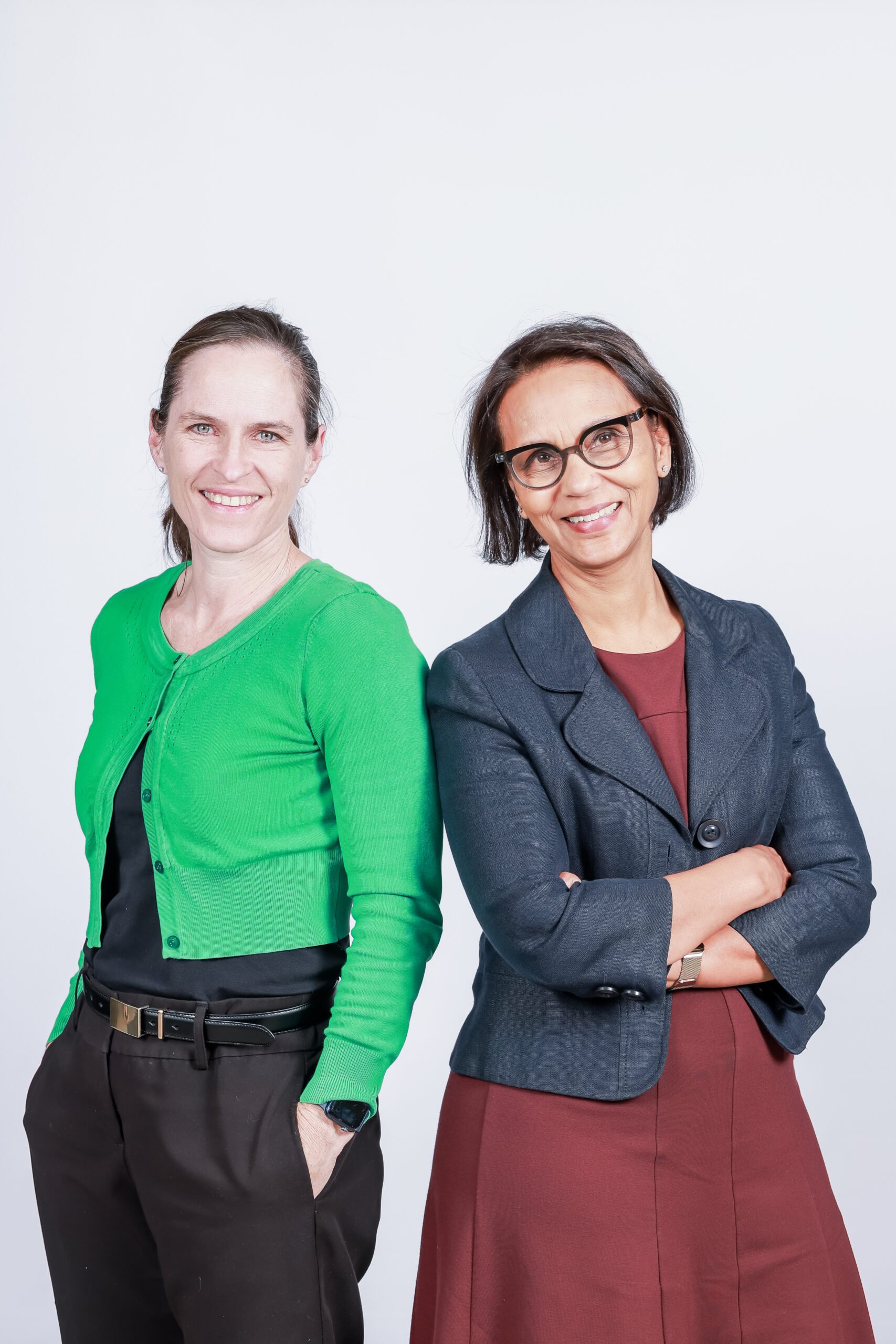
Dr Sheila Cook and Professor Gita Mishra
Dr Sheila Cook is an Endocrinologist and Obstetric Physician who has been practising in Toowoomba for over 20 years. A University of Queensland graduate and former Director of Medicine at Toowoomba Hospital, she has led research into diabetes care and pioneered the Physician in the Practice Clinic, partnering with GPs across the Darling Downs. Dr Cook is passionate about lifestyle-based strategies to improve metabolic health and regularly speaks at public and professional forums. --- Professor Gita Mishra is a leading epidemiologist in women’s health and life course research. She is the founding director of the Australian Women and Girls’ Health Research Centre at the University of Queensland, where she leads major national and international studies including the Australian Longitudinal Study on Women’s Health and the InterLACE collaboration. Her work has shaped understanding of reproductive health and chronic disease risk, with over 500 publications and contributions to national policy, including the National Women’s Health Strategy. A Fellow of the Australian Academy of Health and Medical Sciences, Professor Mishra was awarded the Officer of the Order of Australia for distinguished service of a high degree to Australia or humanity at large and received an Honorary Doctorate at Stockholm University for outstanding academic contributions.