

In this episode of The Clinician’s Guide to Women and Girls’ Health, we explore the life-altering transition to motherhood and how health professionals can ensure new mums feel empowered to thrive, with the right support networks around them during this important time. Building on themes from our previous series The Clinician’s Guide to the First 2000 Days this episode takes a broader lens on reproductive health.
In this episode of The Clinician’s Guide to Women and Girls’ Health, we explore the life-altering transition to motherhood and how health professionals can ensure new mums feel empowered to thrive, with the right support networks around them. Building on themes from our previous series, The Clinician’s Guide to the First 2000 Days, this episode takes a broader lens on reproductive health.
We delve into the continuum of care across both primary care and maternity services, highlighting the critical role clinicians play in supporting women’s physical, emotional, and social wellbeing throughout pregnancy and beyond.
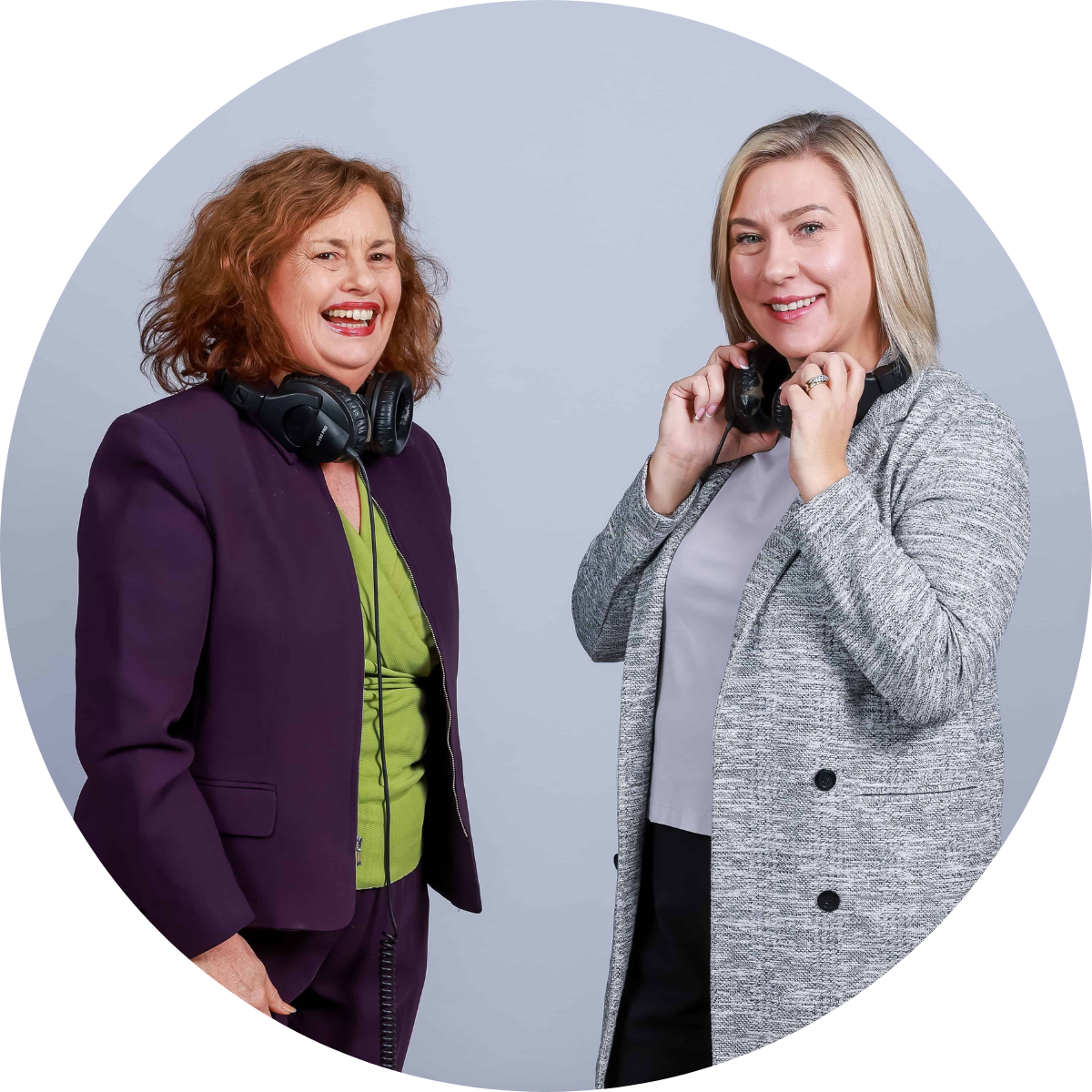
Joining us are GP Dr Kim Nolan, a seasoned practitioner in Logan with over 30 years of experience and a diploma in obstetrics and gynaecology, and Midwife Gemma Macmillan, who brings frontline expertise in maternal care. Together, they share practical strategies and clinical insights to help practitioners better support women during one of the most transformative periods of their lives.
Victoria C 00:00
Health and Wellbeing Queensland acknowledges the Jagera and Turrbal people, the traditional custodians of the land on which this podcast was recorded, and the traditional custodians of the lands and waters on which you’re listening. We pay our respects to the Aboriginal and Torres Strait Islander Elders past and present, for they hold the memories of the traditions, cultures and aspirations of Australia’s First Nations people.
Kim Nolan 00:24
We’re trying to encourage GPs to ask that one key question, are you planning to have a baby in the next 12 months, or is there a baby in your future?
Victoria C 00:34
Hi, I’m Victoria Carthew a journalist, presenter and your host of this series, the Clinician’s Guide to Women and Girls’ Health, brought to you by Health and Wellbeing Queensland, in partnership with the Queensland Government’s women and girls health improvement program.
Victoria C 00:48
From menstruation to menopause and all things in between, including sexual health, wellbeing and ageing, the Clinician’s Guide to Women and Girls’ Health podcast series speaks to leading Queensland experts about how health professionals can have effective, empathetic conversations with female clients, empowering them to take control of their health journey.
Welcome to a special episode in our podcast series. While we are going to focus on reproductive health as it relates to pregnancy, one of our previous podcast series, the Clinician’s Guide to the First 2000 days, had two episodes focused on antenatal care, with a focus on medical care, with a hospital midwife and obstetrician and gynaecologist, as well as a focus on women’s physical health, with an exercise physiologist and an accredited practising dietitian sharing their expertise. These are excellent episodes, and I really encourage you to take some time to listen to them.
Today’s episode, however, is going to focus on reproductive health, more broadly across primary care and maternity services, and to do this, we welcome GP Dr Kim Nolan and midwife Gemma Macmillan. Dr Kim Nolan is a GP who has practised in the city of Logan, south of Brisbane, for over 30 years, and is also the GP liaison officer for Metro South Health. She’s a Fellow of the Royal Australian College of General Practitioners and has a diploma in obstetrics and gynaecology to support her passion in women’s health and pregnancy care. Dr Kim, I’m so glad you could join us.
Kim Nolan 02:13
Thank you for having me.
Victoria C 02:14
Experience in the regions are very well represented throughout this series, so I’m really pleased to welcome – well, her accent means it’s very, very regional – Gemma Macmillan, the Assistant Director of Midwifery at the Office of the Chief Midwife Officer. She’s spent more than a decade working in both Townsville and within Torres and Cape Hospital and Health Service, leading on continuity models of care within midwifery practices. Gemma, it is so wonderful to have you in front of the microphone for this conversation.
Gemma McMillan 02:40
Thank you very happy to be with you.
Victoria C 02:42
See, you’re going to love listening to Gemma throughout the day. So Kim, let’s start with you. This is a, it’s a great, big life step. You know when a man or a woman or a couple come to you for primary care, for advice around conception, falling pregnant, what are the aspects that you kind of kick off with?
Kim Nolan 02:58
Well, what we know is that probably 90% of women and 50% of men have something in their health history that they need to rectify, or in their behaviours or health history that they need to you know, for optimum pregnancy, they need to make changes. And so that’s often a good start. So the first thing with all good medicine is actually taking a history. So what you want to know from this couple is, you know, have they been trying to fall pregnant? How long have they been trying to fall pregnant? Have they had pregnancies before? So is there a history of of pregnancies? And you want to know the outcome of all those pregnancies. How did all those pregnancies go? What you’re looking for, particularly in that history – is is there a history of high blood pressure in pregnancy, diabetes in pregnancy, premature babies? Have they lost any babies? Have there been babies who unfortunately haven’t made it through the pregnancy. So you need all that history to start to counsel them. And then obviously, you want to take a menstrual history. You want to know, you know, how often the periods coming? What are the periods like? Are they painful? Have there been any problems with the periods over time? Are they coming regularly? Are they ovulating? In other words, so you need to take that history. And obviously, you know, unfortunately, people don’t have a huge understanding of fertility awareness. So are they having sex at the right time? So, you know, trying to get a history of where that’s going, and then from both of them, really taking a comprehensive medical family history, because those you know, give you lots of information about how this pregnancy is going to go. So, you know, are there any illnesses in the family? Are there any genetic conditions in the family and trying to, you know, take a bit of a deep dive into their behaviours as well. So are they smokers? Do they drink? Do they use any other drugs? You know, because all that’s important, obviously, for the wellbeing of a pregnancy.
Victoria C 04:32
And is it something that comes up in another conversation, or do people generally, specifically come along and say, Okay, here we are?
Kim Nolan 04:38
Sometimes they do, but that’s pretty rare. Usually, either, you know, we encourage GPs or, you know, I do a bit of GP education, so we encourage GPs to ask that one key question, usually when it’s usually the woman. Because, let’s face it, guys don’t come to the doctor very often unless, you know, they’ve injured themselves in some way. But I suppose, and we should start really talking to guys more about their reproductive health. Because both the College of GPs and the College of O&G actually makes a comment that we really should be addressing men’s reproductive health more carefully, but we very rarely. People plan their insurance and they plan building a house and they plan doing that. But do they ever plan their reproductive health? Probably not, which is crazy when you think about sort of the biggest steps. Yeah. So you know at least 50% if not more, pregnancies are completely unplanned, but very occasionally, you do have a couple coming along and asking, but we’re trying to encourage GPs I suppose, to ask that one key question when usually a woman comes for something else, someone comes for a pap smear, or comes for a pill script and those sort of things, but saying, Are you planning to have a baby in the next 12 months, or is there a baby in your future? Because that’s just initiating the conversation, letting the patient know they can come back at some stage, and usually as a long appointment, because there’s a lot of things to cover, definitely, but just yeah, getting a good picture of, you know, that reproductive life plan, I suppose, of that that woman and or that couple, yeah so once they’ve
Victoria C 05:57
So once they’ve got there, they’ve followed those steps, they’ve seen you, they’ve had the long appointment, they’ve got all the details down, and the woman is pregnant, that’s when we will be both stepping into the scene, because the GP is part of it, and then, of course, referred on to tertiary care. How does when tell me about those steps
Gemma McMillan 06:12
In an ideal world, yes. We would want to think that all women had access to a fabulous GP that they’ve got a relationship with. But unfortunately, that isn’t always the case, and all the towns and locations across Queensland are so varied, so it’s really important that women do know what care providers are available to them.
Kim Nolan 06:31
Like you said, we encourage every family to have a GP, especially if they’re planning a pregnancy, because obviously that should be at the centre of their care that we can then generate from from that central base to whatever services are needed. So, and obviously, those families are going to need a GP. They’ll never see a GP, more than they ever will before. For that, you know, a couple of years after they’ve had a baby. So actually, finding a trusted GP is essential for families at that early stage.
Victoria C 06:56
First trimester does seem to fly, because there is so much going on and you’re always looking for something and for information. Talk to me about those kind of essential screenings and assessments that happen during that first trimester.
Kim Nolan 07:06
We do the basic bloods, which are full blood count, blood group and antibodies. We do rubella screening, so that we make sure the woman isn’t going to contract rubella during the pregnancy. We check for other infectious diseases, so hepatitis B, hepatitis C, HIV. We do a syphilis screen these days, and that’s for every woman three times during pregnancy, because of the increasing incidence of syphilis in the Queensland community and across Australia, in various communities, we do a urine because there is an increased risk of infection, and we want to check for other things in the urine to make sure they’re not at risk of diabetes or getting protein in their urine, which is an indicator, I suppose, of preeclampsia. We often do a dating ultrasound before we write the referral. Because although, you know, women may have dates, and most women these days have an app that tells us when their period was, you know, pregnancy doesn’t always happen on cue, so we want to know fairly, you know, fairly early on. So we often do a dating scan to know exactly how many weeks pregnant they are. And that early dating scan gives the best information as to due date, I suppose. But sometimes it’s too early to do that dating scan, so the best time is probably seven to eight weeks. Women want to get on and get that scan immediately. But sometimes, you know the scan will be ordered, but there’ll be nothing to see. So that’s disappointing
Victoria C 08:13
And that’s a lot of layers. When, at what point in there would they step into tertiary care as well?
Gemma McMillan 08:19
It really depends
Victoria C 08:20
Where you live I suppose.
Gemma McMillan 08:21
Well, it depends on where you live, but it also depends on the woman and family’s preference. You know, as Kim said previously, they might have a relationship with a GP who’s looked after them with previous pregnancies. They might have seen a private obstetrician, a midwife. Maybe they accessed a public maternity service, and they want to request that special person to look after them again. So it’s really important that we listen to that, because women need to feel safe and secure in whatever model of care they choose. But you’re right that first trimester, there’s so much happening. Often women don’t feel like they’re really thriving. And then here we are with, you know, blood tests and ultrasounds and perhaps other types of screening, depending on what’s in that women’s background or the family background. So there’s a lot to cover in that first trimester.
Victoria C 09:09
And it’s time consuming, isn’t it? Well, that’s what I say
Kim Nolan 09:11
I mean, often that what the first visit will do is, you know, give them the pregnancy test, confirm that they’re pregnant, give them the form for the blood test, and then ask them to come back. The other things, as Gemma said, there are other tests to be organised. So there’s a thyroid history, they’ve got to have thyroid function tests, if there’s, you know, if they’re high risk of PET, they’ve got to have various other urine tests and blood tests. They’re diabetes. They’ve got to have an early HBA1c. And the other thing that’s fairly new that we’ve got to include in that screening is, you know, reproductive carrier screening. Ideally, they’ve done that pre conception, but most pregnancies aren’t planned.
Victoria C
So explain. Could you expand on that a little.
Kim Nolan
Well, reproductive carrier screening is a means of screening for the three most common autosomal recessive conditions, conditions where both partners need to carry the gene for the child to be affected. So in Australia, as of the end of couple of years ago now, we’ve been able to do a carrier screening. Usually on the on the woman first, which is what Medicare pays for, to check for carrying the gene for cystic fibrosis, spinal muscular atrophy and fragile X syndrome. I mean, we all carry many abnormal genes, and it’s really just a lottery ticket that the partner that we have got together with may not carry those genes, but now we can test, well, certainly the female first, and if that turns up positive, then we do check the male for the presence of those and that might affect, you know, what’s going to happen with that pregnancy. So, yeah, that’s why, as I say, that can be done pre conception, ideally, because that gives the couple more choices.
Victoria C
Choices, absolutely.
Kim Nolan
Sometimes it can be done in the first trimester, if that’s when they’ve arrived saying that they’re pregnant.
Gemma Macmillan
And that’s why the history taking is so important, because that can often sort of dictate those screening tests and things that you would offer.
Victoria C 10:47
And I guess it really speaks to if you’ve got a GP that you see regularly, that as the GP, knowing your patients and knowing suggesting to them they have all of that stuff in place
Kim Nolan 10:55
And knowing the family too. Because, you know, I have patients because I’ve been there forever now I know their mum’s got diabetes, I know. So those things, obviously, having a family GP has other benefits, and we know it’s good for your health generally. So always wanting to promote everyone having a good GP.
Victoria C 11:10
Conditions, I guess, identifying those risks and you, as you said, you’ve done all that note taking. You’ve looked at all of those family histories, but gestational diabetes, preeclampsia, preterm birth, in terms of someone being high risk in those categories. What are the referral pathways, I suppose, across primary and tertiary?
Kim Nolan 11:25
So GPs will often do the screening for those conditions. So especially gestational diabetes, there’s a list of conditions
Victoria C 11:31
And what is the understanding and knowledge around that? Because every GP working in a different area is going to have different knowledge.
Kim Nolan 11:37
They are. I mean, GPs should be fairly much aware of which patient groups are at risk. But that’s part of GP education, and that’s why we talked about people going through medical school, they’re not going to know all these things necessarily, because a lot of that isn’t taught in medical school.
Gemma Macmillan
You need to be out there
Kim Nolan
You need to be out there, learning on the job, as we all do. So yeah
Victoria C 11:55
And that’s something for you, Gemma, your time you spent in the far north, you would have seen probably a lot more than you’d recognise in the other parts of your career?
Gemma McMillan 12:03
Absolutely, working as a midwife in Glasgow doesn’t look quite the same as when you’re working as a midwife in the remote Torres Strait Islands. Very different demographic and, you know, different challenges, different needs, but I think it’s really important that when women are accessing pregnancy care, nothing is looked at in isolation, because women and families are so much more than what they present with and the risks that they carry. So that’s why it’s really important to make sure that the priorities that have been identified by that family are addressed by the care provider.
Victoria C 12:35
Gemma , I’m quite fascinated. Could you tell me about the work of the Office of the Chief Midwife Officer?
Gemma McMillan 12:39
I would love to. We have a number of priority projects, and some of them last quite a long time. So they’ve either been implemented or they’re in the process of being implemented, and then they’ve got a bit of longevity to them. So we have got specific to our First Nations families. We’ve got the Growing Deadly Families Strategy. They have specific models of care for Aboriginal and Torres Strait Islander women, and quite often they’re based where our priority populations would be, Ipswich, Logan, some rural and remote, and they are just doing amazing things and having great outcomes for those families. We also have the Queensland Birth Strategy. That is a strategy which was designed to address unwarranted variation in pregnancy outcome. By doing that, we also know that we would be tackling things like birth trauma, and we’ve got a climbing caesarean section rate in Queensland, well in the world, and we wanted to implement a strategy that would try to tackle that. So that’s what the Queensland Birth Strategy is doing. The other one that we have is our pregnancy self referral portal. So this was born out of a couple of things, but really because we know that there was sometimes a delay in women accessing maternity care. Maybe they didn’t live in an area where they could access a GP or a care provider, or maybe finance was an issue. Budget was an issue, so we developed a self referral portal so that women could actually refer themselves, and it’s very easy. It’s a form that’s online, and it goes through to the hospital and health service where you’re located, and then they triage that referral and get in touch with you and make you an appointment. It’s, it’s going quite well, considering it’s not that old, but it’s, I think it’s going to get very popular.
Victoria C 14:41
Don’t go anywhere. Our conversation continues after these messages,
Advertisement 14:46
Deadly Choices empowers First Nations peoples to make healthy choices for themselves, their families and communities, to eat healthy food, exercise daily and to stop smoking. Deadly Choices also encourages First Nations peoples to access their local community controlled health service and complete an annual health check, normalising the idea of seeing the doctor, not just when sick, but to remain healthy, access support and prevent or better manage chronic disease. For more information about how Deadly Choices can support First Nations peoples visit deadlychoices.com.au today
Victoria C 15:18
Welcome back to the Clinician’s Guide to Women and Girls’ Health podcast developed especially for health professionals. If we look at the maternal and child health report of the Chief Health Officer in 2022 vaccinations in pregnancy had had dropped. And if you could see him now, her eyes are raised. You know, vaccinations in pregnancy have dropped for influenza, amongst others. What are the implications of stepping away from those vaccinations.
Kim Nolan 15:43
It’s really hard post Covid, I suppose, to get people sometimes to have vaccinations. They’re perhaps, you know, more inclined to have them if you explain, Well, a lot of them are for the benefits of the child. So they’re more likely to have them if they think it’s going to protect their newborn, more necessarily, than they won’t accept that. It’s you know, that they’re at risk necessarily. But obviously they’re being pregnant. Is a risk of influenza. There are high risk of ending up in hospital with pneumonia. Same with Covid, the higher risk outcomes with Covid if you’re pregnant. Almost impossible at the moment to get people to have covid vaccinations, even though, even though we know Covid is back in the community, they’re saying there’s a ninth wave at the moment. So numbers are increasing, especially through childcare centres, which is, again, where many young parents are spending a lot of time. And, you know, children bring all sorts of things home from daycare, including Covid.
Victoria C 16:28
And do you feel as though you are having to re explain to patients about
Kim Nolan 16:31
All the time, all of the time.
Gemma McMillan 16:32
It just seems like such a lot, doesn’t it? When we say to women, you know, we’re going to offer you four vaccines in pregnancy, and the women think, Whoa. Just in my pregnancy, that’s a lot, but when you actually take the time to go through each one of them, and there’s sort of that kind of non biassed, you know, lots of information, let the family and the women go away and have time and really consider their options. The vaccine hesitancy in pregnancy has definitely, notably been on the rise. But as you see Kim, the complications for pregnant women, you know, the likelihood of them catching something in the first place. It’s just so much more for the woman, and then obviously the knock on effect to that baby.
Kim Nolan 16:33
So whooping cough, pertussis, you know, is again, back in even in vaccinated children, there is small numbers of whooping cough in the community. So, you know, really encouraging pregnant women to have that for the sake of the new newborn. It’s obviously most important that the pregnant woman has it because she’s the centre of the family. But you know, encouraging husbands and aunts and uncles and grandparents also to have the whooping cough vaccine. And many women, they won’t let anyone near their baby until they’ve all been vaccinated, which is great, but the majority of patients, it’s sometimes very hard to convince them that they need to have those vaccines and as Gemma said, then there’s another one later in pregnancy, so, but that’s for the benefit of the baby, so they’ll often have that one.
Kim Nolan 17:43
Isn’t that interesting that when it’s a choice not for them but for their baby
Gemma McMillan 17:48
I think it’s important to have conversations where it’s ongoing. It’s not just one and done, you know? So it’s not we talked about that your last appointment. We’re not going to go there again and just revisiting with families to make sure that you’ve answered all of their concerns is is often the key.
Victoria C 18:07
So once things start to ramp up, second and third trimesters are all around. We moved not from just primary care into tertiary care.
Kim Nolan 18:12
I want to put a bid in there for GP, shared care. So many women choose to stay with their GP. And because I, I work in Logan, you know, there’s not a great deal of obstetricians, private obstetricians in Logan. So we’re trying to encourage many women who have a long term established relationship with their GP could often stay with their GP for most of their pregnancy visits in a GP shared care arrangement. So a low risk pregnancy
Victoria C 18:34
Do people know that it’s an option for them?
Kim Nolan 18:35
I think they do. It depends, again, on the service. So across Queensland, that’s an option at many public hospitals
Gemma McMillan 18:42
As a model of care. And you know, when that information is being passed on in the beginning, women need to know about all the models of care that are out there for them, because we don’t want women ending up in a model of care that doesn’t suit them and isn’t really meeting their needs, as you say, if you’ve got that trusted, long term relationship. Great. GP, and the woman says, Oh, actually, I think that’s where I want to be.
Victoria C 19:03
I could honestly imagine that being so incredibly comforting if you had a GP that you had been with for a long time and trusted and where do they access that kind of information around models of care that are available to them?
Gemma McMillan 19:14
We’ve got lots of website information. Queensland Health does a number of, and pregnancy information in Queensland Health can be quite spread out, and not just Queensland Health. I suppose that’s kind of our job is to make sure that women know where that information can be found. You know, we’ve got a kind of a new ish website, and it’s all about supporting healthy pregnancy. And on there, we’ve got information about we’ve got a self referral portal for women who want to self refer for their pregnancy care. So maybe don’t have a GP or live remotely, and they’ve got a fly in, fly out situation with general practitioner. So we’ve got lots of information in different places, but very easy to find. You just have to put the word pregnant, pregnancy, baby, and lots of different things pop up
Victoria C 19:59
I love hearing you say, baby. And I love that people can just google like that for anyone listening, any of these websites that we mention, or papers or any research will be available in the show notes from the podcast. So it’s a great place to be able to access or Google, as you say, Gemma as well. Interested from both of you a big conversation around alcohol and drug use during antenatal care. How you have those conversations, and particularly those that are, you know, having mental health issues or addiction issues. About having those conversations? Is it about saying it’s not about you, it’s about the baby. How do you how do you have those conversations?
Gemma McMillan 20:31
It’s about being mindful that despite those sort of lifestyle challenges that people might be having, there’s still a pregnancy progressing there. And again, I think when you do have that relationship based care, it’s a great opportunity to be having those conversations in a preconception appointment or very early pregnancy and just, I suppose, understanding where families are at and what they might have going on in the background that’s contributing to that current situation. We have a number of screening tools that look at things like smoking in pregnancy, alcohol and other drugs, but we know that women are very clever and might not divulge in a screening tool. It might need to be part of a sort of a ongoing conversation where you bring it back up.
Kim Nolan 21:17
And most hospitals, certainly, there are definitely dedicated midwifery units that, you know, look after patients on a much more one to one basis. So midwifery group practice where there’s one or a couple of midwives that are involved in the care of those patients, whose job is really to, like, really engage those particular patients and and keep them coming back and chase them up if they don’t come for appointments, even arrange to see them at, you know, not necessarily at the hospital if necessary.
Gemma Macmillan
Where the women are
Kim Nolan
Yeah, where the women are, go to the women, rather than women come to them. And you know so much so that you know and are about harm minimisation will will take into account whatever the woman is taking, make sure that when they go into hospital, the particular drugs, so that they don’t go through withdrawal, are available through the hospital pharmacy. Can take them on a tour of special care if they think that their baby’s going to go through a withdrawal. So it’s really a much more individualised, one on one care that that a lot of the hospitals are able to offer women who’ve got, certainly, substance use problems.
Victoria C 22:18
It strikes me that, over time, the role of the midwife and the jobs that you do has really grown, hasn’t it? And changed
Gemma McMillan 22:24
It really has. I’m not sure if it’s changed or if we’re just recognising it more, maybe, but yeah, the midwife is there from, you know, preconception, until that baby is around six weeks old, particularly in the model that Kim’s just described, which is midwifery continuity of carer. And I think that just going back to how do you have those conversations – It’s really important for women to know that you’re there for them in whatever capacity that looks like. And we do have midwives who will meet women at the playgroup, who will meet women at the daycare, you know, maybe at a friend’s house, because that’s an easier place for them to be. And once you have identified the individual needs that that family, that women has, it’s about wrapping services round about them.
Victoria C 23:11
In a completely non judgmental way, so accepting who they are and helping them get the best out of their pregnancy and the best for their baby.
Victoria C 23:27
I almost felt this relief when you said that, because that’s the hardest thing for every element of pregnancy, whether that, whether whatever path you’re on, there’s this huge area of judgement, isn’t it, particularly in this era when everyone feels as though they know everything?
Gemma McMillan 23:29
Yes, absolutely
Kim Nolan 23:31
None of us know everything. I’m taught something by my patients every day
Victoria C 23:34
From a healthy habits perspective, can you talk to me about some of the dietary recommendations you provide individuals at this stage?
Kim Nolan 23:41
For the first 12 weeks of pregnancy, we definitely want women to have adequate folate intake that can either be folic acid tablets or since about 2009 folate’s actually been added to wheat flour in Australia as part of the Australian New Zealand Health Standard for that purpose, so that pregnant women are getting enough folate. But we still recommend folate supplements in those women, and in women at high risk of neural tube defects, which is spina bifida and other brain development conditions, those women might need higher dose of folate. So that’s where family history, again, is very important.
Speaker 1 24:04
Do you know that was one of those things? If I think about back to that time when I was thinking about getting pregnant, it was all about folate. That was the one. That was the one
Gemma McMillan 24:18
Yeah, pregnancy vitamins
Kim Nolan 24:19
Yeah.
Gemma McMillan 24:19
And I think, again, thinking about those relationships, it’s really important that the language doesn’t negatively impact the women. So women have phenomenal insight, and quite often, you know, they already know before you’ve started the conversation, the things that they don’t want to tell you. And that’s okay, too, but we do have a number of resources in primary care and in this sort of more tertiary setting that we can give women to take home. So there’s like, you know, brochures that can help guide nutrition in pregnancy, your healthy pregnancy, or healthy eating in pregnancy, and all of them are available online as well, because we don’t like to send women home with bundles of leaflets anymore.
Kim Nolan 24:57
I’ve got a poster on my wall Your Healthy Pregnancy.
Victoria C 25:07
What else is on that poster for us Kim?
Kim Nolan 25:13
Well, iodine is the other one. Iodine is important for thyroid development, brain development. We’ll talk about that as well. But women need to be taking an iodine supplement.
Gemma McMillan 25:27
And understanding what families have access to is really important. Again, that can be location, budget, culture dependent, but having the conversation where the women and the family are letting you know what they have access to what is in the weekly budget. I think that’s really important when you’re having conversations around eating and pregnancy.
Victoria C 25:46
And I suppose as well, what they’ve got access to, what they can cook, how they’re feeling, what they can do, you kind of need to be realistic, don’t you, as well about what they environmental factors, I suppose, impact on what they’re able to feed themselves and their families.
Gemma McMillan 25:58
And we have a real cafe culture in Australia, we start to talk about, Oh, you know, how many coffees a day? And, you know, sometimes you just see women’s faces drop because they think, ‘don’t tell me’. But it’s often not about that. It’s just about maybe curtailing a little bit, or maybe you could have a decaf. Or, you know, whatever is acceptable and manageable
Kim Nolan 26:21
And manageable. That’s right
Victoria C 26:22
Let’s talk about physical activity, because we know that it’s just incredible now what exercise can do, but you’re choosing the right stages of pregnancy to be choosing the right type of physical activity as well
Gemma McMillan 26:32
I think you know what women did pre pregnancy or do pre pregnancy is always a big factor in that conversation, because they will want to continue that to some extent. And sometimes it’s about testing the body and see what it’s able to do. And again, it’s a sort of an individual discussion and assessment of what’s manageable
Kim Nolan 26:56
And obviously not overheating, drinking enough water, all those things while they exercise Queensland, yeah. So trying to get them to take care of themselves while they’re exercising, but not jumping out of planes or anything too extreme, because there are risks associated with that. So you’re not not water skiing or, you know, there are various things you shouldn’t do while you’re pregnant, but most general exercise is fine, and we recommend 150 minutes or so a week, which is, it sounds like a lot, but when you break it down into, you know, you know, five sessions of 30 minutes or something, which is taking the kids to the park and throwing a ball around, or trying to just keep them moving. Yep.
Gemma McMillan 27:30
And I think understanding the relationship between movement and feeling good in your pregnancy, rather than being stagnant and starting to get stiff and sore and uncomfortable. Sometimes that can be a really good conversation to have and for women to understand. It seems more manageable when you when you do break it down into what is an everyday sort of activity.
Victoria C 27:52
I guess we all want to get it right don’t we? We all want to be doing the right thing and following all of the rules and the boundaries, and it’s easy to feel some kind of shame if you’re not perfect, if you’re not getting it exactly right through pregnancy. So are there sort of things you can do to really foster that, like, we don’t want to be judgmental, we want to be with you and be supportive on this. How do you go about that, from a from a care perspective?
Gemma McMillan 28:10
There will be, I suppose, that kind of lead in period, if you haven’t worked with this family before. I think if it is a continuity model with midwives, there’s more of an opportunity there to have sort of appointments at home, appointments out with that sort of clinical setting where families feel really comfortable because they’re in their own surroundings. There’s no time pressure. The midwives come to them, and that kind of care appointment, to some extent, can be driven by them understanding what the family’s motivations are, if they’ve got any concerns
Kim Nolan 28:42
I was just going to say there are changes that are going to happen, but that’s all part of being ready and being able to have this, this baby in your life.
Victoria C 28:49
Do body image issues come up in pregnancy very often?
Gemma McMillan 28:52
They do yeah
Gemma McMillan 29:42
Weight stigma. I know we’ve seen quite a bit of research coming out now. You know women who have curtailed eating and had eating disorders, and women who are perhaps considered overweight, it can be exceptionally confronting. And then when you have these huge changes in your body and you. Even in planned pregnancies, you know, the women’s just not prepared for the changes and how they make her feel. You know, they want to be excited about this pregnancy. They want to be excited about bringing this baby home, but are having real challenges and clothes not fitting, and at appointments being asked to step on scales, or maybe if you’ve had your blood pressure taken and someone’s had to go and get a bigger blood pressure cuff that can all feel very personal, and so as a care provider, it’s really important that you say ‘we’re just here to meet you where you’re at and have the best outcomes for you’.
Victoria C 30:34
Because this, a pregnancy is a moment in time in their life, and they’ve come to that moment in time with a history and a story behind them and what they’ve experienced. So I guess identifying those at risk of perinatal mental health issues is a huge part of the roles that you both play.
Gemma McMillan 30:49
We do a lot of screening around perinatal mental health. There’s certainly much greater recognition now of the mental health concerns that women can have pre pregnancy and that can come with them through pregnancy, certainly postnatal I think, you know, things like postnatal psychosis, postpartum depression, I feel like they’ve perhaps had a little bit more time in the spotlight. But more recently, you know, we’ve been talking a lot about antenatal stress and anxiety, different things for different women, it can be very, very extreme in some women and other women, it might be more subtle, but regardless, we do screen for those conditions.
Kim Nolan 31:28
So it’s screened at various times throughout the pregnancy, both with their GP or with the midwife, and then certainly postnatally. I mean, there’s various depression various scores that we use. One is the Edinburgh from Scotland, Edinburgh Postnatal Depression Score, but there’s Australia, New Zealand risk questionnaire that’s also got factors in that that looks at their social background and their domestic violence, so other issues that are going on in the family, and we use those quite often and try and link them in then, I mean, if there are concerns, obviously, if there’s extreme concerns, we’ll link them back into the hospital for mental health support. But otherwise, linking them in with other organisations that can support them. And there’s quite a few of those around, both locally and then various websites and national and national resources that we can link women into.
Gemma McMillan 32:10
And the numbers are not insignificant. I mean, one in five women, one in 10 men. We can’t forget about the men in this discussion as well, because that is certainly been coming out more and more. And I think that we’re quite well placed when you’re providing pregnancy care to be able to look after the family. So, you know, screening for mum at various points, as Kim said, but not to forget about dads.
Kim Nolan 32:36
And again, back to having the family GP, if the GP knows about it. You know, we’re trained in various mental health skills, we can get access to psychologists through a mental health care plan, or we can get them to there’s an organisation called COPE – Centre of Perinatal Excellence – which has, you know, the woman, or the guy, can actually get an SMS once a week that sort of guides them to where their mental health should be going, and how are they ready to cope? Basically, ready to cope, to be new parents
Gemma McMillan 33:01
Be new parents. Yeah. We also have other tools for specific cultural groups. So we have a thing called the Kimberley Mums Mood Scale, which we used for Aboriginal and Torres Strait Islander women. There’s another programme in Western Australia that we’ve had a look at for Queensland. It’s called Baby Coming. Are you ready? And these screening tools are just more appropriate for people of Aboriginal Torres Strait Islander descent.
Victoria C 33:25
And we’ve talked quite a lot across the series around trauma informed care and how you approach that, particularly in fertility and pregnancy care, everything is heightened. So where does all of this play a role? I guess some of those systems and supports that you’re talking about will play into trauma informed care as well.
Gemma McMillan 33:40
We had a really good discussion, some colleagues and I, a few weeks back about trauma informed care and the fact that providing care through a trauma informed lens doesn’t harm anyone, so why not use it for everyone? And yeah, it’s often identifying that someone has a need is just the very, very beginning, but then being able to provide the right supports and wrap those supports around that person is in many ways more important, because that’s where addressing the issue really comes from. We have some amazing non-government organisations, as well as some great services within Queensland Health, but just tapping into the right one for that person, and sometimes it’s not the first one. It could be the second or third
Kim Nolan 34:22
Finding what fits.
Victoria C 34:23
And I guess community connectedness. You know, getting your helping your families, reach out to, or your women, reaching out beyond the little, tiny family is really important, isn’t it, because they’re going to need those, those people afterwards as well.
Gemma McMillan 34:35
Yeah. What was it we say? The degradation of the village. Years ago, you know, we had the village, we had our mum, we had our sisters, we had our mother in law, and now we all live quite far away from each other. Well, I certainly do.
Kim Nolan 34:48
We live in our little shoe boxes.
Gemma McMillan 34:50
We do
Kim Nolan 34:51
Just over the fence from other families, but we don’t have anything to do with them.
Gemma McMillan 34:54
Yeah so connection is so important when you’re pregnant and when you’ve got a new baby, And often it’s the first thing to go because people are busy, you know, they want to stay home. They want to sort of keep the other children, kind of contained in an area that they can see them. And you know, things feel more manageable, but connecting with others and community, whether that be mums groups, walking groups, there’s great advertisements I see at the park all the time for a dads with kids. And it’s, you know, dads that are maybe having some parental leave whilst mums return to work or whatever. And they meet once a week, and they have like, a sort of a play date with the kids. And there’s things like Steaks with Mates, which is a men’s mental health group for sort of new dads and who just want to talk to each other, but really it’s about recreating that village for yourself.
Victoria C 35:47
You’re listening to the Clinician’s Guide to Women and Girls’ Health podcast. Stay with us as our conversation continues after this short break.
Advertisement 35:56
Connecting2U is a free text messaging service that provides timely information, tips and health check reminders for new Queensland parents and carers to keep their child healthy and strong. Encourage parents and carers who are in your care to sign up for free weekly text messages with information, tips and health check reminders for the first five years of their child’s life. Find out more at childrens.health.qld.gov.au
Victoria C 36:22
Thanks for listening. Now, let’s return to our conversation.
Victoria C 36:25
You both have incredible experience with communities, priority communities who face particular challenges. Tell us about some of the barriers to care and access and be it, cost of living, are the barriers for some of those priority communities
Kim Nolan 36:40
Thinking about support, I mean, the Pasifika community in Logan has a huge support network. So they they have a wonderful support network in their own community, though, some people you know don’t want to be attached to that, even though they are that background, but reconnect with some sort of support organisation that is of their culture is very important, even starting from as early as, you know, going to a Breastfeeding Association meeting or something like that, but actually meeting other mothers who are at the same stage of of their pregnancy, and that, that’s for all women, but you know, especially those from other cultures
Gemma McMillan 37:12
And other priority groups as well. So we have our First Nations community, you’ve obviously mentioned, the Pasifika community, and then we think about our culturally and linguistically diverse communities, of which we know in Australia, we have many, and then our rural and remote and isolated communities, that’s a whole other set of needs, our LGBTQI+ communities, people with neurodiversity. There is so much out there, and I think that’s why it’s really important. And Kim and I would probably plug this till the cows come home – is individualised care. We can’t have this, you know, everybody gets the same because then we don’t have equity. So when we’re talking about priority populations and priority communities; close to home, is always preferred, and understanding those challenges. So as you said, things like geographical will always be a big one, but then comes with that the financial barrier. How do you access care, and where are you going to get it from? And then often taking people away from their main support, which is their community, just to access care. And we see that in maternity all the time with the closure of rural birthing services. Unfortunately, that means that if your town has no birthing service, or it’s on bypass, then you have to go to the nearest one, which can be a plane ride away, can be hours drive away, very considerable issues for those communities to try and overcome that. So, yeah, access is huge.
Victoria C 38:39
In terms of red flags, I’m wondering what you would see and what would present to you that you’d be particularly concerned about or worried about when you’re having your appointments. There any that stand out, particularly anything that would be worrying you if you saw it?
Kim Nolan 38:49
Well from medical conditions, I suppose you know, women who’ve got many risk factors for preeclampsia would send shockwaves into me, but also making sure that I’d communicated that when I wrote the referral to the hospital, that they were aware of those red flags, and we know in those women, you know, starting aspirin early is something that we need to do. So being aware of when to start that and that can be started by us and then continued with the hospital. But, but, you know, being alert, I suppose, to those conditions that can become very quickly serious during pregnancy, later on in pregnancy. Again, taking a careful history is part of that. The risks of pre term birth, so again, taking a careful history, carefully looking at the morphology scan, to look at the length of the cervix, deciding if you need to start progestogen to prevent or minimise the risk of pre term birth. And obviously then the gestational diabetes concerns, which there’s a lot of in Queensland, but yeah, just being aware of those risk factors and guiding those women and for GPS as well for those women and the women who’ve had preeclampsia, making sure that those families and women understand that those conditions predispose them to many health conditions later in life, so they’re red flags that you know are mind to help them through after pregnancy as well. So they’re certainly red flags that I watch out for to make sure that we’re doing regular blood pressure, to make sure that their cardiovascular risk factors are all kept in check, to make sure they don’t gain excess weight. And often that’s between pregnancies as well. So trying to keep that energy going and talking with them, you know, fairly soon after a baby, or we say, you know, within nine to 12 months about Well, are you planning another pregnancy? So getting ready for the next one, because those conditions are probably going to recur. So just keeping that in women’s minds
Victoria C
And from your perspective Gemma – red flags you’d be looking for?
Gemma Macmillan 39:04
I wouldn’t necessarily say that I go looking for red flags. We do have a few things that will stick out, you know, as Kim’s mentioned, but what I would be particularly concerned about would be things that are causing concern for the women or for the couple. That’s often part of the conversation that we have -different parts of pregnancy. What is it that is causing you concern? Or do you have questions that you want to ask me that? And there’s no question that’s a silly question. If I don’t know the answer, I can get it for you, because, as we said at the beginning, we don’t know everything.
Victoria C
Course you do!
Gemma Macmillan
We honestly don’t, but we often know where to get that information, which just sort of puts families at ease. So yeah, red flags for me would be whatever the women or the family identifier concerns for them.
Victoria C 39:31
So much of this is about not waiting until something terrible happens. It’s about prevention and early intervention isn’t it?
Kim Nolan 39:31
It is indeed. So yeah, being aware of those things that you know, you do need to pick up early preventing things before they happen, as you say, and reach those people who haven’t necessarily engaged with health services before, so trying to encourage them that you’re on their side. I mean, with young people these days, there’s GPs now, who go into a whole number of Queensland schools. So that’s getting them used to having going and seeing the GP. So GP in the school, you know, one day a week that they can go and talk to.
Victoria C
And that interaction with the healthcare system at a young age is so important.
Kim Nolan
t is and knowing they can have their own Medicare card, and it’s all private and confidential. So talking about that with with young people, particularly who wouldn’t necessarily access medical services without mum or dad with them, but yeah, and then understanding I suppose that there are plenty of other services available for people from other cultures. So as Gemma talked about, there is.
Gemma Macmillan
BIOC – Birthing In Our Community.
Kim Nolan
In our community, so that’s for the First Nations communities. So again, supportive organization. In our area, there’s a CALD midwifery group practice, so, but a whole lot of resources also available in that service, really, you know, not only pertaining to pregnancy, but pertaining to, you know, being able to live in Australia, basically. But you know, people who who haven’t necessarily had a lot to do with Australian culture, but helping them to find what they need to again, have a healthy pregnancy.
Gemma McMillan 40:09
Navigating the health system is hard enough, but when it’s not, it’s not from your cultural background’s viewpoint, it’s a whole other level of complicated. So sometimes it’s about helping women and families navigate that system so that they can get all the care that they need. And it might be that the woman’s never had a GP before, but she’s come in and she’s had a baby, and the first thing we say is, you know, can you give me your GP’s details so that I can send them this discharge letter and let them know that you’ve had a baby? And that’s an opportunity to connect them with a GP.
Kim Nolan 40:09
Well there are some GPs in some communities who have knowledge of that culture, so they’re obviously ideal for those women, but they obviously can’t see all the women in those cultures. So it’s, us getting to know a little bit about that culture as well, and trying to support those families.
Victoria C 43:24
And I was thinking about emotional wellbeing, because you also want them to enjoy it. It is a special time of life. It’s an extraordinary time of life. But if you can set them up well through the pregnancy, then that’s for the afterwards as well, isn’t it? Because life continues. The baby comes, and then it’s real life. So you’re also helping set them up for that time once the baby’s arrived?
Gemma McMillan 43:40
We want to make sure that families are mentally and physically well, because when that baby comes along, yeah, of course, there’s a baby born, but there’s also a mother and a father created. You know, if that’s their first, their first baby, and that family unit needs to be well, so navigating the pregnancy, not fear mongering women, you know, as a normal life event, although women might have complications that mean that they need more sort of close investigation, more tests and screening and so forth, as we’ve spoken about, but really ensuring that when women come to the other side, to that postnatal journey, they’re ready to mother. They’re ready to provide everything that that baby needs, but also that they’re looking after themselves. We feel a huge amount of responsibility, because that’s hugely important. We don’t ever want anyone to leave our care and feel broken or that – “Well, that was great, but I didn’t get anything out of it”, you know, like, “thanks for that”. That was, you know, we really want to make sure that when women leave our care, as in, you know, they might have the baby in the hospital, baby at home, and then they’re discharged from midwifery services, or the pregnancy care with the GP is finished, that they are set up. You know, they’ve got everything at their disposal to go forth and really enjoy that time with their new baby
Victoria C 45:01
I feel like anyone with Team Gemma would be feeling set up because you’re so positive and, you know, inspirational, Kim
Kim Nolan 45:09
We try and keep our patients, you know, inspired. So I’m always congratulating them when they come back with their new baby, as I say, if I’ve looked after them during pregnancy or not. So the first thing you do is welcome and welcome, you know the family, because you know you may have seen the husband at the start, you might have said, or the male partner at the start, or the partner, because it may not be a male but the partner at the start and at the end, but, yeah, welcoming that family back into our practice.
Victoria C 45:42
Ladies this has been such a valuable and informative conversation before I let you escape the microphones any final thoughts or words?
Kim Nolan 45:43
I know this is to get to health professionals, but I want all professional, all health professionals to encourage every family to have a good family GP, that they trust and that they are comfortable seeing for for everything, because that’s what our job is.
Gemma McMillan 46:03
And I would really encourage health professionals to if they’re a little bit hesitant about pregnancy care and it’s maybe not their favourite thing. There are lots of us who will talk about it all day, every day, and phone a friend, phone a friend if you need any support help. There’s there’s lots of people out there who can provide support and just make sure that your patients know what’s available to them and don’t keep them in the dark
Victoria C 46:26
You are both tremendous, Dr Kim Nolan and midwife Gemma Macmillan. Thank you both so much for being part of this wonderful conversation.
Gemma McMillan 46:31
Thank you.
Kim Nolan 46:33
Thank you.
Victoria C 46:36
Today, we’ve been talking to Dr Kim Nolan and Gemma Macmillan about preventive health within antenatal services and primary care settings. For more information and show notes from today’s episode, visit the Health and Wellbeing Queensland website at all the w’s.hw.qld.gov.au If you’ve liked today’s conversation, be sure to subscribe for future episode updates. We’ll see you next time on the Clinician’s Guide to Women and Girls’ Health.
Meet our guests
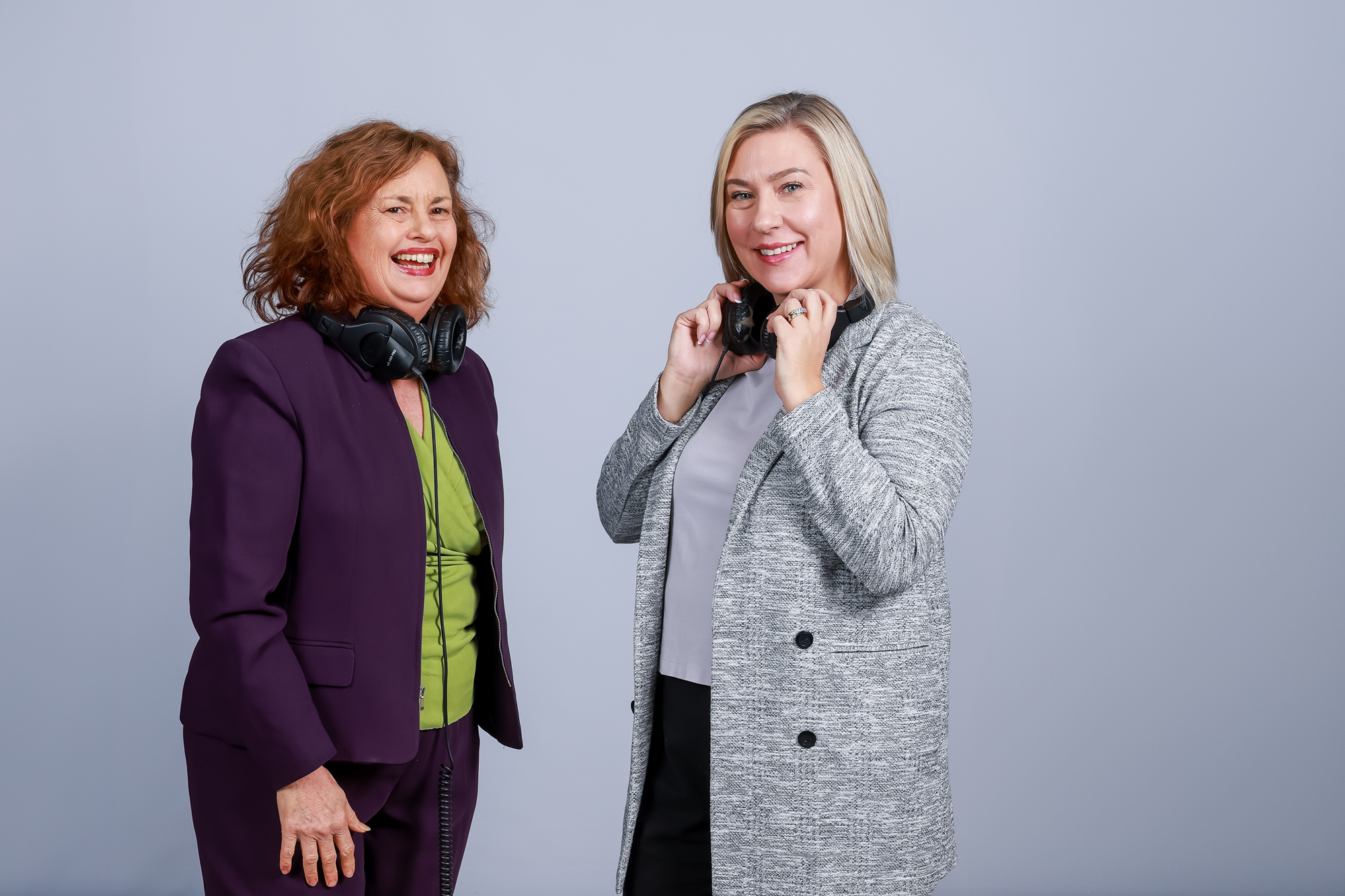
Dr Kim Nolan and Gemma Macmillan
Dr Kim Nolan is a highly experienced General Practitioner who has served the Logan community, south of Brisbane, for over 30 years. As the GP Liaison Officer for Metro South Health, she plays a key role in connecting primary care with hospital services. A Fellow of the Royal Australian College of General Practitioners, Dr Nolan also holds a diploma in obstetrics and gynaecology, reflecting her longstanding commitment to women’s health and pregnancy care. --- Gemma Macmillan is the Assistant Director of Midwifery at the Office of the Chief Midwife, bringing over a decade of experience in advancing midwifery care across Queensland. Her work in Townsville and the Torres and Cape Hospital and Health Service has focused on leading and implementing continuity models of care, ensuring women receive consistent, compassionate support throughout their pregnancy journey.