

In this episode, our experts unpack how trust and connection can shape a young woman’s journey into adulthood. We spotlight the power of open, honest conversations around mental health and wellbeing – and why breaking the stigma around asking for help is essential to building resilience, confidence, and self-awareness.
In the fourth episode of The Clinician’s Guide to Women and Girls’ Health, we take a deeper look at the mental and physical health of young women as they transition from school into their 20s. Building on our previous discussion of reproductive health, this episode explores how trust, connection, and open dialogue can shape a young woman’s journey into adulthood.
Our guests – Accredited Practising Dietitian Lauren Pearson and psychologist Hayley Archbell – share their expertise on topics including disordered eating, trauma, neurodiversity, and emotional wellbeing.
Together, they highlight the importance of breaking stigma around mental health, and how compassionate, person-centred care can foster resilience, confidence, and self-awareness during this formative stage of life.
Victoria C 00:00
Health and Wellbeing. Queensland acknowledges the Jagera and Turrbal people, the traditional custodians of the land on which this podcast was recorded, and the traditional custodians of the lands and waters on which you’re listening. We pay our respects to the Aboriginal and Torres Strait Islander Elders past and present, for they hold the memories of the traditions, cultures and aspirations of Australia’s First Nations people.
Hayley A 00:23
Mental health is just as important as your physical health, so it’s something we’ve really got to take care of and instill in our children from a young age.
Victoria C 00:33
Hi, I’m Victoria Carthew, a journalist, presenter and your host of this series, the Clinician’s Guide to Women and Girls’ Health brought to you by Health and Wellbeing Queensland in partnership with the Queensland Government’s women and girls health improvement program. From menstruation to menopause and all things in between, including sexual health, wellbeing and ageing, the Clinician’s Guide to Women and Girls’ Health podcast series speaks to leading Queensland experts about how health professionals can have effective, empathetic conversations with female clients, empowering them to take control of their health journey.
Victoria C 01:11
Welcome to our fourth episode focusing on women from school leavers through to their late 20s. Our first episode focused more specifically on their reproductive health. And this episode, we’re going to deep dive into women’s mental and physical health at this age stage. To do this, we welcome accredited practising Dietitian Lauren Pearson and Psychologist Hayley Archbell. Lauren is an accredited practising Dietitian with postgraduate qualifications in mental health counselling and extensive experience in eating disorder care. She works clinically with a holistic, trauma informed and person-centred approach, considering not just what’s on the plate, but what’s around it. Lauren is currently undertaking a Master of Philosophy and PhD at the University of Queensland, exploring the role of nutrition in eating disorder recovery. Lauren, thank you so much for joining us.
Lauren P 01:59
Thanks so much for having me.
Victoria C 02:01
Hayley Archbell is a registered psychologist with a deep passion for supporting children, young people and families navigating trauma, neurodiversity and complex life challenges, with vast experience in working with child safety and families at high risk. Hayley brings a compassionate, practical approach to topics such as ADHD, autism spectrum disorder, anxiety, depression and building resilience in children. It’s great to have your company and expertise Hayley.
Hayley A 02:28
Thank you so much for having me.
Victoria C 02:29
So I’m going to start with you, Hayley, considering those, all those things I just mentioned, the really high rates of anxiety, depression and stress reported in young adults, what are some of the unique ways these conditions could manifest, and we’re talking 18 to 29 year olds, particularly when they’re transitioning from high school to university or careers, the big wide world.
Hayley A 02:48
Yes, such an important question. So when we think about this age group, 18 to 29 we’re seeing like a real change during the transition from leaving the home, entering the workforce, uni. It’s massive. And what we can see is this can be marked by a lot of developmental stuff that’s going on. But as well as that is there’s a lot of life stresses that this brings for these young people, and what that looks like is academic pressures, a lot of more academic pressures that they are having to deal with. There’s a lot of things like substance abuse that can occur, risk taking behaviours, we can also see social withdrawal and isolation. So, you know, young people keeping to themselves, not wanting to connect with others,
Victoria C 03:32
Because as they step out of school, they’ve got a natural cohort at school, then they’re stepping out of that, aren’t they?
Hayley A 03:35
Absolutely so stepping out, it might be about forming new friendships, navigating uni, navigating the workforce. They don’t have their families necessarily to help them to do this. They are now taking on that responsibility on their own. That in itself, brings a massive stressor for these young people. And what we can see as well is we can see that this can bring some physical symptoms to these young people so things like difficulty sleeping, changing appetite, not really exercising, moving, because they are dealing with all this extra stress, those healthy coping mechanisms now can become unhealthy coping mechanisms.
Victoria C 04:15
I know we’ve got a lot of fellow clinicians listening. They’d love to know how you facilitate, I guess, open conversations around mental health with young adults, are there some common barriers to those kinds of conversations with this age bracket?
Hayley A 04:26
Absolutely, so with this age bracket, it can be really tricky. There can be a lot of stigma associated with this age group, and so some of the ways that we try and promote that is we want to we want to build real rapport and trust with the young adult. And so from my experience in clinical setting, what that often looks like is taking a lot of time to make the young person feel comfortable. They need to feel comfortable. You need to have that rapport with them. Because if you don’t do that, you’re going nowhere. And so, what this could look like is, traditionally, we would not maybe sit in a clinical room. We might go for a walk or grab a coffee, because this is something that a young person might feel more comfortable with. They worry about things like confidentiality, privacy, being labelled with a condition, but they need a space to feel trust and support, that’s the most important thing.
Victoria C 05:23
So you’re adapting as a clinician to the situation as well.
Hayley A 05:25
Absolutely. So I’ve had young people who are very nervous and often don’t maybe want to do therapy, and I’m bringing forth an approach that’s non non clinical language, but more of like an everyday support person for them.
Victoria C 05:41
Lauren, you would strike people in the same exact same thing, not wanting to talk. And how do you start those conversations?
Lauren P 05:46
Absolutely, I think I really prioritise, like Hayley said, to get to know the young person that’s in the room. Start by asking them about things that they’re passionate about or interested in. We might make reference to things in the waiting room or current situational topics of interest. I think I always try and prioritise leading with curiosity and without, you know, conflict or criticism or judgement. And I think that that’s something that I reiterate to other clinicians that you know we supervise.
Victoria C 06:16
Earlier in the series we talked about at the younger age bracket and we know that adolescent girls that kind of 15 to 17 report really high levels of psychological distress. How does that experience and can it continue into into young adulthood as well?
Hayley A 06:29
Absolutely, so that is a very critical phase of life. There’s a lot of change going on, marked by brain maturation, identity development. So this can really, I guess, lead the way for that young adulthood. And what we see is that if adults are really struggling at that age, we can see a continuation going into adulthood, if there are no support or treatment that the young adult is receiving. So what this can look like is manifestations of some mental health conditions. We can see children struggling, young people struggling with emotional regulation difficulties. I see this a lot with the young people that I work with. If they’re not able to get coping mechanisms or manage that at that age, that then makes it really tricky for them to go into uni, workspace, graduation, where they there’s more life stresses, and it’s really tricky to manage. So focusing on emotional regulation, you know, that’s critical.
Victoria C 07:27
Absolutely, I’d love both your thoughts on some of the psychological underpinnings. So you know, societal, social media, mental health, self esteem, body image, there’s sort of a whole bunch of stuff sitting underneath it, isn’t it?
Hayley A 07:38
So when we think about some of the psychological underpinnings, there’s a few quick theories I’ll talk about, and I’ll explain those very briefly. One that we can think about is a social comparison theory. And when we think about this, this is the concept of always comparing ourselves to others.
Victoria C
Impossible not to in this current world we live in.
Hayley A
Absolutely social media doesn’t help with that. With that being in the forefront of this age group, we’ve got this constant comparing, constantly comparing, that’s really does not help with things like body image, low self-esteem, worth, all those things.
Victoria C 08:13
Which slides straight into you. Lauren, doesn’t it? Because that’s exactly that’s your wheelhouse.
Lauren P 08:17
Yes, definitely. I think social media really impacts, also opens the door for things like bullying and harassment around image as well. And we know that there has been some really great evidence to suggest that young people need to be building resilience and self-efficacy and self-esteem and social media literacy. So I think those are skills that we really focus on in treatment. There are some fabulous treatments out of the UK, the FREED intervention, which is specifically focused for the early identification and treatment of eating disorders in in young people in this age bracket. And one of the priorities in that treatment model is around social media literacy.
Victoria C 08:53
You just, I guess, touched on it there. But in this age bracket, are there more common psychological issues around body image, that sort of thing, and body dysmorphia that we see specifically in this age group?
Lauren P 09:02
Yes, I think that in my clinical experience I work in the eating disorder space, I’m absolutely saturated by young people who are struggling with body image issues and eating disorders. We know that eating disorders are most likely to occur in that mid to late teens, and so as they’re entering into those early adult years, if early treatment hasn’t been initiated in adolescence, navigating the treatment space as a young adult by yourself can be really, really challenging.
Victoria C 09:30
Are there red flags we should be looking for? I mean, I think for both of you, and I suppose that’s where the two, your two professions, actually almost intersect, don’t they as well?
Hayley A 09:38
Absolutely, there are definitely red flags that we should be looking for when we think about this. So some of the key early warning signs for young adults there is emotional signs, so things like not coping emotionally like a persistent sadness, feeling of hopelessness, increased worry, trouble concentrating and focusing on what’s going on for the young person at that time. There’s also the physical signs and behavioural changes. So when we think of that, we’re looking at changing sleep and appetite. I see this a lot for young people. Fatigue, a withdrawal from social outlets, social connections, from other people.
Victoria C 10:16
And it’s easier at this age to do that, because you don’t necessarily, you’re entering new phases of life. That’s so what you’ve always had isn’t necessarily there.
Hayley A 10:24
Absolutely. What I want to reiterate, though, is that these the we can think about this in two ways. There’s early warning signs and then there’s critical red flags. Early warning signs are, you know, some of the things that I’ve just addressed, critical red flags would more be things when we’re really concerned about the young person’s mental health, so we’re thinking about things like self-harming behaviour, suicidal ideation, and in that case, that is where we have to act immediately.
Victoria C 10:50
Lauren, your thoughts on that in terms of what you’re seeing?
Lauren P 10:53
Yeah, I think when we were speaking about this earlier, I was talking about some of the behavioural and physical signs that we really notice as dietitians in this space, and those might be any of those kind of, you know, appetite, sleep, fatigue, really becoming obsessed with weight or dieting. Interestingly, a lot of gastrointestinal disturbances come up as a bit of an amber red flag for us as well. It signals, you know, that gut brain axis might not be working as well as it could, and can be an early indicator that we need to engage in some mental health or psychological support.
Victoria C 11:26
Because that’s also something that can continue through life, isn’t it?
Lauren P 11:28
Absolutely. That autonomic nervous system disruption can be really profound in young people, and so often what we see in the clinical space is young people presenting with gastrointestinal discomfort or upset being referred by a gastroenterologist or a GP for management of those conditions or diagnosed with irritable bowel syndrome. And really, once we start digging, it’s more there’s an underlying eating disorder that’s there or disruption to a young person’s mental health.
Victoria C 11:54
And when you explain it that way, people would think that perhaps “I’ve come to a dietitian to fix my diet”, but this is so much more that you’re talking about, that you’re able to identify.
Lauren P 12:02
Yes, absolutely. And so we’ll start those conversations, you know, by exploring our mental health resilience and strategies to look after our mental health. And I like to really spend some time explaining that autonomic nervous system using something like Dan Siegel’s hand model. So that way, when we’re becoming more dysregulated, we have an understanding of, I guess, the guts response to our brain’s feelings.
Victoria C 12:26
Absolutely, I’ve got late teens. So my kids are seventeens, nineteens, and I’ve just realised – I probably should have worked it out earlier – that showing them or teaching them how to navigate the health system more broadly as young adults can be really tricky. I just presume they’re things they’d know or they’d understand. And it turned out there were things I didn’t realise that I needed for them to be able to help them navigate that system, be it Medicare or how hospitals function, or there are so many things for young people stepping into this space they have to learn to navigate on their own. What are some of the barriers for young adults, particularly if they’re transitioning out of school into a career, particularly if they want to be accessing mental health support?
Hayley A 13:01
Absolutely. So this is massive for this age group, and some of the barriers that we see is, firstly, once again, like I mentioned earlier, stigma and misconception. So you know, the feeling that I’m, I’m being judged, or I feel weak, or even that depression is more related to a sign of laziness or not feeling motivated. We also see that there’s a bit of lack of mental health literacy. So, you know, these young adults might not be aware that they actually are dealing with something a bit more serious, and that this is something that they need support in this area, we’ve got things like accessibility issues. So this is, we know, in the current climate, there’s a long wait list for psychologists. And also, you know, there is the financial costs and burdens. So even if young people have access to Medicare, there’s still an out of pocket expense, which is a lot of money in this cost of living. The other thing is, international students might not be able to access this because they don’t have access to Medicare.
Lauren P 14:03
Just to add to that, I think one of the other really significant barriers young people accessing mental health support is people kind of accepting behaviours as the norm, things like dieting, things like like obsessing around how we look and and our weight might be socially acceptable, but actually might be some signs that that some more support is needed.
Hayley A 14:25
And so when we just basing off what Lauren said there, because these young people are on platforms like social media, such as Tiktok, YouTube, Instagram, that does normalise some of the things that she’s just said. So for them, it might be normal behaviours, but to others, it’s certainly not, and they could be concerns.
Victoria C 14:44
And you mentioned those financial pressures, and there’s, you know, socioeconomic factors play into that as well, because not everyone has a mum or a carer who can take them through a hospital system, so having to deal with that is already a mental health issue there, then having to navigate that system. It just adds another layer, doesn’t it?
Hayley A 15:01
Absolutely, if we think about it, often these young, some young adults that do come see me, maybe from low income or marginalised backgrounds as well. And so the idea, with even the rebates, like I said, the amount of ongoing therapy, it’s not sustainable. There’s limited digital access. There may be limited transportation to get to therapy, and also there’s an under representation in services. So what I often see is the people that need service the most are not accessing service.
Victoria C 15:34
I’m watching Lauren nodding her head there, because that’s it’s the people who need it that are not necessarily finding their way there.
Lauren P 15:39
Yes, because, again, maybe the behaviours or the the red flags aren’t picked up by the people in their lives or the health care health care professionals, sorry that they’re engaged with. Likewise, there was a really interesting study released around the prevalence of eating disorders in First Nations folks, and this highlighted that eating disorders occur in these population groups at the same rate, if not higher, than, in non-indigenous populations, but we’re certainly not seeing that in practice. So where are, where are these patients?
Victoria C 16:07
So the access isn’t there for them, or the knowledge that access could be there for them isn’t there
Lauren P
Potentially both.
Victoria C
So how do we innovate? How do we change that? And how do we have, I guess, those healthcare providers, how can they create a supportive environment?
Lauren P 16:19
I think that healthcare providers across all levels really need to be up to date around, you know, some of those signs and symptoms of mental health issues. I’m a big advocate for eating disorder awareness and so being able to identify and use screening tools appropriately, like a score for an ESP are really, really helpful things to be able to talk to patients or young people about mental health issues. So I think screening is a really important part of it. I think normalising access to mental health care, you know, accessing professional development, such as this podcast, amongst many others, is another really important piece for health care providers.
Hayley A 16:55
Absolutely. I think what’s really important, like Lauren said, is in terms of that screening, we can get better equipped across schools, universities, and this is where some of that screening can occur. So if we are training up staff in those areas, and we’re talking about these things, that might be another way to screen.
Victoria C
Specifically for young women?
Hayley A
Specifically for young women. So in the work, in the workspace in unis, in these areas, given that they’ve left school. The other thing is training peers. Because if we think about young people, they are most influenced by their peers. So how can we train their peers to be better equipped around mental health education, so they can then support each other.
Victoria C 17:42
Because at this age, girls listen to the girls don’t they, they listen to each other
Hayley A 17:46
They listen to each other. Absolutely.
Victoria C 17:47
Stay with us. We will be right back to continue our conversation.
Advertisement 17:52
Rising rates of chronic disease are one of our greatest public health challenges. Two in three adults and one in four children live with overweight or obesity, we need to shift the dial. That’s why Health and Wellbeing Queensland has created the Clinicians Hub. Designed for health professionals to support preventative health, Clinicians Hub is a digital ecosystem of initiatives, resources and tools such as podcasts. It supports clinicians with referral pathways, models of care, education opportunities and more. Find out how Clinicians Hub can help you at hw.qld.gov.au/hub
Victoria C 18:28
Welcome back. Let’s return to our conversation.
Victoria C 18:30
You’re listening to the Clinician’s Guide to Women and Girls’ Health. I’m your host, Victoria Carthew, and discussing mental and physical health for women and girls in their late teens and 20s. I’m joined by registered Psychologist Hayley Archbell and accredited practising Dietitian Lauren Pearson. And just remember, any links studies or sites that we talk about today will certainly be available in our show notes we’ve just talked about it, Lauren that mental health support can be so difficult to access, so I guess if we step into primary care, what role can a GP or other allied health professionals such as yourself, play in supporting in this space?
Lauren P 19:05
Absolutely. I love this question. I think that as allied health clinicians, we can and GPs, we can often be the first touch point or the first person to pick up that there are underlying mental health issues for young women. Keeping in mind, as we spoke about earlier, mental health issues can often present physically first, because young people are better able to articulate a stomach pain and maybe some underlying feelings. So we want to start off prioritising therapeutic relationship that we’ve spoken a lot about, and maybe trying to include some kind of mental health wellbeing check in at every touch point with the client or the patient. I really like to think about using the Healthy Mind platter, again from Dan Siegel, which kind of gives us seven daily essentials for for mental health. You know, trusting our gut as clinicians is another really important aspect of things, using those screening tools and referring on early if we’re really struggling to progress things or asking for help.
Victoria C 19:59
Are there other online resources that you like to turn to?
Hayley A 20:02
Absolutely so other online resources that I like to turn to include things like Headspace, Lifeline, Beyond Blue, they’re really ones that I would turn to, as well as refer for the young person to look at. As well as things like apps, because we know that a lot of young women are using these apps. So that’s where we can help. And we might have things that can track behaviour, but also give strategies to help the young person, because they are driven by technology. So things like Smiling Minds, where we can do things like meditations and breathings, these can be great resources to help in between sessions with the young person.
Victoria C 20:40
These are very established, too, aren’t they? These aren’t sort of fly by night. These are ones we’ve been hearing about for a long time, and are very established.
Hayley A 20:46
Absolutely, very established, well known. And I think when a young woman comes in to see me and we’re working on things like Lauren said, around mental health, changes in behaviours, maybe change in diets, those sorts of things, this is another tool that we can give to them that they are able to access, and they’re willing to take that on board, because they’re motivated by using apps.
Lauren P 21:09
I think a favourite for a lot of the young women that I work with is an app called Finch, which is a self care widget, so very Tamagotchi like I think it’s been great for some of the patients that I’ve worked with that are autistic or have ADHD, and so it’s a really nice transitional object for self care, and as a way to start conversations around self care.
Victoria C 21:28
I want to really make it clear that when we’re talking about managing stress, it’s very different from a diagnosed mental health condition, but there are other approaches as well, when we look in that space, evidence-based techniques that can help young adults manage stress and also promoting mindfulness. So you’ve just mentioned those great apps. What else can be done?
Hayley A 21:44
Yes, so other things that we can think about is four types of areas that I’ve that we’ve thought of. This includes how we connect with other people. So this is really important. We’ve spoken a lot about this transition and the fact that there may be social withdrawal. So connection is critical. Having a support network is really important Movement – so we know the research suggests that we have to be moving. There’s a link between movement and our mental health, so we want to be moving. And you know, for every young woman, this may look different. For some people that’s going for a walk, for other people that’s going to the gym with their friends, for other people, you know, that might be doing a group class together. We also have to think about our nutrition, their nutrition and sleep. They are really important things. One of the things I love to teach young women is grounding techniques. So what this is, is this is called 5,4,3,2,1. So I use this a lot in young women that are feeling really anxious or have gone through a trauma background. It’s as simple as, what are five things that you can see, what are four things that you can feel, what are three things that you can hear, two things that you can smell and one thing that you can taste. Now, they they might think initially like, “Oh my gosh Haley, this is a bit silly. What do you what is this about?” But I will educate. This becomes part of our practice. So we’ll go on a walk, and we will do this all the time. This is a form of mindfulness and grounding, and it brings the young young woman back into the current situation, so into the present moment.
Victoria C
Say it again for me – 5,4,3,2,1.
Hayley A
Five things I can see, four things I can feel, three things I can hear, two things I can smell, and one thing I can taste.
Hayley A 23:20
It’s quite simple, but even
Hayley A 23:35
Yes
Victoria C 23:36
even saying it, and you put yourself in that space,
Hayley A
yes,
Victoria C
you can see why that would work.
Hayley A 23:41
Absolutely
Victoria C 23:42
We’ve, I guess, touched on it a little bit. But as young women head into their 20s, they’re juggling, they’re studying or they’re working part time, perhaps living out of home for the first time. Then there’s relationships. So what else do you do to promote mental wellbeing? I love that strategy from Hayley.
Lauren P 23:56
I’m a big fan.
Victoria C 23:56
Yes
Lauren P 23:57
I use it a lot myself and with clients to help ground before a session, if it’s needed. Just to sound like a broken record, I think eating is a big thing that we talk about. For lots of young people, young women, in particular, food skills may not be something that they’re learning about, and so focusing on the development of, you know, food and nutrition behaviours in this age group for young women is particularly important.
Victoria C 24:19
And of course, as we said, social media use is really high in this you and then when it comes to nutrition and advice, it all comes to them online, so much of it on Tiktok and Instagram. And when the algorithm kicks in, it can be pretty confusing, because you’re being told, this is good, this is good. No, it’s not. Yes, it is. Lauren, how do we navigate that and how do we find the right thing?
Lauren P 24:37
It is such a saturated market. There is a lot of unqualified information or sensationalised information available online. We at UQ recently spoke to some journalism students about, you know, strategies for managing diet culture and diet or nutrition information online. And we spoke about staying curious but being critical. Remembering that nutrition advice is never, ever one size fits all. Be cautious about quick fixes or big promises and think about what what are they selling in sharing this information? To quote one of my UQ colleagues, Pearl, she likes to think about your wellbeing deserves more than a trendy reel. And I think that’s something that really resonates when I speak to young people.
Victoria C 25:17
And taking that time to look a little deeper and look a little further. And I guess that’s where those conversations come in. You talked before about community and connection,
Hayley A
Yes.
Victoria C
So it’s not just a discussion about the one reel you saw, but it’s about prompting those conversations.
Hayley A 25:29
Absolutely prompting those conversations and being aware of where’s this information coming from. What does the research suggest? I’m a big fan of research, evidence-based information. There’s a lot of information for young women. It’s constant. It can be misleading. And like we said, this is coming through platforms like Tiktok, Instagram, other social media platforms. And to be quite honest, I have young girls, and this is my biggest concern, is the information that they’re taking in is not always accurate.
Victoria C 26:02
So as clinicians, you’re having those conversations with your patients and your clients, because you need to know what they’re hearing and what they’re thinking so that you can steer them in the right direction.
Lauren P 26:15
Absolutely, I often say, to check the credentials of whoever’s information it is you’re reading. We want to be looking for an accredited practising dietitian. Dietitians Australia, of course, is, is our governing body. So you can find a list of accredited practising dietitians there. LinkedIn is a fabulous for up to date research. I suppose as clinicians, we spend more time there, maybe. There are lots of amazing podcasts to Ideal Nutrition, The Nutrition Couch, Nutrition by Kia, Dietitians Australia also has a really great podcast focused on nutrition for health professionals and for potential clients or young women.
Victoria C 26:41
So there’s lots of resources that you can point people to, but I suppose young women are living their best life, right? Like they’re doing they’ve got that freedom for the first time. So health and they’re well, generally speaking, except perhaps mental health issues. How do you lead them to talk about health, to want to be engaged in health and making sure they are doing some things for themselves?
Hayley A 27:00
Yeah, this is a really important question. I think that these conversations need to be held before this, this age of life. We need to start having these conversations from a young age already. Normalising mental health, talking, having open conversations, providing our young people with psycho education that’s based on research, that’s not misleading, and that will set the pathway for that big life transition where we see these young women going into university, work spaces or jobs. But that needs to continue on there as well. So amongst their peers, like I’ve mentioned today, that’s a massive one, as well, as in that workspace. I think that’s really important.
Victoria C 27:41
So there are a number of key lifestyle factors which we have touched on, and Lauren, sleep and nutrition are two of them. Nutrition, you’ve just said, some great resources. In terms of sleep. It’s probably not something when you’re 21 you’re thinking too much about that you need, but it’s hugely important. And that relationship to mental health as well.
Lauren P 27:56
Yes, we know that sleep impacts our body’s ability to heal overnight. It impacts our brain’s ability to process all of the things that have happened through the day. So maybe talking about sleep is a way to talking about starting a conversation about mental health as well.
Hayley A 28:11
I think once again, once you’ve had the opportunity to build rapport with the young woman, you’ve had that opportunity to make them feel trusted, they feel safe. Some of these conversations are going to start to flow easier, and then we can start talking about things like, Okay, what does sleep look like for you? Here’s some strategies, here’s some tips. This is what the research is suggesting. I guess when you say this is what the research is suggesting is it’s also not just. It’s not your opinion that you’re giving to them. So that is expertise leading research showing areas such as sleep, nutrition, movement, all sorts of things, grounding techniques, looking after one’s mental health
Victoria C 28:52
Absolutely. Lauren, we’re talking to you as a dietitian, and I’m thinking a lot of dietitians wouldn’t have some of the knowledge that you’ve got, because you are really specific, aren’t you in some of the work that you do?
Lauren P 29:01
Yeah. So I think that working in eating disorders and mental health kind of inspired me to go and study counselling as a post graduate student, a mature age student, and so not all dietitians will speak to these topics or speak in this, I guess, more counsellor-esque way. So it’s really, really important to keep in mind that, although these are really excellent topics, if you don’t have the extra training, we really want to prioritise clinical supervision and referring on to our mental health colleagues. Dietitians should never be working in mental health treatment or eating disorder treatment, in particular, in isolation, I will always be working with a mental health clinician, a psychologist, a mental health OT, or a social worker.
Victoria C 29:43
And that referring is really important, isn’t it?
Hayley A 29:45
Absolutely so for the young women I work with, this is critical, like Lauren said, you know, I’m not a trained dietitian, but often I might see a young woman who, yes, there’s mental health background, but they need that extra expertise, and that is where I would refer on, I would refer on to a dietitian. There would be mental health support. There might be things like OT, other sorts of supports. This is critical. We have to work together to ensure the best care for the young person.
Victoria C 30:13
These can be really tricky and challenging topics to raise sometimes, can’t they as well? Lauren, if we look about the link between weight and mental health, how do you approach those discussions about healthy weight, lifestyle and then being sensitive to the way that those conversations and those comments can be perceived?
Lauren P 30:29
This is a really interesting question, and I’m mindful that there are going to be a lot of different opinions on the topic. My area of expertise, as I’ve made it very known, is in eating disorder. So I’ll just acknowledge that my approach is definitely geared towards working in that space, in the prevention of eating disorders. So I did do a quick Google Scholar search around this question, around the link between weight and mental health, and the very first article that came up was actually around the link between weight stigma and mental health, not weight as in a number, but weight stigma and mental health. So I think that’s really important to hold space for if we’re navigating conversations around weight and health and mental health.
Victoria C 31:08
Because you talked about prevention as well. And I think that we often think it’s by the time they’ve come to you, there’s already a problem, but you’re talking about the having these conversations and seeking treatment, or maybe that’s primary care that’s at your GP, but at what stage so that it’s it is preventative as well as treating the issue as well.
Lauren P
Yes, definitely.
Victoria C
If they’re struggling with body image, what sort of conversations do you have? Then how do you do that? How do you make it accessible conversation for them?
Lauren P 31:31
Some of the things that I encourage supervisees, especially non eating disorder dietitians, to think about – Do I have the information that I need to be informing this client on how best to proceed; am I the right person to be having this conversation with the young woman? And is right now the best time for that? So I think keeping in mind those three things before we start to talk about weight and mental health is a really important thing.
Victoria C 31:54
And it’s that healthy relationship isn’t it with food and exercise?
Hayley A 31:57
Absolutely. And like Lauren said, especially when the young woman is coming initially into perhaps therapy that can take a while before you’re having those conversations, because if you’re not having that rapport and that trust, making that person feel safe and comfortable, you’re not going to go anywhere with with that. So you have to have that at the forefront, and the rest will follow. It can be a little bit slow progress initially, because you are building that rapport, you are building that safe space, but that is critical in the relationship, the therapeutic relationship.
Victoria C 32:29
Lauren would a dietitian be looking at that relationship? Health, food, exercise, and it is that combination of all three?
Lauren P 32:35
Yes, amongst all the other things that we spoke about, too connection and sleep and hobbies and meaningful engagement in activities, all of those things together. I guess to your question, you were asking about, how do we talk about weight with the young women that we’re seeing in the clinic? Or how do we bring it up? And I think talking about behaviours that we can actually change is really the way to go about that. There have been some fabulous studies, and we can probably pop them in the show notes, one in particular by Flegel in 2016 I think around BMI. But behaviours are things that we can actually change. We can talk to people about their sleep, about how they’re connecting with other people, about their hobbies, about, you know, how they’re eating and what they’re eating. And so those are the ways that I like to navigate those conversations.
Hayley A 33:17
And so just to add on from that, like we’ve said throughout the podcast today, when young women are coming, it’s also about, you know, working through some of those behaviours. For them, some of those behaviours are normal. They’re not seen as an issue or a problem. Educating them that, you know, that is actually not okay and that we need to work on these areas of sleep, nutrition. That’s their normal. It’s a long journey to educate them about what is a healthy coping mechanism.
Victoria C 33:46
Which steps you into building resilience and coping with all the stresses, because it’s a transitional period of life. I mean, every stage of life for women is a transition, but you really work hard on building that resilience. How do we do that?
Hayley A 33:58
Absolutely So building that resilience, like you said, into adulthood, is typically marked by significant change, uncertainty and responsibility to cope with stress and thriving long term. But resilience does not mean we’re avoiding the stress, we’re avoiding the hardship or the challenge, but instead, we’re developing the capacity to adapt, recover and grow from life’s challenges. So some of the key things I use to work with young women are developing the emotional awareness and regulation – that’s really important. So things like we’ve spoken about today, regulation techniques, like breathing, grounding, progressive relaxation, muscle technique is something that some strategies, that we and we actually practice these things together. So it’s not me just giving the person – Hi here’s the strategy. We’re gonna we’re gonna practice this together. So you know how to do it.
Hayley A 34:47
Not sending them out in the world, making them work it out for themselves.
Hayley A 34:52
No we want them to be able to generalise these skills. So what we’re learning in therapy, they can take this and use this in the real world.
Lauren P 34:59
And I think. you’ve spoken so much Hayley about the idea of connection, and I think doing those things together with our clients in a session is that sense of, it’s not you by yourself, it’s us together.
Hayley A 35:09
Absolutely, we also want to foster a growth mindset, because often we might have someone coming in with a very fixed mindset. Of this is how I perceive this idea around sleep, nutrition, health, but we want to work on a growth mindset. So how can we change that? We also want to build supportive relationships. So if that young person needs to seek help in other places, they are able to do that, and that comes back to that support network for them.
Victoria C 35:37
I guess building resilience is also about them having the courage or the knowledge to build their team around them, because that will take them through life, won’t it, to have the right group of professionals around you helping you through.
Lauren P 35:48
Hopefully. I think that, you know, in dietetic space, we aim to work with young women or young people in particular, for a certain period of time to give them the right skill set they need. But as dietitians, we are all about embracing the whole team. So I’ll often encourage young people or support them to look up, you know, where’s an exercise physiologist or a pelvic floor physio that might help us to address some of the physical concerns that are a presentation of the mental health issues. And psychologists, of course, are a huge piece in our in our treatment teams.
Victoria C 36:20
So encouraging other clinicians to look outside into how else you can be used to support.
Hayley A 36:25
Absolutely this is why it’s so important, though, also for healthcare professionals to maybe have some training, at least for basic screening. So if, say, a young woman is coming to me, I’m aware of some of those red flags and screeners, and then that would prompt me then to refer on to perhaps a dietitian or OT or whatever it is that that young woman would need. So we also have to have more training amongst our training that we already have.
Victoria C 36:51
Yes, and I suppose, thank you, you’ve stepped me perfectly into trauma informed care, which I know is something you are very much an expert in, but also very passionate about. Tell us about your approach to understanding those sort of challenges.
Hayley A 37:03
Yes, I am so passionate about this area. One of the things about trauma informed care that we have to be really mindful of is we will see young people presenting with really complex behaviours. So we can see things like depression, self harm, anxiety, real interpersonal difficulties and substance abuse. This can really be shaped or intensified by past trauma that’s occurred. We need to really understand and shape the mental health challenge. So we’ve got to understand the why behind the behaviour. Every behaviour has a function to it, and we need to understand the why. We need to separate the behaviour from the young woman. We need to see the person as a whole. We need to be able to see this person as a whole. So we are promoting curiosity rather than judgement. And we don’t want to use things like ‘what’s wrong with you?’. We don’t want to use those labels and instill that for that young woman. We need to also be very mindful that the trauma would impact the development, so it can disrupt emotional dysregulation. It can disrupt identity formation and interpersonal skills, and we really need to guide a safe and clinical approach in this space. Like I’ve mentioned today, rapport is critical. This is even more so for young women who’ve gone through a trauma background. So they are most likely not feeling safe coming into a therapy space. They are probably feeling judged, they are feeling anxious.
Victoria C 38:32
So they walk into the room with a whole lot of other things behind them.
Hayley A 38:35
Of course. So we are making sure that that is a space where we are just making them feel comfortable. And that’s something that Lauren said today. So, finding what their interest is. For some for some people, that could be painting together. For some people, it might be doing drawings. It might be doing clay sculptures or flower making or going for a walk or a coffee, perhaps. We need to establish that rapport, and then once that is done, we are that safe person that shows up for them, because they’ve had a lot of rejection in the past. A lot of people come and go. So, we need to be that constant, safe person for these young women.
Lauren P 39:08
Just to add to that point on trauma informed care. I think the other two things that are really important for health professionals is thinking about our actual clinical space. The room that we’re in is quite beautiful, and so that’s something that we really consider in our therapeutic space, in the work that I do, both in private and in public health, so I think that’s something that can really help to create a trauma informed practice. And the other important thing is supervision, of course. If I haven’t said that enough today.
Victoria C 39:33
Where else can healthcare professionals get more training for this?
Hayley A 39:36
So as healthcare professionals, there are a lot of online things that we can access. So Blue Knot Foundation offers a nationally recognised training in trauma informed practice, particularly with complex trauma and vicarious trauma. There’s Phoenix Australia, which is the centre of post traumatic mental health, which is evidence-based training for health professionals in trauma care. There’s Emerging Minds. This is an excellent online module and webinar focused on trauma informed care with young adults. And then there’s Mental Health Coordinating Council. So this really offers trauma informed care training and practice guiding, guidelines including popular trauma informed care and a practical organisational toolkit.
Victoria C 40:18
That is an enormous list of resources, I think that would give some comfort to many of the folks listening today, that there is are a lot of ways you can access support as well.
Hayley A 40:28
Absolutely as well. Also, one of the things I just want to add, like Lauren said, was through supervision, advocating. you know, we are working in a space and we are trained professionals, but we need to be continuously mindful of upskilling our skills and what the current research is suggesting. So we need to be advocating for access to training in this space.
Victoria C 40:48
You’re listening to the Clinician’s Guide to Women and Girls’ Health podcast. We’ll be right back after these messages.
Advertisement 40:55
Health and Wellbeing Queensland is the state’s dedication prevention agency. We are focused on chronic disease prevention through nutrition, physical activity and wellbeing and our role is to make healthy happen for all Queenslanders. Through our dedicated Clinicians Hub and other programs, we are supporting clinicians and health professionals help the individuals in their care live happier lives. Find out how we can support you at hw.qld.gov.au
Victoria C 41:21
Welcome back. Let’s return to our conversation.
Victoria C 41:23
Throughout we’ve been talking about the consultation outcomes report, so I’m interested how services you think could be made more accessible and culturally safe for young adults who are coming to us from diverse backgrounds and priority communities.
Hayley A 41:36
Yes, such an important question, a massive topic to address. We need to have culturally responsive workspaces. So we need to be able to employ staff who have can reflect on cultural backgrounds of the community, because there is, as we’ve mentioned today, representation and stigma. We need to improve that sense of safety and trust. We need to maybe offer flexible service models, because not one model fits all, as we are very aware of, and this can include providing multiple access points, so perhaps hubs within the community, mobile outreach, telehealth services and having new centres as well.
Victoria C 42:17
What are you seeing in your space Lauren? In terms of those from diverse backgrounds, priority communities, how you can assist?
Lauren P 42:23
The culturally diverse patients are certainly underrepresented in our service. I do a lot of work with the dietitians at IUIH. We do some supervision and training together, which is a fabulous opportunity. And so it’s through, through their services and the promotion of their services and support of their services that really we’re encouraging patients who are Aboriginal and Torres Strait Islander to be gaining accessible
Victoria C 42:43
And that is, I guess, for those listening, Institute of Urban and Indigenous Health, they really are unique and rare in so many ways in the communities that they have contact with aren’t they?
Lauren P 42:53
Yes, absolutely. And then I think the other thing that’s really important when we’re working with these culturally and linguistically diverse communities is that the learning is our responsibility, not that of our clients.
Hayley A 43:04
Absolutely. Yes. I was just going to add on that. You know, if I’m having a young woman present to me, and there is a different cultural background – that’s on me, that’s not on that young woman. So I need to be upskilled, I need to be trained in that area. I’ve got to be advocating for that so I can best deliver the best treatment approach with that in mind.
Lauren P 43:26
It’s important to challenge our assumptions and turn up with humility.
Hayley A
Absolutely
Lauren P
And, and acknowledge maybe that there’s some learning deficits or some knowledge gaps in the piece, and then do the work to find the answers to those those questions or those gaps.
Victoria C 43:40
Because it’s hugely important, isn’t it? I guess you can’t really stress it enough young women in this age group, they are looking for help. You know, they want that. When you kept saying, Be curious, they are they want to know what they can do and how they can be better.
Lauren P 43:50
Yeah, absolutely.
Victoria C 43:50
Can you give us some effective strategies for promoting that mental health literacy among young adults? I mean, they’re looking for help. They’re coming to you for to be, you know, to become more well. But how can we help them be better?
Hayley A 44:02
We have to normalise the conversations. And if we can normalise these conversations, we can use relatable language for the young person. We can leverage digital platforms. So we want to target social media campaigns, because this is at the forefront of these young women. Let’s leverage those digital platforms now so that accurate, reliable information can be delivered, because that is where they’re accessing their information. So we need to be mindful of where they’re accessing it, but how they can access the quality information.
Lauren P 44:34
I think also that you know, things like posters and flyers in clinical spaces are really important as well, because that might be enough to start a conversation with a young woman and their support networks, or themselves and their healthcare providers.
Victoria C 44:49
If you think about all of the things you’ve both linked throughout this conversation today, that you’re linking healthy habits, so nutrition, physical activity and mental health, is it just the education and you’ve just talked about how you can educate and promote healthy habits. What else is missing? Are there other missing links ladies that you think that we could, we could put into the chain?
Hayley A 45:05
I think so. Education is crucial. It’s not enough solely on its own. We need to think about a multi layered approach that goes really beyond. So when we think about it, we got to think about environmental and structural support. So things like where are people accessing information about food, safe places to exercise, that are accessible, but also the social and cultural influences. Because, like we’ve spoken about today, peer norms influence young adults, and they were heavily influenced by their peers. There’s also cultural factors that would shape the perception of body image, health, and we need to be mindful of strategies that can be sensitive culturally as well. There’s also the psychological and emotional readiness. So mental health first. Mental health first, and that will then promote the physical promotion of the other things. If I have a young woman coming to me and they are really not motivated, I’m not going to give them things to go do yet, until we are tackling mental health first, because the rest will come. We really want to work on skill building the young person, and also focusing on motivation and habit formation. And that’s something that we might need to reframe for these young women.
Victoria C 46:18
I feel like that is cue Lauren for that
Lauren P 46:20
Cue Lauren. Absolutely, I think that we always talk about in mental health space and in physical health space, the idea that prevention is better than treatment. And so where we can address these issues upstream, that is going to be better for our services and for the young women that we’re working with. And so if we’re able to engage in practices to support young people, young women in particular, to better look after their mental and physical health, then we might not need as many treatment services down the track.
Victoria C 46:48
So the education is key, but prevention is a huge part of that?
Lauren P 46:52
Yes, absolutely. Maybe the lock is prevention and the key is education.
Victoria C 46:57
So before I let you escape the microphone today, any final thoughts for our listeners?
Hayley A 47:02
Yes, so some final thoughts. What I want to reiterate that’s been such an important topic for mental health in young women, is having these conversations from a young age. Normalising these conversations, normalising therapy. It’s okay to be able to access support. There should be no stigma or shame associated with this. If we normalise these conversations, young women might be more likely to ask her for help later on when they really need it. And like I’ve said today, mental health is just as important as your physical health, so it’s something we’ve really got to take care of and instill in our children from a young age, so that will continue later on.
Lauren P 47:42
And I think for the clinicians that are listening, leading with curiosity, leaving criticism behind and making sure that we are asking for help or reaching out to a specialist and referring on if you’re unsure.
Victoria C 47:53
Words of wisdom from you both. Thank you for sharing your insights with our audience today. It has been such a pleasure having Hayley Archbell and Lauren Pearson with us for our Clinician’s Guide to Women and Girls’ Health.
Lauren P 48:03
Thanks so much.
Hayley A 48:03
Thank you so much for having us.
Victoria C 48:06
Today, we’ve been talking to Lauren Pearson and Hayley Archbell about the physical and mental health of young adults from the time they leave school to their 20s. For more information about show notes from today’s episode, visit the Health and Wellbeing Queensland website at www.hw.qld.gov.au and if you’ve liked today’s conversation, please be sure to subscribe for future episode updates. We’ll see you next time on the Clinician’s Guide to Women and Girls’ Health.
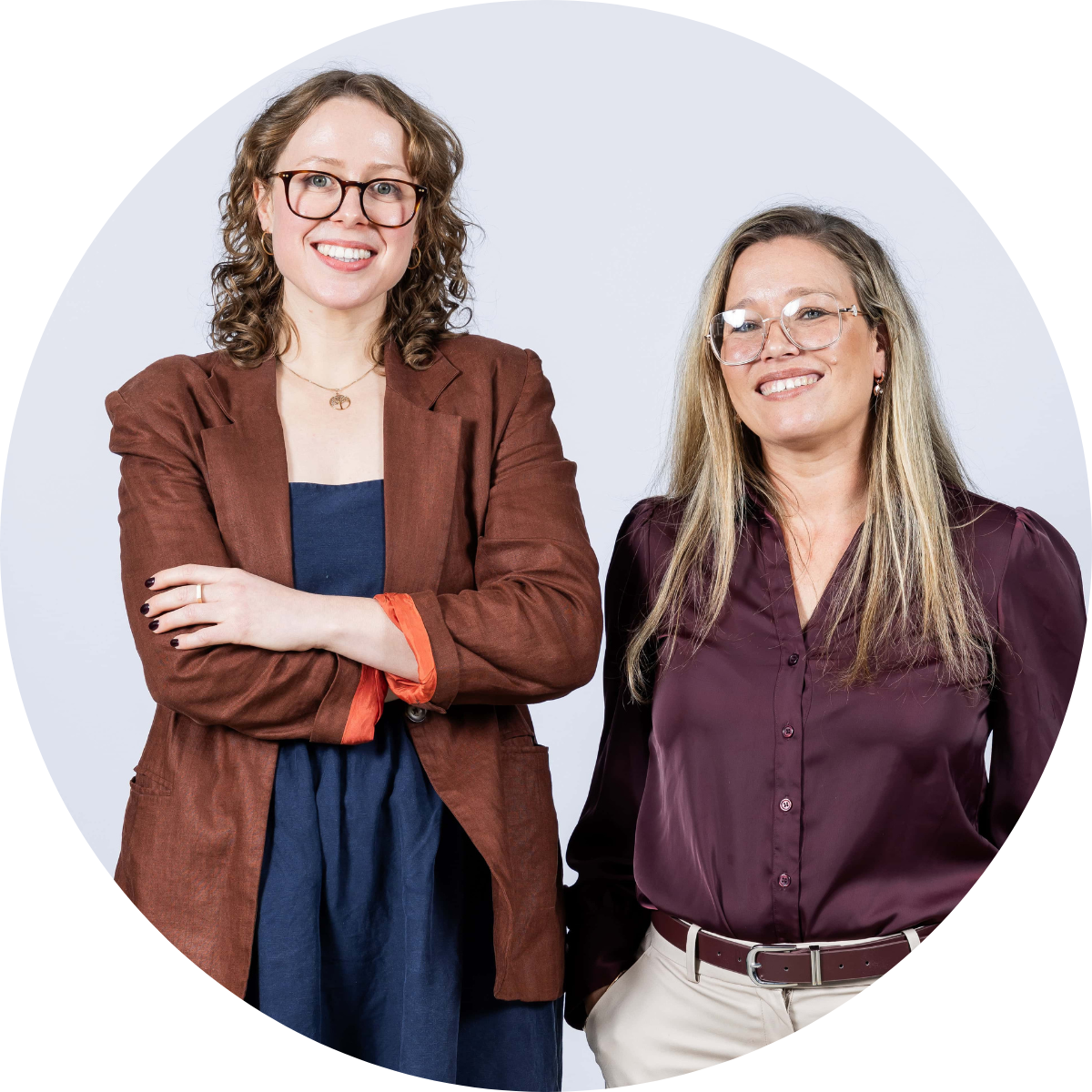
Meet our guests
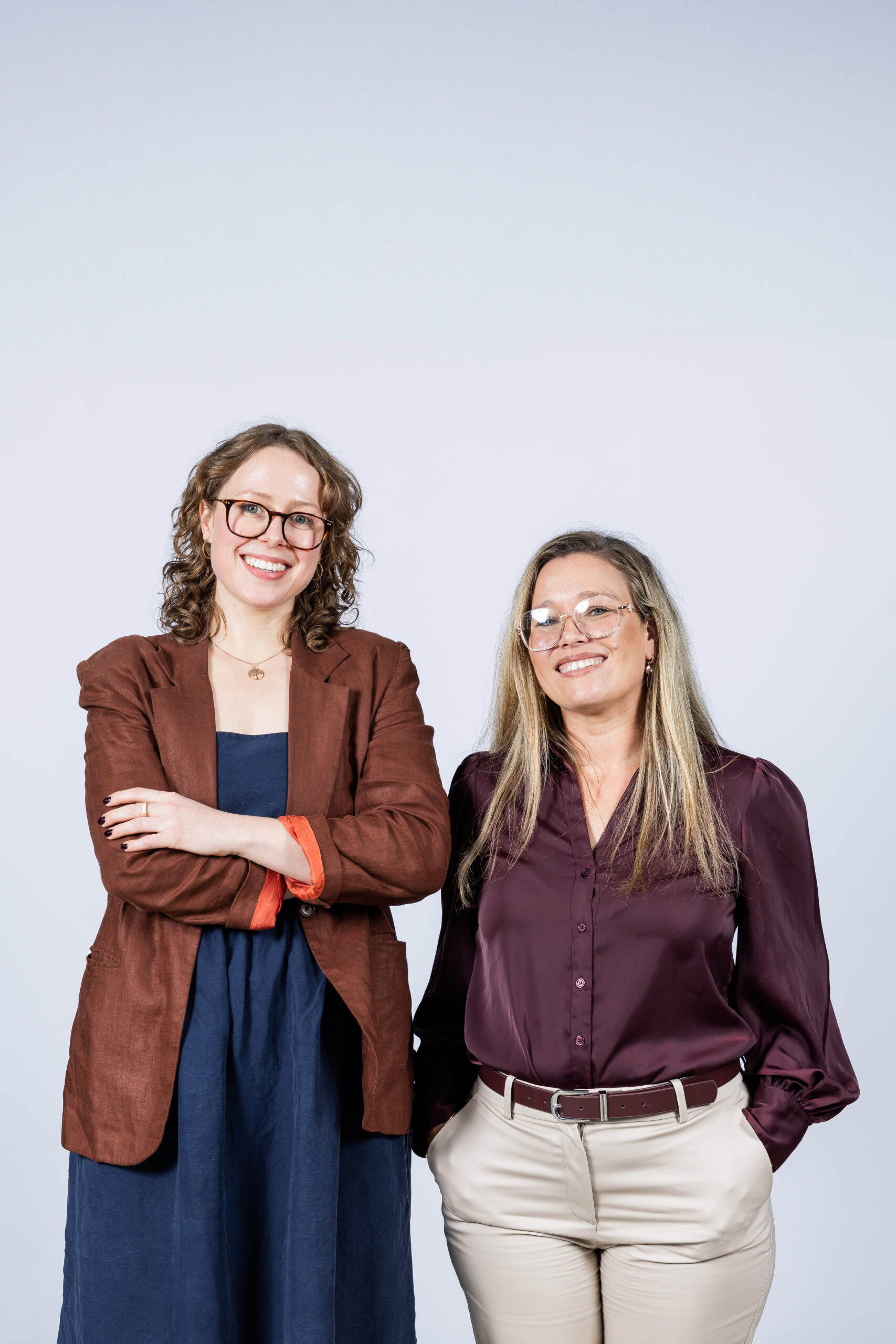
Lauren Pearson and Hayley Archbell
Lauren Pearson is an Accredited Practising Dietitian with postgraduate training in mental health counselling and a strong clinical background in eating disorder care. She takes a holistic, trauma-informed approach that considers the broader context of a person’s wellbeing - not just their nutrition. Lauren is currently completing a PhD at the University of Queensland, focusing on measuring nutrition outcomes in eating disorder treatment. --- Hayley Archbell is a registered psychologist with extensive experience supporting children, young people, and families through trauma, neurodiversity, and complex life challenges. With a strong background in child safety and high-risk family support, Hayley brings a compassionate, down-to-earth approach to issues such as ADHD, autism, anxiety, depression, and resilience-building. Her work is grounded in empathy, practicality, and a deep commitment to helping young people thrive.