Clinicians Hub resources

Evidence-based tools, guidelines and resources for health professionals and patients to support the prevention, early intervention, and management of chronic diseases.
Website

Australian Breastfeeding Association resources

The Australian Breastfeeding Association website provides resources for families through all stages of their breastfeeding journey. This includes resources for pregnancy, infancy, the first year and beyond, including resources to assist with continuing to breastfeed while returning to work.
Factsheets

Healthy eating for vegetarian or vegan pregnant and breastfeeding mothers

Information to support vegetarian and vegan women eat well during pregnancy and breastfeeding. This PDF covers essential nutrients and vegan or vegetarian sources. Includes sample meal plans. (PDF, 820KB)
Factsheets

WHO Z-Scores chart, weight for height (2-5 years) BOYS

The WHO BOYS weight-for-height Z-score chart monitors changes in child (2-5) weight patterns which might not be as easily tracked on standard growth charts. Z-scores are particularly useful to monitor small changes that have occurred over time, especially when growth concerns exist. (PDF, 722KB)
Factsheets

WHO Z-Scores chart, weight for height (2-5 years) GIRLS

The WHO GIRLS weight-for-height Z-score chart monitors changes in child (2-5) weight patterns which might not be as easily tracked on standard growth charts. Z-scores are particularly useful to monitor small changes that have occurred over time, especially when growth concerns exist. (PDF, 719KB)
Factsheets

WHO Z-Scores chart, weight for length (0-2 years) BOYS

The WHO GIRLS weight-for-length Z-score chart monitors changes in infant (0-2) weight patterns which might not be as easily tracked on standard growth charts. Z-scores are particularly useful to monitor small changes that have occurred over time, especially when growth concerns exist. (PDF, 755KB)
Factsheets

WHO Z-Scores chart, weight for length (0-2 years) GIRLS

The WHO GIRLS weight-for-length Z-score chart monitors changes in infant (0-2) weight patterns which might not be as easily tracked on standard growth charts. Z-scores are particularly useful to monitor small changes that have occurred over time, especially when growth concerns exist. (PDF, 748KB)

Factsheets

WHO growth charts (0-2 years)

WHO Growth charts (0-2) are used to calculate weight, length and weight for length percentiles for children aged under 2. These charts are used to monitor infant and young child's growth over time. Identifying any rapid increases or decreases away from the trajectory or growth curve, may help identify opportunities for early intervention. 
Factsheets

Growth measurement technique (0-2 years)

A factsheet which guides health providers on how to conduct best practice growth assessments in children under 2 years old. This includes information on techniques and equipment required. (PDF, 217KB)

Blog

Healthy behaviours

Find insightful articles on healthy behaviours. Healthy eating, physical activity, and wellbeing.

Physical activity
legs walking up outdoor concrete stairs

7 ways to keep walking when it’s hot outside

Summer in Queensland offers plenty of opportunities for outdoor fun, but the heat and humidity can make staying active challenging.
Healthy eating

How to cater for different dietary needs this Christmas

With some forward planning and a few clever swaps, you can serve delicious and healthy food that will keep everyone
Wellbeing

How taking regular breaks can boost focus, energy and wellbeing

Ever tried powering through a busy day without stopping, only to find your brain turns to mush by mid-afternoon?
Healthy eating
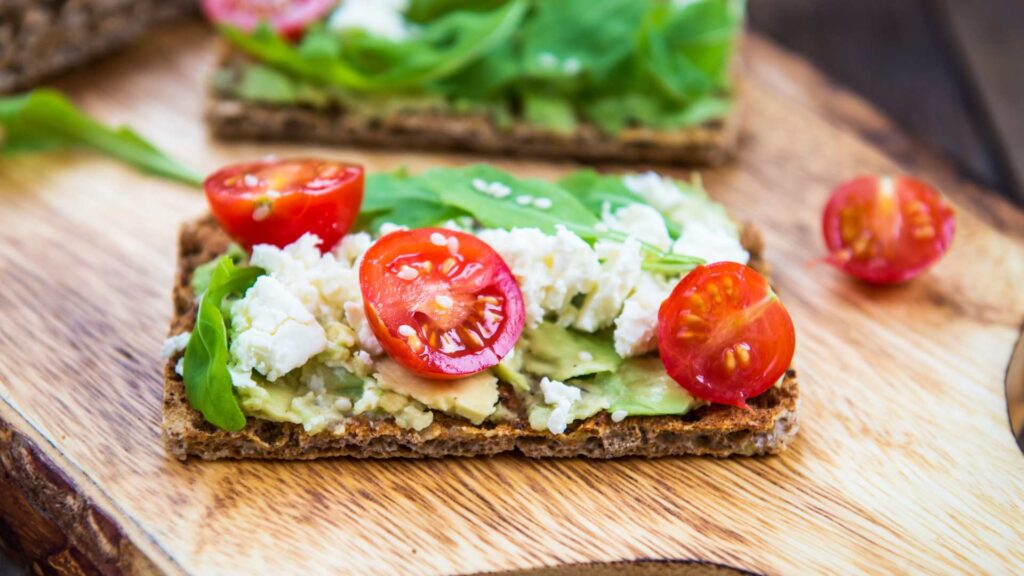
Wholegrain cracker with sliced cherry tomatoes and goats cheese

Why you should be eating more wholegrains

Filled with fibre, vitamins and minerals, wholegrains are great for our overall health, yet Aussies aren’t eating enough of them!
Kids
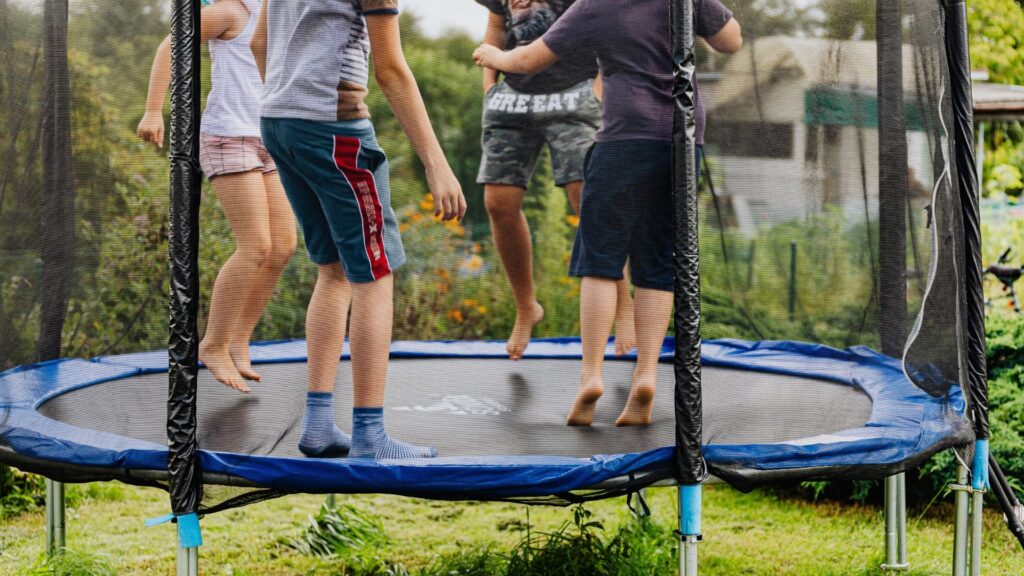
4 kids bounce on a trampoline

Getting kids to move more and sit less

Physical activity and movement are essential for long-term health and forming healthy habits that last a lifetime.
Kids
Children sitting with laptops, phones and tablets

How much screen time is too much?

Watching TV and playing computer games are common activities for kids but too much screen time can affect children’s health

SUBSCRIBE TO OUR NEWSLETTER

Insights and updates
for the health and wellbeing sector