
Remote Far North Queensland communities see positive shift in diet affordability
- Health and Wellbeing Queensland is working toward food security in Aboriginal and Torres Strait Islander communities through the Gather + Grow program
- Diet affordability monitoring is key to understanding food stress in remote Far North Queensland
- Over 2 years (2023 and 2024) data was collected in 35 communities across 6 Queensland regions
- Healthy diets consistently cost less than proxy-usual (less healthy) diets which include alcohol and takeaway.
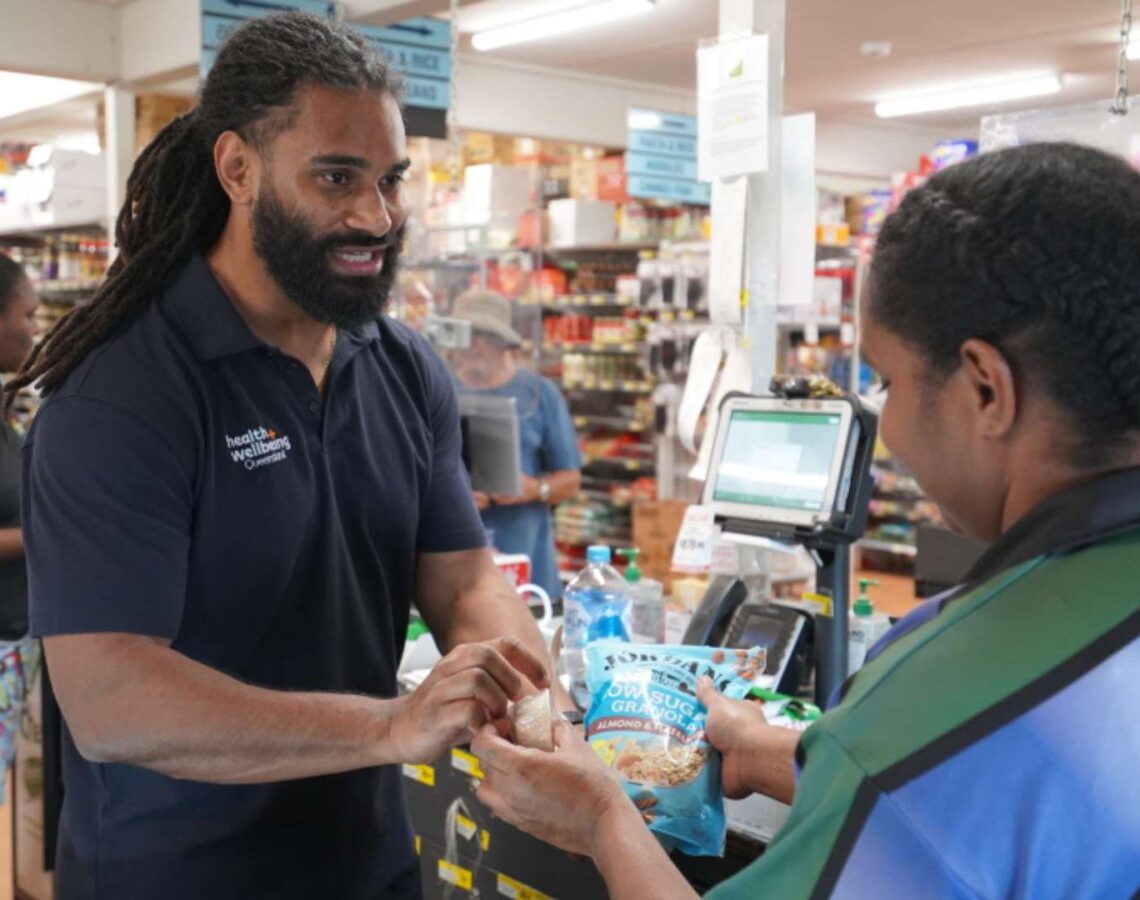
Early results from Health and Wellbeing Queensland diet affordability monitoring reveal that healthy diets have become more affordable in remote Far North Queensland.
Diet cost and affordability in Queensland: a summary report of findings from 2023 and 2024, found in the first year of data collection (2023), healthy diets were, on average, one third more expensive in remote Far North Queensland compared to non-remote regions such as Brisbane and Cairns.
In 2024, healthy diets became cheaper in remote Far North Queensland and cost similar between non-remote Queensland and remote Far North Queensland regions.
The same diet did not significantly change in cost in non-remote Queensland regions.
In 2024, the Queensland Government introduced the Remote Communities Freight Assistance Scheme (RCFAS). The RCFAS applied a 20% discount on essential goods (including groceries) in participating remote Far North Queensland stores. The discount was not applied in non-remote regions (i.e. Brisbane and Cairns) and was not applied in 2023.
Health and Wellbeing Queensland Senior Director, Dr Simone Nalatu, said ‘Improving food security remains a key priority for Health and Wellbeing Queensland, and I am pleased to share these promising early results alongside our partners and communities.’
‘This marks a positive shift for food equity, and addresses the long-standing challenge of higher food costs in remote communities.’
Food security is when all people at all times have physical and economic access to the food that they need to live a healthy and active life. Diet affordability is an important determinant of food security, and good health.
However, it has not been routinely monitored across Queensland for over a decade.
‘This is why Health and Wellbeing Queensland monitors the cost and affordability of diets across Queensland on an annual basis, helping to build the evidence base for action,’ Dr Nalatu said.
‘Access to affordable, quality and healthy food is key to preventing chronic disease (such as type 2 diabetes and heart disease) and addressing health inequity.
‘These findings highlight the need for continued action to address sustained change.’
Despite these improvements, Aboriginal and Torres Strait Islander households across Queensland are still likely to experience food stress and other factors that compromise food security.
In remote Aboriginal and Torres Strait Islander communities, considerations such as geographical isolation, housing issues, limited economic opportunities, harsh climate, as well as long and complex supply chains make it harder to access healthy food, which impacts health and wellbeing.
Health and Wellbeing Queensland are addressing these factors through Gather + Grow, a program focused on improving food security in Far North Queensland and the Lower Gulf.
The monitoring in this latest report included data collected from Community Enterprise Queensland (CEQ) stores across remote Far North Queensland communities.
CEQ Board Member Dr Mark Wenitong welcomed the positive diet affordability shift.
‘CEQ is pleased to see these encouraging results from independent monitoring,’ Dr Wenitong said.
‘Monitoring affordability is essential to understanding food security in remote Aboriginal and Torres Strait Islander communities.
‘Since the commencement of our Nutrition and Health Strategy 2023–2027, CEQ has focused on protecting the affordability of healthy food and drinks while reducing the promotion and visibility of unhealthy products.
‘We take a multi-strategy approach – from our Healthy Ways education campaign, to implementing healthy retailing strategies that promote healthier options and disincentivise less healthy choices. We also have a focus on building First Nations nutrition capability through our Nutrition Cadets program.
‘CEQ has supported the Remote Communities Freight Assistance Scheme as an evidence-informed measure to help reduce affordability pressures in remote communities, and it is encouraging to see this positive shift reflected in the monitoring data.’
Over 2 years (2023 and 2024) data were collected in 35 communities across 6 Queensland regions.
Using an evidence-based protocol (the Healthy Diets-Australian Standardised Affordability and Pricing (HD-ASAP), Health and Wellbeing Queensland collected and analysed data about the cost and affordability of healthy (based on the Australian Dietary Guidelines) and proxy-usual (based on a national survey of usual dietary intake) diets.
Health and Wellbeing Queensland continued Diet Affordability Data Monitoring through 2025, with the data collection period ending on 31 December. Data from 2025 is currently under analysis with results expected to be shared later in 2026.
Media contact details: Health and Wellbeing Queensland, 0439 599 210