International Women’s Day 2026: Why food security for pregnant women must be a priority
Dr Robyn Littlewood, Renae Earle, Aidan Dennis
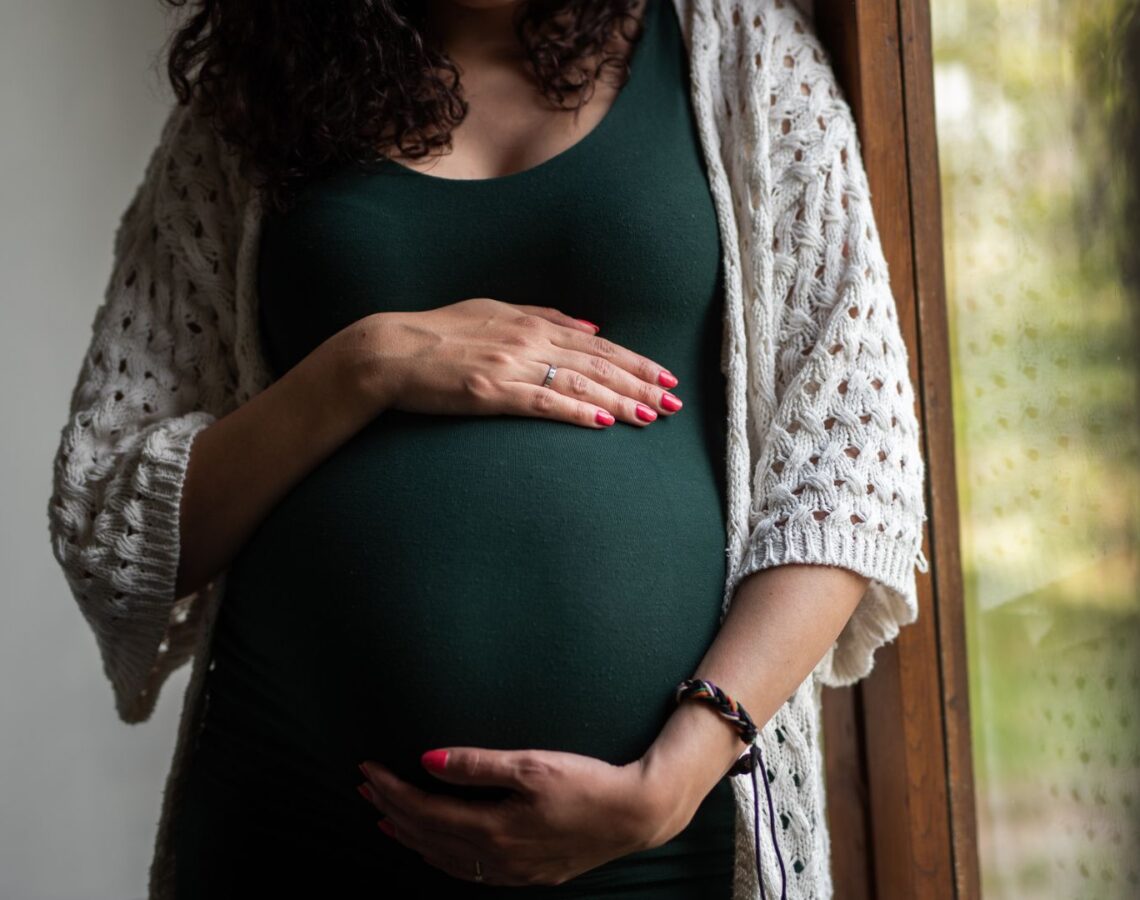
In Australia, around 14% of pregnant women experience food insecurity1, meaning they don’t always have access to enough nutritious, affordable food to meet their own needs and those of their unborn baby.
That statistic stops me in my tracks every time.
When I was pregnant, I worried about many things but having enough food to meet my nutritional needs was not one of them. Today, I recognise that certainty is a privilege, when it should be a basic right. In a country like Australia, pregnant women going hungry, or relying on cheap, low-nutrient foods just to get by, should be unthinkable. Yet for many, this is the reality.
Why this matters, especially for women
International Women’s Day (IWD) is always important to me. It gives us a platform to talk openly about the challenges women face, and to shine a light on issues that are too often invisible.
In 2026, food insecurity is one of those issues.
Globally, we are navigating what many describe as the “four Cs”: COVID-19, climate change, conflict and cost of living pressures. While these challenges affect everyone, the evidence is clear, women are disproportionately impacted, particularly when it comes to food security.
Even before the COVID-19 pandemic, women in Australia were around 1.5 times more likely than men to experience food insecurity2. Research published during and after the pandemic shows this gap has widened, driven by rising living costs, insecure employment, housing stress and caregiving responsibilities that fall more heavily on women.
For pregnant women, the consequences are especially serious.
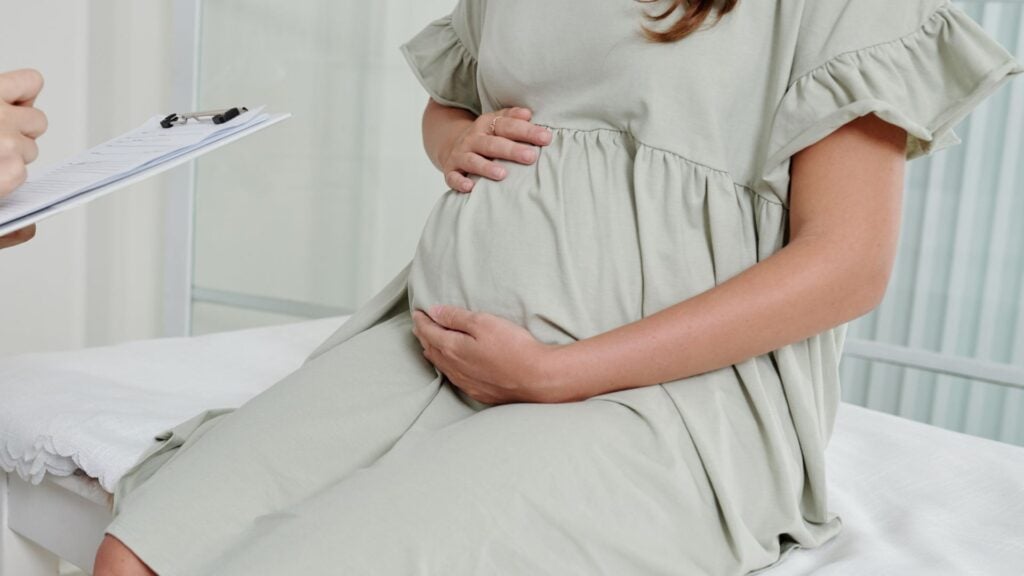
Food insecurity during pregnancy: a health issue, not a lifestyle choice
Research shows that food insecurity during pregnancy is associated with poorer health outcomes for both mothers and babies. These include increased risk of 2 life-threatening conditions for mums:
- Gestational diabetes and high blood pressure3 and
- Anxiety and depression4
Over my 20+ years of clinical practice, I’ve seen this play out firsthand. Children referred for overweight or obesity were often also living with nutrient deficiencies such as iron deficiency anaemia. A stark reminder that food insecurity isn’t just about hunger. It’s about households doing their absolute best with limited options, prioritising fullness over nutrition.
The fact that food insecurity most severely affects women, babies, children and older people is deeply concerning and exactly why this issue belongs at the centre of IWD conversations.
The good news: Queensland is taking action
Health and Wellbeing Queensland exists to tackle complex, system-wide health challenges — including food insecurity. For more than 6 years, food security has been a priority area, with a strong focus on addressing the social, economic, environmental and commercial drivers of poor access to healthy food.
Some of the outcomes already underway across Queensland include:
- Diet affordability monitoring in 35 communities over 2 years, building a clearer picture of food costs and financial pressure
- Community-led food production projects, including the revival of the Frog Gully Community Garden on Thursday Island, aquaponics on Horn Island, and the creation of local gardening jobs
- Local food security action plans developed with Aboriginal and Torres Strait Islander organisations and councils across Far North Queensland and the Lower Gulf
- Healthy store initiatives in remote communities, with early results showing a 10.8% improvement in the healthiness of food retail environments
- A school-based food and nutrition program in Cape York and the Torres Strait, supporting school gardens, tuckshop upgrades and nutrition education
- Community food growing initiatives, such as Foodcubes in Yarrabah, providing families with access to the benefits of gardening
This work — delivered in partnership with communities, local governments and other sectors — is already making a difference.
Looking ahead
For International Women’s Day 2026, my hope is simple: that food insecurity is recognised for what it is — a health issue, not an individual failing.
Access to nutritious, affordable food during pregnancy is foundational to the health of women and the next generation of Queenslanders. Queensland is leading the way, but there is more to do.
Healthy is happening across our state and with continued collaboration, evidence-based action and sustained investment, we can ensure that every pregnant woman, no matter where she lives, has the food security she deserves.
Supporting women’s health, especially during pregnancy, is one of the most powerful investments we can make in our collective future.
References
- McKay, F. H., Zinga, J., & van der Pligt, P. (2025). Occurrence and predictors of food insecurity in a sample of pregnant women recruited from an Australian hospital. Nutrition and Dietetics, 82(3), 309–318. https://doi.org/10.1111/1747-0080.70021.
- Foodbank Australia. (2019). Foodbank Hunger Report 2019: Women bear the brunt of hunger in Australia (Report). https://www.foodbank.org.au/women-bear-the-brunt-of-hunger-in-australia/
- Chehab, R. F., Croen, L. A., Laraia, B. A., Greenberg, M. B., Ngo, A. L., Ferrara, A., & Zhu, Y. (2025). Food insecurity in pregnancy, receipt of food assistance, and perinatal complications. JAMA Network Open, 8(1), e2455955. https://doi.org/10.1001/jamanetworkopen.2024.55955
- Oftedal, M., et al. (2025). Food insecurity during pregnancy and associated perinatal outcomes: A scoping review. Epidemiologic Reviews. https://pubmed.ncbi.nlm.nih.gov/39968733/
- ABC News (2024) — One in ten pregnant Australians are going hungry and facing food insecurity, new research shows, https://www.abc.net.au/news/2024-09-29/pregnant-women-going-hungry-food-insecurity-research/104317274